I may be late to the party, but I have officially caught the pickleball bug. After spending my mornings trading volleys on the court, I’ve realized that this high-energy sport is more than just a passing fad with a whimsical name—it is a masterclass in strategy, community building, and agility.
For the modern blogger, the transition from the court to the keyboard is surprisingly seamless. As the digital landscape becomes increasingly saturated, the principles that have turned a backyard game into an international movement are the exact same ones that can transform a stagnant blog into a thriving, high-traffic content hub.
1. The Genesis of a Movement: From Bainbridge to Global Dominance
To understand the power of pickleball, one must look at its origins. Born in 1965 on Bainbridge Island, Washington, the sport began as a makeshift solution to a bored family’s need for entertainment. It was humble, local, and unassuming. Today, it stands as the fastest-growing sport in the United States.
For the content creator, this mirrors the trajectory of the "overnight success." Every world-class blog began as a blank page—a "backyard" project with zero reach. The lesson here is simple: Start small, but think big. You do not need a massive editorial team or a seven-figure budget to launch a platform. You need a paddle (your voice), a net (your boundaries and goals), and the willingness to play. By treating your blog as a growing entity rather than a static website, you allow it the space to evolve from a personal project into an industry authority.
2. Rallying the Community: The Social Engine of Growth
In pickleball, a rally is not just about keeping the ball in play; it is about building rhythm with your opponent. In the blogging world, your "rally" is the comment section, your email newsletter, and your social media engagement.
A blog without community interaction is like a tennis match played against a brick wall. To thrive, you must invite your audience into the rally. This means responding to every comment with genuine intent, hosting live Q&A sessions, and fostering discussions that extend beyond the article itself. When you treat your readers as active participants rather than passive consumers, you transform casual visitors into a loyal community. The longer you keep the rally going, the more trust you build.
3. The Art of the ‘Dink’: Mastering Minimalism
Perhaps the most crucial skill in pickleball is the "dink"—a soft, precise shot aimed at the net that forces your opponent to play at your pace. It is the antithesis of the "power game."
In blogging, we often equate "better" with "more." We pile on jargon, complex sentence structures, and exhaustive word counts. However, the art of the dink teaches us that simplicity is a superpower. Your ability to distill complex industry insights into digestible, actionable advice is what creates value. A clean layout, an accessible tone, and a clear, concise message are often more effective than a hard-sell approach. Sometimes, the most powerful thing you can write is the simplest.
4. Finding the ‘Kitchen’ Equilibrium
The "kitchen," or the non-volley zone, is a protected area on a pickleball court where you cannot volley. It represents the boundaries of the game. For bloggers, your "kitchen" is your brand voice and your niche.
You must find the sweet spot where you can engage your audience without overstepping into territory that feels inauthentic or overly transactional. If you are too "salesy," you lose credibility. If you are too distant, you lose connection. By balancing your personal narrative with professional authority, you maintain a position that is "just right." You aren’t just broadcasting content; you are holding space for a conversation.
5. Turning ‘Whiffs’ into Wins: The Resilience Quotient
Even the most seasoned professional pickleball players experience the dreaded "whiff"—a total miss. When it happens, the game doesn’t end; the player recalibrates.
Bloggers often fear failure, viewing a low-performing post as a sign of defeat. However, in the professional content landscape, data is your greatest teacher. Every "whiff"—every blog post that fails to gain traction or an A/B test that yields poor results—is a vital data point. It tells you exactly what your audience does not want. Resilience in blogging isn’t about never missing; it’s about the speed at which you analyze the miss, adjust your technique, and step back up to the service line.
6. Agility in the Digital Landscape
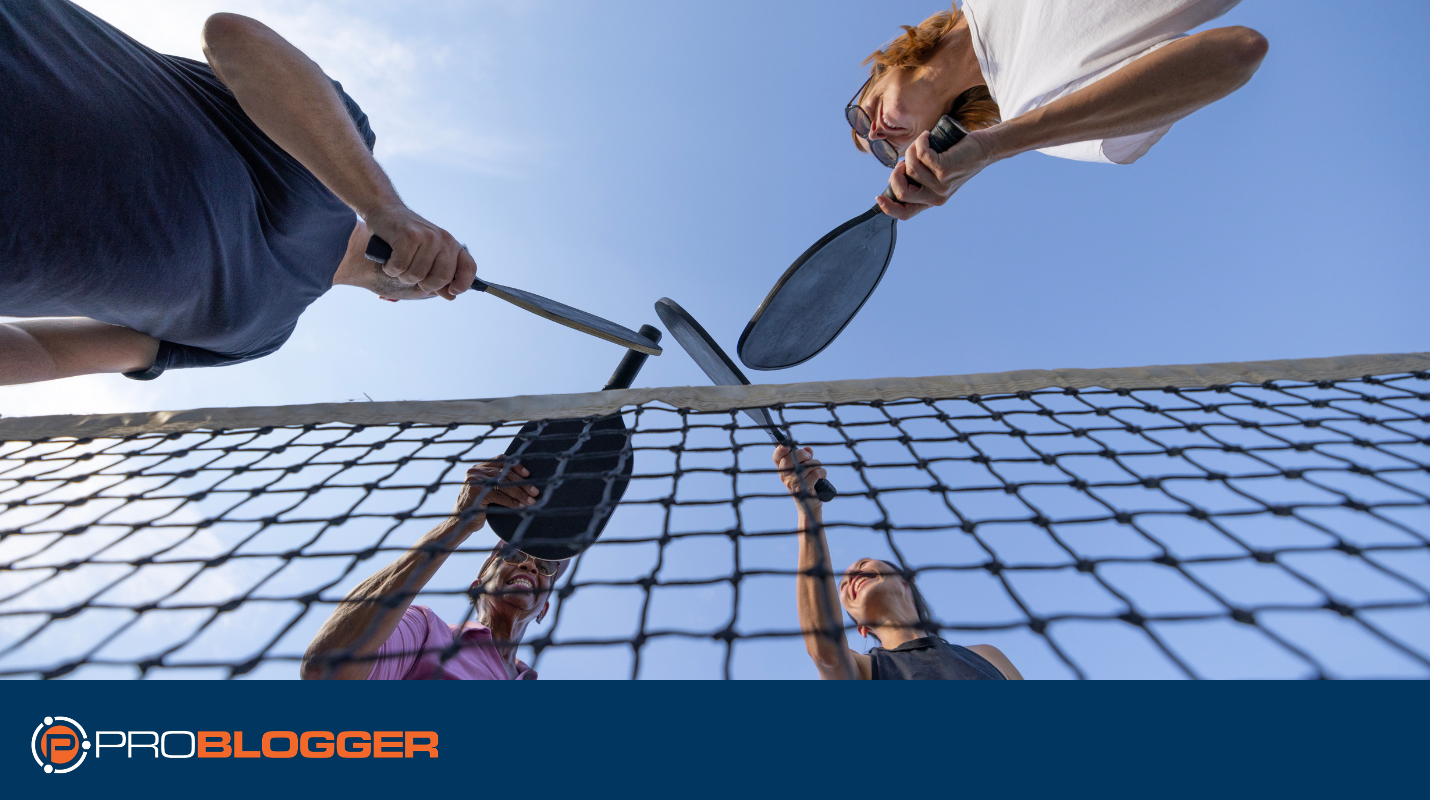
Pickleball is a sport of constant adjustment. Opponents change their tactics, the wind shifts, and the court surface changes. Players who refuse to adapt lose.
The digital ecosystem is even more volatile. SEO algorithms shift, new social platforms emerge overnight, and audience preferences evolve in real-time. A blogger who relies on a strategy from 2018 will inevitably be sidelined. To remain relevant, you must cultivate a "beginner’s mind," remaining flexible enough to pivot your content strategy, adopt new distribution channels, and refine your SEO techniques as the landscape demands.
7. The Hyper-Focus: Keeping Your Eye on the Ball
Loss of focus in pickleball results in a point for your opponent. In blogging, loss of focus results in high bounce rates and disengaged readers. When you stray from your core topic or lose sight of your target audience’s pain points, your authority dissipates.
Every post must serve a purpose. Whether it is to educate, entertain, or inspire, your content should align with a broader goal. If you are writing just for the sake of checking a box, your audience will feel that lack of intentionality. Keep your eye on the ball: know your reader, solve their problem, and deliver on the promise of your headline.
8. Serving Strong: The Architecture of Impact
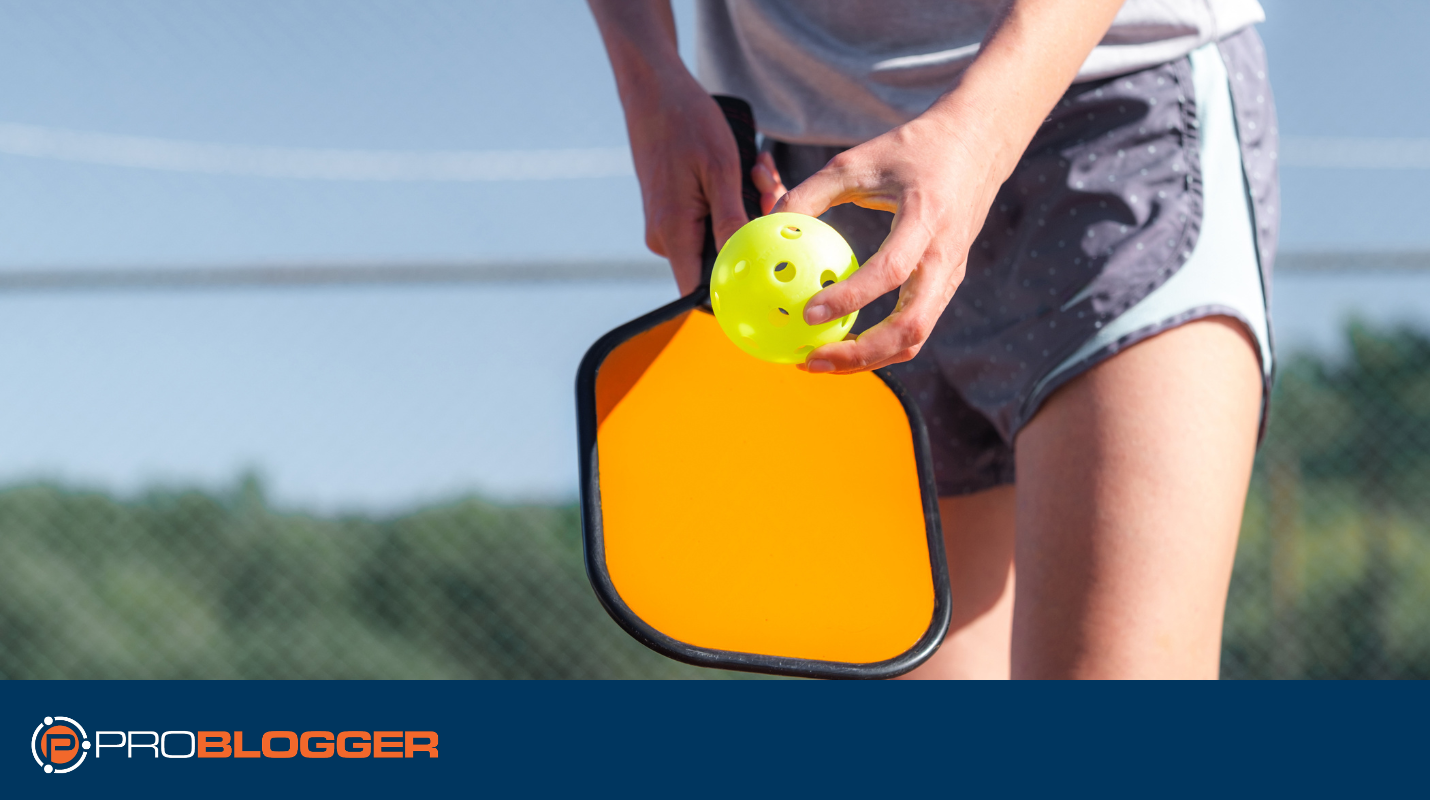
A pickleball serve dictates the opening rhythm of the point. A weak serve invites an immediate attack; a strong serve creates an opportunity to dominate.
Your blog’s introduction is your serve. You have mere seconds to hook your reader before they bounce to the next search result. A professional, high-impact introduction sets the tone, promises value, and creates a clear path toward the call-to-action (CTA). If your "serve" is lackluster, your reader will never see the "value" you’ve built in the body of the post.
9. Strategic Positioning: Carving Your Niche
Positioning is the difference between a generalist and an expert. In a crowded market, those who occupy a specific, well-defined space win. Just as a pickleball player positions themselves to cover the most court, you must position your blog to cover the unique needs of your specific niche. By understanding exactly who your reader is and what problem only you can solve, you stop competing with everyone and start owning your corner of the internet.
10. The Joy Factor: Sustainable Success
Finally, the most important lesson from pickleball: it’s fun. It is a sport that people play because they enjoy the process of playing.
Blogging is a marathon, not a sprint. If you are not deriving some form of satisfaction from the creative process, burnout is inevitable. Passion is the fuel that keeps you writing when the metrics are low and the industry is loud. When you inject genuine enthusiasm into your work, it becomes palpable. It makes your blog feel human, relatable, and ultimately, indispensable.
Conclusion: Ready to Play?
Who knew that a sport with such a peculiar name could offer such profound insights for the digital creator? Pickleball is a testament to the idea that strategy and joy are not mutually exclusive.
By applying the discipline of the court—the focus, the agility, the strategic positioning, and the willingness to learn from every miss—to your blogging practice, you elevate your work from a simple collection of words to a dynamic, engaging resource. The digital court is open. Grab your keyboard, serve with intent, and keep the rally going. Your next "big hit" is only one volley away.