In the modern digital economy, the chasm between selling physical merchandise and selling intangible educational assets is vast. While an e-commerce brand can rely heavily on glossy product photography, tangible packaging, and immediate sensory proof, digital creators face a far steeper psychological hurdle. When a consumer buys a course, an e-book, or a membership portal, there is no physical box to unwrap, no weight to gauge, and no instant tactile validation.
Instead, the entire burden of proof falls on a single medium: email.
For digital product creators, email is not merely a supplementary retention tool or an automated cart-recovery mechanism—it is the entire sales funnel. According to recent insights from entrepreneurial media powerhouses like Foundr, the foundational philosophy of digital product marketing must prioritize trust before pitching, education before offers, and deep relationships before revenue.
Main Facts: The Anatomy of Digital Product Email Marketing
The mechanics of email marketing shift dramatically depending on the nature of the product. E-commerce email marketing typically functions as a loyalty loop: driving repeat purchases, nudging window-shoppers back to abandoned carts, and announcing seasonal discounts.
Conversely, digital creators rely on a linear, highly trust-dependent ascent. A typical consumer discovers a creator via top-of-funnel channels—such as a podcast, a viral social media clip, or peer referrals. Intrigued but skeptical, they trade their email address for a lead magnet, such as a free masterclass, template, or mini-course.
At this juncture, the real work begins. Without browse-and-abandon pixels or physical display pages to close the deal, the creator’s ongoing email correspondence becomes the sole vehicle for earning credibility. If the emails fail to resonate, the subscriber quietly unsubscribes or remains permanently dormant. Successful creators build their frameworks around three core pillars:
- Trust Before Pitch: Establishing domain expertise without immediate commercial pressure.
- Progressive Value Architecture: Moving subscribers seamlessly from zero-cost resources to low-barrier trials and, eventually, flagship programs.
- Post-Purchase Engagement: Maintaining communication long after the checkout screen disappears to ensure high completion and referral rates.
Chronology: The Lifecycle of a High-Converting Email Funnel
To understand how top-tier digital brands scale multi-million-dollar educational platforms, one must examine the chronological phases of a subscriber’s journey.
Phase 1: The Opt-In and the Misunderstood Lead Magnet
Many creators treat the lead magnet—the free checklist or introductory workshop—as the finish line of the acquisition process. In reality, it is merely the handshake.
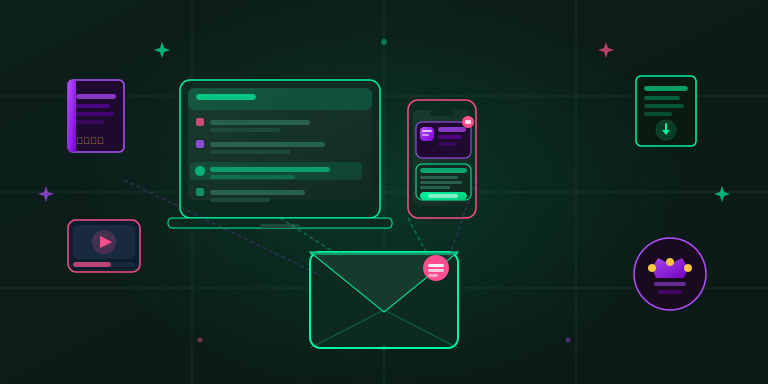
The lead magnet earns the opt-in, but the subsequent welcome sequence earns the subscriber’s attention. Industry leaders like Foundr use high-value free trainings not just for lead generation, but as the opening chapter of a long-term dialogue. By the time a subscriber is introduced to a comprehensive ecosystem like Foundr+—which houses over 30 courses and a community of 30,000+ entrepreneurs—they have already consumed enough complimentary value to view the platform as an indispensable resource. A low-risk entry point, such as a $1 trial, then removes the final psychological barrier to entry.
Phase 2: The Nurture Sequence Arc
Once the initial introduction settles, the nurture sequence takes over. The primary objective here is not to cram inboxes with daily advertisements, but to methodically build cognitive alignment.
- Acknowledge Current Pain: The sequence opens by addressing the specific, frustrating friction points the subscriber is experiencing right now.
- Illuminate Possibility: The narrative shifts to what operational success looks like on the other side of that problem.
- Provide Proof: Case studies, empirical student successes, and vulnerability from the creator validate the approach.
By the time the course is formally introduced, the subscriber does not feel targeted by a pitch; rather, they view the offer as the logical next step in their professional evolution. The length of this runway varies: a low-ticket $49 digital guide might convert within a three-to-four-email sequence, whereas a flagship mastermind or intensive course requires a six-to-ten-email narrative arc spread across several weeks.
Phase 3: The Launch Window
When the cart officially opens, the rules of engagement change. The passive, measured educational tone must shift into a structured period of urgency.
- Story-Led Openings: The first launch emails bypass boring feature lists in favor of compelling narratives.
- Objection Crushing: Mid-launch communications proactively dismantle common hesitations—such as lack of time, financial constraints, or self-doubt—by showcasing real students who started from the exact same position.
- Honest Deadlines: Manufactured urgency backfires the moment a consumer tests it. True, unyielding deadlines paired with high-frequency communication (such as daily emails in the final 48 hours) meet the demands of buyers who are actively waiting to pull the trigger.
Supporting Data: The Hidden Power of Post-Purchase Retention
A critical oversight among digital creators is going completely dark the moment a transaction clears. When the cart closes and the sales page vanishes, many cease communication until their next launch.
Data shows that post-purchase engagement is directly tied to business durability. Implementing a simple check-in email one week post-purchase generates an outsized amount of goodwill. Furthermore, progress-based automation that tracks student milestones and encourages those falling behind dramatically improves course completion rates.
Why do completion rates matter to marketing? Because a student who finishes a program and achieves a tangible result becomes the ultimate marketing asset. They write glowing testimonials, refer peers organically, and convert effortlessly into buyers of the creator’s next release. Robust guarantees—such as Foundr’s 90-day results promise—only remain financially viable when the post-purchase email infrastructure actively supports student success.
Official Responses and Industry Solutions: Upgrading the Infrastructure
As the digital product landscape matures, creators are demanding more sophisticated, cost-effective infrastructure to manage these complex, multi-tiered email journeys. Industry platforms are responding directly to these operational pain points.
Tools like Omnisend have positioned themselves as critical infrastructure for modern digital entrepreneurs. By offering advanced automation builders that handle intricate nurture sequences, launch flows, and post-purchase milestones without manual oversight, platforms like Omnisend allow creators to focus on content creation rather than technical troubleshooting.
Industry analysts note that migration friction has historically kept creators tethered to legacy email service providers. However, modern migration teams have largely dismantled that barrier. Free migration services can now transfer entire lists, automated flows, and customized templates within five business days, requiring zero technical heavy lifting from the creator.
Furthermore, economic pressures are pushing founders to optimize overhead. Transitioning to streamlined platforms can yield operational savings of up to 35% compared to legacy competitors, with integrated SMS marketing channels starting at fractions of a cent per message ($0.007). Strategic partnerships—such as exclusive programs offering verified media readers up to 50% off their first three months using promotional codes like FOUNDR50—are accelerating this migration wave.
Implications: The Durability of the Email-First Business Model
In an era dominated by volatile social media algorithms, shifting ad costs, and platform policy updates, building a digital product business anchored around a proprietary email list remains one of the most resilient models in online entrepreneurship.
An algorithm can suppress organic reach overnight, and ad accounts can be restricted without warning, but a clean, engaged email list remains a direct, unmediated line to an audience. The creators who thrive in the coming years will not necessarily be those who send the highest volume of mail, but those who engineer hyper-relevant, empathetic conversations that meet subscribers precisely where they are in their entrepreneurial journeys.
By treating email as a relationship-building medium rather than a digital billboard, digital product creators can build insulated, highly profitable ecosystems that withstand algorithm changes and generate sustainable revenue for years to come.