The landscape of digital commerce is undergoing a seismic shift, moving away from static interfaces toward a dynamic, automated ecosystem. This week, we explore a wave of innovation that spans from foundational payment infrastructure and supply chain logistics to the rapidly maturing world of "agentic commerce"—the era where AI doesn’t just suggest products, but executes complex, multi-step business decisions on behalf of merchants.
As we analyze the latest service releases, a clear pattern emerges: the tools merchants rely on are becoming smarter, more predictive, and significantly more autonomous.
The New Frontier: Agentic Commerce Takes Center Stage
At the heart of this week’s updates is the concept of "agentic commerce," where AI agents serve as the engine for operations.

Visa and OpenAI: The Architecture of Trust
In a landmark move, Visa has partnered with OpenAI to build the underlying infrastructure for agentic commerce. This collaboration is designed to solve the "trust" barrier in AI-led transactions. By integrating Visa’s payment tokenization, authorization protocols, and fraud-monitoring networks directly into OpenAI’s systems, the partnership aims to create a secure environment where AI agents can initiate payments without constant human oversight. Beyond simple transactions, the companies are exploring embedding "trusted agent identity signals" into developer experiences, potentially turning coding agents like OpenAI’s Codex into powerful commerce facilitators.
Orchestration and Investment
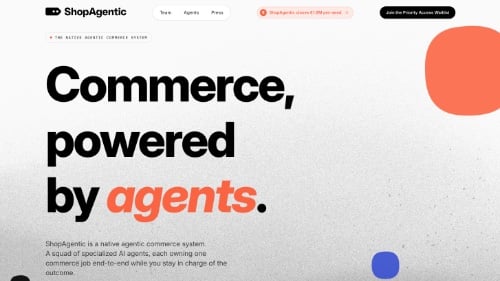
The industry is backing this shift with significant capital. ShopAgentic has closed a €1.9 million ($2.2 million) pre-seed round to build a coordinated group of AI agents capable of handling everything from catalog management and dynamic pricing to fulfillment. Similarly, Merchantee secured €1.8 million to expand its agentic marketplace platform, which allows sellers to define budget and sales parameters that the AI then executes autonomously. Meanwhile, Kyndryl has launched its "AI Orchestration for Business" suite, designed to manage complex agentic workflows across supply chains and store operations, proving that the trend is moving from niche experimentation to enterprise-grade adoption.
Chronology of Weekly Innovation
The following updates represent a broad cross-section of the tools released this week to help merchants optimize their operations:

- Pinterest (Amazon Linking): Creators can now link directly to their Amazon storefronts, with Pinterest automatically applying affiliate tags, removing manual ID management.
- ACI Worldwide (EPI Integration): Joining the European Payments Initiative, ACI will now support the "Wero" digital wallet, enabling seamless peer-to-peer and ecommerce payments across SEPA rails.
- Kinsta (Bot Protection): Responding to rising security threats, Kinsta added configurable bot protection to all WordPress plans, allowing merchants to challenge or block malicious traffic.
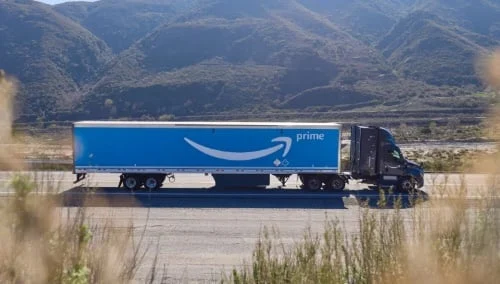
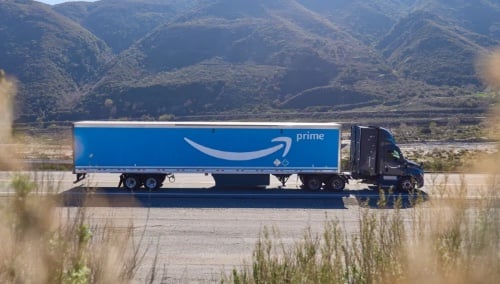
- Amazon (LTL Freight Expansion): Amazon Supply Chain Services expanded its less-than-load (LTL) offering, allowing businesses to ship palletized goods to any destination, including non-Amazon warehouses.
- Subotiz (AI Agent Suite): A new platform for subscription commerce, allowing merchants to manage customer profiles, pricing, and audits through natural language commands via an MCP server.
- Athos Commerce (Intelligent Discovery): A new platform designed to bridge the gap between traditional search and generative AI discovery, optimizing how brands appear in AI-driven shopping environments.
- DoorDash (Conversational Search): Users can now search the DoorDash app using images, recipe links, or natural language descriptions, simplifying the path to purchase.
- Fast Simon (AI Personalization): A tool built specifically for merchandisers to optimize collection strategy and product launches based on real-time AI analytics.
- LinkedIn (Creator Marketplace/BrandWorks): New tools aimed at helping B2B brands find credible creators and build high-performing influencer campaigns.
- Shopware (Payments): A new native payment integration powered by PayPal, offering merchants instant access to diverse checkout methods.
- Triple Whale (Moby Automations): Advanced media buying tools that allow AI to scale campaigns based on custom, pre-set merchant rules.
- Fractal (Cogentiq): An AI-native profit engine that monitors stock, media spend, and keywords to ensure products remain discoverable and profitable on marketplaces.
- Pollo AI (Commerce Studio): A creative suite that automates the production of high-quality product videos and AI-generated lifestyle photography.
Supporting Data: Why the Shift is Happening
The push toward agentic commerce is not merely a technological trend; it is a response to the growing complexity of the modern digital storefront. With the proliferation of marketplaces and generative search engines, merchants are struggling to maintain visibility.
Data from the recent product launches indicates that:
- Efficiency is the primary driver: Tools like Triple Whale and ShopAgentic report that automating repetitive tasks—like scaling ads or managing inventory pricing—saves teams an average of 15-20 hours per week in manual configuration.
- Conversion requires "Answer Engines": Tools like Athos Commerce and DoorDash’s new search feature highlight that shoppers are moving away from keyword-based search toward natural language queries. Brands that do not optimize for these "answer engines" risk being left behind.
- Cross-Platform Integration: The success of the Pinterest-Amazon integration and the Shopware-PayPal partnership demonstrates that merchants demand "plug-and-play" ecosystems. They no longer have the bandwidth to manage fragmented third-party integrations manually.
Official Perspectives and Industry Response
The reception to these announcements has been largely focused on the potential for "democratized commerce."
ShopAgentic’s founders noted in their funding announcement that their goal is to provide small-to-mid-sized businesses with the same operational power previously reserved for massive retail conglomerates. By lowering the barrier to sophisticated, automated management, these tools effectively level the playing field.
Kinsta’s addition of free bot protection on all plans is an implicit acknowledgment of a harsher security environment. By making this a standard feature rather than an upsell, Kinsta is signaling that site security—specifically regarding AI scrapers and malicious bots—is no longer optional, but a foundational requirement for any ecommerce merchant.
On the payment front, ACI Worldwide’s integration with the EPI reflects a broader push for sovereign digital payment solutions in Europe. By leveraging the Wero wallet, merchants are being given an alternative to traditional credit card rails, which may ultimately lower transaction fees and increase consumer trust in the EU market.
Strategic Implications: How Merchants Should Prepare
The sheer volume of releases this week suggests that the "passive" era of ecommerce management is over. For merchants looking to remain competitive in the coming year, the following strategic shifts are advised:
1. Shift from "Manual" to "Rules-Based" Automation
Do not wait for full autonomy. Start by identifying the most repetitive workflows in your business—such as bid management, price adjustments, or product visual creation—and implement rules-based tools like Moby Automations or Pollo AI. The goal is to build a "human-in-the-loop" system where the AI does the heavy lifting and your team provides the strategy.
2. Prepare for "Generative SEO"
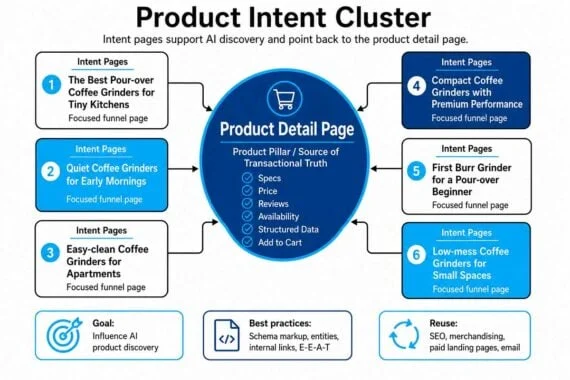
Product discoverability is changing. Traditional search engine optimization (SEO) is being supplemented by "Generative Engine Optimization." Ensure your product data is structured, rich, and context-heavy. Tools like Athos Commerce suggest that your product descriptions must now answer questions rather than just contain keywords.

3. Audit Your Security
With the rise of AI-driven scrapers, your site is more vulnerable than ever to data theft and automated competitive pricing attacks. Evaluate whether your hosting provider offers robust, native bot protection or if you need to invest in a third-party security layer.
4. Lean into the Creator Economy
The LinkedIn and Pinterest updates underscore a fundamental truth: customers are increasingly discovering products through people, not just brands. B2B and B2C merchants alike should explore creator marketplaces to amplify their reach, ensuring their affiliate programs are linked into these automated, frictionless systems.
Conclusion
The innovations of this week reveal a commerce world that is increasingly interconnected and automated. While the technical jargon—"agentic commerce," "MCP servers," and "AI orchestration"—may seem daunting, the core value proposition is simple: technology is finally moving from a tool that helps you work to a partner that helps you execute. For merchants, the challenge is no longer about finding the right tools, but about choosing the right orchestration strategy to weave these powerful technologies into a cohesive, profitable whole.