
The digital commerce landscape is undergoing a period of profound transformation. As artificial intelligence moves from a buzzword to an essential infrastructure layer, merchants are finding themselves at the center of a technological revolution. This week’s roundup highlights a surge in "agentic commerce"—a paradigm where AI does not just assist in search but actively facilitates transactions, manages inventory, and streamlines global logistics. From the integration of stablecoin payments in B2B markets to the rise of virtual livestream ecosystems, the following report examines the critical shifts reshaping the industry.
1. The Main Facts: A Convergence of AI and Infrastructure
The most significant trend currently impacting ecommerce is the dissolution of boundaries between discovery and checkout. Merchants are no longer relying on traditional funnels; instead, they are deploying sophisticated agents that operate within social messaging apps, search engines, and live video feeds.
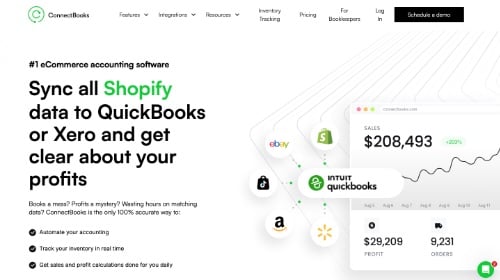
- Financial Integration: Ordoro and ConnectBooks have bridged the gap between operational logistics and accounting, allowing for real-time profitability reporting.
- The Rise of Agentic Commerce: Meta, Hey Savi, and RedotPay are all pushing into "agentic" territory—software that performs multi-step tasks on behalf of the user, such as answering product queries, qualifying leads, or executing cross-border payments.
- Logistics Consolidation: The merger of WWEX Group and Auctane into ShipStation Global marks a massive consolidation of shipping and freight services, signaling a move toward more integrated, end-to-end global supply chain management.
2. Chronology of Developments: A Week of Rapid Deployment
The following timeline captures the rapid pace of product launches and strategic pivots that have occurred over the past several days:

- June 1st: WWEX Group and Auctane officially finalized their merger, establishing ShipStation Global to leverage the combined power of freight brokerage and automated shipping software.
- June 2nd: Hey Savi and PayPal announced a groundbreaking partnership to bring agentic commerce to the U.K. fashion market, allowing users to move from search to native checkout seamlessly.
- June 4th: DoorDash Ads underwent a major overhaul, expanding its commerce media platform to include advanced ad formats and privacy-centric measurement tools powered by LiveRamp.
- Mid-Week: A flurry of AI-driven announcements followed, including Amazon’s visual search enhancements, Kyzuvex’s AI livestream ecosystem, and Shopsense AI’s launch of the "Shoppable Intelligence Model."
3. Supporting Data and Technological Benchmarks
The shift toward AI-powered intelligence is backed by measurable performance metrics that highlight why these changes are occurring.
The Accuracy Gap in Discovery
Shopsense AI has set a new benchmark in contextual commerce with its proprietary Shoppable Intelligence Model. Internal testing suggests the model provides a 25% to 50% improvement in retrieval accuracy compared to legacy systems like OpenAI’s CLIP and Google’s SigLIP2. This data underscores the industry’s pivot toward specialized models tailored specifically for product visual recognition rather than general-purpose image analysis.
Financial Efficiency via Stablecoins
RedotPay’s entry into the B2B market with its "Connect" gateway is addressing a critical pain point in international trade: transaction fees. By enabling stablecoin settlements, the company claims it can slash payment fees by up to 70% for global merchants. This provides a compelling alternative to traditional banking rails, which often impose significant friction on cross-border transactions.
4. Official Responses and Industry Perspectives
Industry leaders are framing these advancements as a natural evolution of the "customer-first" philosophy.
On Logistics and Integration:
Representatives from the newly formed ShipStation Global emphasize that the merger is about "carrier agnosticism" and scalability. By uniting freight brokerage with consumer-facing software, the company aims to reduce the "complexity tax" that independent merchants pay when navigating international shipping.
On Commerce Media:
DoorDash’s expansion into a "global commerce media platform" reflects the growing sentiment that retail media is the next frontier of advertising. By leveraging first-party data and partnering with LiveRamp for identity verification, the company is positioning itself to offer brands "high-intent" advertising that bypasses the cookie-based limitations of the open web.

On the Agentic Shift:
Meta’s push into Business Agents on WhatsApp and Instagram is a direct response to the "conversational commerce" demand. By enabling merchants to build, customize, and deploy agents at scale, Meta is effectively providing the infrastructure for a 24/7 digital sales force that can handle everything from appointment booking to catalog navigation without human intervention.
5. Strategic Implications for Merchants
For the modern merchant, these developments offer both unprecedented opportunity and significant risk.
The "Unified Layer" Strategy
The proliferation of tools like TeleSuite (for Telegram) and Hey Savi (for fashion search) suggests that the era of the standalone web store is changing. Brands are increasingly required to meet customers where they reside—whether that is in a chat app, a social feed, or a live stream. Merchants who fail to adopt an "omnipresent" strategy risk losing their share of voice to more agile, platform-native competitors.

Data Sovereignty and AI
With NielsenIQ launching Product Intelligence to standardize attributes across fragmented systems, the message to retailers is clear: clean, structured data is now a competitive advantage. As AI systems become the primary interface for product discovery, the quality of your product metadata—attributes, descriptions, and identity resolution—will determine whether or not your products appear in the results generated by a user’s AI search query.
The Global-Local Paradox
While tools like iThink Logistics are making it easier for India-based makers to reach 220 countries, the administrative burden of cross-border commerce remains high. Merchants must leverage these new "agentic" and "integrated" tools to automate the back-office functions (accounting, shipping, tax compliance) so they can focus on the creative aspects of their brand.
Conclusion: Looking Ahead
The convergence of AI, blockchain, and global logistics is creating a more efficient, albeit more complex, commerce environment. The "agentic" revolution will likely be the defining theme of the next two years. Merchants who adopt these tools early—standardizing their data, embracing conversational interfaces, and optimizing for the "intent-based" advertising formats offered by platforms like DoorDash—will be the ones to define the future of the industry.

As the lines between browsing, researching, and purchasing continue to blur, the brands that survive will be those that provide the most seamless, intelligent, and invisible checkout experiences.
Do you have an ecommerce product release or a major industry update? We invite industry stakeholders to share their news for inclusion in our upcoming reports. Please reach out to our editorial team at [email protected].