In the traditional world of digital marketing and agency services, the sales process has long been defined by a familiar, often exhausting, dance. Consultants and agencies spend countless hours crafting pitch decks, writing lengthy proposals, and crossing their fingers, hoping that the client will see enough value to sign on the dotted line. It is a process built on "selling the dream"—a high-effort, low-certainty endeavor.
However, a paradigm shift is underway. AI consultant Etan Polinger, in collaboration with Michael Stelzner, has demonstrated a radically different approach to client acquisition. By leveraging a structured AI-powered workflow, Polinger successfully closed a $12,000 deal by replacing the "pitch" with a "demonstration." Instead of asking for a client’s trust, he arrived at the first meeting with a fully functional, on-brand prototype.
The Paradigm Shift: From Pitching to Proof
For most service providers, the primary anxiety in sales is the fear of rejection. Polinger argues that this "I hope they choose me" energy is exactly what kills deals. When a service provider spends the initial meeting convincing a prospect of their competence, they are positioning themselves as a vendor begging for a project.
By utilizing AI to conduct deep research and generate high-fidelity assets, Polinger has flipped this dynamic. When he enters a sales meeting, he is no longer pitching; he is delivering. The prospect is no longer evaluating whether they should hire him; they are often concerned about whether he has the bandwidth to take them on. This shift in the power dynamic—from solicitor to indispensable partner—is the hallmark of the new AI-augmented sales funnel.
The Chronology of a $12,000 Close
The success of this method lies in its efficiency. Polinger’s process is not about working harder, but about utilizing AI to collapse the time between "initial inquiry" and "project delivery."
Phase 1: Clarifying the Outcome
The process begins the moment a prospect expresses a need, whether through a social media comment or a direct email. Many sales professionals fail here by jumping into technical discussions about the "how." Polinger advises staying strictly outcome-oriented.
He utilizes AI to synthesize raw communications—such as meeting transcripts or forum posts—to identify the core desire. By prompting an AI to explain the prospect’s need in a single sentence, he clears the fog of technical jargon. In the case of his $12,000 deal, the goal was simple: a custom-branded chat widget. Once the outcome is defined, the "can I help?" question is answered immediately, allowing the transition to research.
Phase 2: The Triple-Threat Research Strategy
Polinger executes three distinct, focused research passes, each handled by an AI model. By compartmentalizing the research into the person, the company, and the market, he ensures the AI remains focused and deep.

- Profiling the Person: Understanding the prospect’s communication style, public stances, and known pain points is crucial. Polinger scrapes podcast transcripts, YouTube videos, and social media content to ensure his pitch resonates with the prospect’s specific vocabulary and values.
- Analyzing the Company: Whether it is a Fortune 500 firm or a local business, the goal is to map their business model and strategic intent. Even for smaller companies with limited digital footprints, Polinger looks for signals in job postings, which often reveal the company’s underlying strategic trajectory.
- Mapping the Market: By identifying the competitive landscape, Polinger creates a "safety net." He analyzes how others are solving the same problem. This gives him the flexibility to pivot if the prospect decides against a custom build, positioning him as a consultant rather than a one-trick pony.
Phase 3: Brand Assimilation
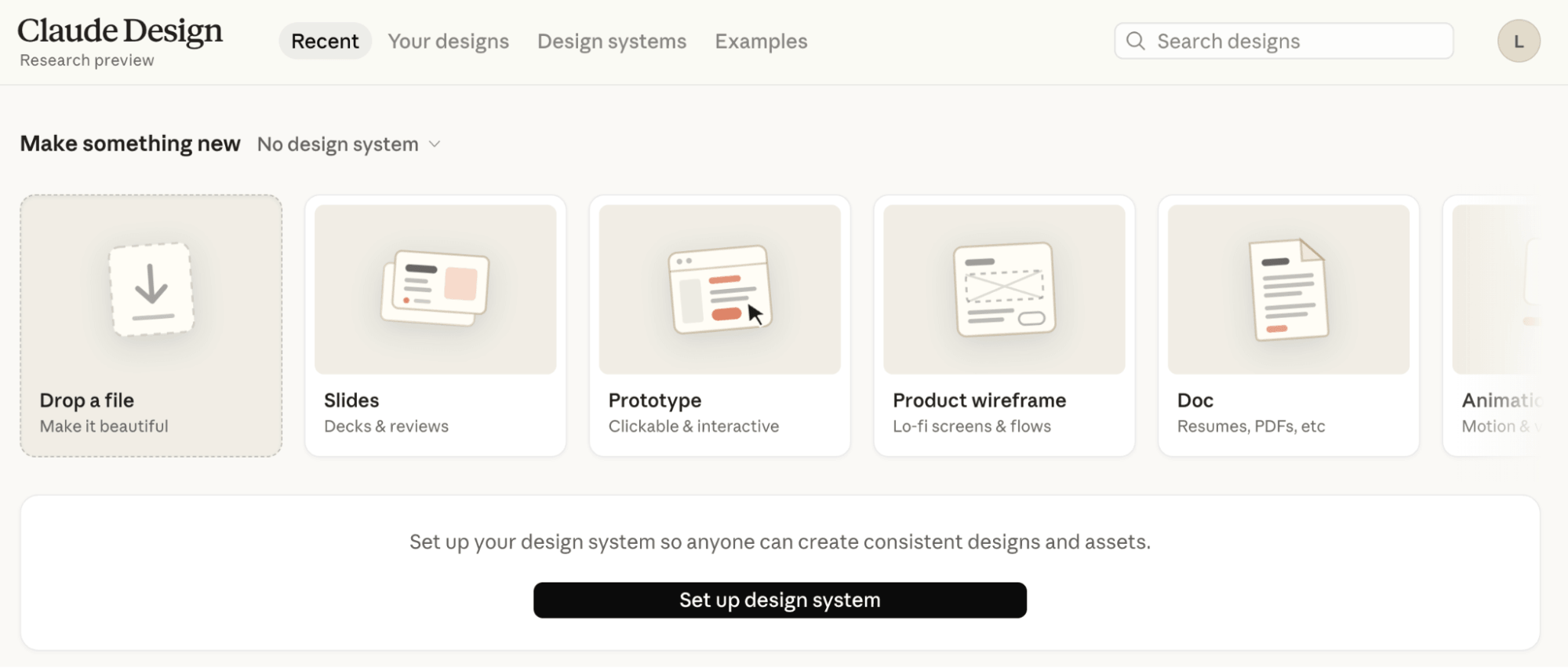
The "wow factor" is achieved through brand alignment. Using tools like WhatFont and ColorZilla, Polinger extracts the visual identity of the prospect. He then feeds these assets into Claude Design. The AI generates a comprehensive style guide, including UI/UX code snippets that mirror the prospect’s existing branding. This ensures that the prototype looks like an internal product rather than an external addition.
Phase 4: The Build and The Close
The final stage involves "vibe coding." By dropping his AI-generated style guide into a development environment like Claude Code or Replit, Polinger uses natural language prompts to build the functional widget. Within four hours of preparation, he has a working product.
When the meeting occurs, he doesn’t show a slide deck of "proposed ideas." He shows a functional, branded interface. The prospect sees their own brand live in a working tool, and the conversion happens almost instantly.
Supporting Data and Technical Efficiency
The effectiveness of this workflow is rooted in the current state of AI compute power. Previously, a team of developers and designers would have required days or weeks to create a high-fidelity prototype. Today, the "compute depth" of large language models allows a single operator to perform that same task in a fraction of the time.

According to Polinger’s internal metrics, the time investment for this level of preparation is consistently under four hours. This is not a speculative investment; it is a calculated bet. By investing four hours, he avoids the week-long back-and-forth of traditional proposal writing. The close rate increases because the risk to the client is essentially removed. When a client can touch, click, and interact with the solution during the first meeting, the "trust gap" is bridged.
Implications for the Marketing Industry
The broader implication for the digital marketing industry is clear: the era of the "generalist pitch" is coming to an end.
The Commoditization of Technical Skill
Because AI can now generate code, design systems, and market research, the value of a service provider has shifted from execution to curation. It is no longer enough to be the person who "knows how to build a widget." You must be the consultant who understands the market, the brand, and the business outcome so thoroughly that you can use AI to build the perfect tool for that specific prospect.
The Rise of the "AI Integrator"
This workflow creates a new category of professional: the AI Integrator. These are professionals who do not just sell services but deploy AI-driven solutions that scale. The barrier to entry for this role is no longer a computer science degree, but the ability to direct AI models with precision, curiosity, and high-level strategic thinking.
Increased Competitive Pressure
As more consultants adopt these AI workflows, the baseline expectation from clients will rise. A simple slide deck will no longer be considered a "professional proposal." Agencies that fail to incorporate these rapid-prototyping workflows will likely find themselves losing business to smaller, more agile competitors who can demonstrate value in real-time.
Conclusion: A New Standard for Sales
The $12,000 deal closed by Etan Polinger serves as a case study for the future of professional services. By automating the grunt work of research and design, he was able to spend his time on the most critical element of business: the human connection.
When the friction of the sales process is reduced to near zero through AI, the conversation changes. It stops being about "closing a deal" and starts being about "starting a partnership." For those willing to learn the workflows and master the prompts, this isn’t just a way to close more deals—it is a way to change the nature of the client relationship entirely, moving from a position of begging for work to a position of commanding it.