The ecommerce landscape is undergoing a profound transformation. As artificial intelligence evolves from a passive analytical tool into an active, decision-making participant, online merchants are racing to integrate "agentic" systems—AI that not only predicts trends but executes tasks autonomously. This week’s developments underscore a shift toward total operational integration, spanning from high-level logistics and supply chain consolidation to the granular automation of product discovery and customer service.
Whether it is the $1.4 billion acquisition of FedEx Supply Chain by the CMA CGM Group or the emergence of AI-native platforms like Pie and Lantern, the message to merchants is clear: the era of manual, disconnected workflows is rapidly drawing to a close.
Main Facts: The Shift Toward Autonomous Operations
The current wave of innovation focuses on three primary pillars: AI-driven discovery, omnichannel consolidation, and logistical infrastructure.
- AI Agent Proliferation: Companies like Text and Lantern are redefining how brands interact with customers and AI portals. By deploying AI agents that can manage multi-channel conversations (via WhatsApp, Shopify, and Webflow) and optimize how products appear in AI search results, merchants are moving toward a "set-and-forget" model for routine customer interactions.
- Operational Consolidation: Logistics is seeing a massive shift, exemplified by the CMA CGM Group’s acquisition of FedEx Supply Chain. This move aims to streamline global freight and warehousing, suggesting that the giants of the industry are betting heavily on integrated, end-to-end supply chain visibility.
- Democratization of Tech: Small and medium-sized enterprises (SMEs) are no longer relegated to the sidelines. Platforms like Hostinger and Pie are lowering the barrier to entry, allowing local businesses to leverage advanced AI for everything from booking management to turning raw product photos into complete checkout experiences without needing a full-blown website.
Chronology of Weekly Releases
The following timeline highlights the rapid-fire nature of this week’s industry announcements:
- Monday: CMA CGM Group announces its $1.4 billion acquisition of FedEx Supply Chain, signaling a major shift in North American logistics.
- Tuesday: Pie secures $19.5 million in Series A funding to bring AI-powered front-desk automation to local businesses.
- Wednesday: Moburst expands its influence by acquiring Hyperzon, creating a specialized powerhouse for Amazon-centric marketing.
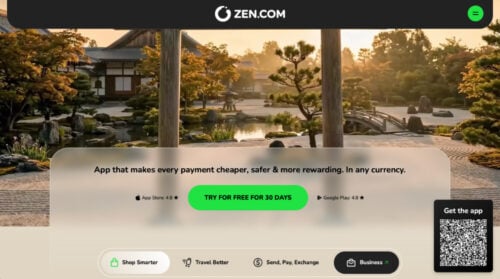
- Thursday: Zen.com rolls out Mastercard Click to Pay, addressing the growing consumer demand for friction-free, tokenized one-click checkouts across Europe and Singapore.
- Friday: Hostinger debuts its "Quick Links" platform, allowing sellers to bypass traditional web development and convert social-ready images into direct sales channels.
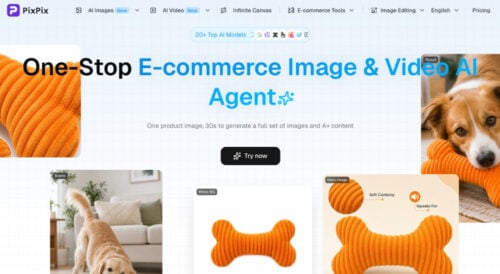
- Throughout the Week: A flurry of AI integrations were released, including X’s new Live Studio, PixPix’s support for Google’s Nano Banana 2 Lite, and Knowband’s suite of AI tools for PrestaShop.
Supporting Data and Strategic Partnerships
The current climate of ecommerce is defined by deep integration. No tool exists in a vacuum. For example, the partnership between Lightspeed Commerce and Klaviyo represents a strategic alignment between point-of-sale data and B2C marketing automation. By syncing sales data in real-time, merchants can now trigger highly personalized lifecycle flows—such as post-purchase re-engagement—without manual intervention.
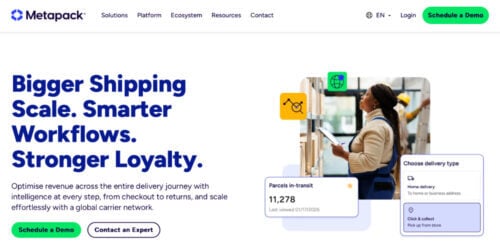
Similarly, the Metapack and OneStock collaboration addresses the "last mile" complexity. By linking inventory orchestration with a global carrier network, enterprise retailers gain a single-pane-of-glass view of their operations. This is corroborated by the recent expansion of WPP’s Enterprise Solutions, which utilizes partnerships with tech giants like Adobe, AWS, and Salesforce to build a cohesive data foundation for brands.

Furthermore, the data sector continues to mature. NielsenIQ’s acquisition of Flywheel’s China and Southeast Asia business provides a clear indicator of where the growth is: digital shelf services and social commerce intelligence are no longer optional—they are the bedrock of global market expansion.
Official Responses and Industry Sentiment
Industry leaders are framing these shifts as "liberating" for the merchant. Regarding the launch of the new Shopify app, a spokesperson for Text emphasized, "By combining LiveChat, ChatBot, and HelpDesk into a single dashboard powered by advanced AI, we are removing the friction of the ‘tab-switching’ tax that plagues modern support teams."
On the logistical front, the CMA CGM Group noted that the acquisition of FedEx Supply Chain is designed to "triple the operational capacity of CEVA Logistics," providing a more resilient framework for retailers who are tired of fragmented fulfillment services.
Meanwhile, in the AI-search space, Alli AI has taken a proactive stance on the "Black Box" nature of AI crawlers. Their new WordPress plugin, which pre-renders HTML for AI platforms like ChatGPT and Perplexity, reflects a growing industry concern: if your site isn’t readable by an AI agent, you essentially don’t exist in the new digital ecosystem.
Implications: The Future of the "Agentic" Merchant
As we analyze these developments, three core implications for the future of ecommerce emerge:
1. The Death of the Traditional "Storefront"
The emergence of tools like Hostinger’s checkout links suggests that the "website" as we know it is evolving into something more ephemeral. If a brand can turn a photo into a checkout link, the store becomes a portable asset rather than a static destination. Merchants must now consider how their products live in social streams, messaging apps, and AI chat interfaces.
2. The Rise of "AI Visibility"
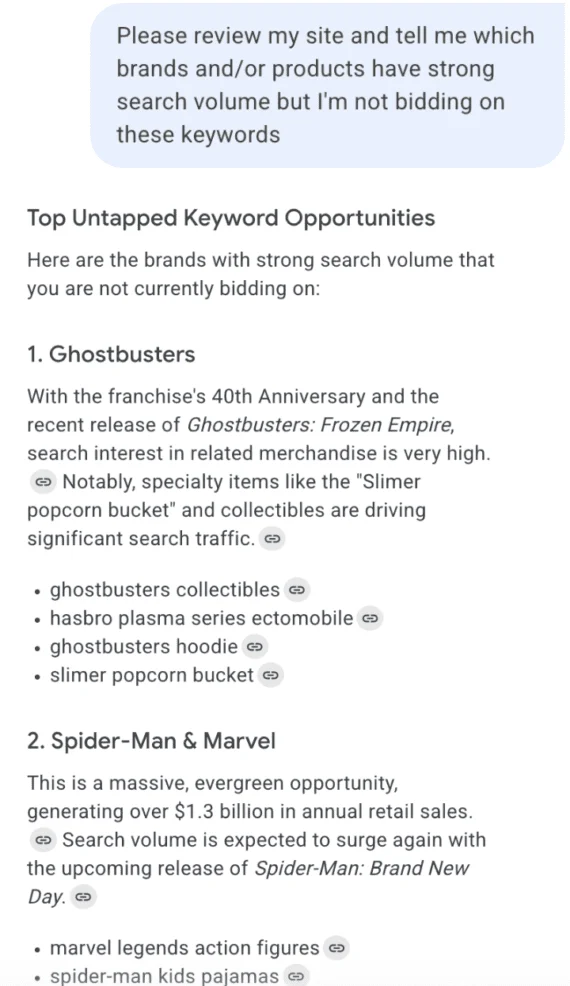
With the introduction of Lantern’s platform, a new job function is being created: AI Visibility Manager. It is no longer enough to rank on Google; brands must now optimize their catalogs to ensure that when a consumer asks an AI assistant for a product recommendation, the brand is in the consideration set. This is a shift from search engine optimization (SEO) to "AI discovery optimization."
3. Hyper-Automation of Routine Tasks
The proliferation of tools like Knowband’s AI Review Generator or Pie’s AI Front Desk indicates that "administrative drudgery" is being automated out of existence. Small businesses can now afford a 24/7 digital workforce that handles bookings, questions, and social proof. The implication for the labor market is significant: the value of human labor is shifting toward high-level strategy and creative oversight, while the "grunt work" of business operations is increasingly handled by agents.
4. The Consolidation of Marketing Power
The acquisition of Hyperzon by Moburst and the integration of marketing suites into platforms like Lightspeed show that merchants are tired of "best-of-breed" fragmentation. They want full-funnel suites. Brands are gravitating toward ecosystems that offer everything—from the point of sale and logistics to Amazon marketing and social media engagement—within a single, unified interface.
Conclusion: Adapting to the New Reality
The developments of this week serve as a microcosm of the broader ecommerce trajectory. We are moving away from an era where technology was a secondary support system to one where AI agents are the primary drivers of growth.
For the modern merchant, the challenge is no longer about "getting online"—the internet is already saturated. The challenge is about "getting optimized" for the era of AI. Those who adopt these agentic tools early, streamline their logistics through consolidated partnerships, and ensure their content is visible to both humans and AI models will be the ones to define the next decade of digital commerce.
As always, the pace of change is accelerating. For those looking to stay ahead, the mandate is simple: automate the repetitive, consolidate the fragmented, and ensure your brand is not just seen, but understood by the machines that increasingly guide the global consumer.