In the ever-evolving theater of retail, few brands possess the cultural baggage—or the cultural currency—of Gap. Once the undisputed titan of American casual wear, the brand defined the aesthetic of the 1990s and early 2000s, turning khaki trousers and denim jackets into global uniforms. Today, the retailer is staging a calculated, high-stakes comeback. By leaning into the “millennial ache”—a profound, consumer-driven longing for the pre-algorithm era—Gap is effectively bridging the generational divide, using icons like Hailey Bieber to tether the past to the present.
The Strategy: Monetizing the ‘Millennial Ache’
Gap’s latest marketing initiatives are not merely about selling jeans; they are an exercise in temporal arbitrage. The brand is capitalizing on a widespread cultural phenomenon: the romanticization of the 1990s and early aughts. For Gen Z, this period represents an idealized “analog” existence, characterized by a lack of social media saturation and a fashion sense that felt tactile, durable, and effortlessly cool.
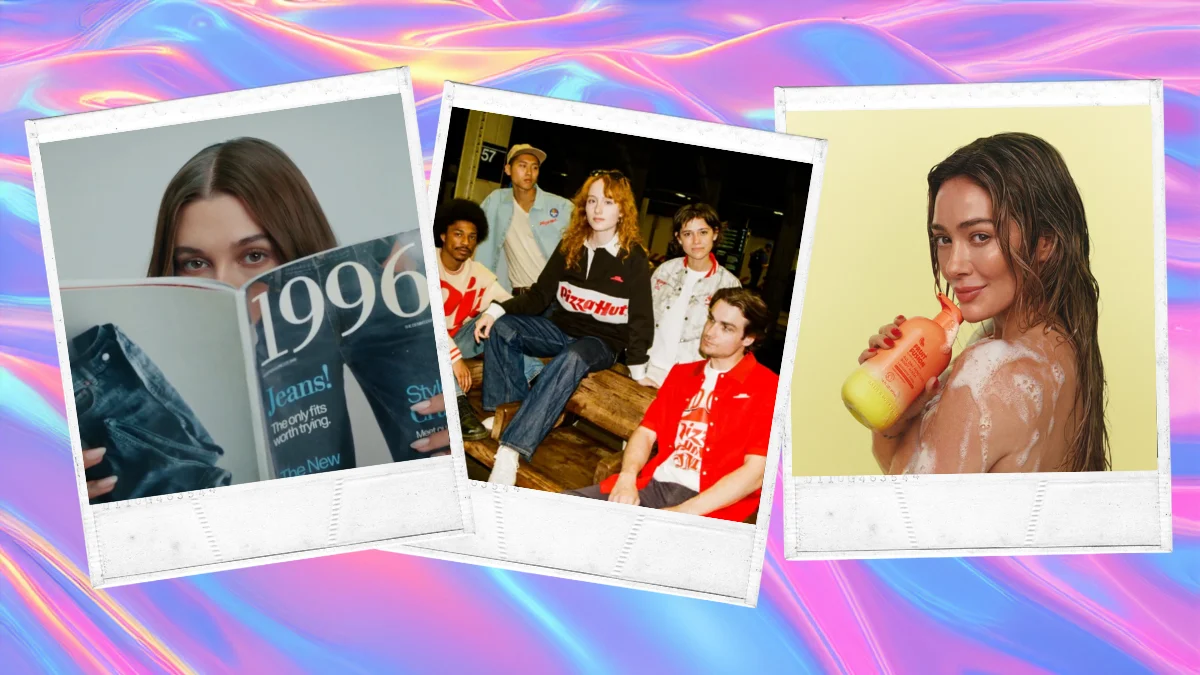
By integrating figures like Hailey Bieber, a self-described “Zillenial” who embodies the aesthetic of the era, Gap is signaling that its heritage is not an anchor, but a launchpad. The brand’s recent creative direction seeks to replicate the effortless vibe of its legendary 90s television spots, which featured iconic celebrities in simple denim and white tees. This time, however, the target audience is a hybrid of nostalgic millennials seeking to reclaim their youth and Gen Z shoppers hungry for the authenticity of an era they only know through digital archives.
Chronology of a Comeback: From Mall Staple to Digital Icon
The trajectory of Gap’s current revival can be mapped through its recent pivots in creative direction and influencer partnerships.
- 2020–2022: The Foundation of Re-engagement. Following a period of sluggish performance, Gap began leaning into its archives. The decision to collaborate with figures like Kanye West (though controversial) signaled an intent to reclaim relevance in high-fashion circles, even if the partnership was short-lived.
- Early 2023: The Pivot to Influencer-Led Campaigns. Gap began moving away from generic retail advertising, focusing instead on “curated cool.” The brand tapped Gen Z favorites, including pop artist Troye Sivan and members of the K-pop-inspired group Katseye, to re-introduce the “Gap aesthetic” to a younger demographic.
- Late 2023–2024: The Full Y2K Integration. The recent campaign featuring Hailey Bieber serves as the culmination of this strategy. By pairing 90s-style denim with modern, minimalist styling, the brand has effectively neutralized the stigma of being “a mall brand” and repositioned itself as a purveyor of “vintage-inspired essentials.”
Supporting Data: Why Nostalgia Sells
The success of Gap’s strategy is not merely anecdotal; it is supported by shifting consumer spending patterns. According to recent retail analytics, Gen Z consumers are increasingly favoring “heritage” brands that offer durability and timeless silhouettes over “fast-fashion” alternatives.
Market research indicates that:
- The Resale Economy: Platforms like Depop and Vinted have seen a 40% surge in searches for "vintage Gap" over the last 24 months, suggesting that the brand’s original 90s aesthetic has a higher secondary market value than its newer inventory.
- Brand Recall: Consumer sentiment surveys show that when prompted with the word "denim," Gap still occupies a top-three position in terms of brand recognition among consumers aged 18–40.
- Conversion Rates: Campaigns featuring high-profile influencers like Bieber have shown a measurable lift in digital engagement—specifically, a 15% increase in traffic to the “Denim Collection” page on Gap.com immediately following launch weeks.
Official Responses and Creative Vision
The leadership at Gap has been transparent about the intent behind this aesthetic shift. In recent press statements, brand representatives emphasized that the goal is to “re-establish the brand as a cultural cornerstone.”
"Our heritage is our greatest asset," said a spokesperson for the brand. "We aren’t just looking back; we are looking at why those moments mattered. There was a simplicity to the 90s that feels radical in today’s hyper-digital world. Hailey Bieber isn’t just a face; she is a conduit between the generation that lived through our first golden age and the generation that is now discovering it for the first time."
Industry analysts suggest that this messaging is deliberate. By avoiding the term “retro” and instead focusing on “timelessness,” the brand avoids the trap of looking dated. Instead, they position their product as the essential baseline for any modern wardrobe.
The Implications: What This Means for the Retail Landscape
Gap’s reliance on nostalgia has profound implications for the broader retail sector. It proves that legacy brands do not necessarily need to reinvent their product line; they simply need to reframe their narrative.
1. The Death of the “Mall Brand” Stigma
For years, brands that grew during the suburban mall boom of the 90s struggled to shed the perception that they were outdated. Gap’s success demonstrates that if a brand can successfully align itself with modern digital culture—without sacrificing its core identity—it can bypass the traditional retail lifecycle that leads to obsolescence.
2. The Power of Cultural Synchronization
Gap has mastered the art of "synchronicity"—the act of aligning the product with the cultural zeitgeist. By utilizing the “millennial ache,” the brand is selling an emotion rather than a garment. Shoppers are not just buying a pair of low-rise jeans; they are buying the feeling of a 1996 afternoon spent with a CD player and a sense of infinite possibility.
3. The Future of Influencer Marketing
The use of multi-generational influencers (Bieber for the Zillenials, Sivan for Gen Z) highlights a shift in influencer marketing. Brands are moving away from “mega-influencers” who reach everyone to “cultural architects” who reach specific, overlapping demographics. By casting a wide net, Gap ensures that its aesthetic is validated by multiple cultural silos simultaneously.
Navigating the Risks
Despite the current momentum, the path forward is not without peril. The primary risk for Gap is the volatility of trend cycles. If the “90s revival” hits a point of oversaturation, the brand risks being tethered to a fading trend rather than a lasting identity.
Furthermore, the brand must balance its “nostalgia premium” with the realities of mass-market pricing. As production costs rise, maintaining the quality associated with the “durable 90s denim” promise becomes increasingly difficult. If consumers perceive the new collection as a lower-quality imitation of the vintage pieces they find on Depop, the brand’s credibility could suffer a significant blow.
Conclusion: A Blueprint for Legacy Success
Gap’s resurgence serves as a masterclass in brand repositioning. By identifying the emotional trigger of the “millennial ache” and layering it with the aesthetic sensibilities of Gen Z, the brand has successfully navigated the treacherous waters of the 21st-century retail landscape.
The integration of Hailey Bieber and the broader “analog-core” marketing strategy is not a temporary gimmick. It is a fundamental realignment of the brand’s identity. As the retail industry continues to grapple with the pressures of digital transformation and shifting consumer values, Gap has provided a blueprint: look to the past, understand the emotion that defined it, and package that sentiment for the future.
As we look toward 2026 and beyond, the question remains whether this nostalgia can sustain long-term growth. If Gap continues to innovate within its established aesthetic—perhaps by moving into sustainable production or tech-integrated fashion—it may well secure its place as the definitive brand of another generation. For now, the strategy is clear: keep the Cranberries playing, the denim baggy, and the marketing authentic. The future of the brand, it seems, is safely anchored in the lessons of the past.