
The digital age has birthed a modern mythology: the image of the "laptop lifestyle," where an individual retreats to a beach, taps a few keys, and watches passive income stream into their bank account. On the flip side, a growing chorus of skeptics argues that the golden age of blogging is dead, insisting that anyone claiming to make a full-time income from their website is either a grifter selling a course or a relic of a bygone era.
As the digital landscape evolves, the truth remains obscured by the noise of marketing hype and cynical pessimism. After years of observation and direct experience in the industry, the reality is far more nuanced. Blogging is neither a guaranteed path to instant riches nor a futile exercise in vanity. It is a legitimate, albeit demanding, business model that requires the same rigor, strategy, and resilience as any traditional brick-and-mortar enterprise.
Main Facts: The Anatomy of a Profitable Blog
To understand the economics of blogging, one must first strip away the "get-rich-quick" veneer. Making money online is not a magic trick; it is the result of value exchange. A blog functions as a media property. When you provide content that solves problems, entertains, or informs, you build an audience. That audience—and the trust you cultivate with them—is your primary asset.
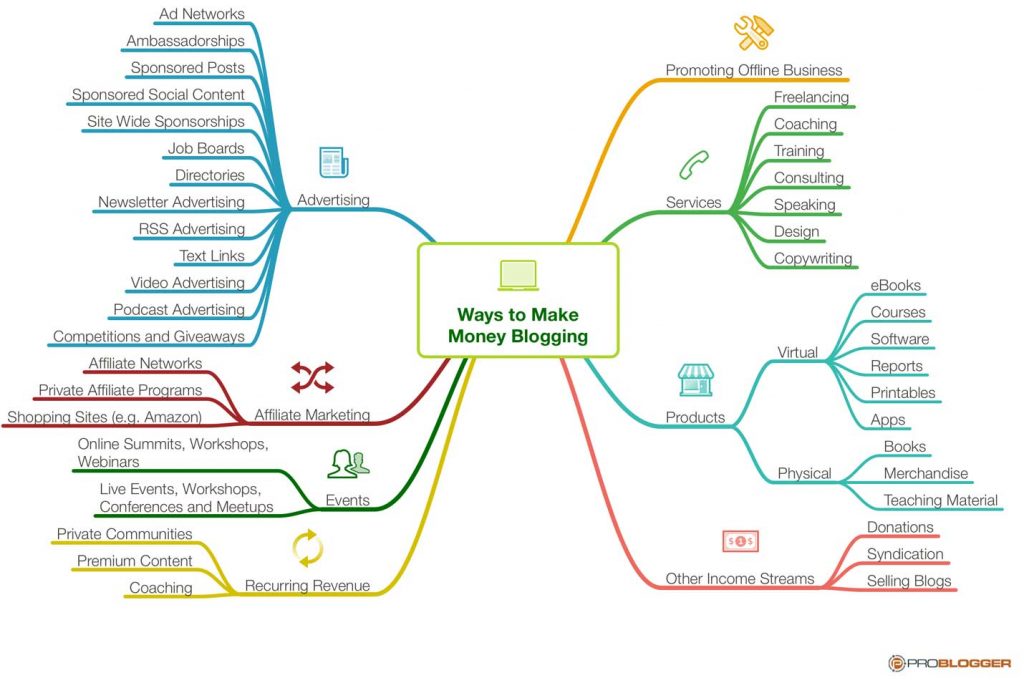
The fundamental fact remains: Yes, it is possible to make money blogging. However, the mechanism of that income is rarely a single "formula." Successful bloggers often operate at the intersection of several revenue streams:
- Advertising and Sponsorships: Selling display space or partnering with brands for native content.
- Affiliate Marketing: Earning commissions by recommending products you genuinely use and trust.
- Digital Products: Selling e-books, templates, or software.
- Membership Models: Creating gated, high-value content for a recurring fee.
- Service-Based Revenue: Leveraging a blog to build authority, which leads to speaking engagements, consulting contracts, or high-ticket coaching.
Crucially, the most profitable blogs often exist outside the "how to make money online" echo chamber. While there is a market for teaching others how to blog, the most sustainable income is often found in specialized niches—photography, woodworking, travel, or health and wellness—where the audience is passionate and the commercial opportunities are distinct.
Chronology: The Evolution of a Digital Career
Blogging is a game of compound interest. It rarely produces a "big bang" success; instead, it is a slow burn.
In the early 2000s, blogging was an experimental hobby. By the mid-2000s, early adopters discovered that the traffic generated by these digital diaries could be monetized through early ad networks. Today, the landscape is professionalized. The typical trajectory of a successful blogger usually follows a predictable, if grueling, timeline:

- The Incubation Phase (Years 0–1): This is the period of "crickets." You are writing into a void. The focus here is not on revenue, but on building a library of content, finding your voice, and understanding your audience’s pain points. Most aspiring bloggers quit during this phase.
- The Traction Phase (Years 1–2): Small revenue trickles in. Perhaps a few cents a day from ads or a modest commission from an affiliate link. This phase is characterized by experimentation. You learn what resonates with your readers and begin to refine your monetization strategy.
- The Growth Phase (Years 2–4): The "tipping point." With a consistent body of work and a growing email list, the blog begins to function as a business. Income starts to rival a part-time job.
- The Authority Phase (Year 4+): This is where long-term sustainability is achieved. Data shows that the vast majority of six-figure bloggers have been at their craft for at least four years. They have survived algorithm updates, market shifts, and burnout, emerging with a brand that has built deep trust.
Supporting Data: The Hard Truth of the Numbers
It is important to maintain perspective regarding the probability of success. Data collected from thousands of bloggers over the years consistently reveals a sobering distribution of earnings.
When surveying large cohorts of bloggers, we consistently find that those making a full-time living are in the minority. In typical industry surveys, a significant portion of those attempting to monetize (roughly 10–15%) report earning zero income. A staggering majority—often exceeding 60%—earn less than $3.50 per day.
These numbers, however, must be contextualized. Many participants in these surveys are hobbyists or early-stage bloggers who have not yet invested the time required to build a business. Conversely, among the top earners, the statistics are vastly different. A small, elite percentage of bloggers consistently generate over $10,000 per month. What separates this group from the rest? Longevity and action.
The data suggests a direct correlation between years in the business and income. Among the top-earning bracket, 85% have been active for four years or more. This is not a coincidence; it is the time required to build the SEO authority, audience trust, and product infrastructure necessary to scale.
Official Perspectives: Debunking the "Passive" Myth
One of the most persistent misconceptions in the blogging world is the concept of "passive income." Many marketing gurus pitch blogging as a way to work once and get paid forever. Professional, long-term bloggers tell a different story.
"I’ve worked harder on my business over the last decade than I’ve worked on anything in my life," says one veteran industry expert. While the work is often creative and rewarding, it is undeniably active. It involves:
- Content Creation: Consistent, high-quality output that provides genuine value.
- Community Management: Engaging with readers, responding to comments, and building a tribe.
- Technical Stewardship: Maintaining site speed, security, and adapting to ever-changing search engine requirements.
- Product Development: Creating assets that you own, rather than relying solely on third-party ad platforms.
The "passive" aspect only comes after years of building systems that run efficiently, but even then, the business requires constant vigilance. There is no such thing as a "set it and forget it" blog that maintains high earnings indefinitely.
Implications: Building a Sustainable Future
So, what does this mean for the person currently hovering over a "Publish" button?
The implications are twofold. First, the barrier to entry is non-existent, which is a blessing and a curse. Because anyone can start, the space is crowded. To succeed, one must move beyond "content for the sake of content." The market currently rewards depth, expertise, and utility. If your blog doesn’t solve a specific problem or serve a specific community, it will struggle to monetize.
Second, the shift from hobbyist to entrepreneur requires a change in mindset. You must be willing to:
- Stop searching for a "magic formula." There is no shortcut that replaces the need for high-quality, original work.
- Diversify your income. Do not rely solely on one revenue stream. A balanced business model—mixing advertising, products, and services—is more resilient to market volatility.
- Invest in your audience. Your email list is your most valuable asset. While social media algorithms change, a direct line of communication to your readers remains the bedrock of a professional blogging business.
The Verdict
Can you make money blogging? The answer is an unequivocal yes, provided you are willing to treat it as a long-term professional venture rather than a get-rich-quick scheme. It is a path of grit, creativity, and persistent effort.
The digital landscape is not closed to newcomers, but it is closed to those who are unwilling to do the work. The "blogging breakthrough" that many seek isn’t found in a hidden secret or a proprietary software—it is found in the daily, disciplined act of creating something that matters to someone else. Start today, stay the course, and understand that the most significant rewards in this industry are reserved for those who play the long game.