In an era defined by the relentless pace of digital connectivity and the algorithmic exhaustion of the social media landscape, a peculiar psychological phenomenon has taken hold of younger generations. Millennials and Gen Zers are increasingly grappling with "anemoia"—a profound, melancholic longing for a past they never personally experienced. As digital burnout reaches a fever pitch, this demographic is seeking solace in the tangible, the tactile, and the analog. From the scratch of a vinyl record to the deliberate pacing of a fountain pen, the resurgence of mid-century and Y2K-era aesthetics is not merely a trend; it is a cultural counter-movement.
Amidst this landscape of nostalgia, AMF—a titan of the American bowling industry—is executing a bold, strategic pivot. On Tuesday, July 21, the company officially unveiled a comprehensive brand revitalization, designed to transform its bowling alleys from relic-like entertainment centers into curated portals of retro-inspired social leisure. With a creative assist from the agency DoBad (The Department of Branding and Design), AMF is betting that the path to future relevance lies in the aesthetic of the past.
The Chronology of the Refresh: From Concept to Lane
The decision to overhaul the AMF brand did not happen in a vacuum. It was the culmination of eighteen months of internal audits, consumer sentiment analysis, and a recognition that the "bowling alley" archetype had grown stale in the minds of the digital-native consumer.
- Q1 2024: AMF leadership begins commissioning research into "experience-based" leisure, noting a significant uptick in visits from the 18–34 demographic who were attending for reasons beyond sport, such as atmospheric photography and social gathering.
- Q3 2024: The partnership with DoBad (The Department of Branding and Design) is formalized. The agency is tasked with identifying a visual language that balances the brand’s mid-century heritage with modern, "Instagrammable" sensibilities.
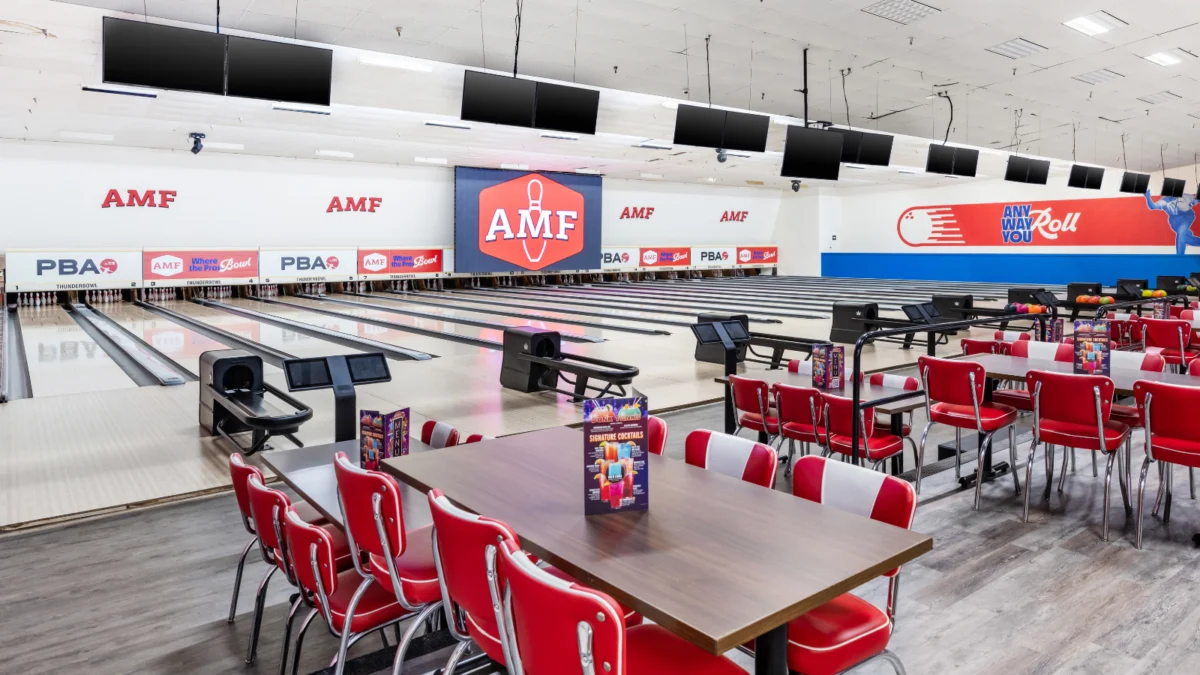
- Q1 2025: Pilot programs for the new design language are rolled out in select high-traffic urban locations. Feedback loops indicated that patrons responded positively to neon-accented, mid-century modern furniture and digitized, retro-styled scoreboards.
- July 21, 2026: The official launch. AMF rolls out a unified brand identity across its social channels, digital booking platforms, and physical locations. The rebranding includes a redesigned logo, a new slogan focused on "analog connection," and a total overhaul of the interior design language in flagship locations.
Supporting Data: The Economics of Anemoia
The pivot by AMF is supported by a wealth of data regarding changing consumer habits. According to recent market intelligence reports, the "Experience Economy" is currently outpacing traditional retail growth by nearly 15%. However, the nature of that experience has shifted.
The longing for the analog is quantifiable. Industry analysts have noted that vinyl record sales have consistently increased for the seventeenth consecutive year, while sales of vintage film cameras and instant-print hardware have seen a 22% year-over-year growth among Gen Z shoppers. This demographic, often referred to as "digital natives," is paradoxically the most likely to invest in offline hobbies.
For AMF, the data was even more specific. Internal surveys conducted by the brand revealed that 68% of customers under the age of 30 chose bowling venues based primarily on "aesthetic and atmosphere" rather than lane quality or league history. The brand’s previous identity, characterized by generic, utilitarian signage and corporate-style seating, was failing to capture the "third space" market—the need for a venue that serves as a social bridge between home and work.
Official Responses and Strategic Vision
In a statement released during the launch, the AMF executive team outlined the vision behind the DoBad collaboration. "We aren’t just selling lanes; we are selling a retreat from the algorithm," said a spokesperson for the brand. "The mid-century modern aesthetic offers a sense of stability and warmth that the modern, hyper-minimalist digital world lacks. We wanted to create a space that feels like a classic film set, where the stakes are low and the social engagement is high."
The creative directors at DoBad emphasized the importance of subtlety in this redesign. "It wasn’t about kitsch," they explained in a press briefing. "It was about intentionality. We looked at the golden age of bowling—the 1950s and 60s—and stripped away the clutter. We focused on typography, lighting, and the tactile nature of the ball and the pins. The brand now speaks to the user’s desire for an authentic, screen-free interaction."
The new slogan—“Find Your Rhythm, Lose the Signal”—serves as both a directive for the bowler and a manifesto for the brand. It positions the bowling alley as a sanctuary for those looking to unplug.
Implications: The Future of Branded Entertainment
The implications of AMF’s rebranding extend far beyond the bowling industry. As more brands attempt to monetize the "anemoia" phenomenon, we are witnessing a broader shift in how corporations approach physical space.
The "Third Space" Evolution
Modern consumers are increasingly fatigued by the performative nature of social media. Consequently, brands that provide "offline sanctuary" are seeing higher retention rates. AMF’s transition suggests that the future of physical retail and entertainment lies in creating spaces that are inherently "anti-digital." By removing the pressures of the internet and replacing them with a curated, retro atmosphere, AMF is effectively positioning itself as a mental health-adjacent utility—a place to go when you need to disconnect.
The Risks of Aesthetic Over-Correction
However, the strategy is not without its risks. Relying on nostalgia can be a double-edged sword. While it attracts a demographic eager for a "vibe," it can alienate the traditional, competitive bowling base if the functionality of the sport is compromised for the sake of interior design. Maintaining the balance between a "lifestyle lounge" and a "sports facility" will be the primary challenge for AMF in the coming fiscal years.
A Template for Legacy Brands
For other legacy brands—those that have struggled to maintain relevancy in the face of rapid technological disruption—the AMF model provides a potential roadmap. The strategy is clear:
- Identify the psychological void: Recognize the burnout inherent in the current digital climate.
- Lean into heritage: Find the era in your brand’s history that resonates with current design trends.
- Modernize the delivery: Use contemporary marketing and high-end design to package that nostalgia for a modern audience.
Conclusion: The Long Game of Nostalgia
As the dust settles on the AMF brand refresh, the industry will be watching closely to see if the "anemoia" strategy translates into long-term customer loyalty. The initial reception has been positive, particularly on social platforms where the new, photogenic interiors have already begun to generate significant organic engagement.
The success of this initiative will ultimately depend on whether AMF can maintain the authenticity of the experience. Nostalgia, if it feels manufactured or shallow, is easily spotted by younger demographics who are highly attuned to "corporate pandering." But if AMF succeeds in providing a space that feels genuinely timeless—a place where the noise of the world fades the moment you hear the sound of pins crashing—they will have successfully mastered the art of turning history into the future.
In the final analysis, the brand’s pivot is a testament to the fact that even in a world dominated by artificial intelligence and virtual reality, there is still an enduring, perhaps even desperate, human need for the sound of a bowling ball hitting the wood. By leaning into the past, AMF is not just preserving a legacy; they are carving out a new, essential niche in the modern cultural landscape. The lanes are open, the lights are dimmed, and for a generation tired of the feed, the analog experience may just be the most modern luxury of all.