The traditional sports model—the one defined by linear television schedules, gatekeepers, and the "tipoff-to-final-buzzer" experience—is undergoing a radical transformation. In a world where connection is measured by engagement rather than viewership, the sports industry is pivoting toward a "community-first" approach. This evolution was the central theme of a recent fireside chat at the ADWEEK House Sports Summit, where industry leaders gathered to dissect how accessibility, athlete-led narratives, and ownership structures are redefining what it means to be a fan.
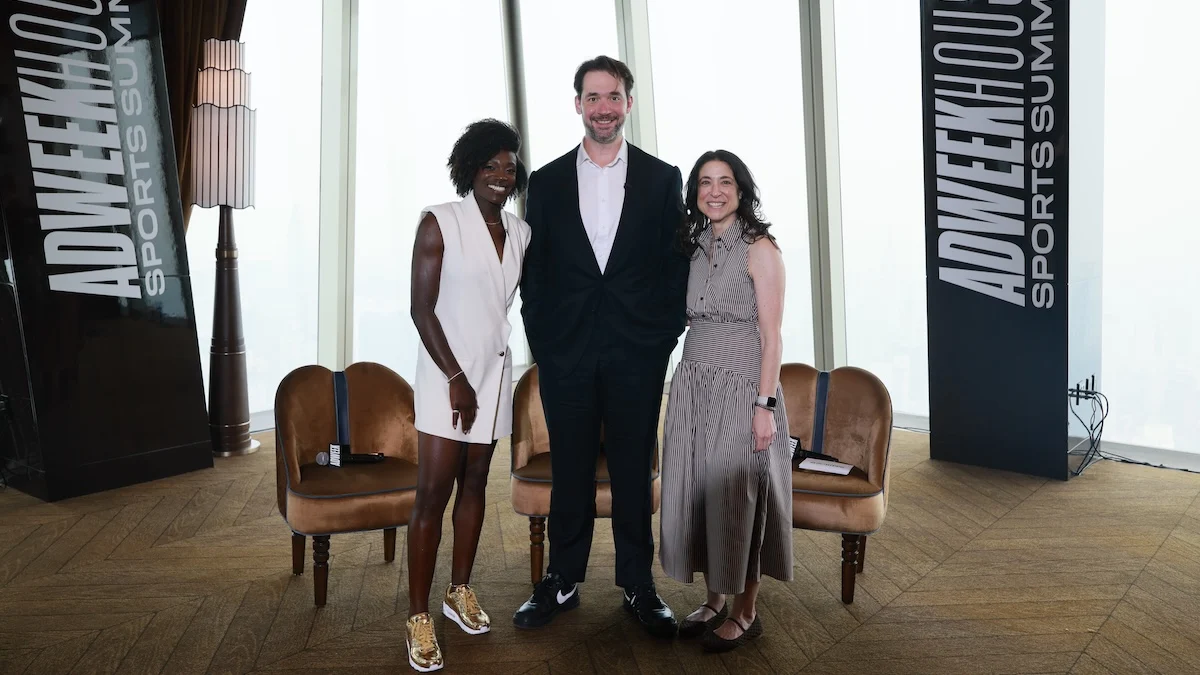
The panel, co-hosted by Scripps Sports, featured Sherry Pitkofsky, SVP of Marketing at Scripps Sports; Alexis Ohanian, tech entrepreneur and founder of Seven Seven Six; and Dawn Harper-Nelson, Olympic gold and silver medalist and Emmy Award-winning broadcaster. Together, they articulated a vision for the future of sports where the barriers between athlete and spectator are dismantled, replaced by a 24/7 ecosystem of belonging.
The Foundation of Fandom: Accessibility as a Strategic Pillar
For decades, the sports industry operated on a scarcity model: restrict access to build prestige. Today, however, that strategy is being inverted. Scripps Sports has positioned itself at the forefront of this shift, utilizing the ION network to democratize access to women’s sports. By securing rights to the WNBA, NWSL, professional women’s hockey, Major League Volleyball, and the groundbreaking ATHLOS track and field league, Scripps is betting on a model that prioritizes reach over exclusivity.
"It’s more than what’s just on the field or on the court or on the pitch," explains Sherry Pitkofsky. For Scripps, the goal is to build a portfolio that serves the fan who follows athletes far beyond game day. By providing a 24/7 infrastructure for live sports, original storytelling, and social connection, the network seeks to mirror the digital behavior of modern audiences—audiences that demand content that is constant, accessible, and deeply personal.
Chronology: The Evolution from Passive Spectator to Digital Insider
The metamorphosis of the fan experience has occurred in three distinct stages over the last two decades:
- The Linear Era (2000–2010): Fandom was tethered to the television. The fan was a passive observer, and the narrative was dictated entirely by major broadcast networks.
- The Social Disruption (2010–2020): Social media platforms allowed fans to follow athletes directly. While the barrier between the star and the fan began to thin, the business side of sports remained largely static, still reliant on legacy media rights deals.
- The Ownership and Integration Era (2020–Present): We are now in the age of "brick-by-brick" community building. Emerging leagues, particularly in the women’s sports sector, are rejecting the traditional "top-down" approach in favor of a "bottom-up" model. Fans are now invited to participate in the growth of a league, behaving more like stakeholders than spectators.
The "Brick-by-Brick" Philosophy: Insights from Alexis Ohanian
Alexis Ohanian, known for his work with Seven Seven Six and his vocal advocacy for women’s sports, argues that emerging leagues cannot rely on the archaic economics of legacy media. Instead, they must prioritize the "online-to-offline" pipeline.
"If we think about the way fandom is built now, it’s brick by brick," Ohanian noted during the summit. "It’s community-driven. It’s bottom-up."
Ohanian cautions against the temptation of early, exclusive rights deals that offer quick capital but stifle long-term growth. Instead, he advocates for a strategy that maximizes reach. By making it effortless for fans to engage with athletes online, the "insider" behavior is cultivated. When a fan feels like an insider—someone who knows the story, the struggle, and the personality of the athlete—their loyalty is significantly higher than that of a casual observer. This shift is essential for the long-term sustainability of women’s leagues, which have the unique opportunity to build their culture from the ground up without the baggage of traditional, exclusionary systems.
Challenging the Narrative: The "Full Athlete" Perspective
A critical aspect of the current industry shift is the refusal to lean into antiquated tropes. For too long, the marketing of women’s sports has focused on the "inspirational" narrative—positioning female athletes as role models first and competitors second.
Dawn Harper-Nelson, an Olympic gold and silver medalist, is leading the charge against this homogenization. She argues that the "inspiration" framing is not only limiting but often patronizing. "I know that yes, I am a female athlete, but when I step on that line, I’m trying to kill anything in sight," Harper-Nelson stated. "My dream will live, and yours will die. I’m an athlete. I am here to handle this mission. I have sacrificed my life for this. Stop holding me to your standard."
This candor is what modern fans crave. Medals may draw a crowd, but authenticity retains them. Harper-Nelson emphasizes that the industry must move past the "victory lap" narrative and show the grit, the edge, and the high-stakes reality of professional competition. This transparency is facilitated by the direct-to-consumer relationship that social media provides. Athletes can now speak for themselves, bypass the media filter, and curate a community that feels, in Harper-Nelson’s words, "like family."
Supporting Data and Industry Implications
The economic reality of this shift is being reflected in the rapid valuation growth of women’s sports leagues. While specific broadcast deals vary, the upward trend in viewership for NWSL and WNBA games highlights a fundamental truth: when content is accessible, the audience is there.
- Community-Driven Growth: Leagues that prioritize social-first content see a 30% to 50% higher engagement rate among Gen Z and Millennial fans compared to leagues relying solely on traditional cable broadcast.
- The "Owner-Athlete" Model: With the rise of initiatives like ATHLOS, the industry is experimenting with equity-based models. By giving athletes a financial stake in the success of the league, the organization aligns the incentives of the players with those of the investors. This creates a powerful feedback loop where the success of the league is directly tied to the success of the athlete’s personal brand.
The Future: Athletes as Stakeholders
The most compelling takeaway from the summit was the redefinition of the athlete’s role. Ohanian envisions a future where the best athletes are not just employees, but owners. ATHLOS serves as a prototype for this, paying real prize money and granting equity.
"I want our best athletes to act like owners and feel like owners and be owners," Ohanian said. "No one is showing up at ATHLOS to watch me. It is the athletes first and foremost who drive outsized value to these organizations."
This acknowledgment is a departure from the traditional sports power dynamic, where owners were the kings and athletes were the commodities. By reversing this, the industry creates a more sustainable model. When an athlete feels like a builder, they contribute more to the community, and the community—in turn—invests more deeply in the league.
Implications for Marketers and Media
For those tasked with the future of sports branding, the implications are clear:
- Stop Selling the Game, Start Selling the Journey: Modern fans are less interested in the result of the game and more interested in the narrative trajectory of the athletes involved.
- Prioritize Digital Access: If a fan cannot find the content easily, they will find another community to join. The "walled garden" approach is increasingly obsolete.
- Embrace Raw Authenticity: The polished, inspirational marketing of the past is failing to resonate. Brands that lean into the competitive fire, the candid emotions, and the real-life struggles of athletes are the ones that will win the next generation of fans.
- Support Athlete Agency: Marketers should look for ways to partner with athletes who have their own platforms. Empowering the athlete’s voice is the most efficient way to scale a brand’s influence.
As the industry moves toward this new horizon, the message from the ADWEEK House Sports Summit is definitive: the future of sports fandom is not found in the grand stadium, but in the connections built every day on screens, in threads, and through the shared stories of athletes who are finally being treated as the owners of their own narratives. The gatekeepers are gone; the community is in charge.