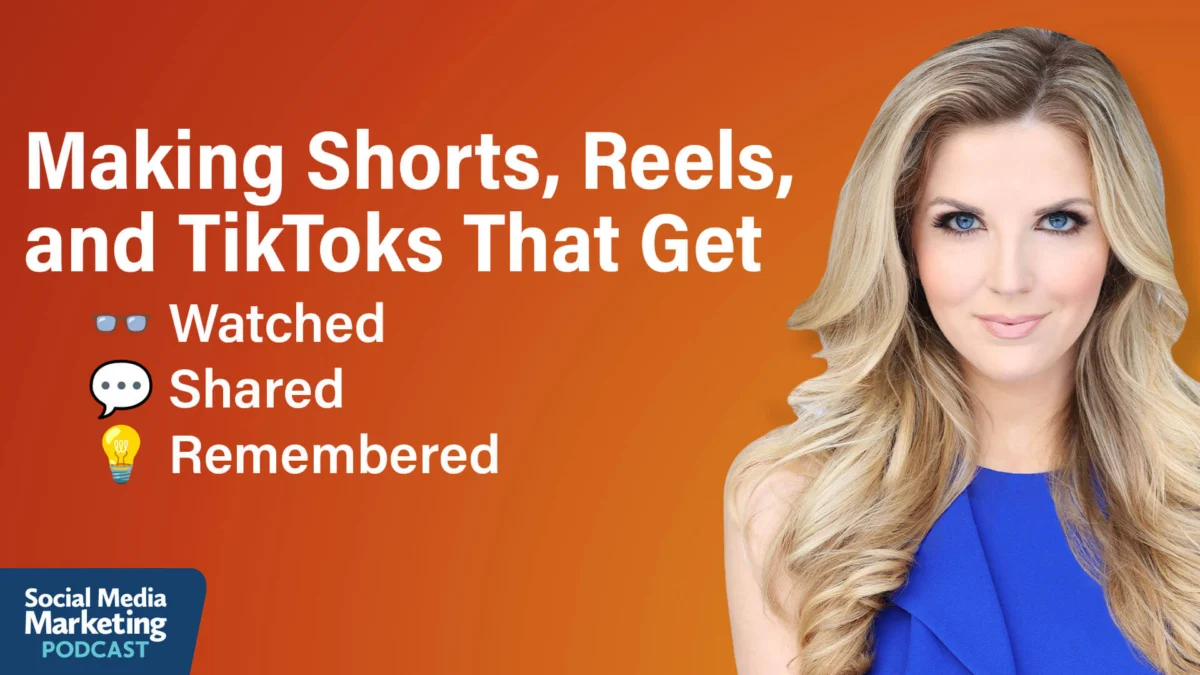
In the hyper-competitive landscape of modern digital marketing, the most precious commodity is not ad spend, influencer reach, or even platform-specific algorithm hacks. It is human attention. With the average consumer scrolling through hundreds of feet of content daily, creators are locked in a relentless battle to earn a mere fraction of a second of focus.
Do your videos stop the scroll, or do they vanish into the digital ether? The answer, according to content strategist Hilary Billings and expert insights from the Social Media Marketing podcast, lies not in chasing the latest trending audio, but in understanding the immutable psychological principles that dictate human behavior. By moving away from "algorithm-chasing" and toward "attention engineering," creators can build sustainable, high-performing video strategies that endure long after the latest trend fades.
The Paradigm Shift: Why Psychology Outperforms Algorithms
For years, the discourse surrounding short-form video has been dominated by technical obsession. Marketers focus on posting frequency, optimal video length, hashtags, and the ever-shifting preferences of platform algorithms. However, Hilary Billings argues that these technical tactics represent only the final 10 percent of a successful content strategy. The remaining 90 percent is rooted in the "science of attention."
Algorithms are designed to mirror human behavior, not dictate it. If a video performs well, it is because it has successfully triggered a psychological response in a human being. By mastering the fundamental human drivers of connection, reputation, and emotion, creators can build content that performs consistently across any platform—be it TikTok, Instagram Reels, or YouTube Shorts—rendering them immune to the volatility of platform updates. This "human-first" skill set is uniquely resistant to AI replication, providing marketers with a blueprint for long-term career longevity.
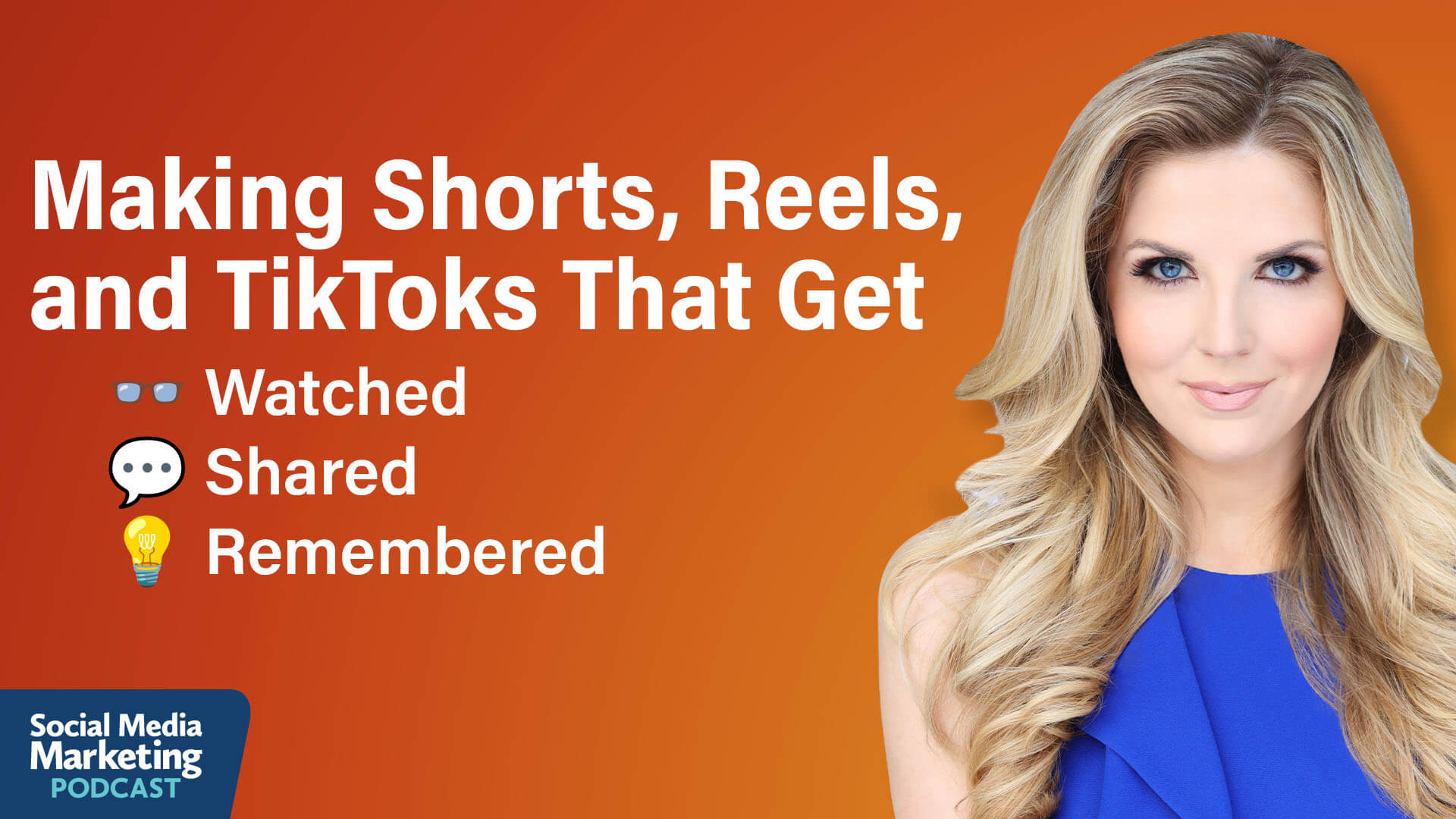
Chronology of the Discovery: Analyzing the Anatomy of Virality
To decode the secrets of viral success, Billings and her team undertook an extensive analytical study. They tracked thousands of high-performing videos, creating a granular spreadsheet that categorized every potential variable: from the exact hand gesture used at the three-second mark to the specific lighting conditions and wardrobe choices.
The findings were revealing. Factors once thought to be essential—such as the use of trending audio or participation in popular challenges—were found to be inconsistent predictors of success. Instead, the team identified a recurring framework of psychological triggers that were present in every viral hit. This discovery shifted the focus from "what" was being posted to "why" it compelled viewers to stop, watch, and ultimately engage.
The Three Pillars of Attention Engineering
The framework developed by Billings centers on three core pillars: Connection, Reputation, and Emotion. Each element serves as a psychological gatekeeper for the viewer.
1. The Two-Fold Foundation of Connection
Connection is the prerequisite for all engagement. In the current digital environment, viewers possess a high degree of "content sophistication." They have been trained to make a split-second judgment—often in under two seconds—about the value of a video.

This judgment is not logical; it is visceral. Viewers scan for facial cues, body language, energy, and, most importantly, alignment. If a creator is disconnected from their own content—meaning they are filming topics or adopting styles that do not reflect their true brand identity—viewers perceive this as inauthentic. Studies suggest that when a creator lacks this internal alignment, the audience is 25 to 40 percent less likely to engage or share the content.
2. Reputation: The Authenticity Formula
Authenticity is often cited as a buzzword, but Billings defines it as a functional component of brand reputation. To move beyond the vague advice to "just be yourself," she proposes the Authenticity Formula: Values × Voice.
- Brand Values: Research from the Brand Builders Group indicates that over 70 percent of consumers are willing to pay a premium for products from companies whose values align with their own. These values—such as sustainability, faith, community, or disruption—do not need to be explicitly stated in every video. Instead, they should be woven into the content through the choices the creator makes. For example, a creator valuing sustainability might show their upcycling process, allowing the audience to unconsciously associate those values with the brand.
- Brand Voice: Voice is the personality of the brand. If your brand were a person, would they be the edgy provocateur, the empathetic mentor, or the comedic best friend? When values and voice are combined, they create a "frequency" that attracts a specific, highly engaged audience.
By leaning into these factors, brands like Duolingo have achieved massive success. By prioritizing a consistent voice and clear values over aggressive, product-heavy promotion, they created a brand identity so strong that the audience naturally gravitated toward their core offering.
3. Emotion: The Engine of Spreadability
If connection and authenticity establish trust, emotion is what triggers action. Neurologically, this is because the amygdala—the brain’s emotional processing center—processes information approximately 80,000 times faster than the prefrontal cortex, the center of rational thought.

By the time a viewer begins to logically evaluate your content, they have already made an emotional decision to either keep watching or swipe away. As Billings notes, "When people get emotional, they get promotional." When a video sparks an emotional response, it triggers the release of neurochemicals that reinforce bonding and create an impulse to share.
Implications: The Case of Lighthouse Immersive
The effectiveness of this emotional framework was demonstrated in the turnaround of Lighthouse Immersive, an experiential art company. Despite having visually stunning exhibits, their social media presence felt "flat." They were focusing on the product (the art) rather than the human experience.
By shifting their content strategy to highlight the emotional moments—such as families sharing a poignant memory or a couple’s proposal within the exhibit—they successfully tapped into the human experience. The art remained the backdrop, but the story became the emotion. This pivot not only increased engagement but directly translated into higher foot traffic, as viewers who felt an emotional connection to the content were driven to experience that feeling in person.
Operationalizing the Science: A Strategic Framework
For creators and marketers looking to apply this science, the process begins before the camera starts rolling. Every piece of content should be subjected to a three-question litmus test:

- What is the specific emotion I want to evoke? (e.g., joy, curiosity, nostalgia, or urgency).
- How can I visualize this emotion in the first three seconds? (e.g., through facial expressions, fast-paced edits, or a provocative statement).
- Where can the viewer see their own experience reflected in this story?
Once the emotion is defined, it should inform every production decision—the pacing of the edit, the selection of background music, and the visual framing. By building a "mini-story" that allows the viewer to see themselves in the narrative, the creator bridges the gap between passive consumption and active participation.
Conclusion: The Future of Content Strategy
As the digital landscape continues to evolve, the distinction between successful creators and those who struggle will increasingly come down to this scientific approach to attention. While AI tools may assist in the generation of content, they cannot replicate the human-to-human connection, the genuine alignment of values, or the deep emotional resonance that characterizes truly "unskippable" video.
For marketers and entrepreneurs, the path forward is clear: stop treating your audience as metrics to be manipulated and start treating them as humans to be understood. By focusing on the fundamentals of connection, the operationalization of authenticity, and the engineering of emotion, you create a foundation for a brand that does not just compete for attention—it commands it.
As we move into an era of unprecedented content saturation, the ability to resonate on a psychological level will be the ultimate competitive advantage. Those who invest in these human fundamentals today will find themselves well-positioned for the shifting realities of tomorrow.