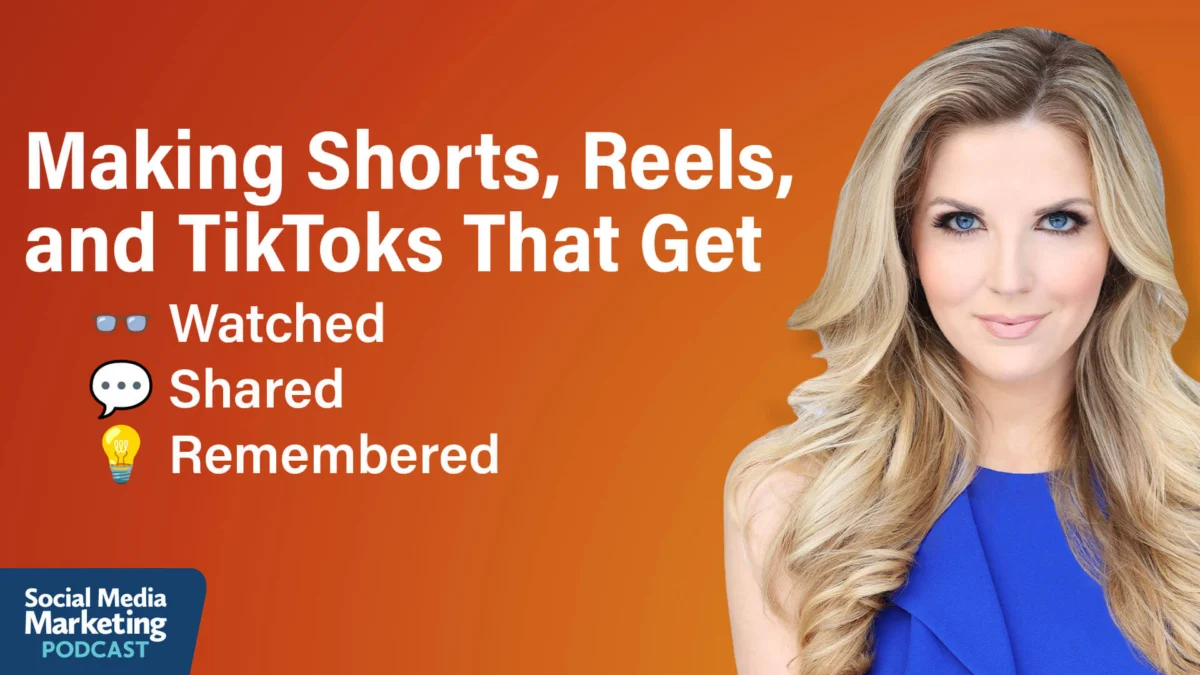
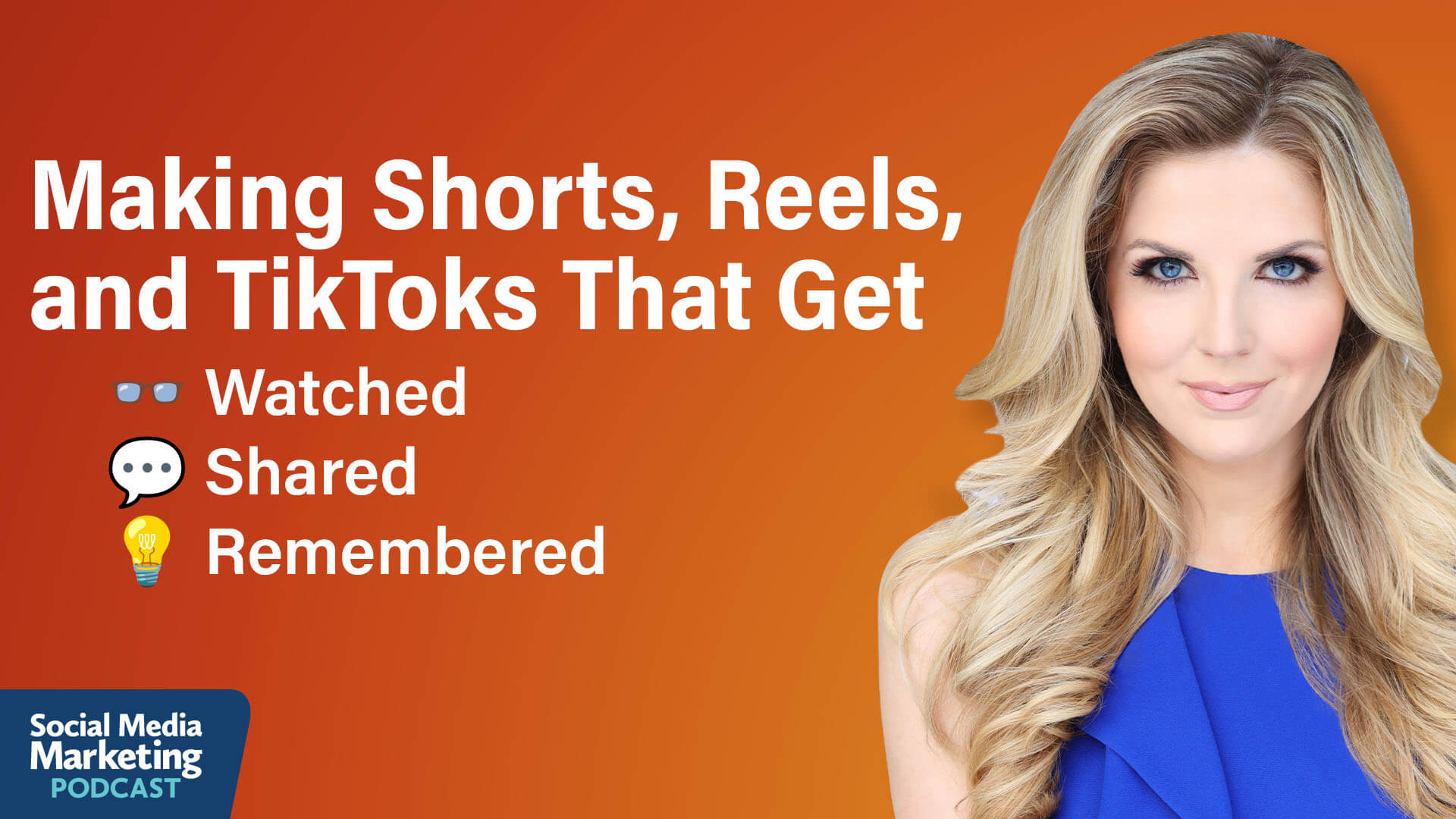
In the modern digital landscape, the battle for attention is won or lost in under two seconds. As social media platforms pivot toward short-form video, creators and marketers find themselves in a high-stakes race to stop the thumb. However, the most successful content isn’t being engineered by algorithms—it is being engineered by human psychology.
According to Hilary Billings, a preeminent content strategist and expert in the science of attention, obsessing over hashtags, trending audio, or algorithm updates is a strategic mistake. These factors, she argues, account for less than 10% of a video’s actual performance. The remaining 90% is rooted in timeless psychological fundamentals that trigger a viewer’s decision to watch, engage, and share.
The Paradigm Shift: Why Psychology Outperforms Algorithms
For years, the marketing narrative has been dominated by "hacking the algorithm." Creators have spent countless hours analyzing posting frequencies and chasing fleeting trends, only to see their engagement plummet when platform policies shift. Billings suggests that this approach is fundamentally flawed because it prioritizes the machine over the human.
The "Science of Attention" framework posits that because humans are biologically wired to respond to specific cues, content that aligns with these neurological triggers will perform well regardless of the platform. This skill set is uniquely human—a creative intuition that artificial intelligence has yet to replicate. By mastering these psychological principles, marketers can future-proof their content strategy against the volatility of tech giants.
Chronology of the Research: Decoding Virality
To identify what actually makes a video "sticky," Billings and her team conducted a massive data analysis, tracking thousands of viral videos. They meticulously categorized every variable, from the specific frame where a cut occurred to the color of the creator’s clothing, the cadence of their speech, and the presence of trending sounds.
The results were revealing: posting frequency and trending audio were inconsistent indicators of success. The only consistent predictors of performance were psychological and narrative frameworks. This research revealed that the first few seconds of a video serve as a cognitive filter; if the viewer doesn’t perceive an immediate, authentic connection, they will move on within the time it takes to swipe a finger across a screen.
Supporting Data: The Authenticity Formula
Authenticity is often cited as a buzzword, but in the context of the Science of Attention, it is a quantifiable metric. Billings defines this through the "Authenticity Formula": Values × Voice = Trust.
The Value Multiplier
Research from the Brand Builders Group reinforces this: over 70% of consumers are willing to pay a premium for products or services when the founder’s values align with their own. When a creator embeds their core values—such as sustainability, community, or disruption—into their content, they aren’t just sharing information; they are building a psychological bond.

However, the key is subtlety. Explicitly stating "our value is community" is less effective than demonstrating that value through action. A creator who values sustainability might feature the upcycling of clothing or the use of eco-friendly products. When done consistently, the audience absorbs these values unconsciously, fostering a deeper, more resilient connection.
The Voice Variable
Voice is the personality of the brand. If your brand were a person, would they be a witty provocateur, a supportive mentor, or an edgy disruptor? When voice is paired with values, it creates a specific frequency. While this might repel some viewers, it attracts those who are the "ideal" fit. This moves marketing away from a scarcity mindset—where the goal is to capture everyone—to a precision mindset, where the goal is to convert the right audience into loyal advocates.
The Amygdala Advantage: Engineering Emotion
If connection and authenticity establish trust, emotion is the engine that drives action. The biological reality of human decision-making is stark: the amygdala, the brain’s emotional processing center, operates 80,000 times faster than the prefrontal cortex, the seat of rational thought.
The Science of "Getting Promotional"
By the time a viewer logically evaluates whether they need a product, they have already made an emotional decision to engage—or not. Billings notes, "When people get emotional, they get promotional." This means that if a video does not trigger an emotional response within the first few seconds, it is effectively invisible to the viewer’s brain.

A case study of this principle is Lighthouse Immersive, an experiential art company. Initially, their social media content focused on the visual splendor of their exhibits. While the visuals were stunning, the videos felt cold and detached. After shifting the focus to the human experience—capturing the emotional reactions of grandparents and grandchildren or the intimacy of a proposal—engagement soared. The exhibit remained the backdrop, but the human story became the focal point, causing viewers to feel the emotion of the experience and, subsequently, visit in person.
Implications for Future Content Strategy
For marketers and creators, the implications of this framework are transformative. Success no longer requires being a slave to the "next big thing." Instead, it requires a rigorous, pre-production audit of every piece of content.
The Three-Question Pre-Flight Check
Before filming a single frame, creators should answer three core questions:
- What is the primary emotion I am triggering? (e.g., joy, curiosity, validation, or nostalgia).
- How does this align with my brand’s core values?
- Where can the audience see themselves in this story?
By building a mini-narrative around these questions, creators can engineer engagement. When a viewer sees their own experience reflected in a video, the impulse to comment, share, or save is no longer a choice—it is a natural neurological response.
Conclusion: The Long-Term Longevity of Human Creativity
As AI tools continue to flood social media with high-quality but often generic content, the premium on genuine, human-centric storytelling will only increase. The "Science of Attention" provides a blueprint for creators to navigate this shift.
By moving away from superficial metrics and focusing on the underlying psychological drivers of connection, authenticity, and emotion, creators can build brands that transcend the platform. In an era where attention is the most valuable currency, those who understand the human brain will always outperform those who only understand the algorithm.
About the Expert: Hilary Billings is a content strategist and the founder of Attentioneers, an agency dedicated to helping brands convert digital reach into measurable revenue. A former member of TikTok’s agency advisory board, she specializes in humanizing digital content. To learn more about her framework, visit Attentioneers.com.