By TechCrunch Editorial Staff
Updated: July 18, 2026, 12:30 PM PDT
Executive Summary: A City Briefly Halted
Waymo, the Alphabet-owned autonomous vehicle (AV) pioneer, has officially resumed its robotaxi operations in San Francisco following a brief, precautionary suspension. The pause, which occurred earlier today, was triggered by a significant power outage that impacted roughly 7,000 PG&E customers across the city. While the interruption was short-lived, it served as a stark reminder of the unique vulnerabilities facing autonomous transit networks in an urban environment increasingly reliant on complex, interconnected grid infrastructure.
The Chronology of the Disruption
The events unfolded during the midday hours of July 18, 2026. As the power outage began to cascade through neighborhoods in San Francisco, Waymo’s fleet management systems detected a potential degradation in the operational environment.
Around midday, local residents and prospective riders began reporting service notifications via the Waymo application. A screenshot circulated on social media platforms, notably by user @ethanmckanna, indicated that Waymo had notified users that service was "temporarily paused" and that "freeway routes are unavailable."
The company’s internal monitoring systems identified the localized blackout as a potential risk to the seamless operation of their sensor suites and the stability of the vehicle-to-infrastructure communication channels. By approximately 1:00 PM, Waymo confirmed that they had effectively paused the fleet for roughly one hour. This window allowed the operations team to assess the scale of the power loss, communicate with local municipal authorities, and ensure that the vehicles currently in transit could be safely navigated to designated staging areas or completed their trips without incident.
Supporting Data: The Infrastructure-Autonomous Link
The relationship between the stability of the municipal power grid and the functionality of autonomous fleets is becoming a focal point of urban planning. When a city loses power, it isn’t just traffic lights that go dark; it is the entire ecosystem of smart traffic management, cellular data connectivity, and localized edge computing that supports the Waymo Driver.
The current outage, which affected 7,000 households and businesses, serves as a test case for how these systems handle "brownout" conditions. Unlike a traditional human-operated vehicle, which requires only fuel and visual navigation, a Waymo vehicle relies on a constant stream of data—including high-definition maps, real-time traffic updates, and connectivity to cloud-based oversight teams.
This is not the first time Waymo has faced such challenges. In December 2025, the company was forced to suspend operations after a series of vehicles stalled on city streets during a widespread blackout, leading to significant traffic congestion. Similarly, during the Fourth of July celebrations, a surge in network traffic and grid instability led to an incident near the Golden Gate Bridge, where several vehicles were caught in a gridlock. These incidents underscore the sensitivity of current Level 4 autonomous systems to environmental and infrastructural volatility.
Official Responses: Navigating Transparency and Safety
In the wake of today’s resumption, Waymo has adopted a posture of cautious transparency. A company spokesperson released a statement shortly after the service was restored:
"We are making temporary adjustments to our service while we monitor local conditions. We know riders depend on us, and we will return to normal operations as soon as possible."
Following the initial confusion, the company provided further clarity regarding the logic behind their decision-making:

"We decided to pause service for approximately one hour to assess the scale of the power outage affecting a large portion of San Francisco and to coordinate with local officials. Public safety and operational integrity remain our top priorities during any unplanned infrastructure event."
The swiftness of the resumption suggests that Waymo’s internal protocols for dealing with power outages have become more refined over the last year. Rather than allowing the fleet to navigate into potentially compromised zones, the "pre-emptive pause" strategy appears to be the new standard for the company’s risk management division.
Implications: The Growing Political Pressure
While Waymo’s response was relatively orderly, the event has reignited a heated debate at City Hall. San Francisco Mayor Daniel Lurie has been increasingly vocal about the need for tighter oversight of autonomous vehicle companies.
The mayor’s office has recently pushed for more robust state-level regulations. In a formal statement earlier this week, prior to today’s outage, Mayor Lurie argued that existing frameworks fail to "adequately address how autonomous vehicles operate during major incidents, planned or not."
The political implications for Waymo are significant. The company, which has been a flagship of California’s technology sector, is now facing a regulatory environment that is no longer satisfied with "industry-standard" safety protocols. Instead, city officials are demanding:
- Direct Communication Protocols: Requirements for AV companies to provide real-time status updates to the San Francisco Municipal Transportation Agency (SFMTA) during emergencies.
- Hardened Infrastructure Requirements: A review of how AV fleets interact with compromised traffic signaling systems.
- Public Accountability: Increased transparency regarding how many vehicles are "trapped" or "stalled" during infrastructure failures, rather than just relying on internal company assessments.
The Future of Urban Autonomous Transit
As we look toward the remainder of 2026, the intersection of autonomous technology and climate-stressed infrastructure will likely become a primary battlefield for tech policy. Critics argue that until AVs can navigate a "dark city" as effectively as a human driver—who can rely on hand signals and basic spatial awareness—they are not yet ready for mass deployment in complex, high-density environments.
Proponents, however, note that Waymo’s ability to "pause" and monitor the situation represents a higher standard of safety than human-driven traffic, where panic and confusion often lead to accidents during blackouts. By taking the vehicles off the road, Waymo effectively reduced the potential for traffic-related casualties during a time when city services were already stretched thin.
The next few months will be critical for the company. As the state legislature reviews potential amendments to the California Public Utilities Commission (CPUC) regulations regarding robotaxi operations, Waymo will need to demonstrate that its "temporary adjustments" are not just reactive, but part of a sophisticated, proactive safety framework.
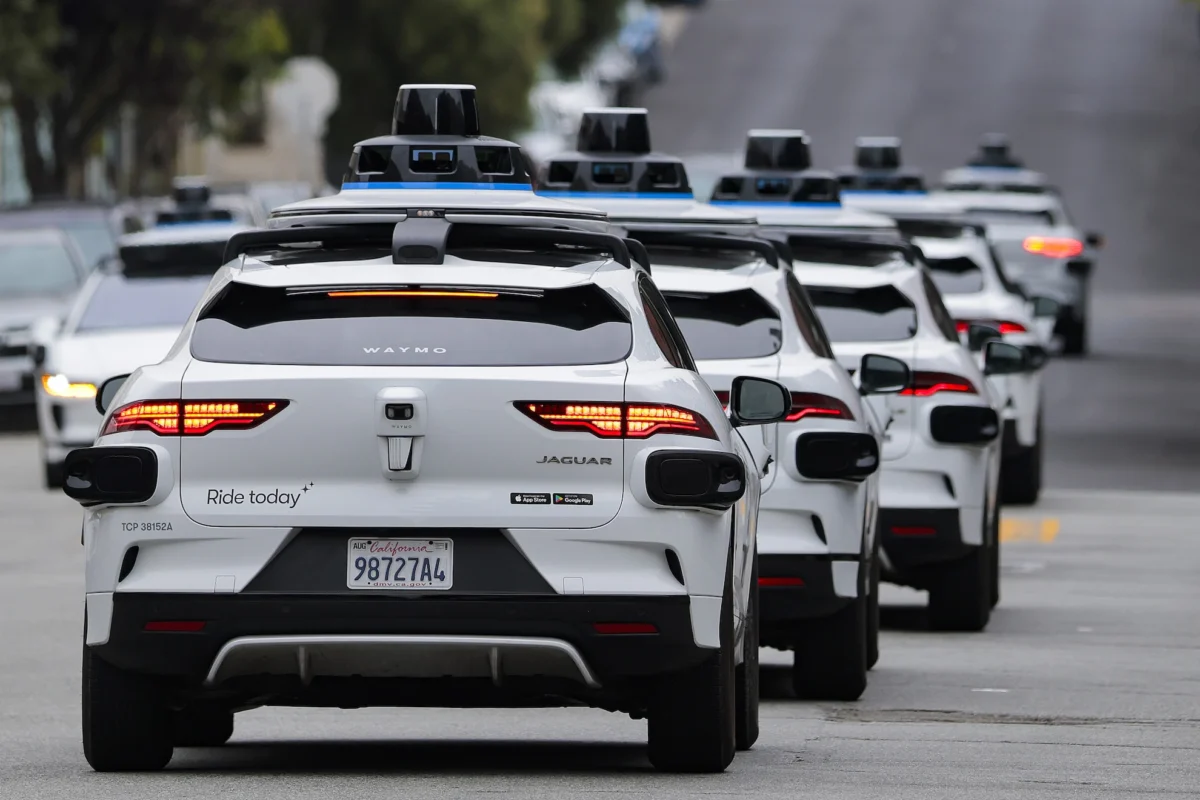
For now, San Francisco’s streets are once again filled with the white, sensor-laden Jaguars of the Waymo fleet. But the city is watching, the mayor is waiting, and the next power outage will surely serve as another litmus test for the viability of the autonomous future.
This report is part of TechCrunch’s ongoing coverage of autonomous systems and urban infrastructure. For further updates on this developing story and to track the progress of San Francisco’s transportation policy, subscribe to our daily newsletter.