In the digital landscape, where the average human attention span is reportedly shorter than that of a goldfish, the battle for a reader’s focus is fought—and often lost—in the first few seconds. While a compelling headline is the gatekeeper that lures a reader to your page, the opening paragraph is the bridge that leads them into the heart of your content. If that bridge is poorly constructed, the reader turns back. If it is masterfully crafted, they cross over, fully engaged.
Professional content creators and copywriters have long understood that the opening line is the most vital real estate in any piece of writing. It is the moment where trust is built, curiosity is piqued, and a promise is made. Whether you are drafting a technical white paper, a lifestyle blog post, or a persuasive marketing email, the principles of engagement remain universal.
The Anatomy of Engagement: Why First Impressions Rule
The psychology of a reader is predictable: they arrive at a page with a subconscious checklist. They are looking for relevance, utility, and intrigue. If an opening fails to address these needs within the first two or three sentences, the "bounce rate"—the metric that tracks users who leave after viewing only one page—spikes.
The significance of the opening line is not merely about aesthetic flow; it is a tactical necessity. As noted by industry experts, while a headline serves as the "promise," the opening line is the "proof of concept." It must validate the reader’s decision to click.
11 Proven Strategies to Hook Your Audience
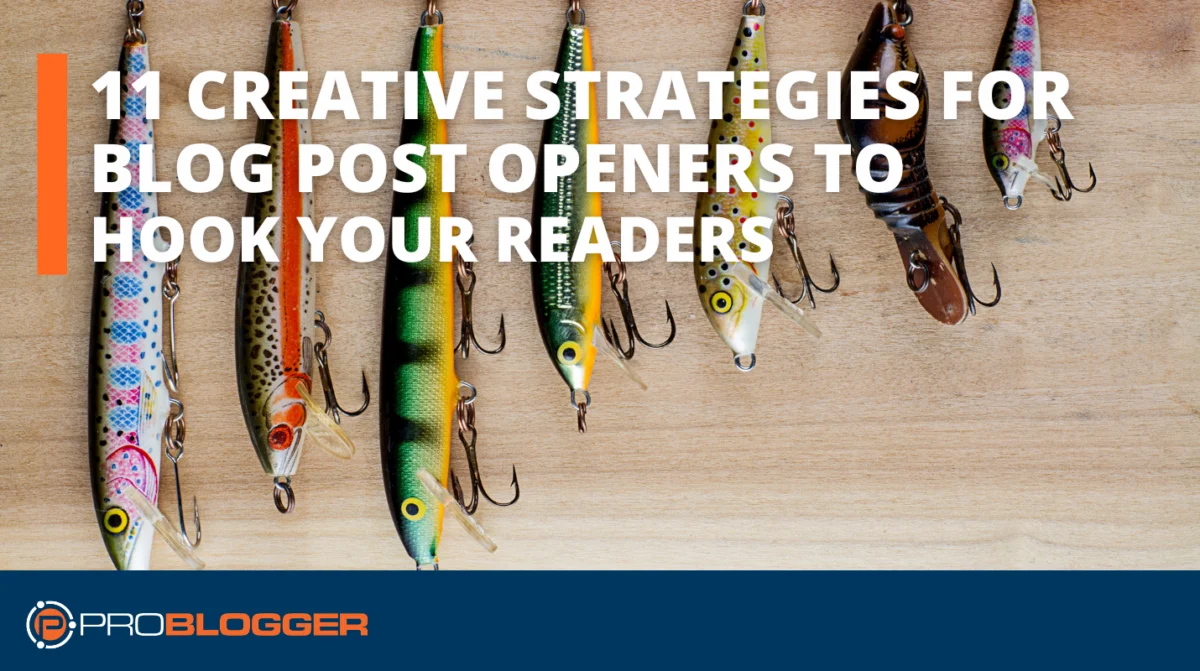
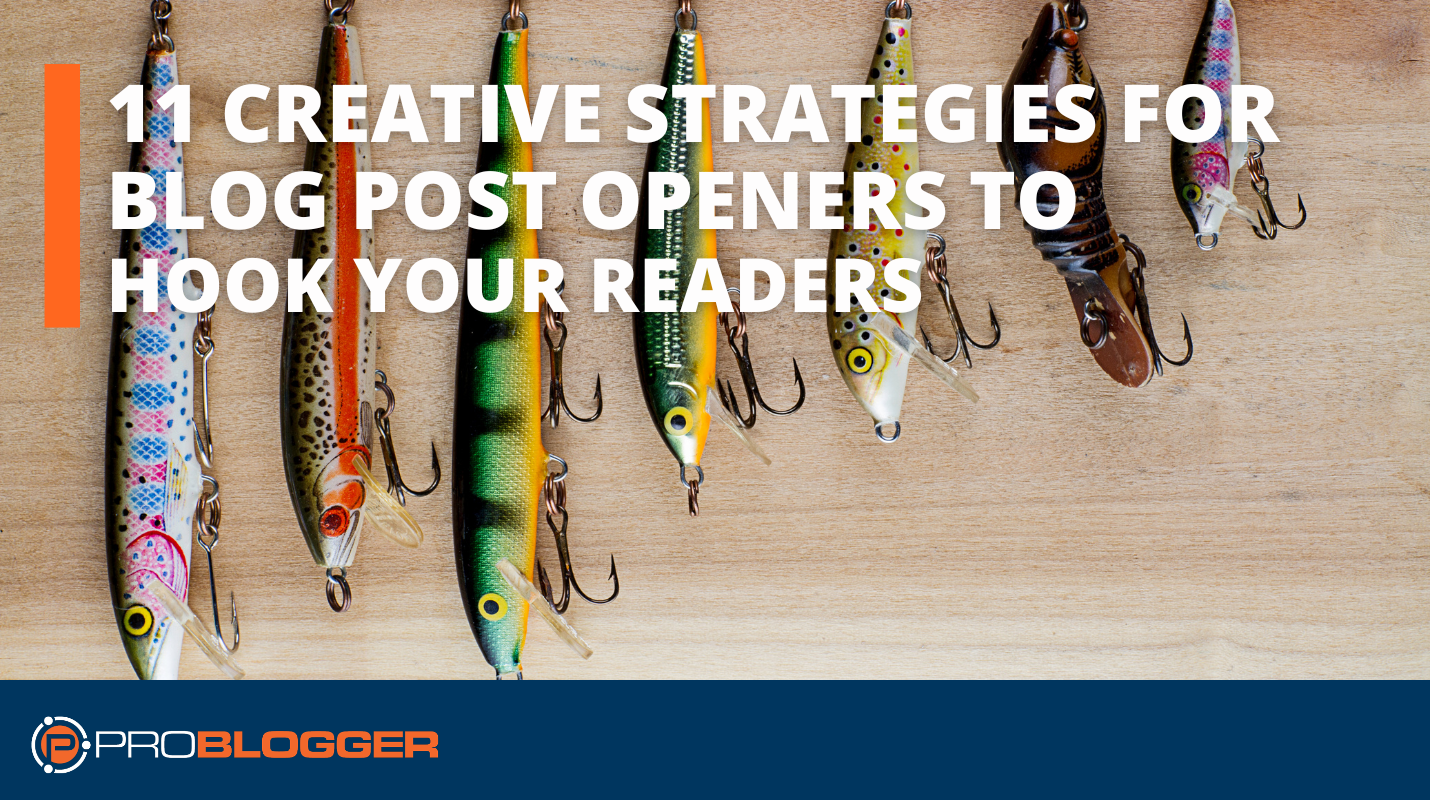
To move beyond the generic "Today I’d like to talk about…" intro, writers must employ specific psychological triggers. Here are 11 strategies, refined through years of digital media analysis, to ensure your readers stay for the long haul.
1. Identify and Mirror the Reader’s Need
The most effective way to gain a reader’s loyalty is to demonstrate that you understand their struggle. By identifying a specific pain point—such as, "Are you tired of spending hours on social media with zero return on investment?"—you position yourself as an ally. The reader feels seen, and they are significantly more likely to read on to find the solution you’ve promised.
2. The Power of the "Yes" Question
Copywriters have utilized the "Yes-Ladder" for decades. By posing a question that is objectively easy for the reader to agree with, you create a psychological momentum. When a reader says "yes" internally, they have subconsciously committed to the narrative you are building. It creates a state of receptivity that is essential for persuasive writing.
3. Posing the Intriguing Paradox
Human beings are wired to seek closure to unresolved puzzles. Starting with a counterintuitive fact or an intriguing question creates a "curiosity gap." When you present information that defies common sense, the reader is compelled to keep scrolling to reconcile the inconsistency.
4. The "Pattern Interrupt" via Personal Anecdote
In a sea of standardized, professional content, a personal story acts as a "pattern interrupt." When you break the rhythm of a standard article with a vulnerable or unexpected anecdote, you shift the reader’s engagement from passive scanning to active listening. A touch of humanity humanizes your brand and fosters a deeper connection.
5. Utilizing Analogies and Storytelling
Complex topics often lead to "eyes-glazed-over" syndrome. To combat this, use an analogy in your opening. By comparing an abstract concept to a familiar, tangible scenario, you lower the barrier to entry for the reader. Stories serve the same purpose; they provide a narrative framework that makes data-heavy information digestible and memorable.
6. Making a Bold, Audacious Claim
In an era of tepid content, a strong, decisive stance is a powerful attractor. Whether it is a bold prediction or a promise of a specific outcome, a strong claim signals authority. However, this comes with a caveat: the content that follows must deliver. An audacious hook followed by thin content is the fastest way to lose credibility.
7. Stirring Strategic Controversy
Controversy is an attention magnet. By taking a firm stand on a debated topic within your industry, you immediately segment your audience—and those who care enough to read your argument are likely to be highly engaged. This should be used sparingly, as the goal is to provoke thought, not to alienate your core community.
8. Painting a Vivid, Sensory Picture
Abstract concepts rarely move people to action; imagery does. By using descriptive, sensory language, you can transport the reader into a specific scenario. When you ask a reader to visualize a success—or a failure—you tap into their emotional core, making the subsequent advice feel more urgent and necessary.
9. Leveraging Hard-Hitting Statistics
Data is the ultimate authority. Starting a post with a startling statistic—such as, "80% of new businesses fail within the first two years"—instantly creates stakes. It provides an objective reason for the reader to prioritize your content, as the data implies that there is a problem that requires an expert perspective to solve.
10. The Authority of the Quote
A well-chosen quote from a respected figure provides immediate social proof. It aligns your argument with established wisdom and sets a tone of intellectual rigor. The key is to avoid clichés; choose quotes that challenge the reader or offer a fresh perspective on the topic at hand.
11. Leading with Visual Impact
We live in a visual-first culture. A high-quality, relevant image at the top of a post can serve as the "hook" before a single word is read. Data consistently shows that articles with strong, thematic hero images enjoy higher engagement rates than text-only counterparts, as they set the emotional context of the article before the reader processes the text.
Chronology and Evolution of the Hook
Historically, the "hook" was the domain of tabloid journalism and print magazines, designed to sell copies on newsstands. Today, the hook has evolved into a necessity for search engine optimization (SEO) and user experience (UX).
In the early 2000s, blogging was conversational, often prioritizing personal narrative. As content became professionalized, the "hook" became more formulaic, focusing on keyword placement. Today, we are seeing a shift back toward high-quality, human-centric storytelling, as AI-generated content makes generic, "hook-less" writing feel increasingly hollow. The modern hook must now balance technical SEO requirements with a genuine, authentic voice that AI struggles to replicate.
Supporting Data: Why It Matters
Metrics from various marketing platforms indicate that the first 50 words of a blog post are the most critical. Studies have shown that users spend roughly 10 to 20 seconds on a page before deciding whether to stay or leave. During this window, the reader is evaluating the "value-to-time" ratio. If the opening lines don’t promise a clear return on the time invested, the reader leaves. Conversely, posts that utilize a strong hook see a 30-40% increase in "time on page" metrics, which in turn signals to search engines that the content is valuable, boosting rankings.
Official Perspectives: The Expert View
Content strategists emphasize that the opening should never be an "apology" or a "warm-up." Many writers fall into the trap of writing a paragraph of fluff before getting to the point. Professionals advise "starting in the middle of the action." By removing the preamble, you respect the reader’s time.
Furthermore, editorial boards suggest that the opening should function as a "map." It should tell the reader exactly what to expect. If the reader cannot determine the scope of the post by the end of the first paragraph, the likelihood of them finishing the piece drops significantly.
Implications for Future Content Strategy
The implication for writers is clear: the era of the slow, meandering introduction is over. To compete in the modern attention economy, writers must prioritize precision and emotional intelligence.
The future of blogging lies in the marriage of data-driven insights and masterful narrative. By mastering these 11 strategies, you aren’t just writing an introduction; you are engineering an experience. When you treat the opening line as the most valuable asset in your digital toolkit, you transform your blog from a passive repository of information into an active, engaging destination that captures—and keeps—your audience’s attention.
As you look to your next post, ask yourself: If I were the reader, would I stop scrolling? If the answer is no, refine your hook. Your readers are waiting for a reason to stay; give them one.