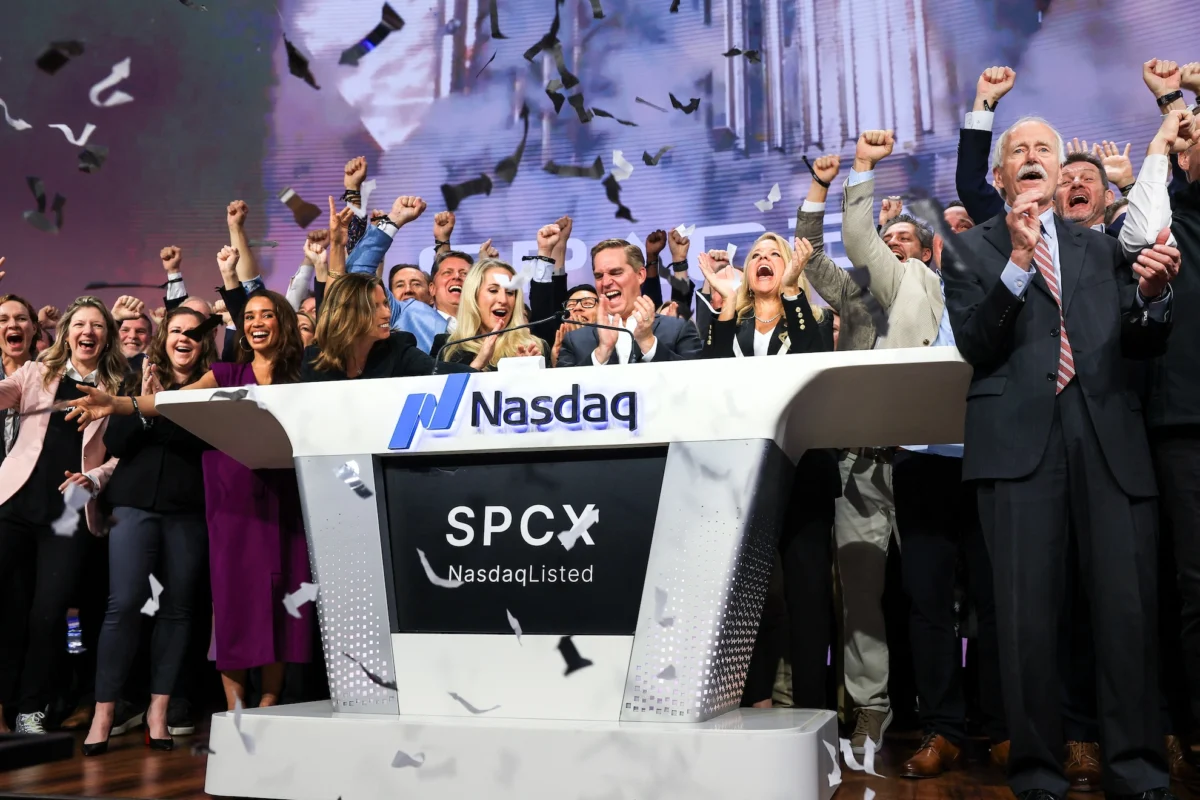
The global financial landscape reached an unprecedented milestone this week as SpaceX, the aerospace giant helmed by Elon Musk, executed the largest initial public offering (IPO) in history. With shares priced at $135, the debut not only flooded the public markets with massive capital inflow but also propelled Elon Musk to become the world’s first-ever trillionaire.
However, the story behind this historic financial event is far more complex than a simple record-breaking valuation. As the public markets grapple with the massive absorption of liquidity by SpaceX, the broader tech sector is witnessing a seismic shift. We are moving away from the era of "FAANG" (Facebook, Amazon, Apple, Netflix, Google) and into the age of "MANGOS"—a new acronym representing the dominance of Meta, Anthropic, NVIDIA, Google, OpenAI, and SpaceX.
This transformation suggests that the heart of the public markets is migrating away from consumer-facing social networks and toward the high-stakes, capital-intensive world of artificial intelligence and deeptech.
The Chronology of a Historic Debut
The path to this week’s IPO was marked by years of anticipation, speculation, and intense regulatory scrutiny.
- Pre-2026: For years, the public markets questioned whether the IPO window would ever truly "re-open." The private market boom of the early 2020s led to a glut of "Series-whatever" fundraising, leaving investors skeptical of the valuation sustainability of late-stage startups.
- May 2026: SpaceX formally filed its IPO documentation, emphasizing its pivot toward AI-integrated space infrastructure and its ambitious Starship program. This signaled to the market that SpaceX was no longer just a rocket company; it was positioning itself as a core AI utility.
- Early June 2026: As the SpaceX hype reached a fever pitch, competitors Anthropic and OpenAI filed confidentially for their own IPOs. This move sparked a "race to the public markets," as these AI giants looked to secure liquidity before the potential for market saturation could impact valuations.
- June 11, 2026: The official pricing of SpaceX shares at $135 marked the largest IPO in history, effectively absorbing a significant portion of available public capital.
- June 12, 2026: Following the successful debut, market analysis confirmed that Elon Musk had officially crossed the trillion-dollar net worth threshold, cementing his status as the wealthiest individual in modern history.
The "MANGOS" Era: A New Market Paradigm
Industry analysts and observers on TechCrunch’s Equity podcast have noted that the composition of the market’s "heavy hitters" has fundamentally changed. The displacement of Netflix by AI-native labs like OpenAI and Anthropic is a clear indicator of where capital is flowing.
Investors are no longer prioritizing simple streaming services or social media platforms. Instead, they are aggressively seeking exposure to deeptech—companies that possess both the infrastructure to host AI and the intellectual property to drive it. This shift is not merely cosmetic; it represents a fundamental change in the "risk-reward" profile of the public markets. Investors are increasingly comfortable with the "Amazon-style" strategy of long-term, multi-year loss-making in exchange for monopolistic control over critical new technologies.
Stress-Testing the Corporate Structure
One of the most controversial aspects of the SpaceX IPO is the degree of control retained by a single individual. Sean O’Kane, a lead commentator on the shift, notes that SpaceX is currently "stress-testing the limits of what a public company can be."
Traditionally, a public company is expected to prioritize shareholder value through transparent, distributed governance. SpaceX, however, is testing a model that blends the "move fast and break things" ethos of early Google and Meta with a high-tolerance approach to sustained financial losses.
The question looming over Wall Street is whether future AI IPOs—specifically those from Anthropic and OpenAI—will follow the "Musk Model." If these companies mirror the centralized power structure of SpaceX, we may see a decline in traditional shareholder influence, replaced by the vision of a single founder-leader, regardless of the potential risks to the public market’s stability.
The Ripple Effect: SPACs and the "Data Center Gold Rush"
The influence of the SpaceX IPO is not limited to the company itself. It has created a "wave" that smaller, secondary players are desperate to ride. A notable example is Quantum Space, which recently turned to a Special Purpose Acquisition Company (SPAC) structure in a clear effort to leverage the investor frenzy surrounding orbital infrastructure.
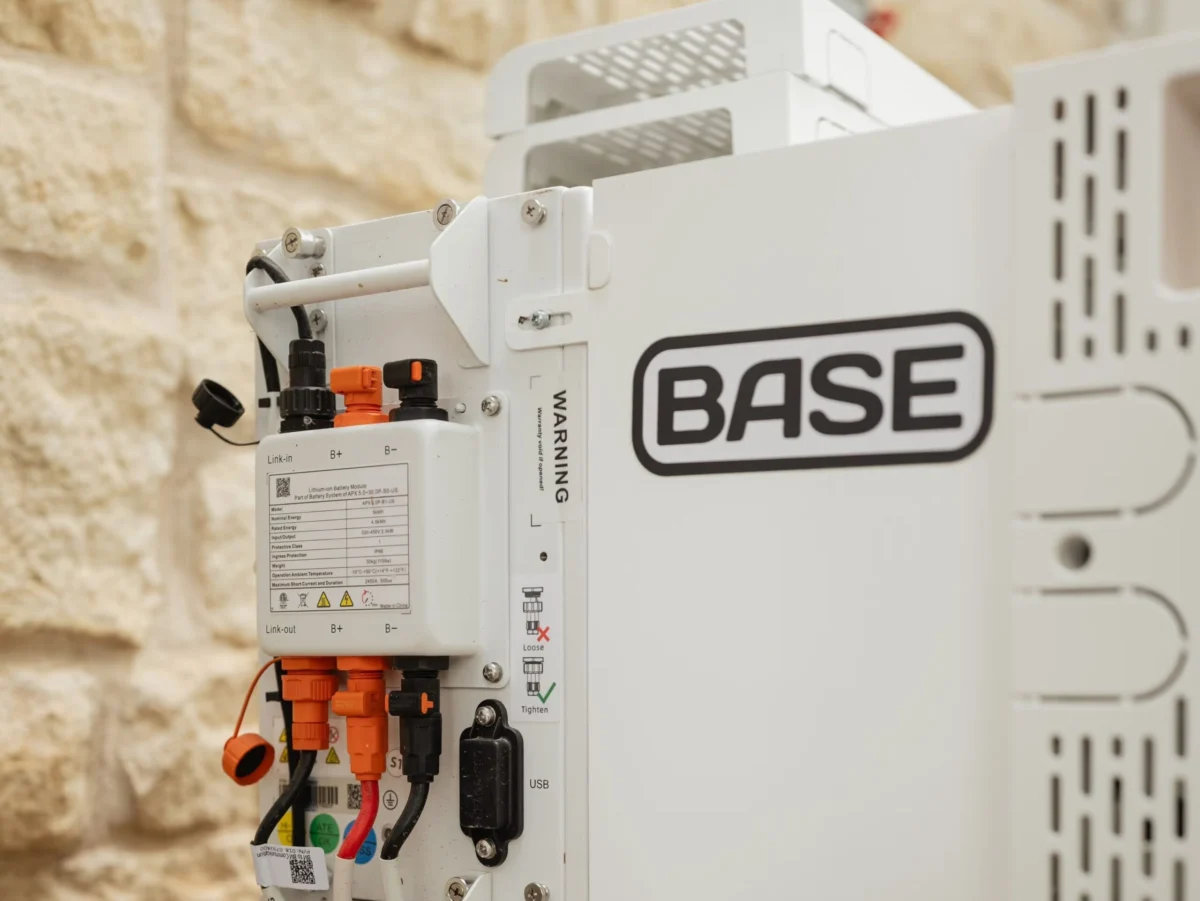
Furthermore, the "ripple effect" is creating a new ecosystem for physical infrastructure. As AI labs require massive amounts of energy to train their models, traditional industrial giants are pivoting. Ford and General Motors have made headlines by repurposing their excess battery storage capacity to power data centers and the national grid.
This move highlights an ironic trend: while automakers were once obsessed with being the "next Tesla," they are now essentially becoming the "battery providers" for the AI revolution. This pivot has proven lucrative, with stock prices for legacy automakers jumping significantly upon the announcement of these energy-storage initiatives.
Official Perspectives and Market Implications
During the recent Equity podcast, industry experts Kirsten Korosec and Sean O’Kane engaged in a critical debate regarding the long-term viability of this AI-driven market surge.
The "Race to the Gate":
There is a consensus that OpenAI and Anthropic are currently in a high-stakes race to go public. The motive is clear: capital is finite. By going public sooner, these companies aim to secure a larger share of the current market appetite before valuations inevitably "come back to Earth." However, Korosec warns that this is dangerously short-term thinking. "If they’re smart," she notes, "they should be much more concerned about the long-term play."
The Danger of Emulation:
A recurring theme is the risk of "copycat" strategies. Many companies—from space startups to automotive giants—are attempting to model their businesses after SpaceX. Korosec offers a stark warning to CEOs: "Trying to model your business after Tesla or SpaceX and others, it doesn’t always work. Perhaps look elsewhere."
The market is effectively witnessing a massive, live-action experiment. If the "MANGOS" companies succeed in proving that AI-integrated deeptech can deliver sustainable returns, the public markets will be permanently reshaped. If, however, the heavy capital expenditure and centralized control models prove unsustainable, the fallout could trigger a market correction unlike any seen in the last two decades.
Conclusion: The Summer of SEC Filings
As we look ahead, the coming months are set to be the busiest period for financial journalists and investors in recent history. The "beach read" of the summer will not be a novel, but rather the hundreds of pages of SEC filings that will define the future of the AI economy.
The SpaceX IPO has done more than just create a trillionaire; it has established a new baseline for corporate ambition. Whether this era of AI-heavy, founder-led public companies will lead to a new golden age of innovation or a significant market bubble remains the most critical question in finance. One thing is certain: the era of FAANG is behind us, and the high-octane, high-risk world of MANGOS is now the new reality.
As investors weigh their portfolios, the core challenge remains: distinguishing between genuine technological disruption and the performance of companies merely chasing the "SpaceX wave." Only time will tell which of these firms will build the future, and which will simply fade as the hype cycles move on.