By: Josh Gallant | Updated: August 8, 2025
Let’s be brutally honest: your landing pages might be leaking money right now. In an era where customer acquisition costs (CAC) are skyrocketing, businesses are pouring record amounts of capital into traffic generation—only to watch the majority of those visitors vanish without a trace. No conversion, no sale, and no long-term customer value.
This is the "leaky bucket" phenomenon. While marketing teams obsess over driving more traffic, they often overlook the most efficient path to growth: Conversion Rate Optimization (CRO). Far from being a game of changing button colors or tweaking headlines on a whim, a professional CRO strategy is a rigorous, data-driven methodology designed to extract maximum value from the audience you already have.
The Financial Case for Optimization
The math behind CRO is compelling. If your current conversion rate sits at 2%, a modest 1% increase—to 3%—doesn’t just represent a 1% gain; it represents a 50% increase in total conversions. Depending on your traffic volume and the average order value, this pivot can result in thousands of dollars of incremental revenue without spending a single additional cent on paid advertising.
Unlike paid media campaigns, which stop delivering results the second you pause your budget, CRO improvements are cumulative. They are structural upgrades to your digital storefront that continue to pay dividends 24/7. When executed correctly, CRO transforms a website from a static brochure into a high-performance sales engine.
What Defines a Robust CRO Strategy?
A professional CRO strategy is not a "one-and-done" project. It is a systematic, ongoing process of testing, analysis, and refinement. It involves identifying the psychological and technical barriers that prevent users from taking action and systematically removing them based on empirical evidence rather than internal intuition.
By shifting from "guessing" to "testing," organizations build a roadmap for growth that compounds over time. This structure is what separates industry leaders from those who rely on sporadic, ineffective "quick wins."
Step 1: Defining Success Through Clear Conversion Goals
You cannot optimize what you do not measure. Before a single pixel is moved, you must define what a "conversion" represents for your specific business.
Distinguishing Macro and Micro Conversions
Success in CRO requires a clear hierarchy of goals:
- Macro Conversions: These are your bottom-line objectives, such as a completed purchase, a signed service contract, or a demo request.
- Micro Conversions: These are the stepping stones—signing up for a newsletter, downloading a whitepaper, or watching a product video.
By mapping these goals to specific stages of the sales funnel, you gain a clearer understanding of user behavior. A visitor reading a blog post is rarely ready for a high-stakes demo, but they may be the perfect candidate for a gated resource. Aligning your goals with the user’s current intent is the first step toward reducing friction.
Step 2: The Sherlock Holmes Approach to Data Analysis
Great optimization begins with deep research. To solve the case of the missing conversions, you must look at both quantitative analytics and qualitative user sentiment.
Mining Your Analytics
Your analytics platform—be it Google Analytics or an enterprise alternative—is a map of your users’ journey. Look for pages with high bounce rates and significant drop-off points. If a landing page has massive traffic but a conversion rate near zero, you have found your primary target for optimization.
Visualizing User Behavior
Quantitative data tells you what is happening, but heatmaps and session recordings tell you how. Tools like Hotjar or Microsoft Clarity provide a "behind-the-shoulder" view of the user experience. You might discover that users are ignoring your primary CTA, getting confused by a form field, or struggling with mobile responsiveness. These insights turn raw numbers into actionable opportunities.
Incorporating the Voice of the Customer
Numbers rarely capture the emotional frustration of a user. By layering in qualitative insights from customer support chats, exit-intent surveys, and feedback forms, you can identify the "why" behind the data. Understanding the emotional barriers—such as lack of trust or lack of clarity—is the secret sauce to effective copy and design.
Step 3: Prioritizing High-Impact Pages
The "Pareto Principle" applies heavily to CRO: 80% of your gains will come from 20% of your pages. Focus your efforts on high-intent, high-traffic pages where the impact of a 1% lift will be most pronounced.
Frictionless Checkouts and Pricing
Pricing pages are the "moment of truth." Remove unnecessary form fields, ensure the value proposition is front-and-center, and add trust signals like customer logos, security badges, or clear money-back guarantees. When a user is at the threshold of buying, every micro-friction point is a potential exit ramp.
Optimizing Product and Service Pages
For SaaS companies and agencies, product pages are the battlefield. They must clearly articulate how the product solves the customer’s specific problem. Focus on:
- Clear Value Propositions: Why should the user choose you?
- Social Proof: Testimonials, case studies, and user ratings.
- Benefit-Led Copy: Focus on the customer’s outcome, not just the features.
- Strong, Singular CTAs: Don’t distract the user with five different buttons; guide them to the next logical step.
Step 4: Testing—Not Guessing
A professional CRO program treats every change as a hypothesis. If you aren’t running A/B tests, you are simply rolling the dice with your revenue.
The ICE/PIE Prioritization Frameworks
When you have a list of twenty things to fix, where do you start? Use frameworks like ICE (Impact, Confidence, Ease) or PIE (Potential, Importance, Ease). These tools help you rank tasks based on the likelihood of success and the effort required to implement them, ensuring your team is always working on the highest-value projects first.
Validating Through A/B Testing
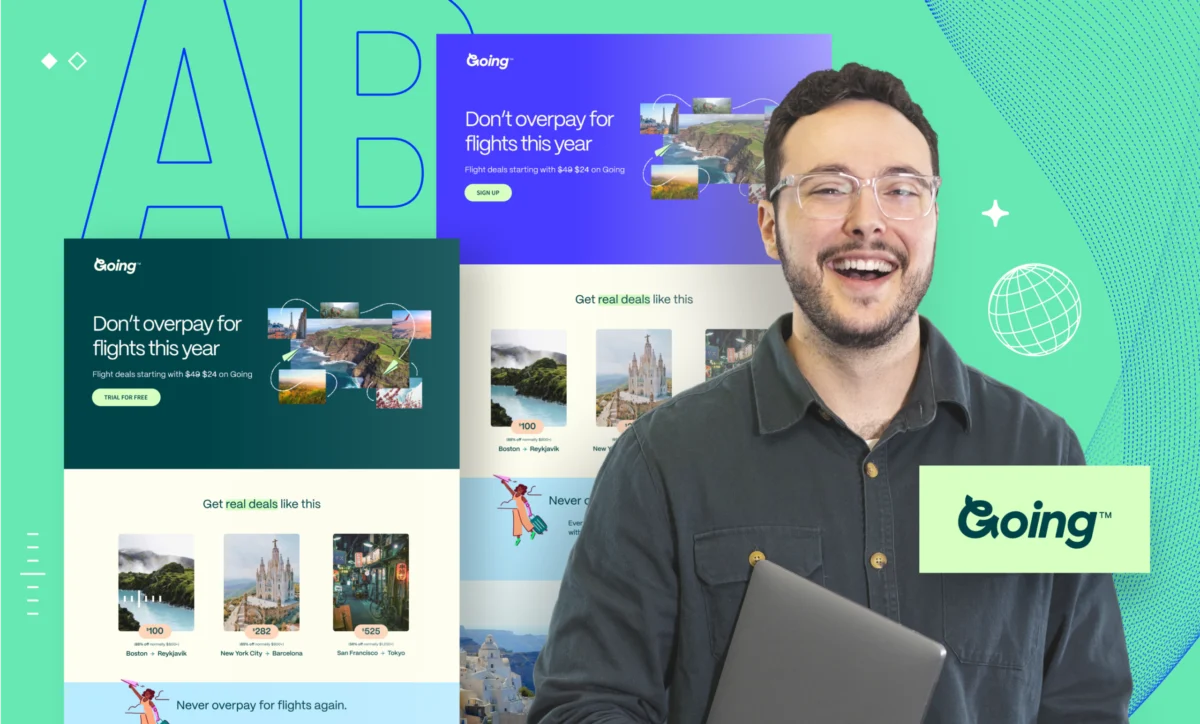
A/B testing is the gold standard for validation. By splitting traffic between your original page (the control) and a new variation (the challenger), you allow the data to speak for itself.

- Pro Tip: Never stop a test early. Ensure your sample size reaches statistical significance before declaring a winner. If you struggle to reach significance on low-traffic pages, consider testing higher-intent actions like "CTA clicks" rather than "final purchases" to gather faster feedback.
Step 5: Establishing a Culture of Experimentation
The most common mistake is treating CRO as a one-time project. Companies that win are those that integrate testing into their corporate DNA.
The Cadence of Success
Top-performing marketing teams operate on a regular cadence:
- Weekly: Review active tests and analyze results.
- Monthly: Conduct a deep-dive research session to find new test ideas.
- Quarterly: Share "lessons learned" across the organization to prevent repeating past failures.
When you create a shared knowledge base of what works and what doesn’t, your optimization becomes smarter and faster over time.
Implications for Your Bottom Line
The implications of a sustained CRO strategy are profound. By improving the efficiency of your funnel, you effectively lower your customer acquisition cost, increase the lifetime value of your users, and build a more resilient brand.
CRO is not just a tactical play; it is a strategic imperative for any business looking to survive and thrive in a competitive digital landscape. By systematically removing barriers, testing hypotheses, and listening to your users, you ensure that every visitor has the best possible chance to become a loyal customer.
Frequently Asked Questions
What is a "good" conversion rate?
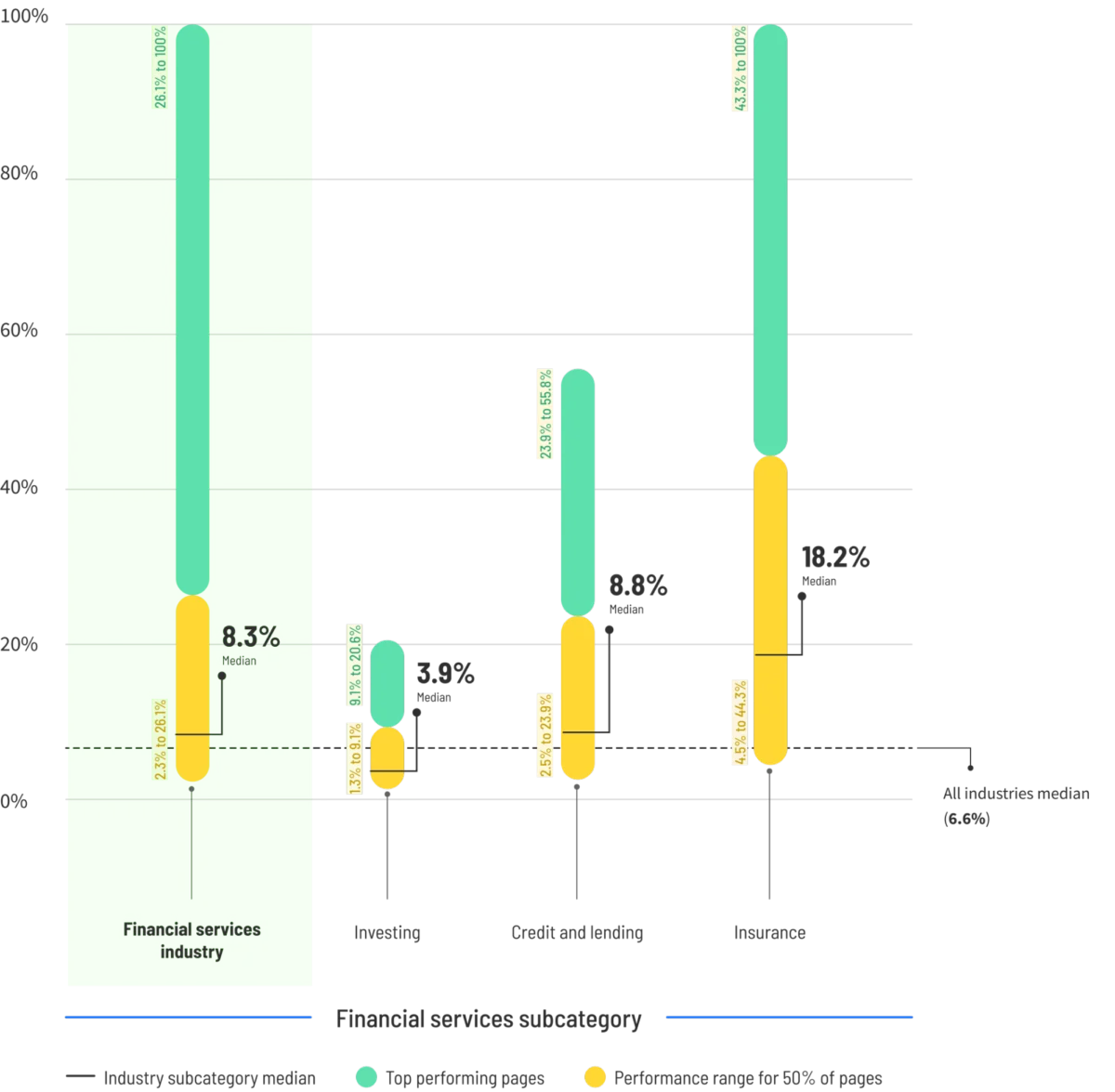
While the industry average hovers around 6.6%, this is a vanity metric. A "good" rate is one that is higher than the one you had last month. Focus on internal improvement rather than chasing industry benchmarks.
How does CRO support my marketing strategy?
CRO acts as a multiplier. By increasing your conversion rate, you get more value out of every dollar you spend on ads, SEO, and social media. It makes your entire marketing ecosystem more profitable.
Why is understanding the target audience critical?
You cannot convert someone whose problems you do not understand. CRO requires empathy; when your site’s messaging perfectly aligns with the user’s pain points, conversion becomes a natural consequence, not a forced action.
Start today. Don’t wait for a "better time" to optimize. The traffic you are losing today is a cost you are paying for inaction. By starting small and remaining consistent, you can turn your website from a leaky bucket into a high-octane growth engine.