By Investigative Desk
June 14, 2026
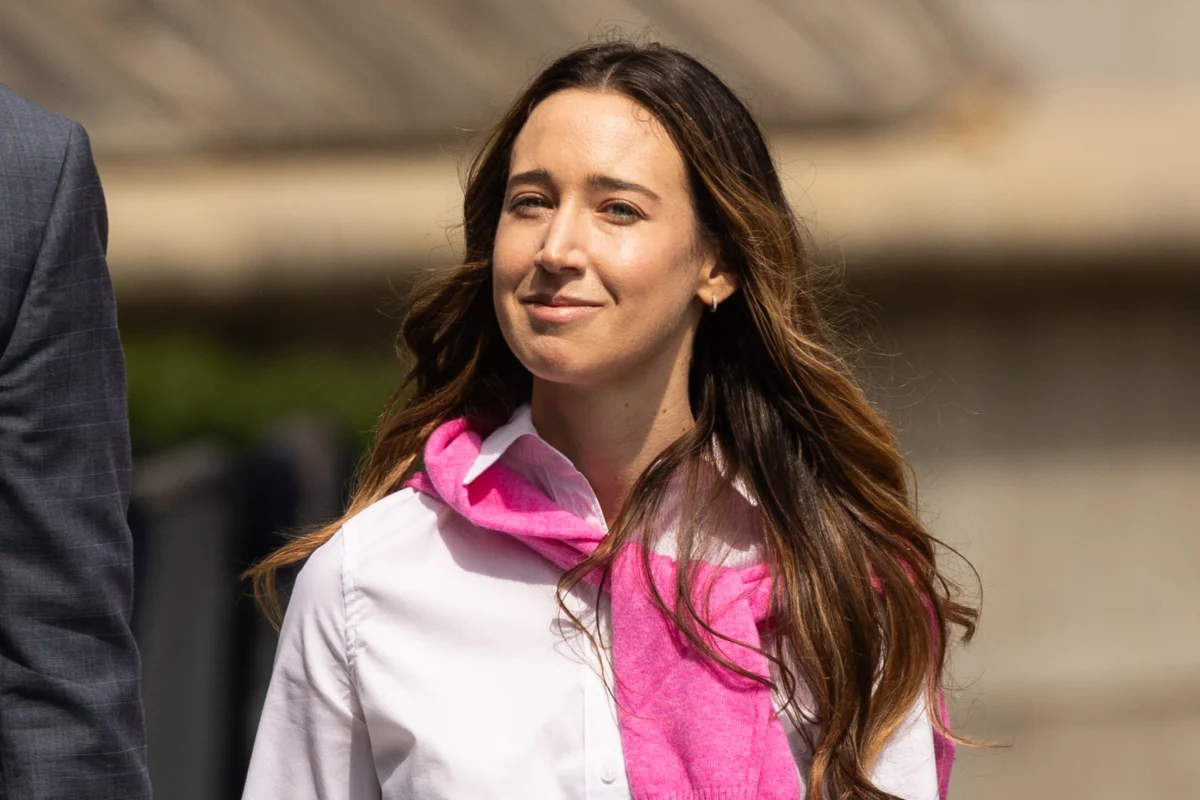
In the high-stakes world of Silicon Valley finance, few falls from grace have been as public or as spectacular as that of Charlie Javice. Once hailed as a fintech wunderkind and a beacon of student-debt advocacy, the founder of Frank now finds herself at the center of a desperate, quiet campaign for a presidential pardon.
As the United States approaches its 250th anniversary, rumors are swirling through Washington and Wall Street that the Trump administration is weighing a sweeping series of clemency grants—roughly 250 in total. Amid this climate, Javice, currently serving a seven-year prison sentence for defrauding JPMorgan Chase, is reportedly pulling every lever at her disposal to secure an early release. Her pursuit, however, is not happening in a vacuum. It is part of a broader, frantic lobbying effort by white-collar defendants—including disgraced crypto-mogul Sam Bankman-Fried—all hoping that the current political landscape might offer them a second chance.
The Fraudulent Foundation: A Chronology of the Frank Debacle
To understand the desperation behind the pardon bid, one must revisit the deception that brought the startup world to a standstill.
- 2016: Charlie Javice founds Frank, a platform designed to simplify the FAFSA (Free Application for Federal Student Aid) process. She markets it as a tool for financial inclusion, quickly garnering praise from venture capital circles.
- 2021: JPMorgan Chase, under pressure to expand its digital footprint and reach younger demographics, enters acquisition talks with Frank. Javice claims the platform has 4.25 million active users.
- 2022: JPMorgan acquires Frank for $175 million. The deal is initially touted as a triumph for fintech.
- Early 2023: JPMorgan launches an internal investigation after discovering that the vast majority of the “customers” Frank claimed to have were entirely fabricated. The bank files a lawsuit against Javice.
- September 2025: After a high-profile federal trial, a jury finds Javice guilty of wire fraud, bank fraud, and conspiracy. The evidence reveals a sophisticated scheme to create millions of fake identities to deceive the bank’s due diligence teams.
- Late 2025 – Present: Javice is sentenced to over seven years in federal prison. She immediately initiates an appeal, maintaining that the prosecution was politically motivated and that she was a victim of corporate scapegoating.
Supporting Data: The Magnitude of the Deception
The case against Javice was not merely one of "creative accounting" or "aggressive marketing." Federal prosecutors presented an overwhelming array of data to the court, detailing how Javice enlisted the help of a data science professor to manufacture millions of fake names, birthdates, and social security numbers.
When JPMorgan began its due diligence, they expected to find a robust database of student financial aid applicants. Instead, they found a ghost town. The bank’s internal audits revealed that the startup had barely a fraction of the users it claimed. For JPMorgan, the acquisition was a $175 million write-down—a stain on the bank’s M&A record that left executives furious and investors disillusioned.
The financial damage, however, extends beyond the $175 million. It shattered the trust between the venture capital community and the startup ecosystem, leading to a "trust-but-verify" crackdown on due diligence processes across the fintech sector.
The Political Battlefield: Debanking and Retribution
Javice’s quest for a pardon is complicated—and perhaps emboldened—by the current friction between Wall Street and the White House.
President Trump has long harbored animosity toward major banking institutions, specifically citing the "debanking" of his assets and business interests in the wake of the January 6, 2021, Capitol riot. Trump has characterized these moves as politically motivated interference, leading him to file a massive $5 billion lawsuit against JPMorgan Chase and its longtime CEO, Jamie Dimon.

For Javice, this tension provides a unique, if narrow, window of opportunity. By framing her case as an example of "aggressive federal overreach" or even suggesting that her prosecution was somehow tied to the broader institutional bias against the Trump camp, her legal team is attempting to align her personal struggle with the President’s own grievances.
However, there is no evidence to suggest that the Department of Justice, which handles the formal review of clemency applications, has placed her name on any official list. Sources indicate that while her camp is "quietly courting" individuals within the administration’s inner circle, a formal pardon remains a long shot that faces significant bureaucratic hurdles.
Powerful Allies and the Influence Game
Javice is not navigating these waters alone. Her legal and political strategy is bolstered by a network of high-profile supporters, most notably Marc Rowan, the CEO of Apollo Global Management.
Rowan, who served as an early investor in Frank, testified on Javice’s behalf during her trial, portraying her as a visionary entrepreneur who simply lost her way. Rowan’s influence is substantial. As a significant donor to the Republican Party and a key figure in the financial sector, his advocacy carries weight. Since the President’s reelection, Rowan has funneled millions into Republican congressional groups, cementing his position as a power broker.
The question remains whether this institutional support will be enough to sway the President. While Trump has shown a willingness to bypass traditional Department of Justice protocols for clemency, he is also keenly aware of the optics. Granting a pardon to a figure convicted of defrauding one of the world’s most powerful banks—a bank he is currently suing—could be perceived as a strategic maneuver rather than an act of justice.
Implications: What a Pardon Would Mean
If the administration were to grant a pardon to Javice, the implications for the American legal and financial system would be profound:
- Erosion of Investor Confidence: A pardon would essentially signal that high-level fraud, when conducted by well-connected founders, can be forgiven at the highest level of government. This would undermine years of work by federal prosecutors to hold "move fast and break things" tech leaders accountable.
- The "Precedent of Influence": If both Bankman-Fried and Javice were to receive clemency, it would create a dangerous precedent where the ability to influence political power outweighs the severity of white-collar crimes.
- JPMorgan’s Response: Should the President pardon a fraudster who targeted a company he is currently litigating against, it would undoubtedly escalate the conflict between the White House and Wall Street. It could lead to a total breakdown in the professional relationship between the banking sector and the executive branch.
- The Integrity of the Clemency Process: The Justice Department’s Office of the Pardon Attorney exists to ensure that clemency is granted based on rehabilitation and justice, not political affiliation. Bypassing this process for high-profile defendants risks turning the pardon power into a tool of political patronage.
Conclusion: The Road Ahead
As the countdown to the 250th anniversary continues, the eyes of the financial world remain fixed on Washington. For Charlie Javice, the pardon is more than just a ticket to freedom; it is a chance to rewrite her history and potentially escape the legal and financial ruins of the Frank disaster.
Yet, for the rest of the industry, her case serves as a litmus test for the rule of law in a volatile political climate. Whether she succeeds or fails, the spectacle of her lobbying effort highlights the uncomfortable intersection of celebrity, wealth, and the executive power of clemency. As it stands, the gates of the prison remain firmly shut, but in the corridors of power, the deal-making has only just begun.