In the modern digital landscape, the cost of customer acquisition (CAC) is skyrocketing. Marketers are locked in an expensive arms race, pouring record-breaking budgets into Google, Meta, and LinkedIn ads just to keep their visitor counts steady. Yet, for many organizations, the most significant growth opportunity isn’t found in a new ad channel or a bigger budget—it’s hidden in the leaks of their existing sales funnel.
Conversion Rate Optimization (CRO) has moved from a "nice-to-have" experiment to an absolute business imperative. As market saturation intensifies and ad costs continue to climb, the ability to squeeze more value from the traffic you already pay for is the definitive edge that separates market leaders from those struggling to stay afloat.
The Brutal Math of Modern Marketing
The fundamental premise of CRO is deceptively simple: if you have 10,000 visitors and a 2% conversion rate, you get 200 customers. If you optimize your landing page to move that rate to 4%, you suddenly have 400 customers without spending an extra cent on traffic.
This isn’t just about incremental gains; it’s about compounding efficiency. When marketing budgets face severe scrutiny, CRO provides a pathway to growth that is not tied to the volatility of ad platforms. It allows companies to scale their revenue output while their input costs remain static—effectively lowering the cost per acquisition (CPA) across the board.
The Evolution of CRO: From Guesswork to Science
Historically, website optimization was a game of "gut feelings." Designers and marketers would argue over button colors or headline font sizes based on subjective preferences. However, the last decade has seen a shift toward a data-driven, evidence-based methodology.
The Chronology of Optimization
- The Era of Intuition (Pre-2010): Decisions were made based on design trends and executive opinion. A/B testing was rare and often required specialized engineering teams.
- The Tooling Boom (2010–2018): The rise of accessible SaaS platforms allowed marketers to conduct A/B tests, heatmaps, and session recordings without needing a developer.
- The AI-Integrated Era (2019–Present): Today, predictive analytics and machine learning allow teams to personalize content in real-time, matching specific messaging to unique visitor segments based on their intent.
Why CRO Matters Now More Than Ever
Beyond the immediate math, there are structural reasons why CRO has become the primary focus for growth-stage companies.
1. The Diminishing Returns of Paid Traffic
As you attempt to scale ad spend, you inevitably reach audiences that are less likely to convert. The "low-hanging fruit" of your target demographic is picked first. By the time you push for high-volume scale, you are paying a premium for clicks that are statistically less likely to result in a purchase. CRO acts as a counterbalance, ensuring that every visitor—no matter how skeptical—is presented with the most persuasive, frictionless version of your offering.
2. Cross-Channel ROI Amplification
CRO is not a siloed activity. When you improve the clarity of your value proposition or the ease of your sign-up flow on a landing page, those improvements often reflect in your email marketing, organic search, and social media channels. It is a "rising tide" strategy that lifts the performance of your entire marketing ecosystem.
Five High-Impact Practices to Move the Needle
For teams looking to drive immediate impact without the need for a massive technical overhaul, these five strategies serve as the gold standard for conversion optimization.
I. The Mobile-First Imperative
The majority of global web traffic is now mobile, yet many brands still design their landing pages on massive desktop monitors. This creates a "usability gap." Mobile users are impatient, easily distracted, and hindered by small touch targets.
- The Fix: Implement "thumb-friendly" design. Buttons should be at least 44×44 pixels. Forms should be minimized to the absolute essentials, and critical call-to-action (CTA) buttons must be visible before the user has to scroll.
II. Validating Success Through A/B Testing
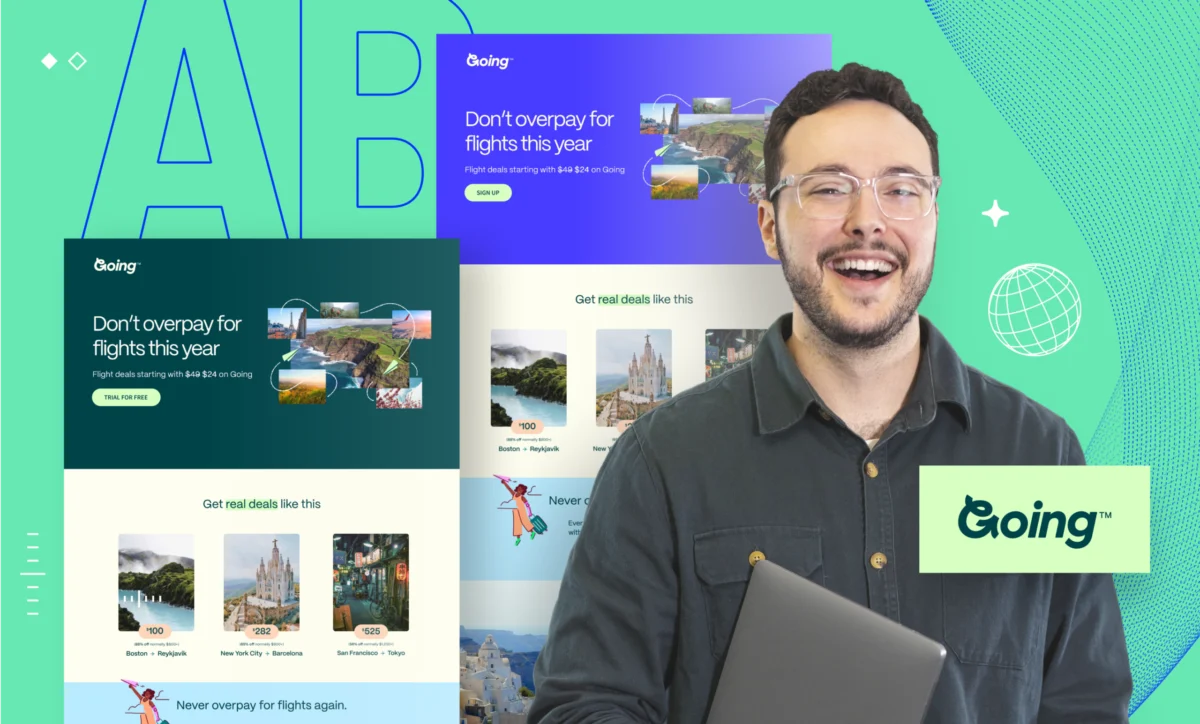
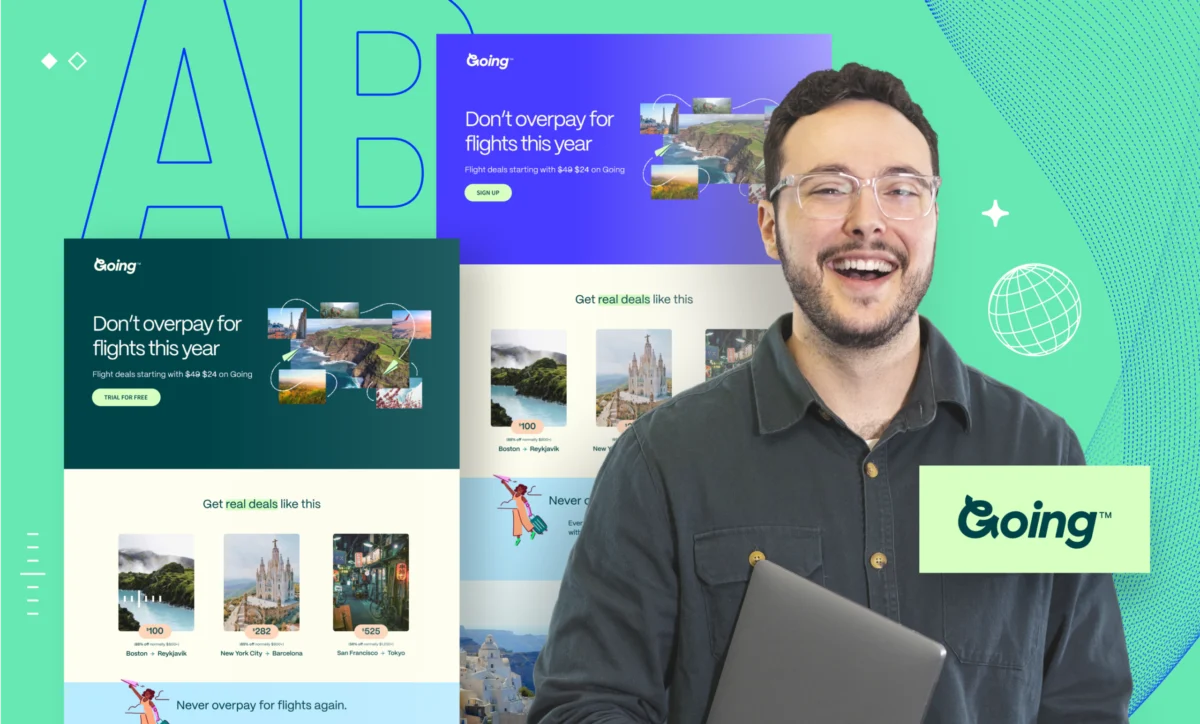
Never assume your favorite headline is the one that converts. A/B testing—the process of comparing two versions of a webpage to see which performs better—is the only way to remove bias from the equation.
- Best Practice: Test one variable at a time. If you change the headline, the button color, and the imagery all at once, you’ll never know which change actually caused the lift.
III. Radical Friction Reduction
Friction is any element that causes a visitor to hesitate. This could be a complex sign-up form, a lack of clear information, or a slow-loading page.
- The Audit: Walk through your own conversion funnel as if you were a customer. Where do you feel annoyed? Where do you feel confused? Every field you remove from a lead form significantly increases the likelihood of completion.
IV. The Clarity of the Value Proposition
If a visitor doesn’t understand what you offer within five seconds, they will leave. A strong value proposition must answer: What is this? Who is it for? And how will it make my life better?
- The Test: Replace jargon-heavy marketing speak with plain, benefit-driven language. Instead of "We provide a synergistic SaaS solution," try "Get your team organized in five minutes or less."
V. Strategic Deployment of Social Proof
Human beings are social creatures; we look to others for validation before making a decision. However, generic testimonials are no longer enough.

- The Strategy: Use "specific" social proof. Don’t just say "Trusted by thousands." Say, "Trusted by 5,000+ marketing teams to reduce churn by 20%." Place this proof near your CTA buttons to provide reassurance at the exact moment of decision.
Implications for Future Growth
The companies that win in the next five years will not necessarily be the ones with the largest marketing budgets. They will be the ones that have built a "culture of experimentation."
Building an Experimentation Mindset
Successful teams treat every landing page as a living document. They view a "failed" test not as a loss, but as a data point that prevents future waste. By institutionalizing this mindset—conducting regular audits, fostering an environment where ideas are tested rather than debated, and investing in the right CRO tooling—companies can create a compounding effect.
A 5% lift in conversion rates might seem small in a single month. But when compounded over twelve months, that small change can result in a massive, double-digit increase in annual revenue.
Conclusion: The Path Forward
The brutal truth of marketing is that traffic is a commodity, but conversion is a skill. As we move further into a digital-first economy, the ability to persuade, guide, and convert a visitor is the most valuable currency in your stack.
You don’t need a massive development team to start. You don’t need to overhaul your entire website in one go. You simply need to start asking the right questions, testing your assumptions, and respecting the user’s time by removing the barriers that stand between them and the value you provide.
Start small, test often, and let the data dictate your growth. Your bottom line will thank you.