Most location pages fail for one of two reasons: they are either too "thin"—consisting of little more than a name, address, and phone number—or they are too generic, functioning as a "cookie-cutter" template where only the city name has been swapped out.

In the eyes of Google, both approaches are essentially invisible. Today’s AI-driven search landscape, including ChatGPT and Google’s AI Overviews, is increasingly adept at identifying and discounting low-value, duplicate content. When a user asks an AI for the "best plumber in [city]," the models aren’t looking for a directory listing; they are looking for evidence of local expertise, trust, and relevance.
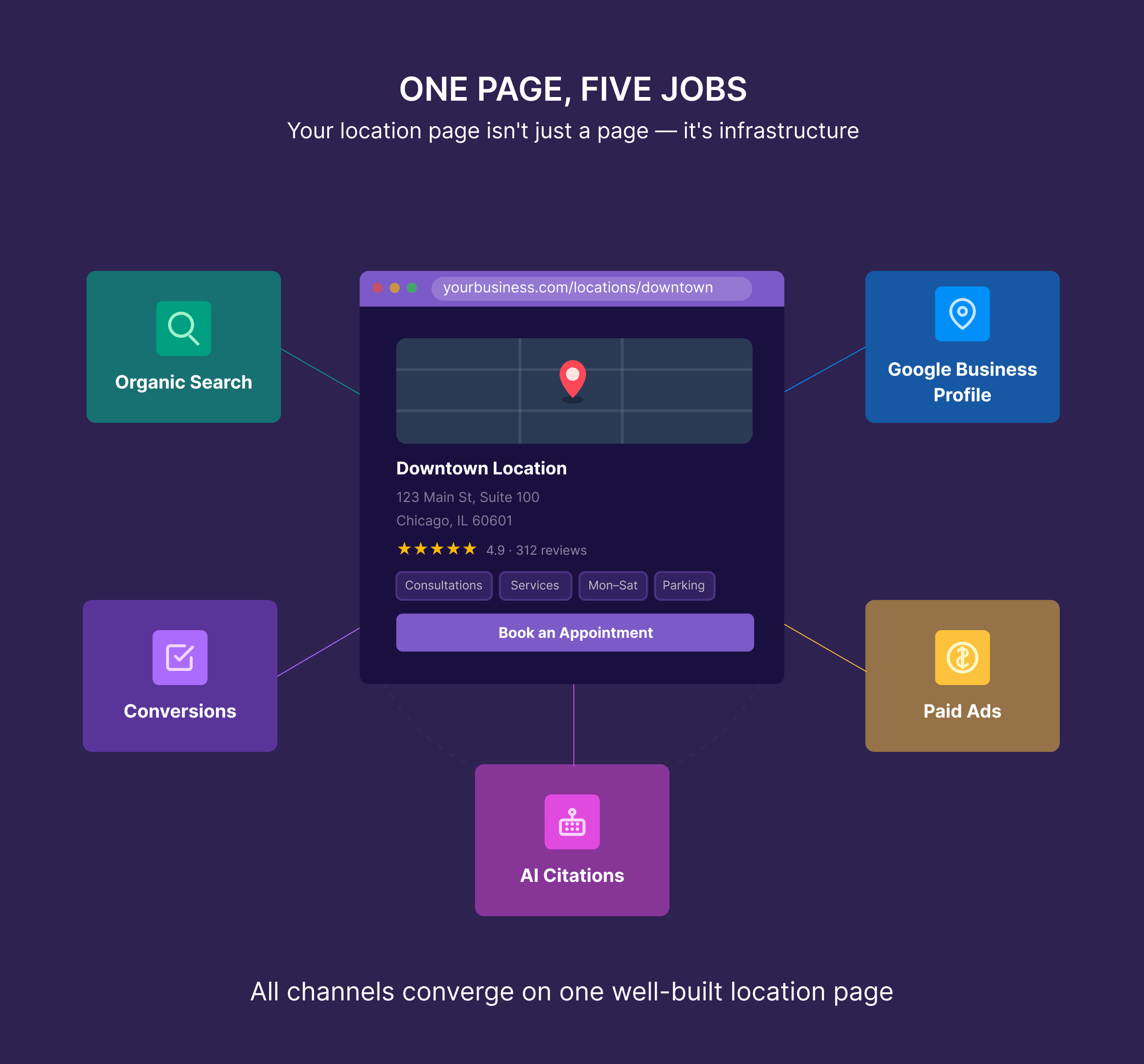
However, a well-engineered location page can act as a powerhouse for your business, essentially performing five distinct jobs: ranking in local SEO, providing data for AI citations, serving as a high-conversion landing page for paid traffic, building brand authority, and providing a seamless user experience.
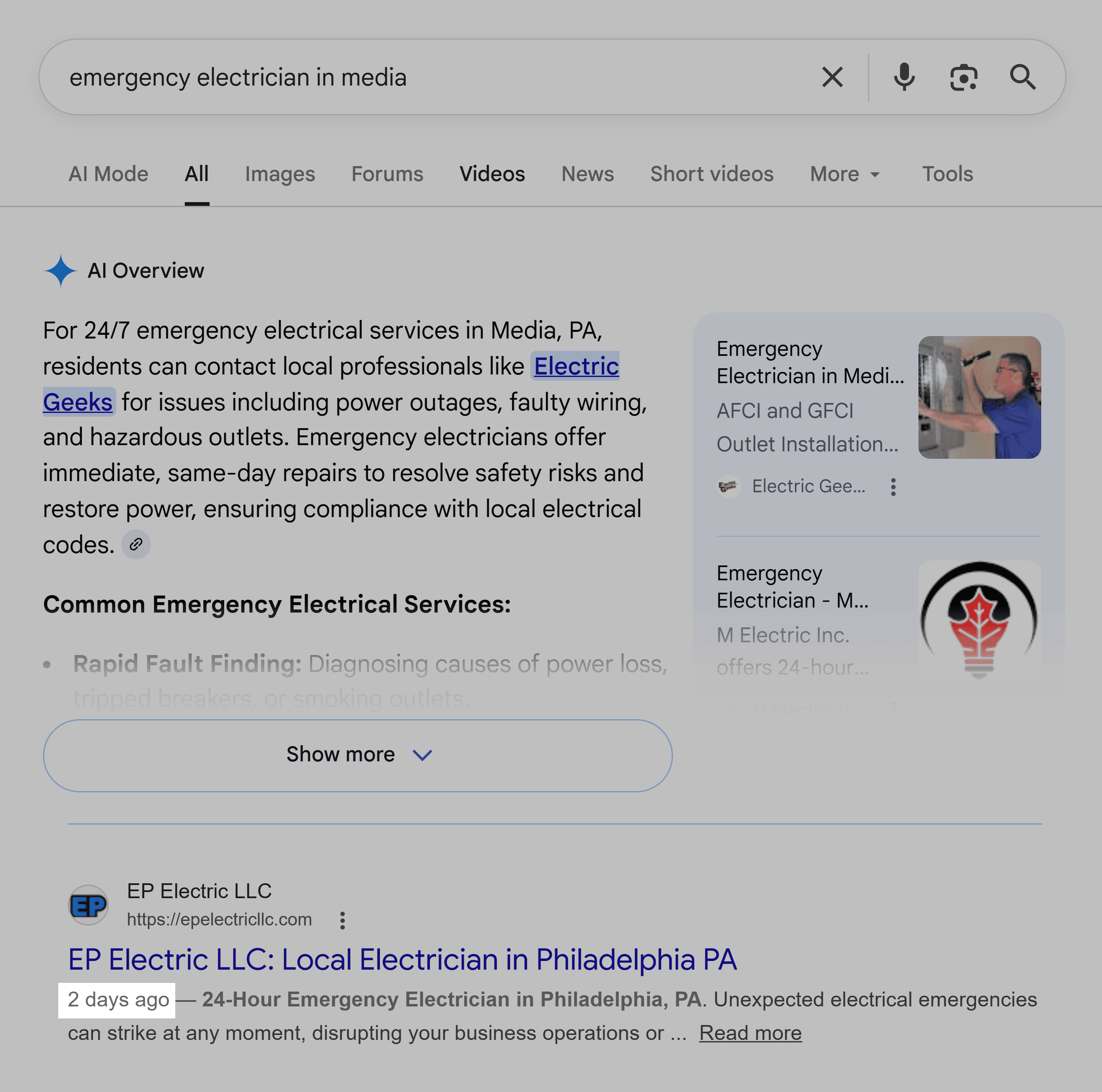
The Anatomy of a High-Performance Location Page
Most location pages sit dormant. They are technically "live" and indexed, but they are functionally useless. Based on experience building high-ranking location pages for industries ranging from HVAC and electrical contractors to funeral homes, the secret isn’t keyword stuffing or excessive length.
The ones that rank—often within 48 to 72 hours—are those designed around how customers actually interact with the business. Whether you have three locations or 300, or operate via physical storefronts or service areas, the strategy remains the same: move away from "SEO-only" pages and toward "customer-first" hubs.
Understanding the Two Primary Types of Location Pages
Before writing a single line of code or copy, you must identify which type of page you are building. Misidentifying your needs will confuse both your human users and the algorithms.
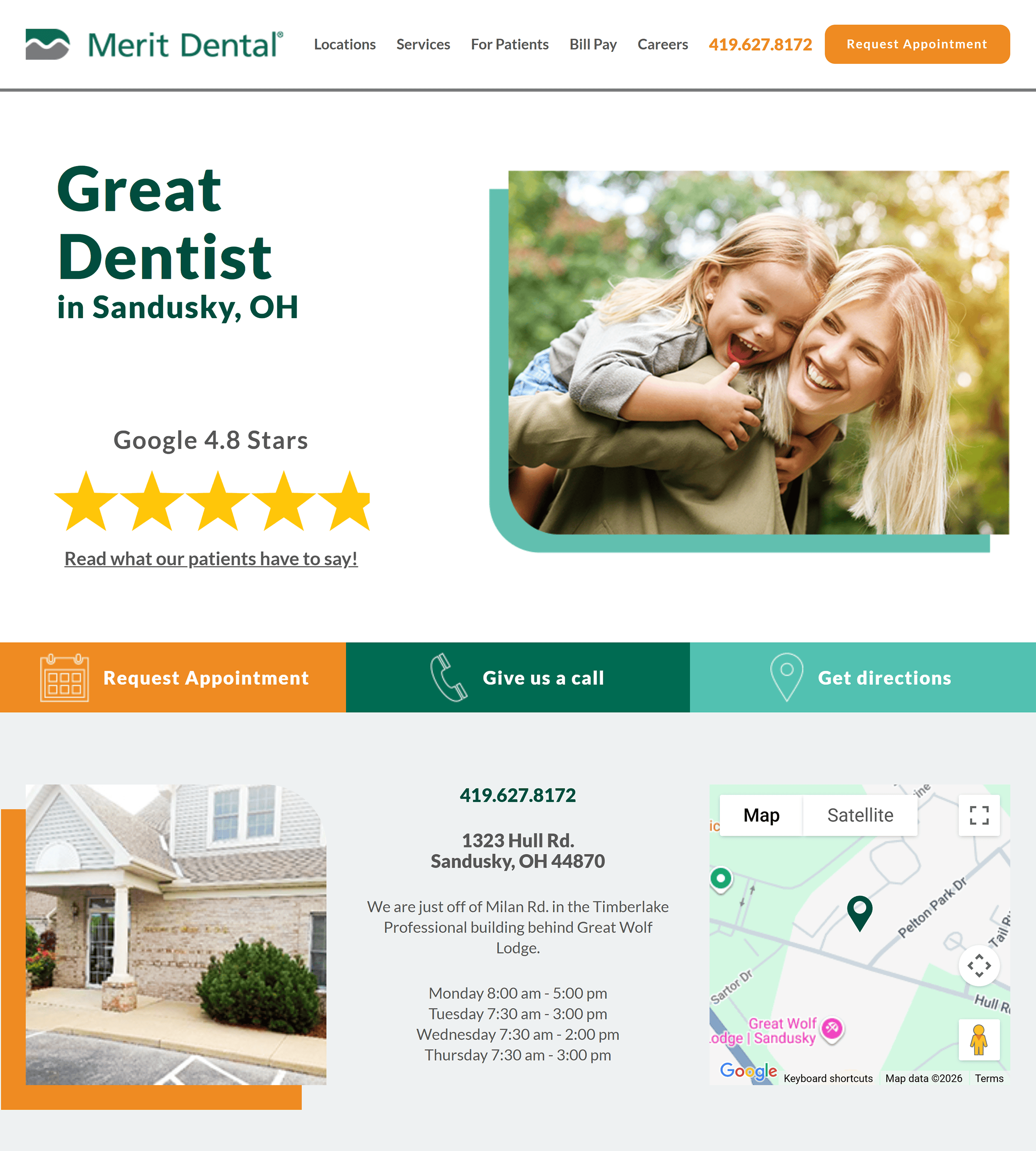
1. Physical Location Pages
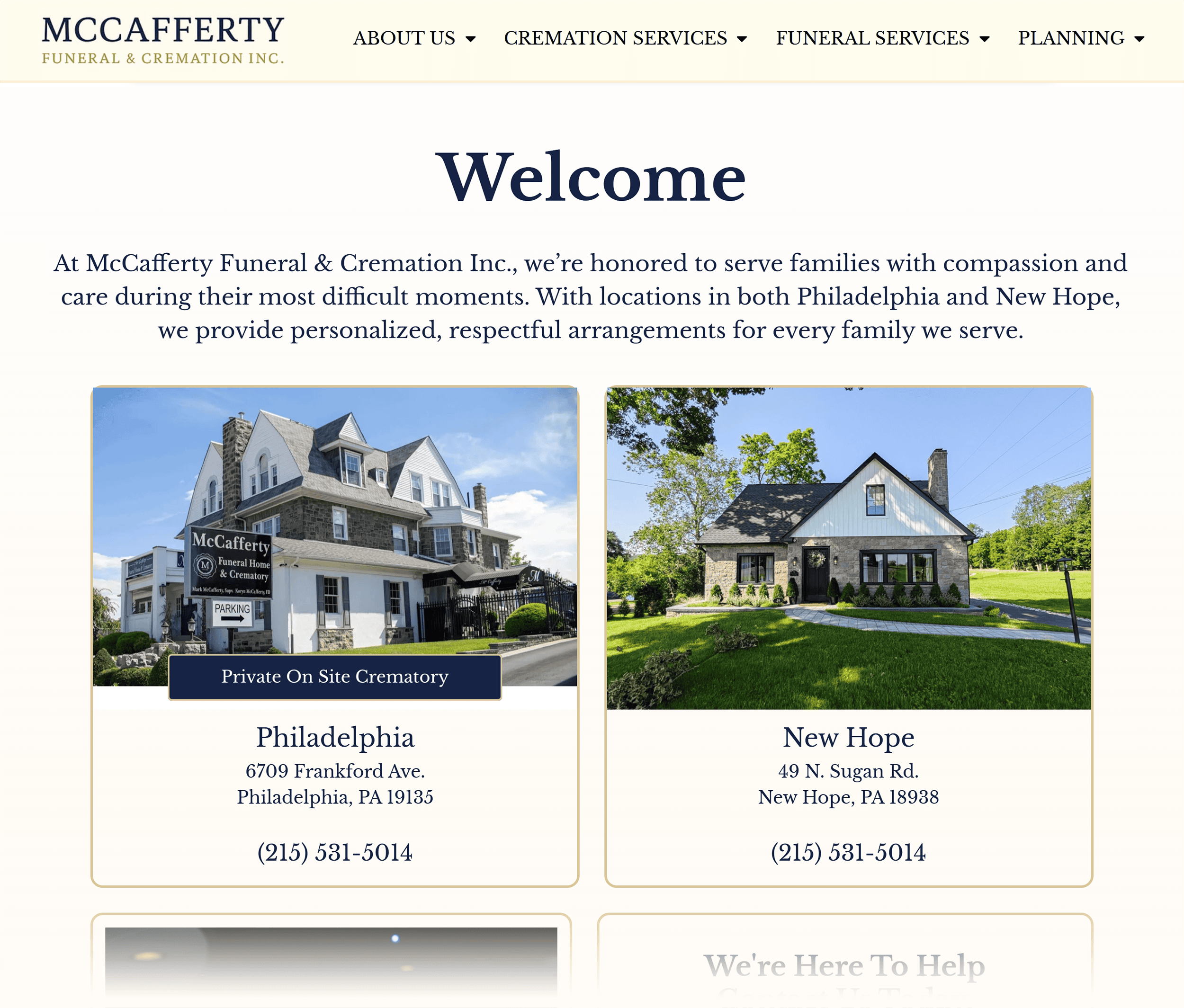
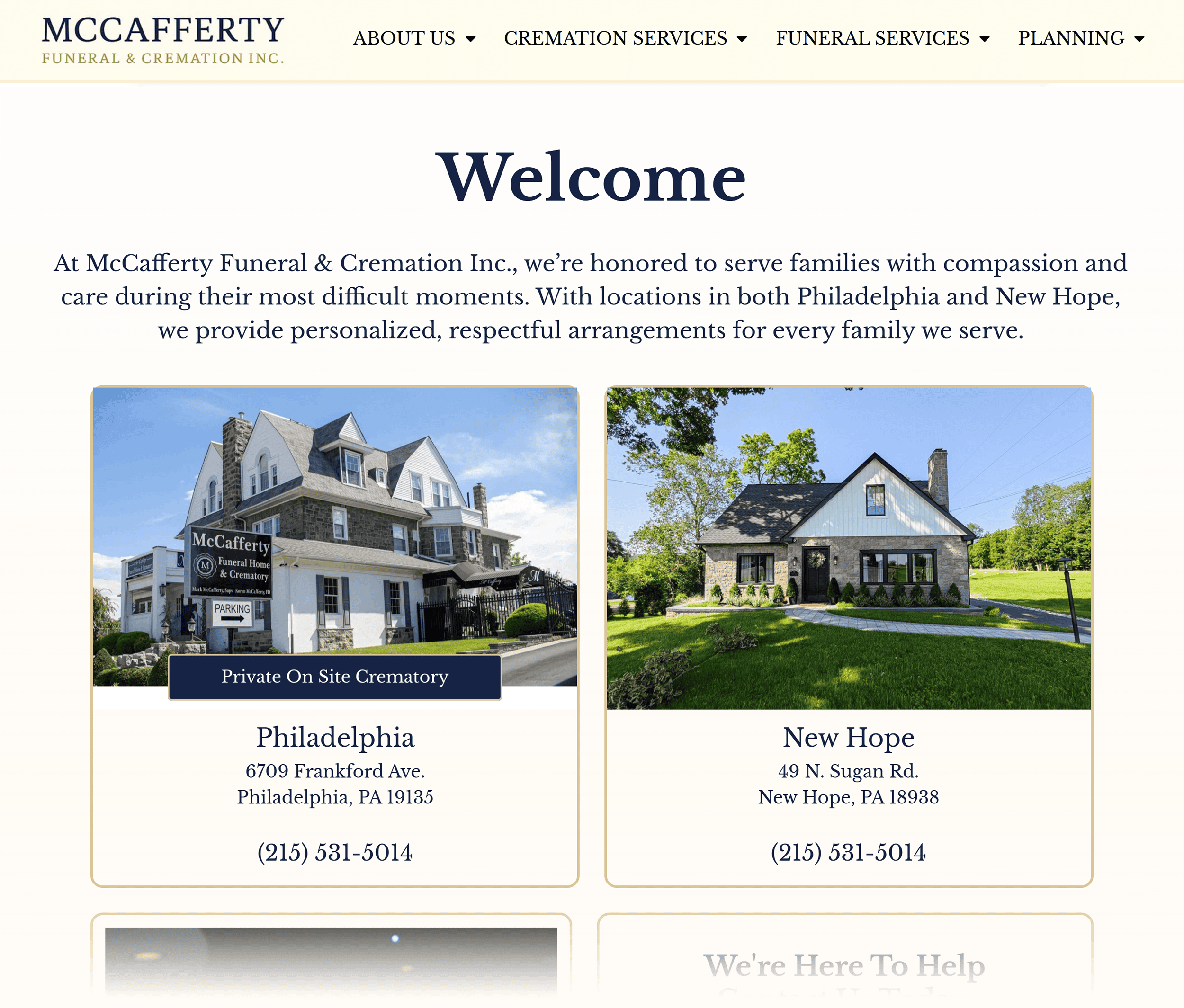
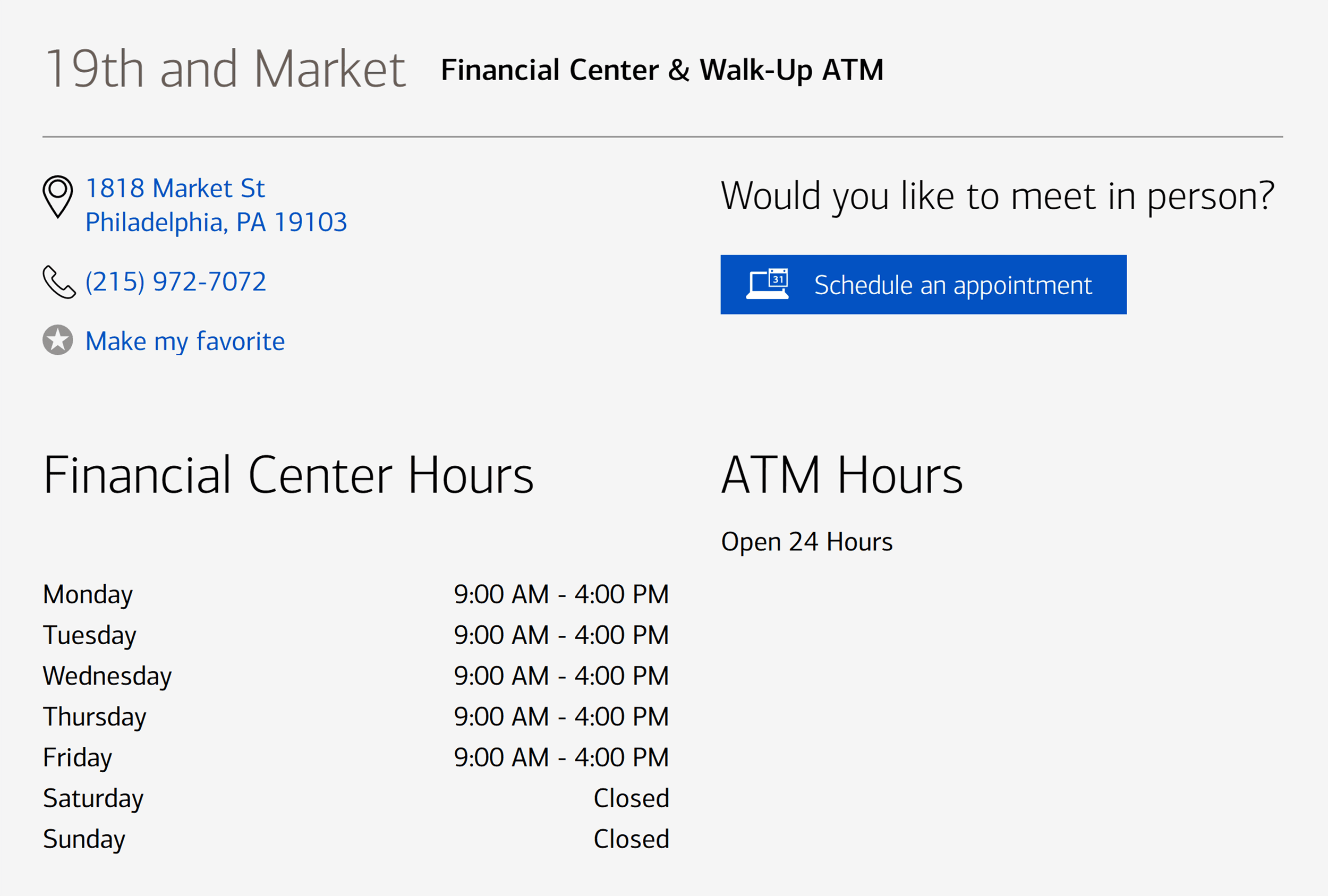
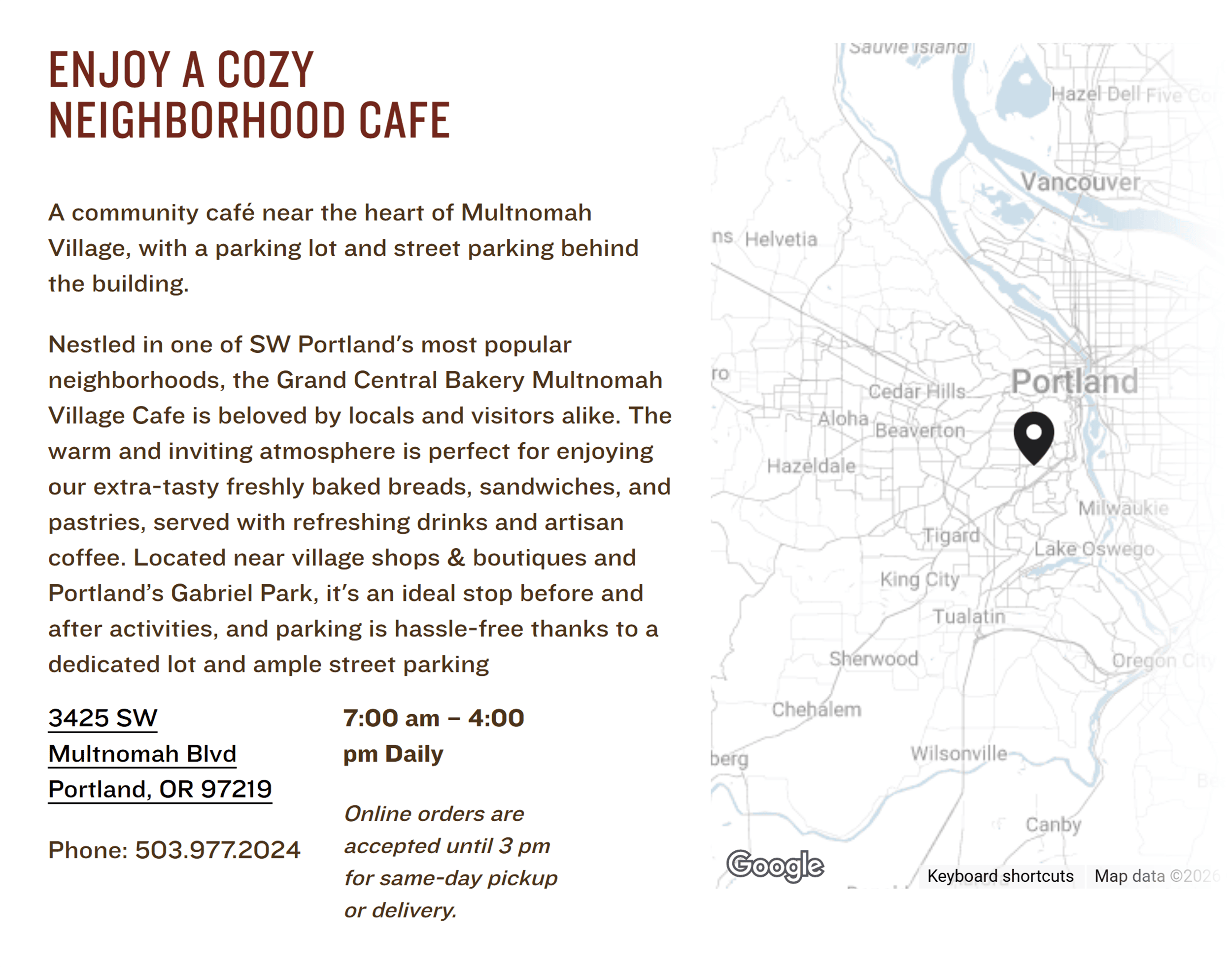
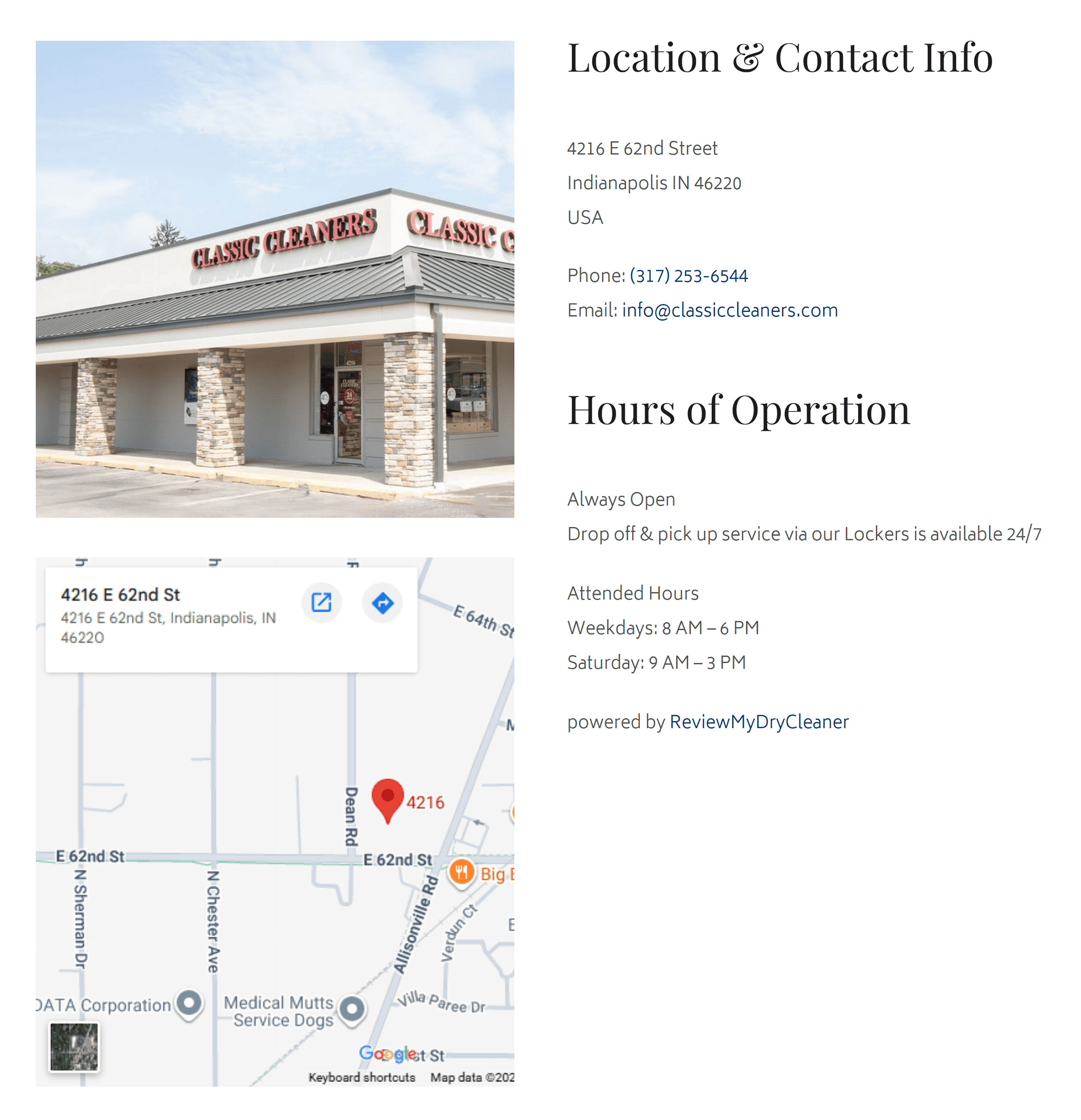
These are for businesses where the customer comes to you. Examples include bank branches, dental offices, or retail stores. The priority here is logistics: address, hours of operation, parking information, and a clear visual of what the customer should expect upon arrival.
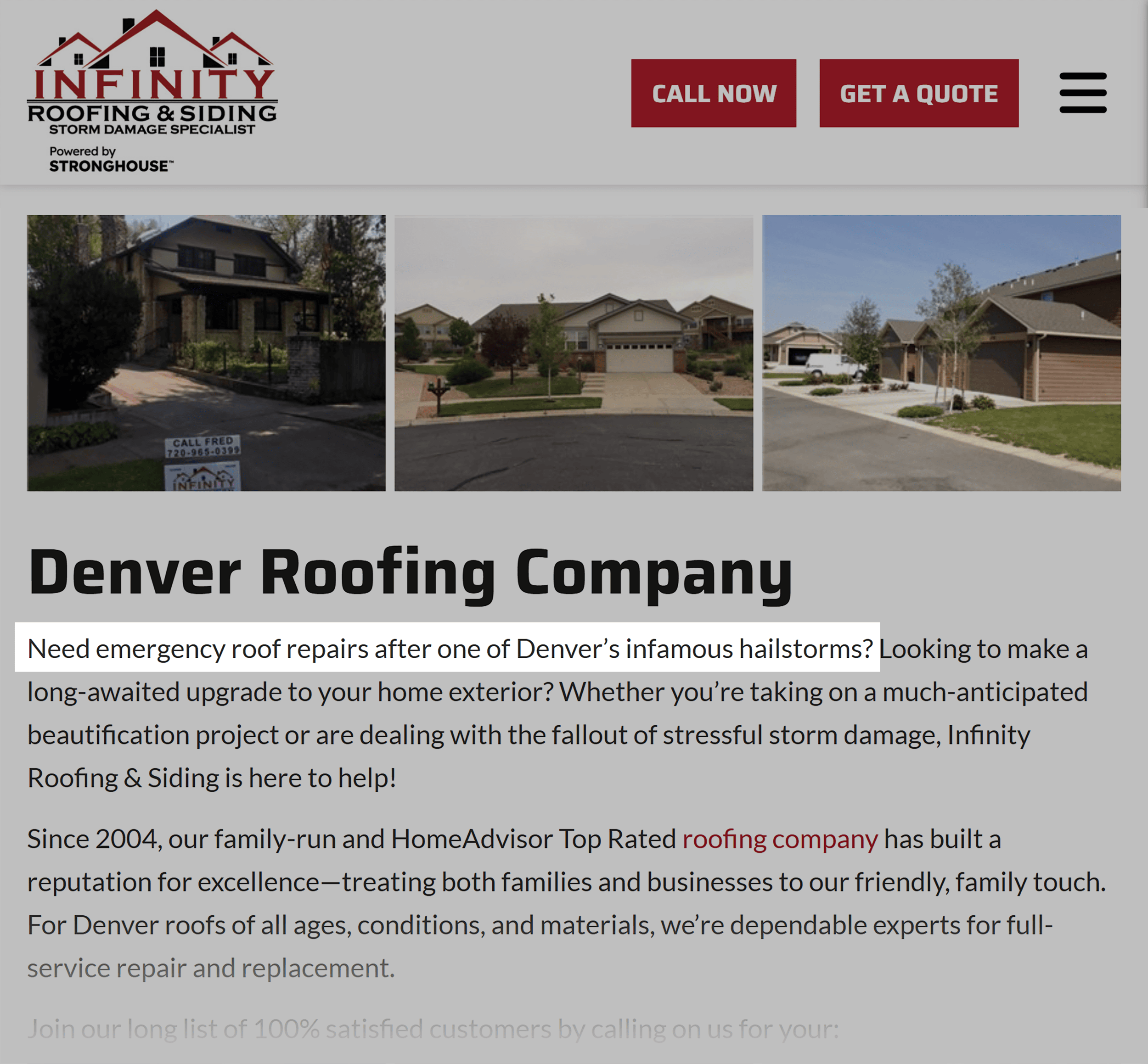
2. Service Area Pages
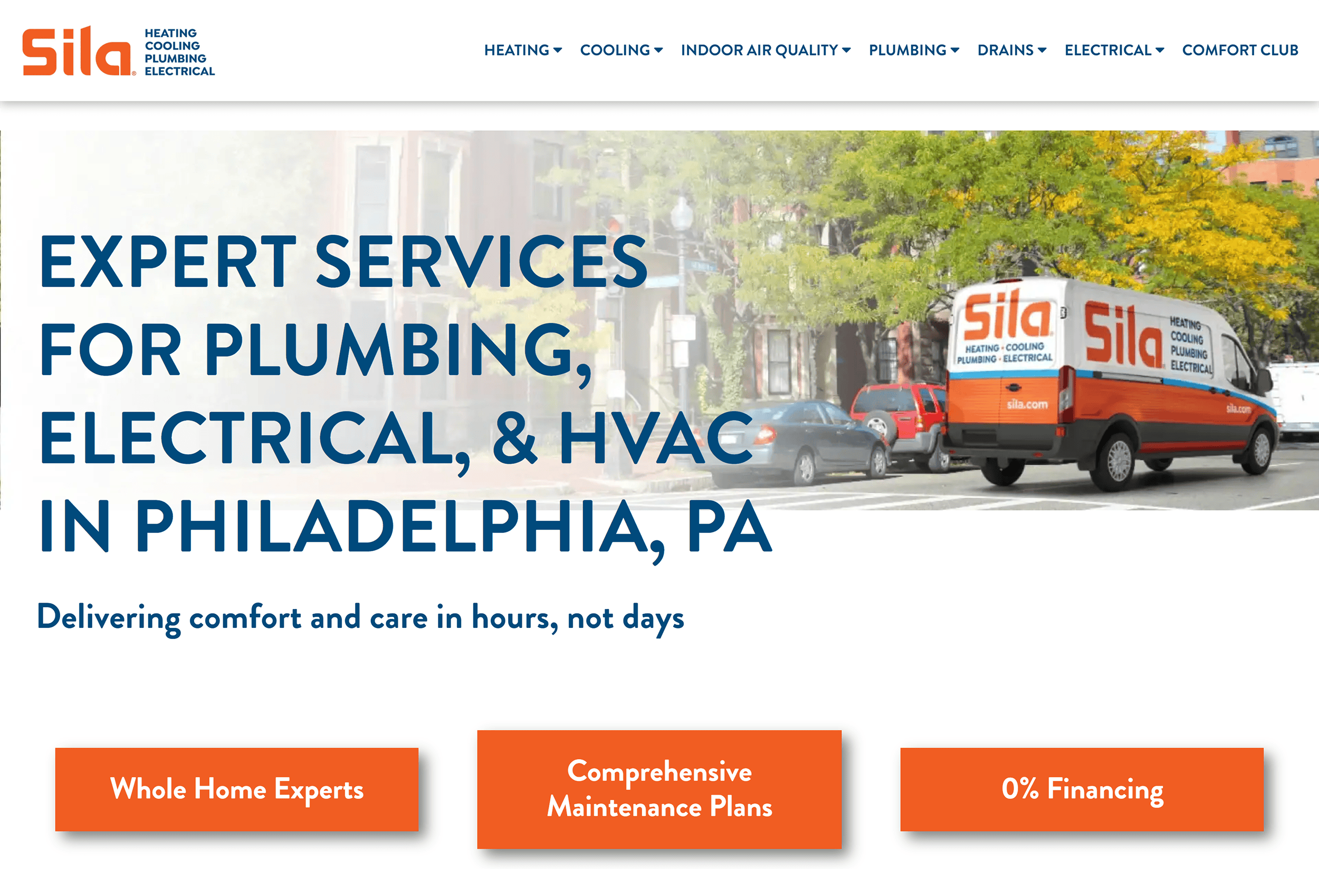
These are designed for businesses that go to the customer, such as roofers, landscapers, or home remodelers. These pages allow you to dominate search results in 50 different towns without the overhead of opening 50 physical offices. The key here is building credibility by demonstrating local knowledge, such as referencing regional weather challenges or specific community regulations.
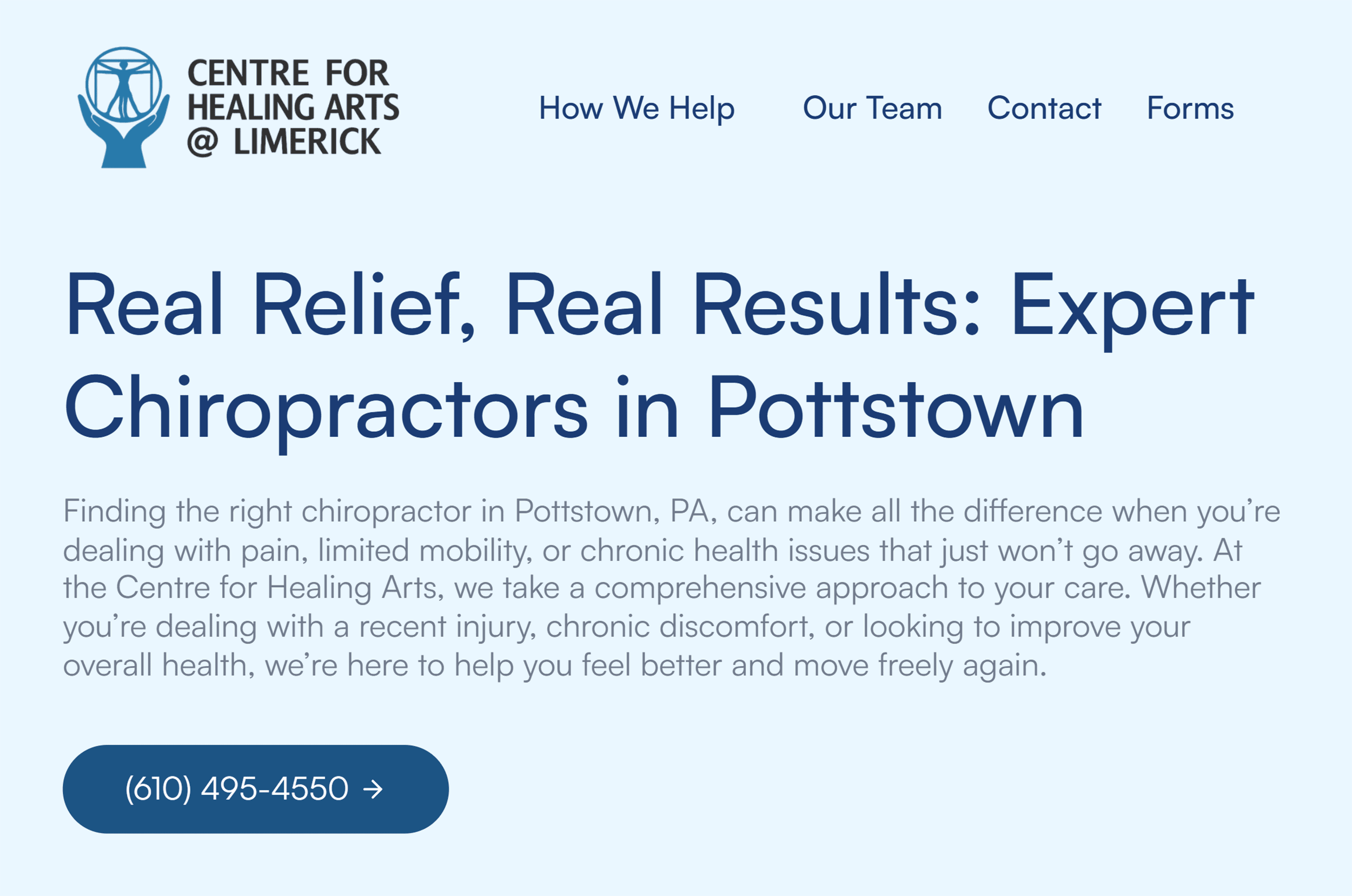
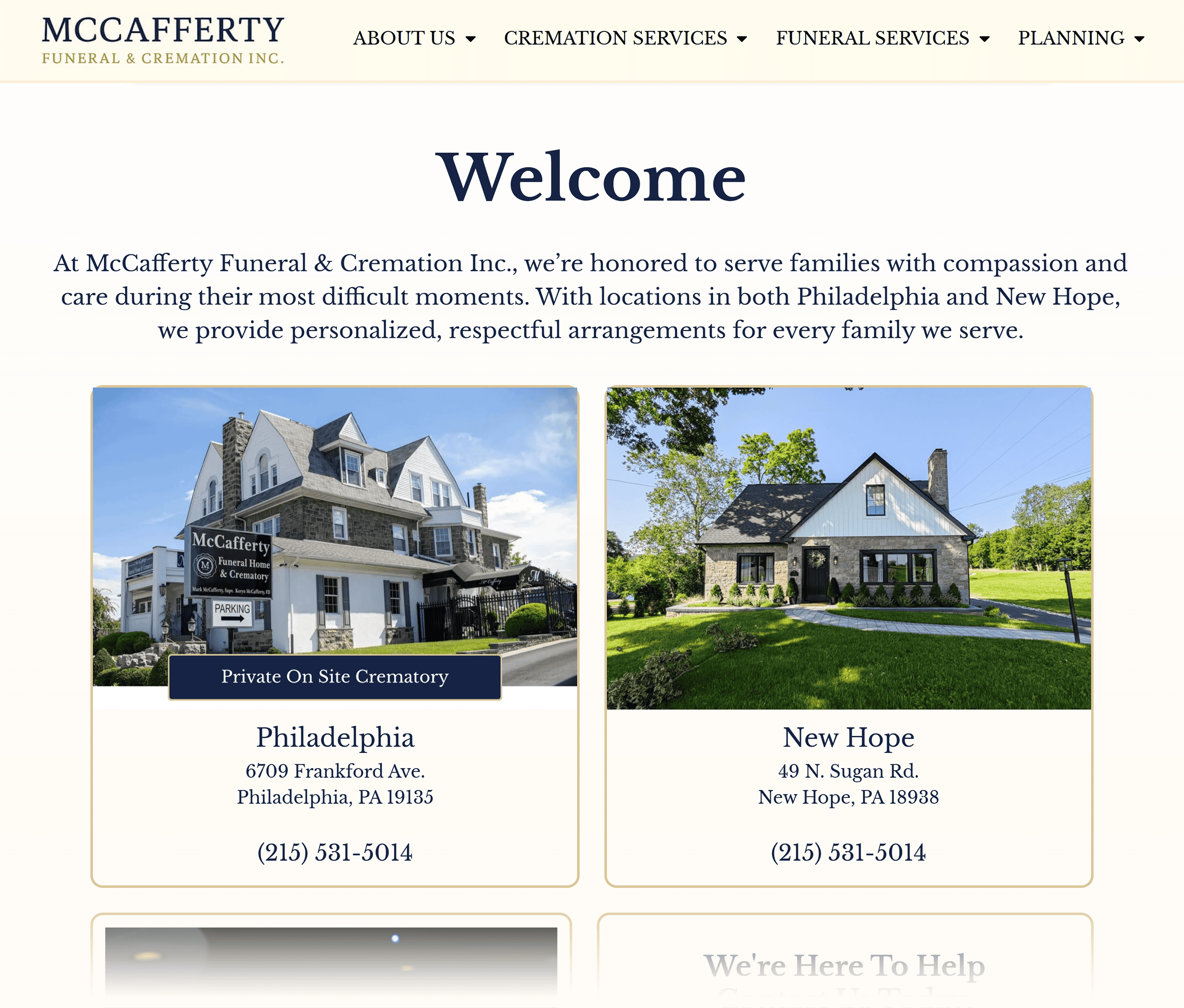
Strategic Integration: Many businesses require a hybrid approach. For example, a funeral home with two physical offices should have two dedicated "Physical Location" pages, but also create "Service Area" pages for surrounding towns where they don’t have a presence. These pages should be cross-linked: service area pages should point to the nearest physical office, and physical pages should list the areas they serve.
How to Make Your Pages Perform: The Core Principles
Whether you are optimizing for organic search, AI citations, or paid traffic, the following principles are non-negotiable.
Match Searcher Intent
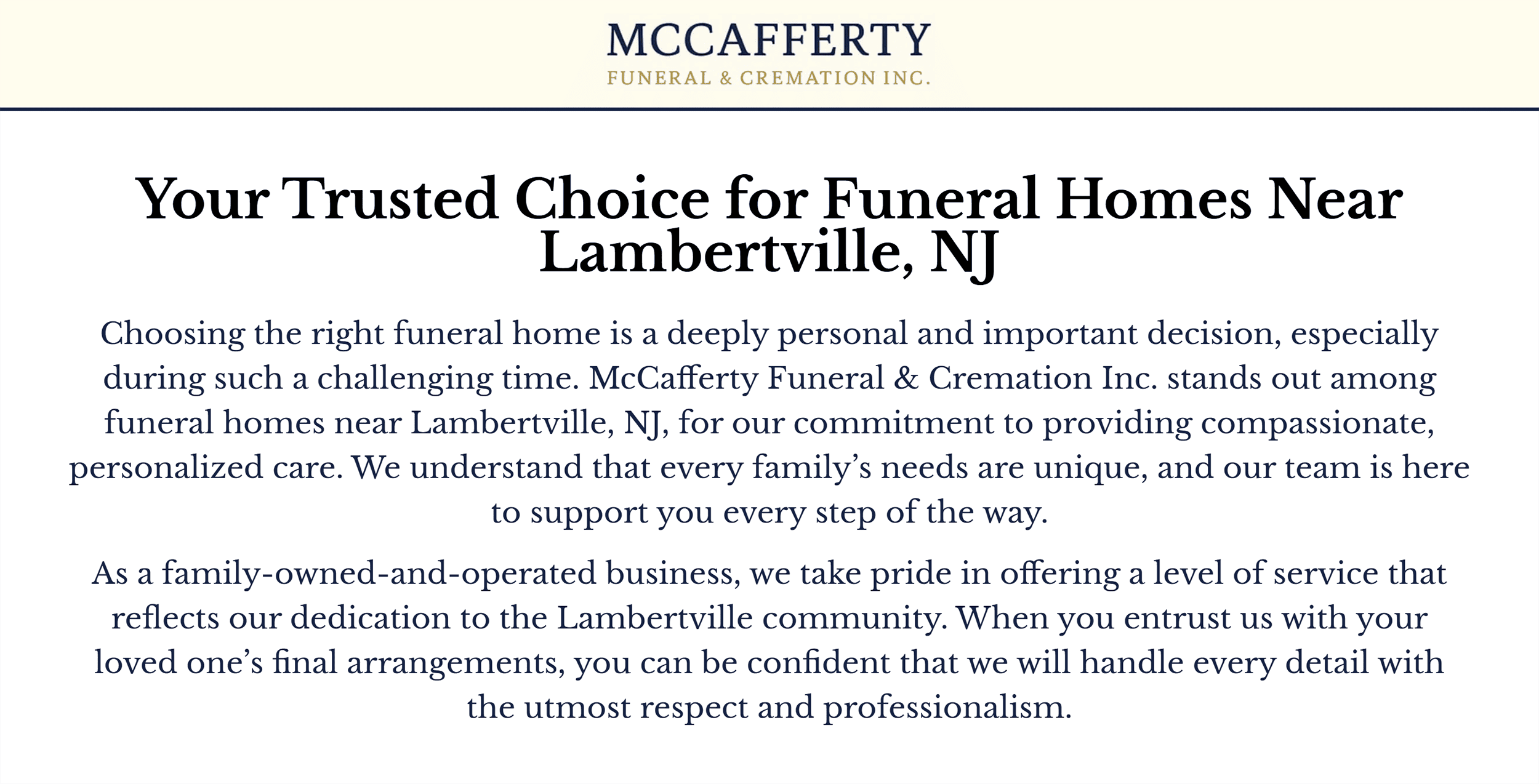
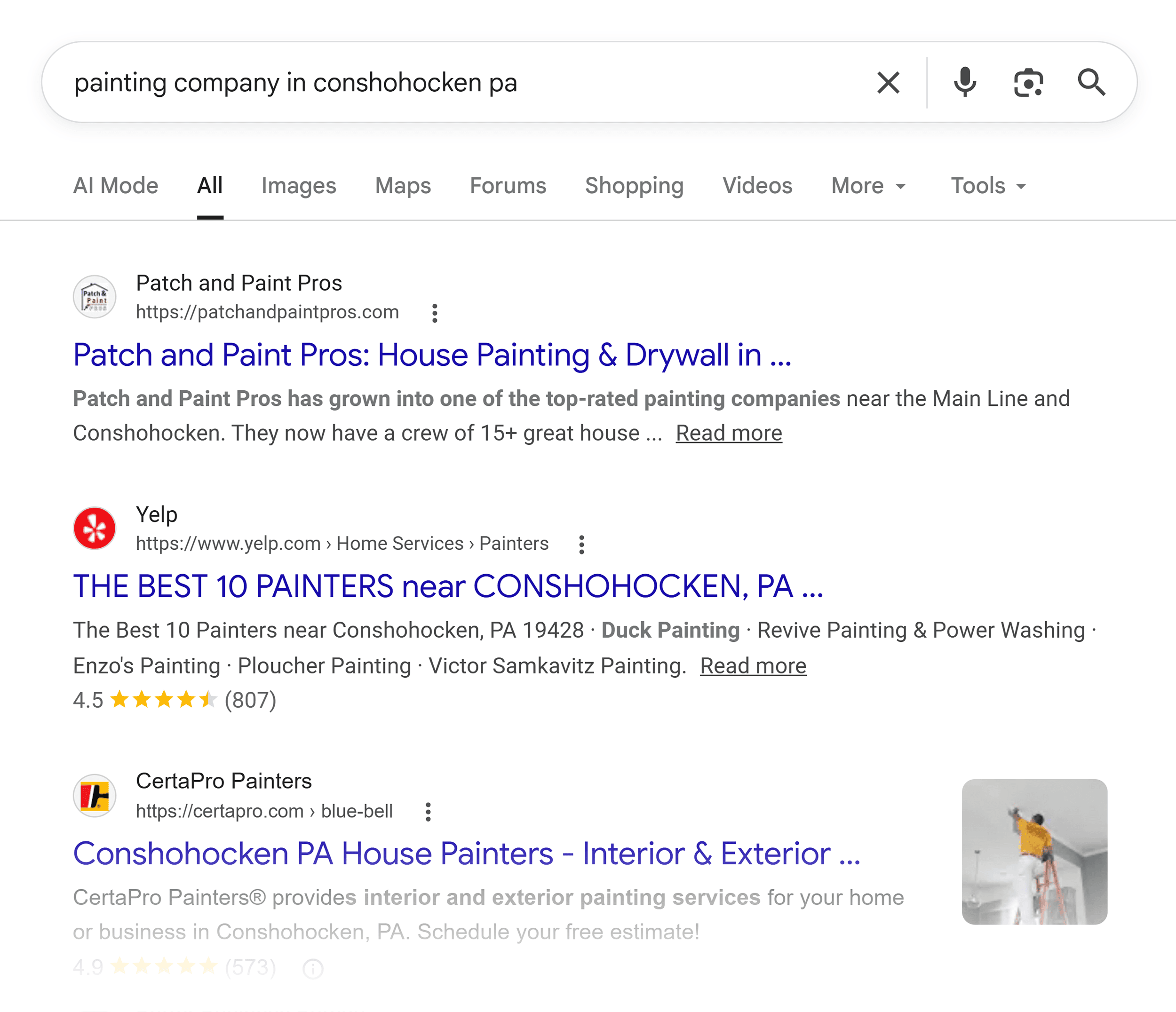
A user searching for a "dental clinic in [city]" has a different intent than one looking for "best cosmetic dental procedures." Physical location searchers are looking for logistics—how to get there and when to go. Service area searchers are looking for proof of coverage and a reason to trust you with their home or property. If your page does not answer their specific question immediately, the result is a bounce.
Provide Real Local Value
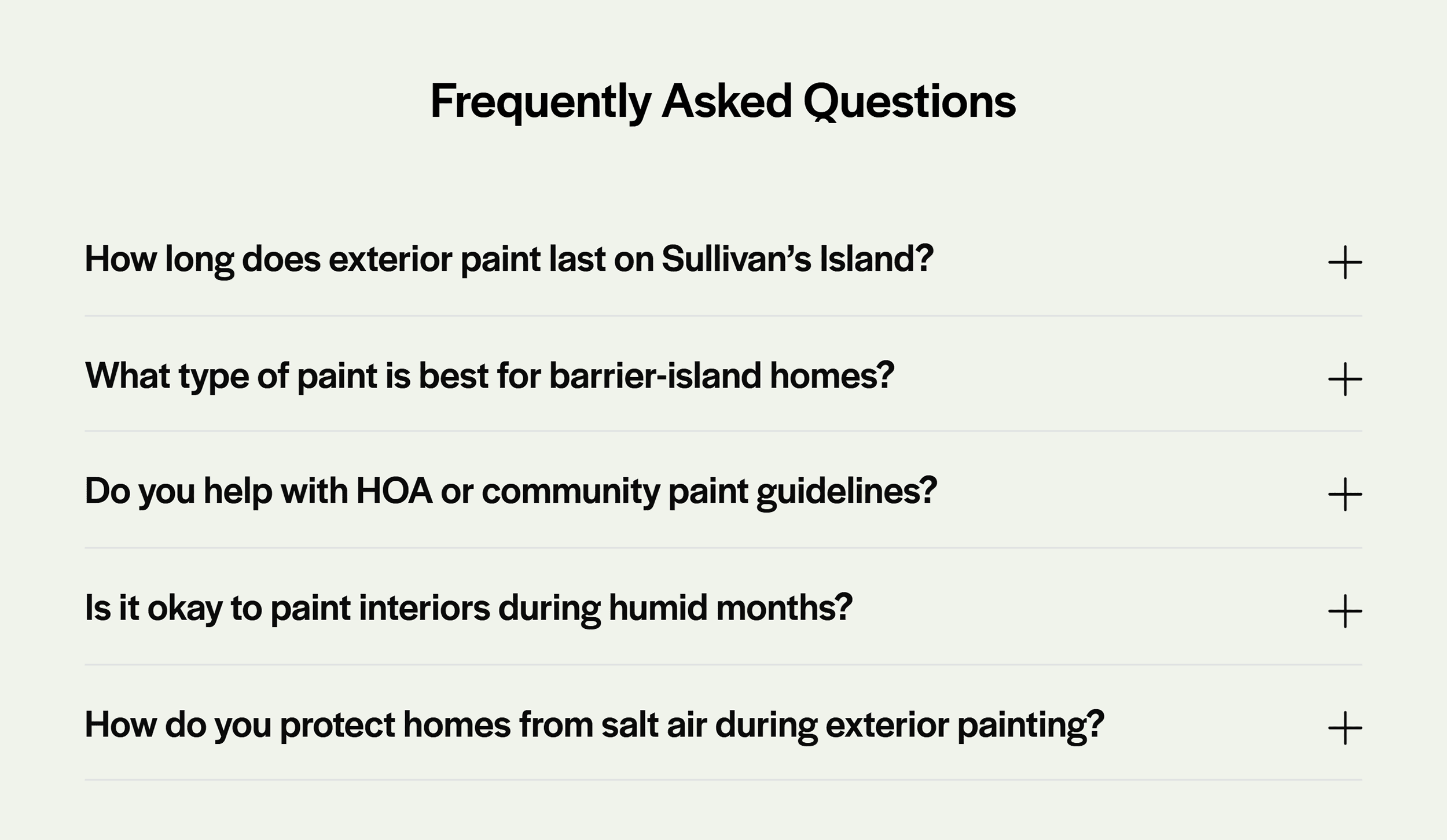
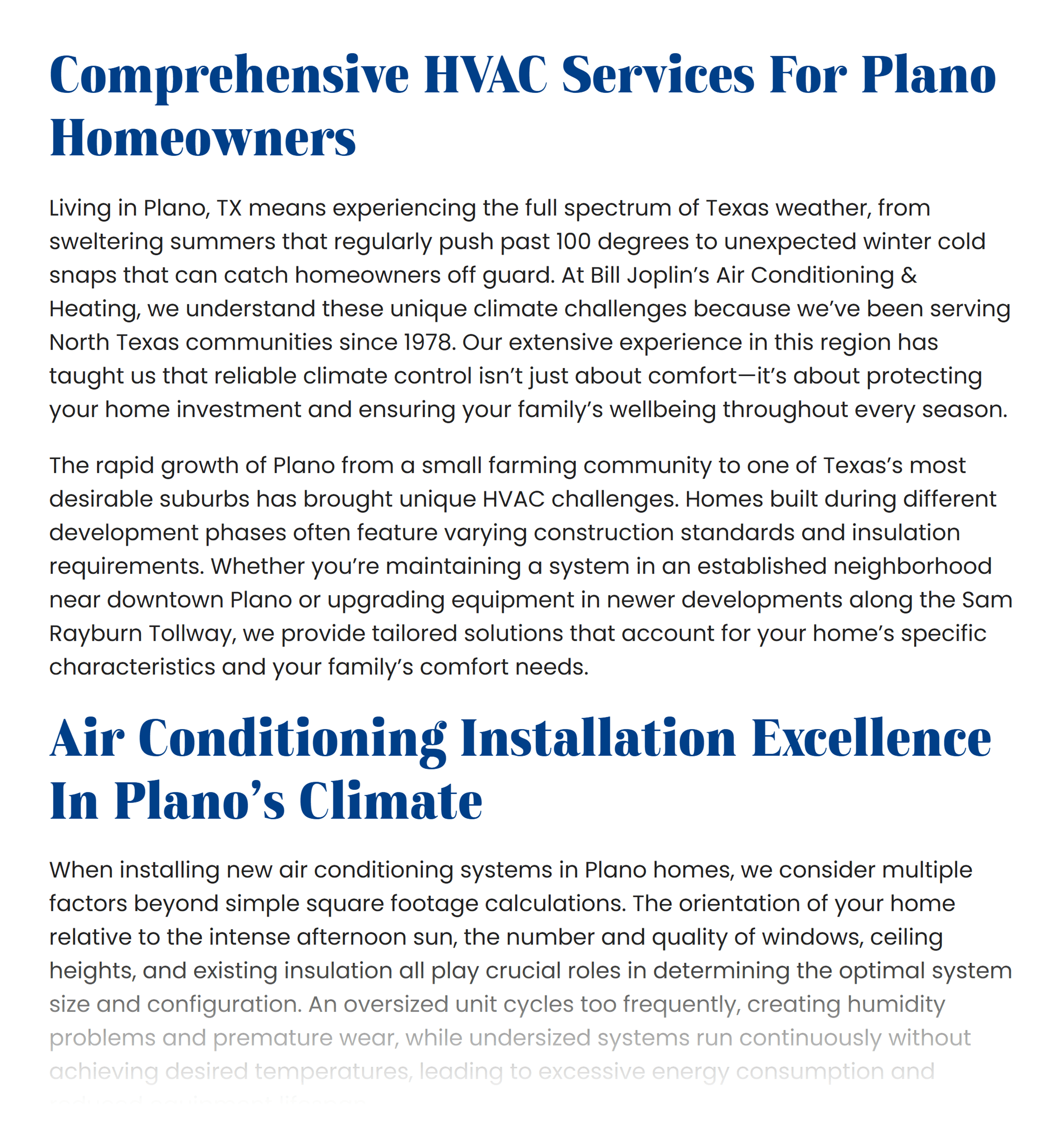
Stop swapping city names. Google identifies this as thin, duplicate content. Instead, provide neighborhood-specific details. A painting company’s location page for a historic district should include FAQs about historic preservation permits. An HVAC company’s page for a specific suburb should discuss how that area’s climate or housing density affects system sizing. These are the details only a local expert would know.
Right-Size Your Content Depth
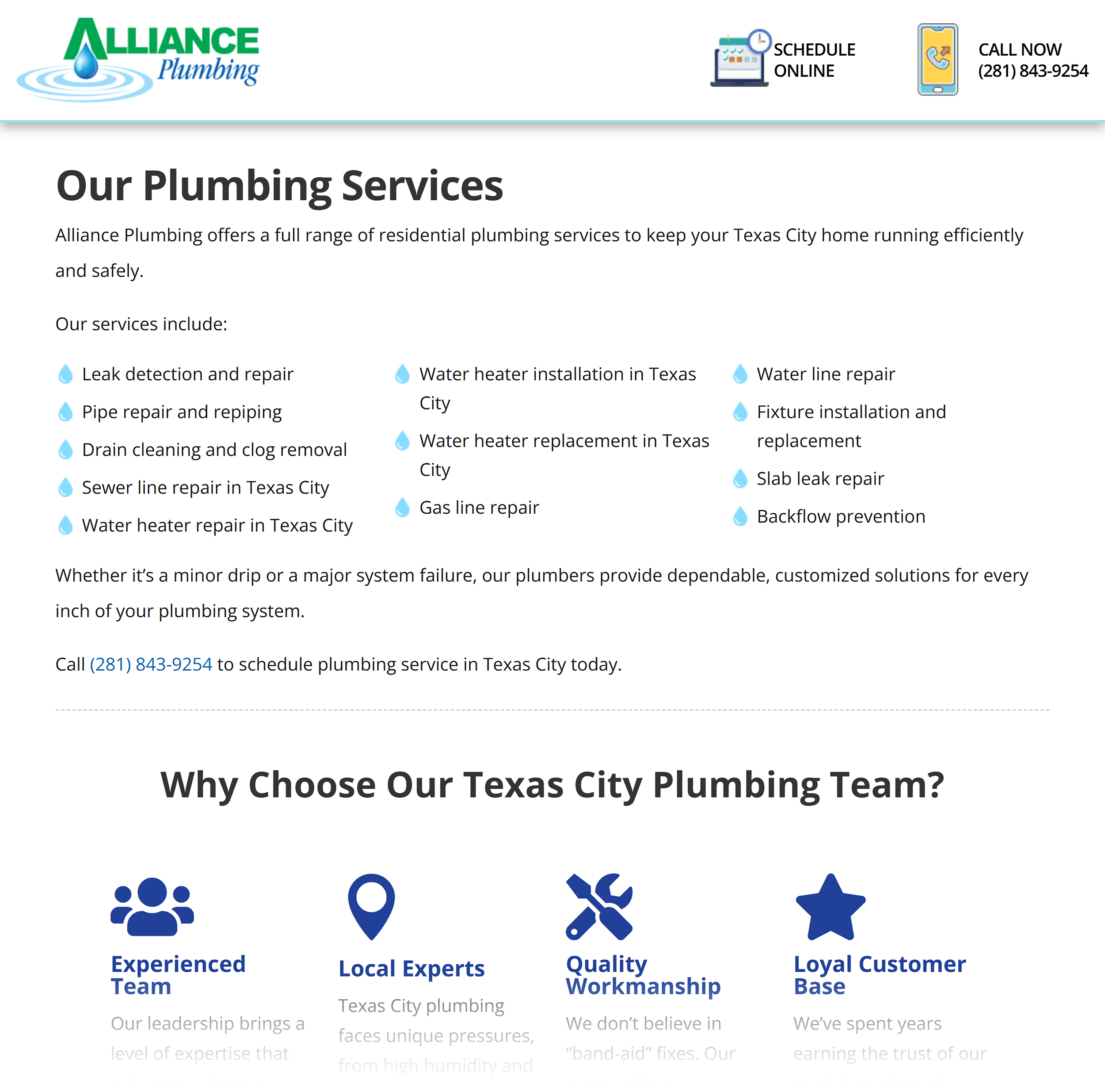
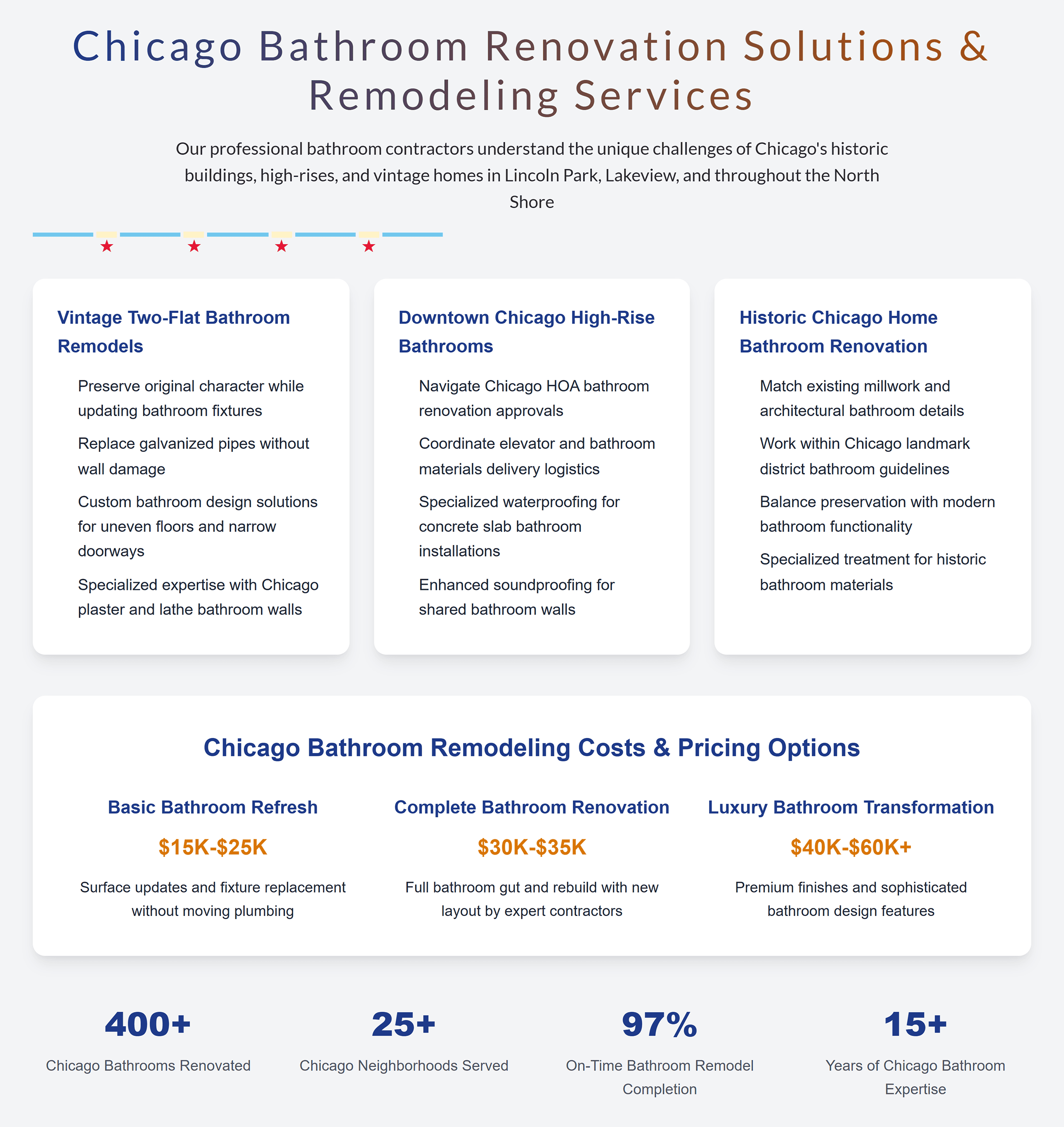
Not every page requires 2,000 words. Major purchases like home remodeling or legal services require extensive, information-heavy pages because the financial and emotional stakes are high. However, a local laundromat page can be lean and functional. Match your content depth to the level of consideration required for your service.
Authority and Trust
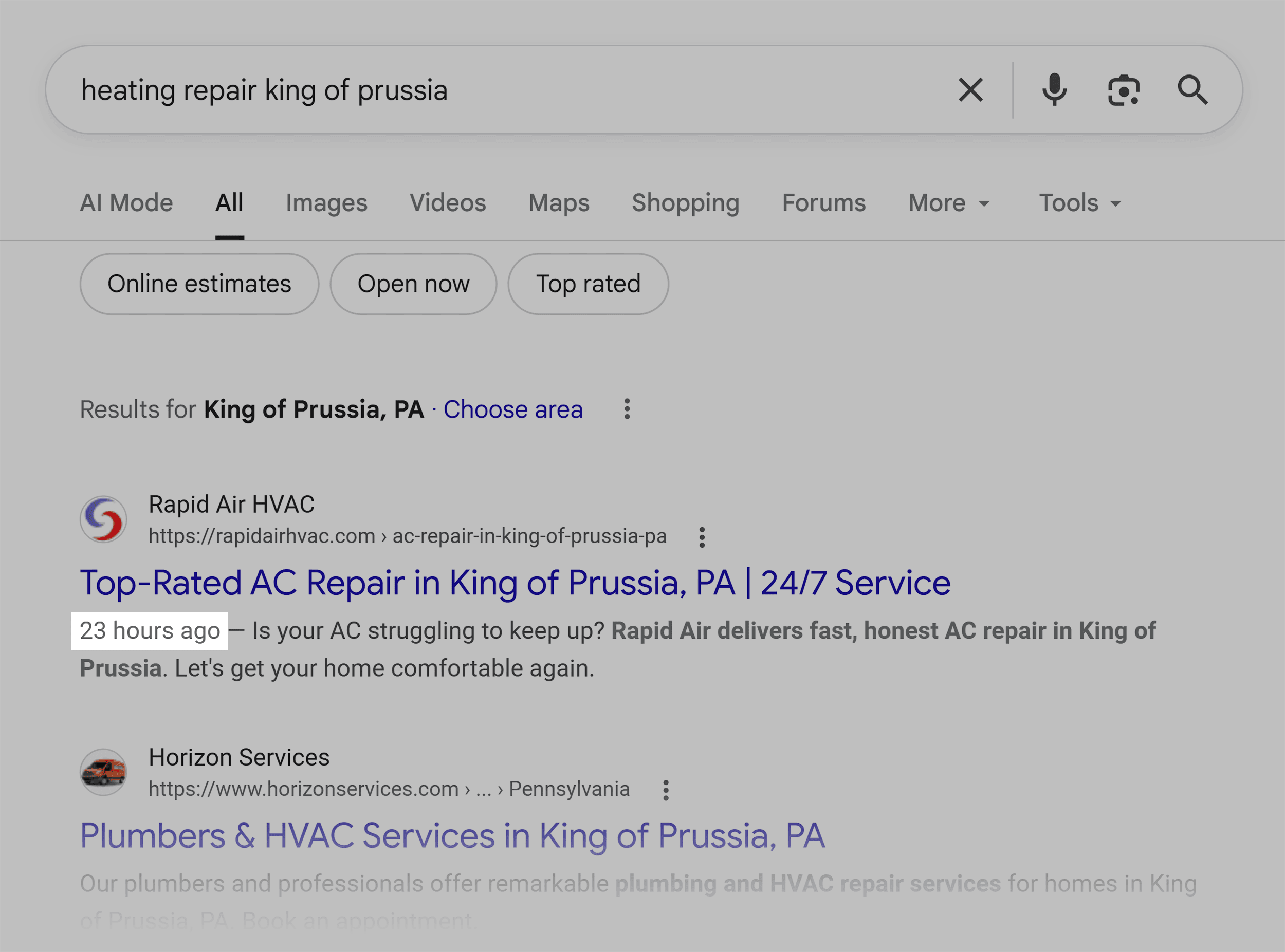
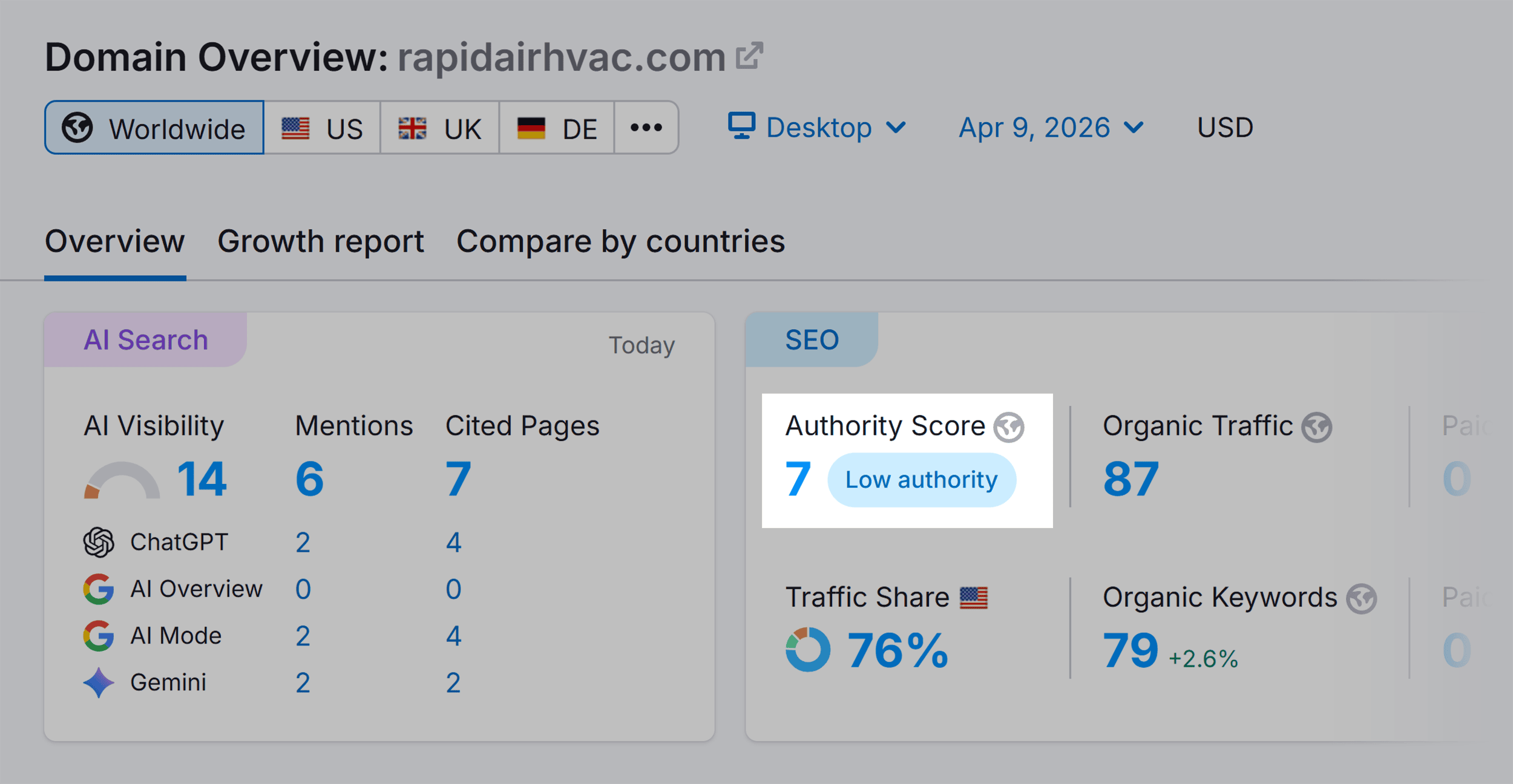
While Domain Authority (DA) matters, it isn’t the ultimate factor. Well-structured location pages on domains with lower Authority Scores can—and do—outrank high-authority national competitors by focusing on searcher intent. A well-built page beats a thin page on a high-authority site every time.
Structuring for AI and Search Engines
Schema markup is no longer an optional "extra"—it is table stakes. At a minimum, your pages should include LocalBusiness, FAQPage, and Review schema.
Optimizing for AI Citations
When a user asks an AI for local recommendations, your goal is to be the business the AI cites. My research into 725 AI citations revealed that different platforms pull from different sources:
- Google AI Mode: Heavily favors review platforms like Yelp (32%) and community discussions like Reddit (30%).
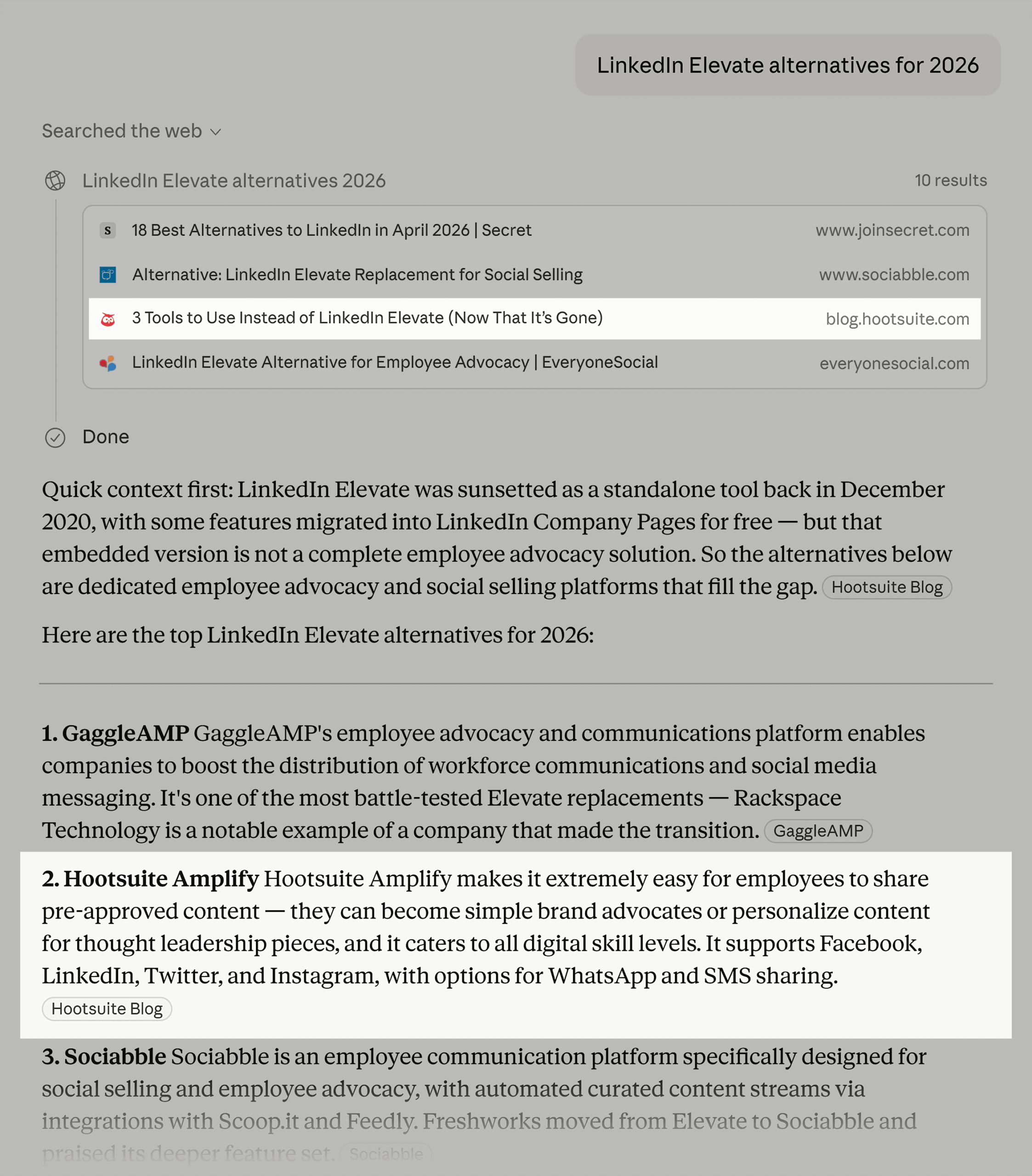
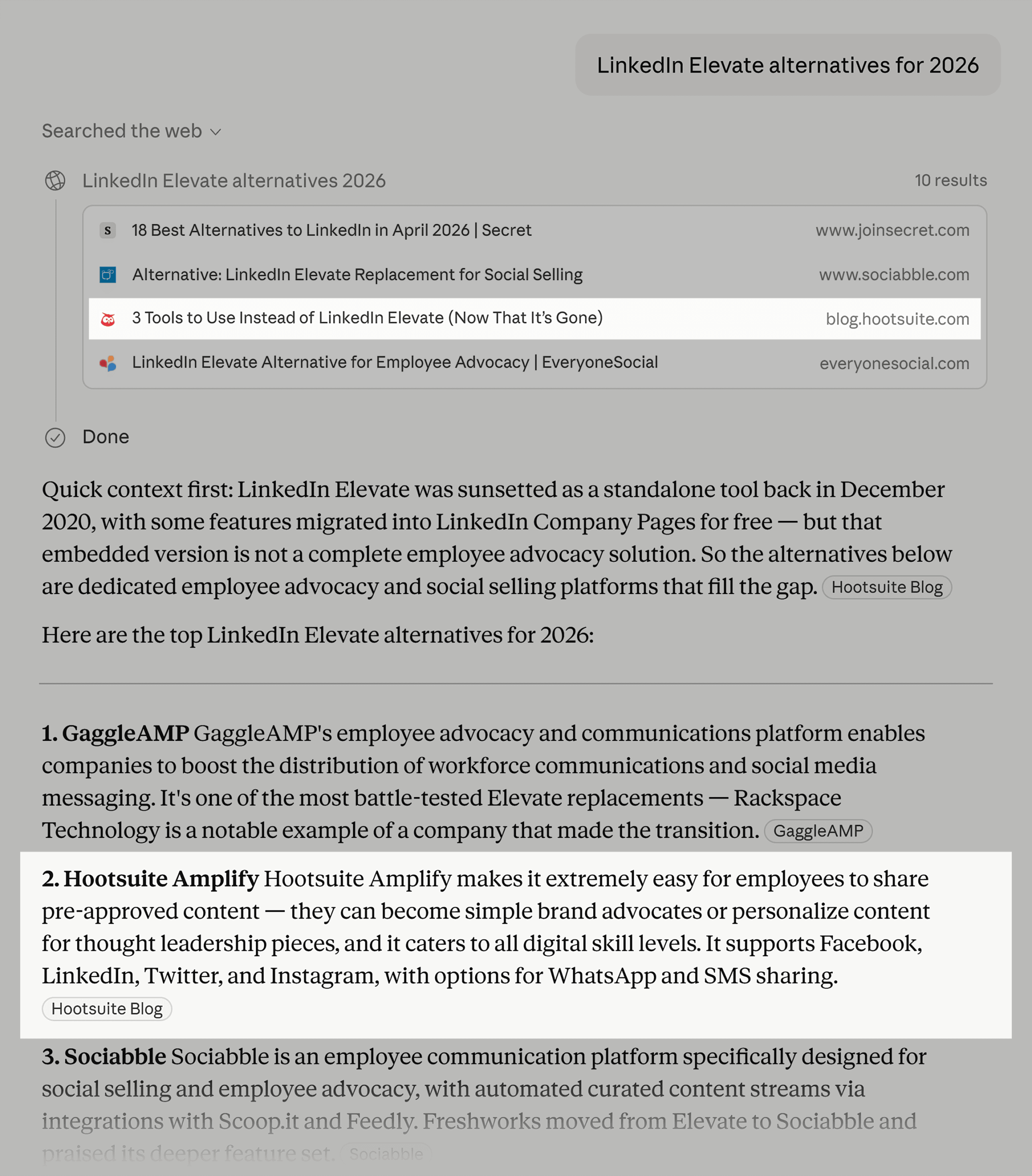
- ChatGPT: Heavily favors editorial "best of" lists (22%). Being featured in a local magazine’s "Top 10" is highly effective here.
- Perplexity: Favors direct business websites (73%). This is where your high-quality, data-rich location pages win.
To increase your chances, format your information in a way that is easily parsed. Use comparison tables, pricing breakdowns, and clear, header-based FAQ sections. LLMs (Large Language Models) are trained on Q&A content; if you write your questions exactly as users ask them and provide direct, factual answers, your chances of being referenced skyrocket.
Paid Landing Page Optimization
If you are running Google Ads, your location page is your landing page. Your ad copy must match the headline on the page. If your ad promises "24/7 Emergency Plumber in [City]," that must be the first thing the user sees. Mismatching your ad copy with a generic landing page is a fast way to bleed your advertising budget.
Scaling for Enterprise: The "System" Approach
When managing hundreds of locations, consistency is your biggest challenge.
- Brand Standards: Use centralized CMS templates that lock in core messaging, legal disclaimers, and service descriptions, while allowing local managers to update testimonials, staff bios, and photos.
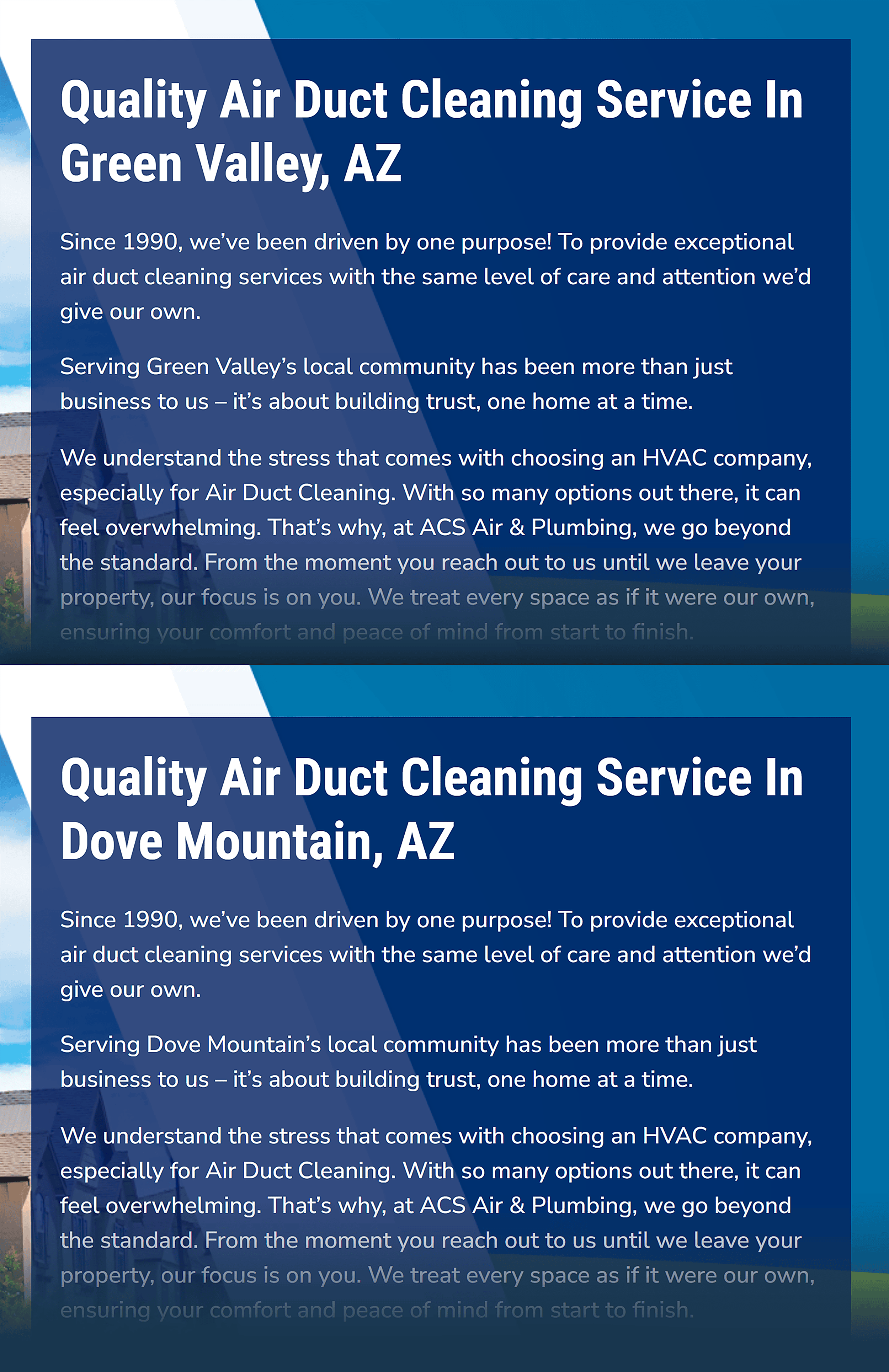
- Avoid the Duplicate Trap: Audit regularly for pages that are too similar. If you are using a programmatic approach, ensure you are pulling in unique, real-time data for every single page.
- Content Ownership: Implement a hybrid team structure. A central SEO team owns the template and technical health, while local branch managers or regional marketing leads own the "hyperlocal" content and testimonials.
- Audit Cadence: Set a quarterly refresh cycle for all location pages. If a page isn’t earning traffic or driving conversions, delete it. A "pruned" site is healthier than a bloated site full of outdated, low-traffic pages.
Conclusion: Start Small, Scale Smart
Do not attempt to launch 50 pages at once. Start with your most important location. Build it, test it, and refine it until it ranks, converts, and generates citations. Once you have a proven model, roll that structure out to the rest of your locations.
A single, well-built location page is a multi-functional asset. Most of your competitors will never put in the effort to build them properly, and therein lies your competitive advantage. By treating your location pages as high-value content hubs rather than mere directory entries, you can dominate the local search landscape for years to come.