In the vast, crowded expanse of the internet, millions of blog posts are published every single day. Many creators follow the digital rulebook to the letter: they optimize for search engines (SEO), they adhere to strict content calendars, they utilize high-end web design, and they ensure their grammar is flawless. Yet, despite checking every technical box, many find their traffic stagnant and their engagement non-existent.
The missing link is rarely a lack of information or a failure of marketing strategy. More often, it is a deficit of humanity. In an age of AI-generated content and mass-produced listicles, the most successful blogs are those that prioritize personality—the unique, irreplaceable essence of the creator that transforms a website from a utility into a community.
The Anatomy of Connection: Why Personality Matters
The digital landscape has shifted from a "search-first" mentality to a "trust-first" economy. When readers land on a site, they are not just looking for an answer; they are looking for a voice. Personality acts as the primary filter for brand loyalty.
When a blogger infuses their work with personal anecdotes, distinct opinions, and a singular visual style, they move from being a commodity to a personality. This creates a "parasocial" bond—a psychological phenomenon where readers feel they know the creator, leading to higher retention, deeper trust, and ultimately, a more sustainable business model.

A Chronology of Personalization
The evolution of blogging has seen a clear progression:
- The Early Web (1995–2005): The era of the "online diary." Blogs were inherently personal, often rambling, and raw.
- The Professionalization Era (2006–2015): The focus shifted to monetization, SEO, and the "Expert" persona. Many blogs lost their personal edge in favor of corporate-style sterility.
- The Authenticity Revolution (2016–Present): With the saturation of content, the pendulum has swung back. Readers are now actively seeking the "human" behind the screen. Those who successfully blend professional expertise with authentic personality are currently dominating their respective niches.
Case Studies: 10 Methods for Infusing Personality
To understand how to successfully weave personality into a professional blog, we can look at ten industry leaders who have mastered the art of being human in a digital space.

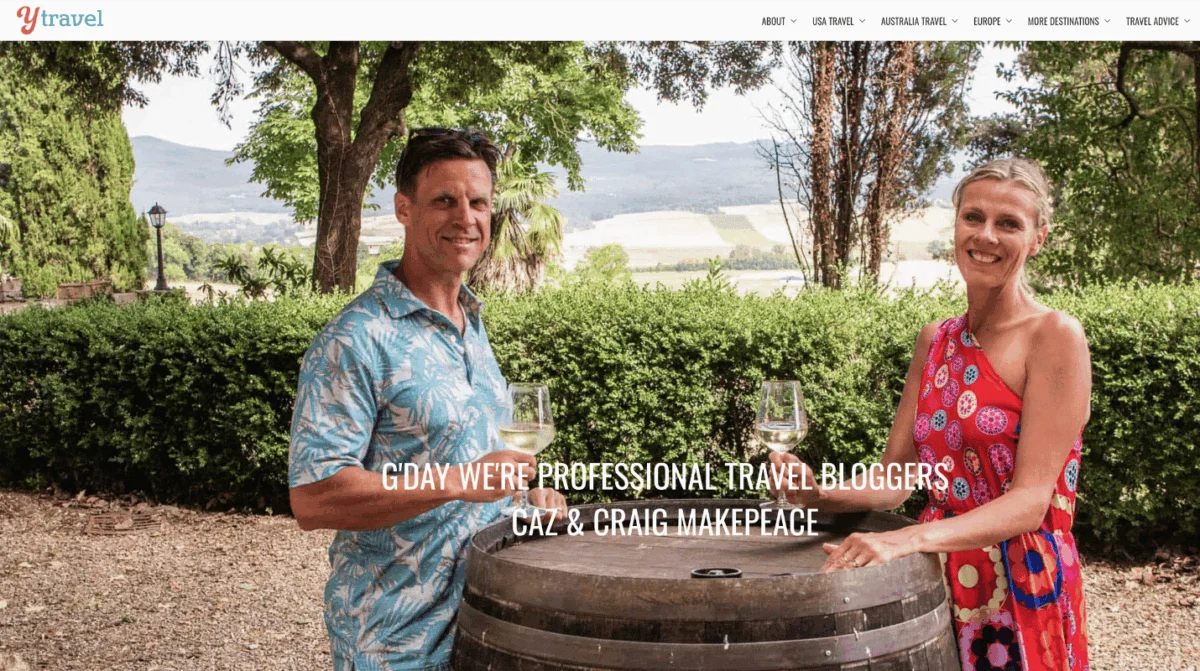
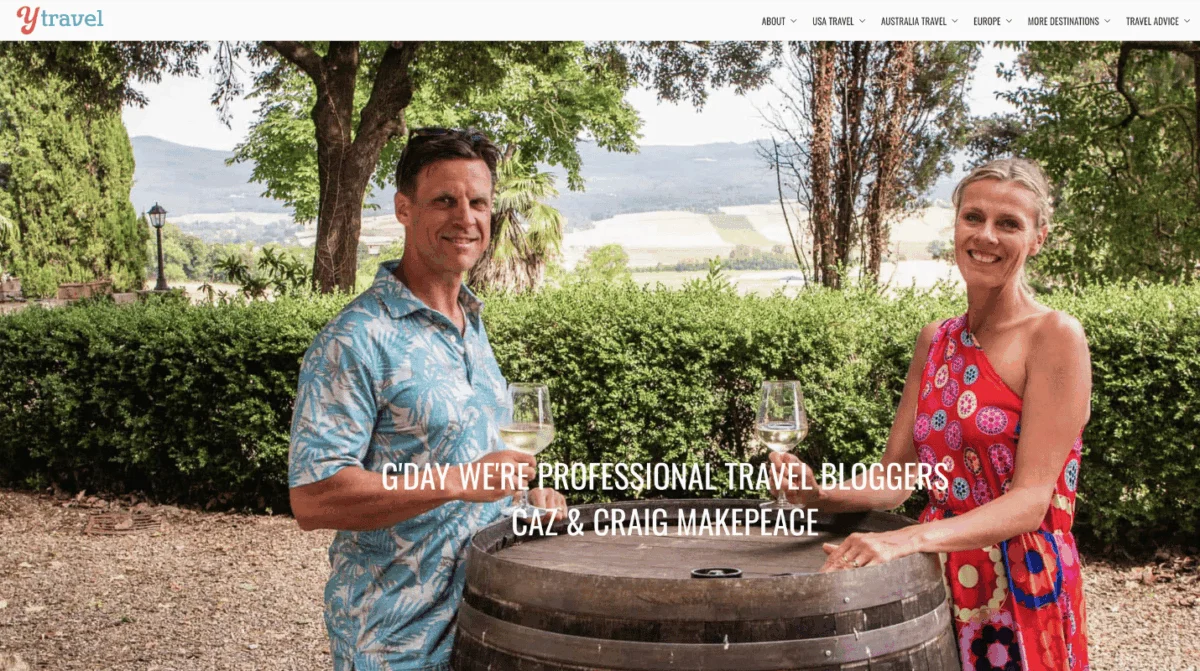
1. Visual Storytelling: YTravel
Travel blogging is inherently visual, but Caz and Craig of YTravel set themselves apart by prioritizing the "family" element. By sharing candid, smiley, and often messy snapshots of their lives alongside their professional travel advice, they humanize the nomadic lifestyle.
- Lesson: Use photos not just to decorate a post, but to bridge the gap between the reader’s life and your own.
2. The Power of "Flair": Smart Passive Income
Pat Flynn’s branding is a masterclass in transparency. By explicitly listing his identity markers—"father, husband, serial entrepreneur"—he creates an immediate point of connection. His inclusion of "quirky humor" (such as his self-proclaimed role as "protector of baby Yoda") proves that professionals do not need to be stiff to be authoritative.

- Lesson: Professionalism does not require the removal of your personality; it requires the strategic curation of it.
3. The Polarizing Voice: Shannon Kelly White
Not every brand is for everyone. Shannon Kelly White utilizes a distinct, salty tone that is authentic to her, even if it risks alienating some readers. By leaning into her own voice—complete with adult language—she builds an incredibly loyal, albeit specific, audience.
- Lesson: Being everything to everyone results in being nothing to anyone. A strong voice attracts the right audience and repels the wrong one.
4. Visual Branding: Blog Tyrant
Ramsey from Blog Tyrant utilizes custom illustrations—specifically his "red-shirted superhero" avatar—to create a visual shorthand for his brand. This makes the site instantly recognizable and adds a layer of gamification to his content.

- Lesson: If you aren’t an artist, hire one. A custom avatar can do more for brand recognition than a thousand stock photos.
5. The "About" Page Pivot: A Beautiful Mess
Most bloggers treat the "About" page as an afterthought. Elsie and Emma of A Beautiful Mess treat it as the most important page on the site. By providing a warm, visually striking, and concise introduction, they invite the reader into their world immediately.
- Lesson: Your "About" page is often the first place a new visitor goes to decide if they like you. Make it count.
6. Cross-Platform Consistency: Chris Ducker
Consistency is the bedrock of trust. Chris Ducker uses identical headshots and tone across his blog, social media, and professional appearances. This ensures that whether a reader finds him on LinkedIn or his own site, the experience is uniform.

- Lesson: Your brand is an ecosystem. Ensure your visual identity and tone are consistent across every digital touchpoint.
7. Color Psychology: Jadah Sellner
Jadah Sellner’s site is a masterclass in cohesive color palettes. By aligning her wardrobe, the site’s typography, and the feature images to a single, warm, earthy aesthetic, the brand feels like an extension of the person herself.
- Lesson: A deliberate color scheme creates a feeling of professionalism and emotional resonance.
8. The Brand Statement: SuperFastBusiness
James Schramko provides a clear, concise brand statement at the very top of his site. He identifies who he is, what he does, and for whom. This removes the friction of discovery for the reader.

- Lesson: Don’t make the reader guess. State your value proposition with clarity and conviction.
9. The Direct Call to Action: Kelly Exeter
Kelly Exeter’s approach is refreshing because it is direct. She uses a clear, simple CTA (Call to Action) that guides the user to exactly what they need. It is not hidden behind complex funnels; it is a human request for a connection.
- Lesson: Simplify your path to conversion. If you have something to offer, be bold enough to ask for the click.
10. Audience Identity: Puttylike
Emily at Puttylike does something brilliant: she defines her reader. By using the term "Multipotentialite," she gives her audience a community to belong to. When readers identify with a label, they become more than just visitors; they become members of a movement.

- Lesson: Build a community, not just a list. Give your readers a name and a sense of belonging.
Supporting Data: The ROI of Authenticity
Studies in digital marketing consistently show that "humanized" content performs better. According to research on consumer trust, 86% of consumers say authenticity is a key factor when deciding what brands they like and support. Furthermore, posts that feature the author’s perspective (first-person narrative) see a 30% increase in average time-on-page compared to objective, third-person tutorials.
Official Responses and Industry Shifts
Industry experts at platforms like ProBlogger have long argued that the "Google-first" era of writing for robots is coming to a close. With the rise of AI, search engines are increasingly prioritizing "E-E-A-T" (Experience, Expertise, Authoritativeness, and Trustworthiness). The "Experience" component is perhaps the most critical—it is the one thing AI cannot replicate. It is the story only you can tell.

Implications for Future Creators
The implication for bloggers is clear: if you are writing dry, emotionless content, you are fighting a losing battle against algorithms. To thrive in the coming decade, creators must lean into their quirks, their failures, their specific visual tastes, and their unique life experiences.
The Path Forward:
- Audit your "About" page: Does it reflect who you are today, or who you were when you started?
- Audit your imagery: Are you using stock photos, or are you documenting your journey?
- Find your voice: If your writing sounds like a textbook, start writing like a conversation.
- Define your tribe: What do you call your readers? What do they believe in?
Ultimately, the goal of blogging should not be to build a content factory, but to build a digital home. When you infuse your blog with personality, you aren’t just creating content—you are creating a connection that can endure the changing tides of the internet. The most valuable asset you possess is not your SEO strategy or your tech stack; it is the unique perspective you bring to the table. Embrace it, showcase it, and watch as your readers transition from passive consumers to active, engaged participants in your brand’s journey.