The WordPress ecosystem has long been defined by more than just its software; it is defined by its people. From the early days of "five-for-the-future" to the massive, sprawling WordCamps that once filled convention centers globally, the community has served as the heartbeat of the open-source project. However, as the world navigates the mid-2020s, a pressing question has emerged: What happens when the physical glue that held the community together begins to dry?
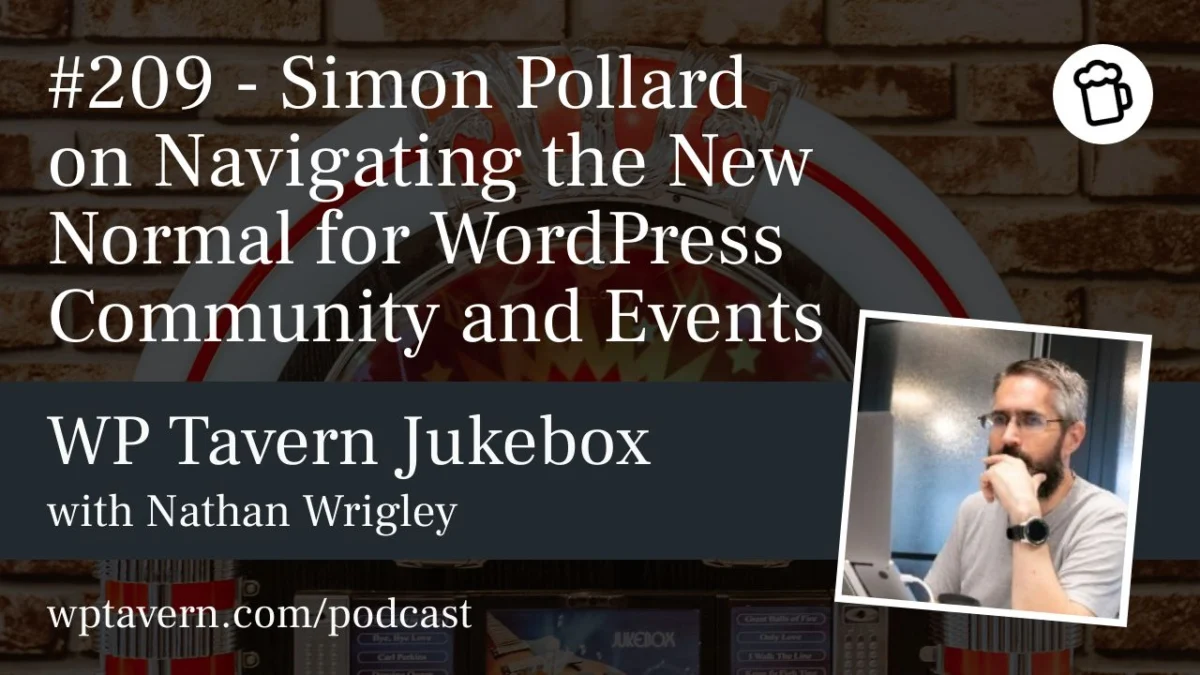
In a recent episode of the WP Tavern Jukebox podcast, host Nathan Wrigley sat down with veteran web developer and former Bristol WordPress Meetup organizer Simon Pollard to dissect this "new normal." Their conversation offers a sobering look at how the COVID-19 pandemic fractured the social infrastructure of the WordPress community and the uphill battle to reconstruct it in a digital-first, fragmented world.
The Rise and Fall of the "Pub Meetup"
To understand the current challenges, one must look at the trajectory of local WordPress gatherings. In the decade leading up to 2020, WordPress Meetups were the gold standard for developer networking. In cities like Bristol, these groups started as informal, grassroots gatherings—often just a handful of developers sharing a drink at a pub.
Pollard recalls the growth phase with a mix of nostalgia and pride. "It progressed from being casual chats to making it more official," he explains. With the help of key community figures like Jenny Wong, the Bristol Meetup achieved official WordPress backing. This provided the financial stability to secure venues and, crucially, the budget for catering. By the end of 2019, the Bristol group was a well-oiled machine, regularly drawing 30 to 40 attendees and maintaining a dedicated organizing team of seven.
Then, the "sword of Damocles"—the COVID-19 pandemic—fell. Overnight, the physical gathering space was shuttered. For many, this wasn’t just a pause; it was an exit. Technology barriers, the lack of appetite for virtual-only events, and the sheer exhaustion of living through a global crisis caused these vibrant communities to fizzle out almost instantly.
A Chronology of Disconnection
The timeline of this decline is consistent across much of the UK’s tech scene:
- 2017–2019 (The Golden Era): Peak attendance for local Meetups. High levels of engagement on centralized social platforms like Twitter. A robust culture of mentorship and in-person knowledge sharing.
- 2020–2022 (The Great Pause): Physical events cease. The community retreats into domestic isolation. The "always-connected" nature of remote work leads to screen fatigue, discouraging participation in virtual meetups.
- 2023–2025 (The Fractured Return): As restrictions lift, the return to in-person events is sluggish. Organizers face "turnover trauma"—the difficulty of handing off leadership roles—and a lack of a unified digital town square to promote events.
- 2026 (The Search for New Meaning): A realization that simply restarting the old model is not enough. The audience has changed, the habits have changed, and the platforms used for communication have shattered.
The Changing Social Fabric: Why We Can’t "Just Go Back"
One of the most profound insights from the discussion is the psychological barrier to returning to the "old ways." While many expected a post-pandemic renaissance of social activity, the reality has been far more complex.
"I had put things on pause," Pollard notes. "During the COVID times, I was fortunate enough to have a baby… my focus shifted. The evenings, when I used to have the time to go to Meetups, I would just prefer to sit. I didn’t have any energy."
This sentiment is mirrored across the industry. After years of being told that the "outside" was dangerous and that screens were our only window to the world, the habit of retreating into one’s home has become deeply ingrained. Furthermore, the loss of a centralized social media hub has made event promotion difficult. In the past, a single post on Twitter could reach the entire local WordPress community. Today, the user base is splintered across various niche platforms, making it nearly impossible to broadcast events effectively.
The "AI Effect" and the Erosion of Community Knowledge
Beyond social habits, there is a structural threat to the community: the rise of Artificial Intelligence as a substitute for human interaction.
Historically, the WordPress community was built on the "Stack Overflow model." When a developer hit a wall, they would search for an answer, find a post from a fellow human, and perhaps engage in a dialogue to solve the problem. This process built relationships.
Today, AI agents provide near-instant answers without the human context. "Your answer is coming from the AI agent you are using, not from whoever actually came up with that answer," Pollard observes. "You don’t have to reach out to a person anymore… and you aren’t exposed to the community." If the utility of the community—getting technical answers—can be offloaded to a bot, the primary driver for many developers to seek out their peers has been diminished.
The Path Forward: Can We Rebuild the Spirit?
Despite these challenges, there is a consensus that the "in-person" element is irreplaceable. The "warmth in the room," the ability to discuss non-technical passions like music, and the serendipity of meeting a mentor cannot be replicated on a Zoom call.
Redefining the Meetup Experience
Pollard and Wrigley suggest that the future of WordPress community events may need to be less "purely WordPress" and more "holistic."
- Diversification of Content: Moving away from strictly technical WordPress talks to broader subjects that appeal to the creative and professional interests of attendees.
- Integration of Arts and Tech: Suggestions include incorporating live music, film, or other creative showcases alongside technical tracks. Given the high correlation between WordPress developers and musicians, this could serve as a powerful attractor.
- Focus on the "Hallway Track": The real value of these events is often not the presentation itself, but the debriefing—the social time after the talks. Prioritizing this social element is crucial to building the "stickiness" that keeps people coming back.
Official Responses and Industry Outlook
While WordPress remains a dominant force on the web, its long-term success as an open-source project is inextricably linked to the health of its community. If the "maven" class of community connectors—those who bridge the gap between people—disappears, the project risks becoming a cold, utilitarian tool rather than a vibrant ecosystem.
The current challenge for organizers is not just to host an event, but to justify the time investment in an age of hyper-compelling home entertainment and AI-driven convenience. As Pollard concludes, the community is not dead; it is simply in a state of flux. "It hasn’t died out, it’s just a little bit smaller than it was."
The task ahead for the WordPress community is to determine what the "new" gathering looks like. Whether it is a smaller, more intimate format or a hybrid of professional networking and social entertainment, the goal remains the same: to foster the human connections that allow innovation to thrive. The era of assuming that "if we build it, they will come" has ended; the era of intentional, community-centered design has begun.