In the vast and evolving ecosystem of WordPress, the path from a casual user to a skilled architect is rarely linear. For many, the journey begins with the simplicity of point-and-click page builders, but often hits a ceiling when the desire for bespoke control, performance optimization, and deep customization takes hold. Enter WP Rig, a free, open-source theme development toolkit that serves as both a scaffold and an educational lighthouse for developers looking to move beyond the limitations of standard theme repositories.
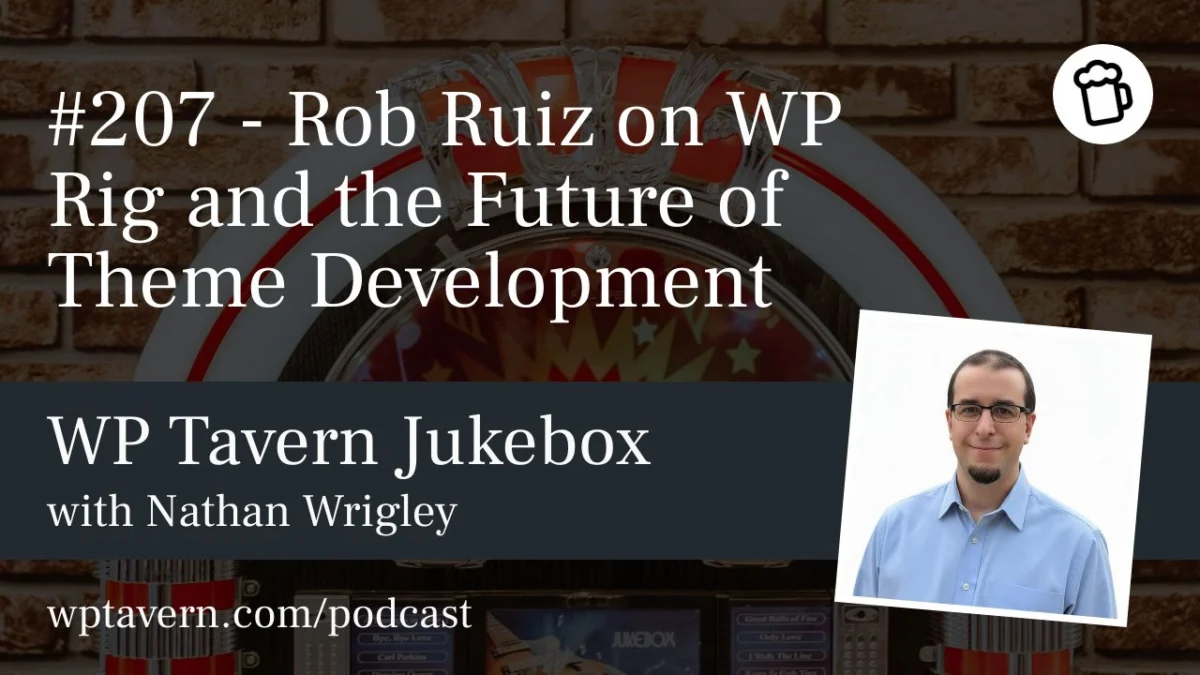
Currently helmed by lead maintainer and software architect Rob Ruiz, WP Rig is undergoing a renaissance. With the release of version 3.0, the project has been overhauled to meet the demands of modern web development, positioning itself as a vital tool for those who want to understand the "nuts and bolts" of the WordPress engine while adhering to the highest professional coding standards.
The Genesis and Evolution of WP Rig
The story of WP Rig is one of community-driven innovation. Originally conceived to provide developers with a modern, best-practice-driven starting point, it was designed to bridge the gap between "out-of-the-box" themes and the daunting complexity of building a site from scratch.
From Designer to Architect
Rob Ruiz’s personal trajectory reflects the very mission of the project. A designer since the early 2000s, Ruiz found in WordPress a platform that facilitated his transition into a software engineer and architect. His discovery of WP Rig was serendipitous; he was searching for a framework that aligned with WordPress core principles while enforcing high-quality coding practices. When the project sought new leadership, Ruiz stepped forward, eventually becoming the sole custodian of the toolkit. Under his guidance, the project has shifted from a legacy Gulp-based workflow to a streamlined, high-performance architecture utilizing modern tools like esbuild and Lightning CSS.
Modernizing the Toolkit: What’s Under the Hood?
WP Rig is not merely a "starter theme." It is a comprehensive development environment. For the uninitiated, moving from a standard WordPress admin interface to a terminal-based workflow can be intimidating. However, WP Rig is designed to make this transition manageable.
Essential Components
To leverage the full power of WP Rig, a developer must interface with several industry-standard tools:
- Node.js: A JavaScript runtime that allows for server-side processing of assets.
- Composer: The industry-standard dependency manager for PHP, ensuring that the theme’s code remains modular and scalable.
- Local Development Environments: Tools like Local WP or wp-env are integrated into the workflow, allowing developers to test changes in real-time on their own machines rather than on a live server.
The Power of "Guardrails"
One of the most compelling aspects of WP Rig is the inclusion of built-in "guardrails." The project integrates the WordPress Coding Standards (WPCS), a set of rules that ensures code is secure, performant, and maintainable. By running these automated checks, developers can identify potential issues long before they submit their work to the WordPress repository or deploy it for a client. This proactive approach to quality control is a significant value-add for developers who wish to ensure their code meets global standards.
The Shift Toward Full Site Editing (FSE)
The advent of Full Site Editing (FSE) and block-based themes has sent ripples through the WordPress community, leading to debates about the necessity of custom theme development. Some argue that the block editor has made traditional theme building obsolete. Ruiz takes a more nuanced view.
A Hybrid Approach
WP Rig has evolved to support the changing landscape. It now facilitates multiple paradigms, including classic PHP-based themes, hybrid themes, and fully block-based structures.
- Adaptability: With a simple command-line input, developers can transform the framework to suit different project needs.
- Theme-Level Blocks: While some purists argue that custom blocks belong in plugins, WP Rig allows for block authoring at the theme level. This is particularly useful for highly specialized UI components, such as custom navigation systems, where a theme-specific solution is cleaner and more performant than a bloated plugin.
Educational Implications: Why "Tinkering" Matters
At its core, WP Rig is an educational tool. It encourages users to look beneath the surface—to understand the HTML, CSS, and JavaScript that power the web.
The Value of Open Standards
Ruiz emphasizes that as the web matures, the reliance on proprietary, restrictive page builders can become a liability. By learning to build custom themes, developers gain true "ownership" of their site’s architecture. They are no longer at the mercy of a page builder’s settings or a theme author’s limitations.
"The more contributors we have to WordPress, the more WordPress itself will flourish," says Ruiz. By providing a platform where novices can take "small nibbles" at complex code, WP Rig acts as a pipeline, turning curious tinkerers into the next generation of WordPress contributors.
Official Perspective: Maintaining the Standard
The current status of the project is one of active development and community outreach. While the initial surge of interest surrounding the project’s launch has mellowed, the technical foundation of version 3.0 is objectively stronger and more efficient than its predecessors.
Community Involvement
Ruiz is actively seeking to expand the contributor base. Currently, the project is maintained by a small group of ambitious developers who jump in when time permits. To facilitate collaboration, the project has established:
- A Discord Server: Providing a direct line of communication for those needing guidance.
- GitHub Repository: Serving as the central hub for issue tracking and code contributions.
- Extensive Documentation: A dedicated "Learn" section that breaks down complex topics, from CSS nesting to PHP best practices.
For those interested in contributing, the project’s contributing.md file serves as a roadmap for getting involved. Whether it is reporting a bug, suggesting a new feature, or improving the documentation, the project is open to input from anyone willing to help move the needle on professional theme development.
The Future of Custom Theme Development
The landscape of web development is changing rapidly. With modern CSS features—such as native nesting and container queries—becoming standard, the role of developers is shifting from "writing workarounds" to "implementing standards." WP Rig is positioned to stay ahead of this curve.
Why This Matters
For agencies and freelancers, WP Rig offers a "home base." It provides a consistent, opinionated framework that ensures every developer on a team is following the same protocols. This consistency is invaluable when handing off projects or collaborating on large-scale builds.
Ultimately, the choice to use a tool like WP Rig is a choice to prioritize long-term sustainability over short-term ease. It is a commitment to the open web and a refusal to be constrained by closed systems. For those ready to move from the passive observer to the active creator, WP Rig provides the keys to the kingdom.
Getting Started
For those who want to begin their journey, the resources are readily available. By visiting wprig.io, users can access the full documentation, download the latest version, and join the community. Whether you are looking to build your first custom theme or you are a seasoned architect looking for a more efficient workflow, the tools are there. As Rob Ruiz notes, "The beautiful thing about WordPress is that you can kind of pace yourself… and if it doesn’t work out, it’s easy to just deactivate it, delete it, and try again."
In an era where technology is increasingly black-boxed, WP Rig stands as a reminder of the power of the open, transparent, and hackable web. It is not just a toolkit; it is a catalyst for growth in the WordPress ecosystem.