In a significant strategic shift for the world’s most popular content management system, the WordPress project is moving toward a bold new era of community integration. By synchronizing major software releases with flagship international WordCamps, the project is attempting to transform the technical act of shipping code into a global, high-stakes celebration of open-source collaboration.
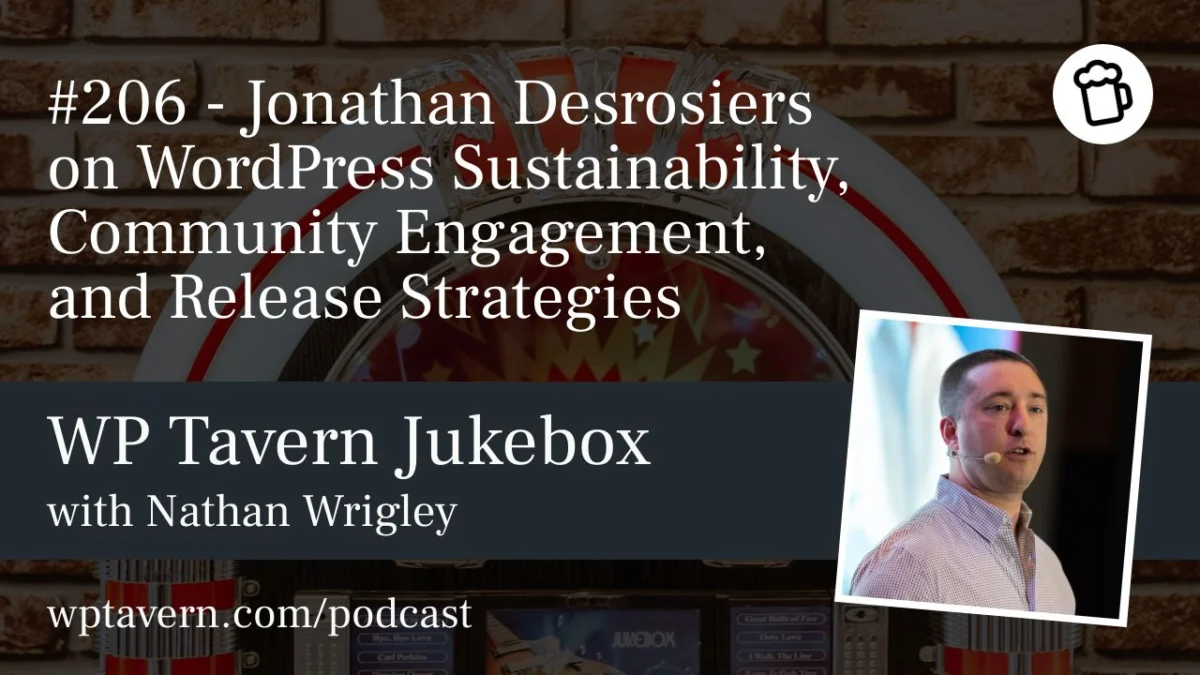
This evolution, spearheaded by contributors like Principal Software Engineer Jonathan Desrosiers, aims to do more than just update codebases; it seeks to revitalize the human connections that underpin the WordPress ecosystem. As the project navigates the post-pandemic landscape, this "event-based release" model represents a concerted effort to foster excitement, improve contributor engagement, and secure the long-term sustainability of the platform.
The Genesis of a New Release Strategy
The concept of aligning releases with live events was, in its infancy, a matter of serendipity. In late 2025, the release schedule for WordPress 6.9 inadvertently aligned with the annual State of the Word keynote in San Francisco. The resulting experience—a live, theatrical "big red button" moment—generated a level of public and community enthusiasm that had been absent from standard, routine updates.
"The more I’m involved in open source, the more I realize that the code and the license are important, but the most important thing is the community," says Jonathan Desrosiers, a long-time Core committer and advocate for the Five for the Future program. "Typically, we celebrate in Slack or on social media. Why not do that at the same time as our major events and create an ultimate celebration?"
For the 2026 calendar year, the WordPress leadership is intentionally testing this model. The proposed schedule maps the three major WordPress releases to the project’s three flagship events: WordCamp Asia, WordCamp Europe, and the year-end State of the Word. By binding the software’s lifecycle to these gatherings, the project hopes to transform every major release into a milestone event that feels like a television season premiere—a moment of anticipation, collective effort, and communal reward.
Navigating the Logistics of Global Coordination
While the vision is ambitious, the logistics of a global open-source project are notoriously complex. Synchronizing software releases with physical events introduces a layer of friction that most commercial software companies never have to manage.
The Challenge of Calendars
The primary hurdle is the sheer scale of the global WordPress community. Organizers of WordCamps plan their events based on regional holidays, venue availability, and seasonal weather—factors that rarely align with the technical requirements of a development sprint.
"It’s not reasonable for the Core team to say to a local organizing team, ‘You have to have an event in this month,’" Desrosiers explains. For instance, shifting WordCamp Asia from its traditional February slot to April creates a ripple effect, forcing the release team to carefully calibrate the development window to avoid overlapping with major religious holidays and global vacation periods that can lead to a "washed month" of inactivity, such as December.
The Myth of the "Big Red Button"
While the theatrical "big red button" seen at the State of the Word event served as a powerful PR tool, the reality of a release is far more distributed. The project relies on a "global coverage" model. By ensuring that release squads include contributors across multiple time zones, the project guarantees that as one region signs off—such as the conclusion of a Contributor Day at a WordCamp—another group of developers is ready to carry the torch. This ensures that the release process remains robust, regardless of whether a lead developer is stuck on an airplane or navigating a new city.
Supporting Data: An Acceleration in Adoption
Despite the potential for logistical friction, the data suggests that the project’s recent efforts to streamline the user experience are paying off. An internal analysis of the 6.9 release reveals a promising trend: users are adopting major updates faster than ever before.
According to data tracked by core contributors, every major version over the last six to eight releases has reached a 35% adoption threshold among all WordPress sites in two days or less. Notably, WordPress 6.9 reached the 50% threshold in just 10 days—four days faster than its predecessor. This accelerating trend suggests that the community is not only growing more comfortable with automated updates but is also finding the software increasingly stable and trustworthy.
Recovering the Community: The Post-COVID Landscape
Beyond the technical roadmap, there is a clear, sober acknowledgment that the community needs revitalization. The "long tail" effect of the COVID-19 pandemic caused a significant disruption in the pipeline of local leadership. Many long-time organizers of local Meetups burned out or moved on, leaving a gap in the grassroots mentorship that previously fueled the project.
"We’re dealing with a long tail COVID effect," says Desrosiers. "The pipeline of people learning under a lead and then taking over was totally disrupted."
Educational Initiatives as the New Pipeline
To address this, the project has leaned heavily into educational initiatives, such as the WP Credits program and structured Contributor Mentorship cohorts. These programs are designed to lower the barrier to entry, particularly for younger generations. By providing clear pathways for new users to become contributors, the project aims to turn the "withering" of local Meetups into a period of renewal.
The goal is to transition from a "reactive" community—where people only engage when something breaks—to a "proactive" community. By exposing younger users to the possibilities of building on the web, WordPress hopes to instill the same passion for open source that the current generation of contributors holds.
Implications for the Future: AI and the Resurgence of the Open Web
Perhaps the most compelling intersection of current trends is the role of Artificial Intelligence in WordPress’s future. As the project looks to attract a new generation raised on "walled garden" social media platforms, AI acts as a dual-edged sword.
Empowerment vs. Dependency
AI tools are lowering the technical barrier to entry. A user with little coding experience can now generate a functional, attractive website in minutes. While this brings concerns regarding code quality and security, it also provides a unique opportunity for empowerment. By using AI to distill vast amounts of documentation into personalized learning paths, the project can help new users transition from casual hobbyists to active builders.
The "Archaeology" of the Open Web
There is a growing sentiment among the community that the era of closed, siloed social media is reaching a point of diminishing returns. The recent surge in the popularity of RSS, the Fediverse, and personal blogging suggests that users are looking for control—a core tenet of the WordPress philosophy.
"People are starting to scoff at the walled gardens," Desrosiers observes. "There’s a resurgence in things like RSS… people are blogging more because they realize that their business on a social platform can be taken away."
Conclusion: A Sustained Commitment
As WordPress heads toward the end of 2026, the strategy is clear: bind the community together through shared events, support the growth of new contributors through education, and leverage modern tools like AI to make the "open web" more accessible than ever.
The success of this strategy will not be measured by a single release or a single event, but by the ability of the community to adapt. If the project can successfully weave together the excitement of a product launch with the foundational values of open-source collaboration, it may well secure its position as the bedrock of the web for the next two decades. For now, the focus remains on Mumbai, where the next major release will meet the energy of a global community, proving once again that in the world of WordPress, the code is only as strong as the people who stand behind it.