The "Fear of Missing Out"—universally known as FOMO—has long been the dark arts of the marketing world. It is the ticking clock on a checkout page, the "only 2 items left!" badge, and the curated social media feed that leaves consumers feeling perpetually inadequate. For years, digital designers and marketers have leveraged this psychological pressure to drive conversion rates, often at the expense of user trust and mental well-being.
However, a significant shift is occurring in the UX/UI landscape. Designers are beginning to realize that while FOMO is a potent motivator, the "fear" element is a double-edged sword. When pushed too far, it creates anxiety, resentment, and "buyer’s remorse." The current industry challenge is no longer about whether to use FOMO, but how to decouple it from its predatory roots to create more ethical, sustainable digital experiences.
The Science of FOMO: Why It Persists
At its core, FOMO is not just a marketing gimmick; it is a deep-seated psychological phenomenon. A seminal 2013 study published in Computers in Human Behavior defined the concept as "a pervasive apprehension that others might be having rewarding experiences from which one is absent."
The research established a direct correlation between high levels of FOMO and lower overall life satisfaction. When users are bombarded with artificial urgency, they are forced into a state of "analysis paralysis." The pressure to act quickly often results in poor decision-making, which in turn leads to negative brand sentiment. Regulators have taken note: the UK’s Competition and Markets Authority (CMA) has actively cracked down on hotel booking sites for using deceptive countdown timers and misleading "low stock" alerts.
The industry is reaching a consensus: if the tactic induces stress rather than excitement, it is not a conversion tool—it is a liability.
Chronology of a Design Shift
The evolution of FOMO in digital design can be traced across three distinct phases:
- The Era of Artificial Scarcity (2010–2015): This period was defined by the aggressive use of fake countdown timers and "limited time" pop-ups that reset upon page refresh. It was a "Wild West" era of dark patterns.
- The Regulatory Wake-Up Call (2016–2019): As platforms like Amazon and Booking.com faced increased scrutiny, designers began to pivot toward transparency. The focus shifted from manufacturing false urgency to highlighting genuine supply chain realities.
- The Human-Centric Evolution (2020–Present): Today, the gold standard involves "grounded" FOMO. Designers are now utilizing user-generated content, authentic inventory data, and personalized rewards to create a sense of opportunity without the underlying threat of exclusion or loss.
Supporting Data: The Cost of Deception
While aggressive FOMO might provide a short-term spike in conversion, the long-term implications for customer retention are dire. Data suggests that consumers are increasingly adept at identifying "fake" urgency.
A study by the Baymard Institute on checkout usability revealed that when users feel pressured by site elements, their completion rate drops by as much as 14% compared to sites that offer a calm, transparent checkout process. Furthermore, the "information cascade" theory—proposed by researchers like Paul Messinger—suggests that consumers are actually more likely to purchase when they see a product is "sold out" because they infer that the item is high-quality and popular. This validates the concept that honesty (displaying out-of-stock items) is more persuasive than the deceptive, high-pressure tactics of the past.
Strategies for Ethical Implementation
To leverage the positive aspects of FOMO while shedding the "fear," designers should adopt the following strategies:
1. Transparent Inventory Management
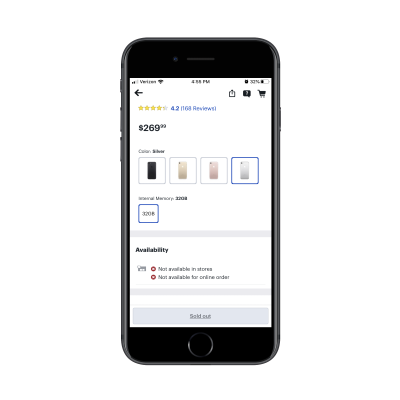
Instead of using red banners that scream "Only 1 Left!", brands like Best Buy provide clear, helpful context regarding in-store and online availability. If an item is out of stock, displaying that fact (and potentially offering a waitlist) builds credibility. It informs the user rather than threatening them, allowing them to make an informed decision without the immediate stress of a looming deadline.

2. Contextualized Expiration
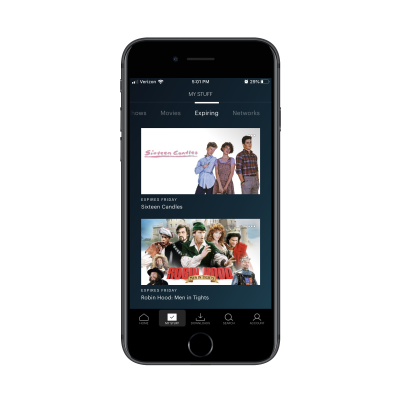
Content streaming services like Hulu demonstrate an excellent, ethical way to use urgency. By creating a dedicated "Expiring" tab, the platform provides value to the user—helping them decide what to watch from a cluttered queue—rather than just pushing them to consume content. This transforms the "use it or lose it" mentality into a helpful curation feature.
3. Leveraging Personalized Rewards
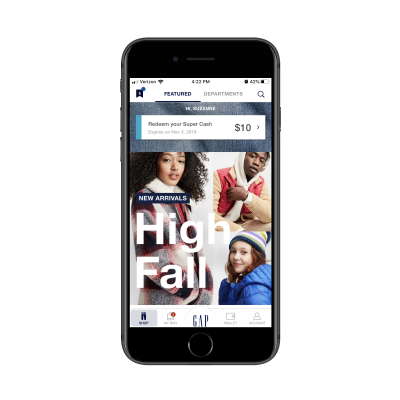
FOMO can be effectively reframed as "fear of missing a benefit" rather than "fear of losing out on a product." Gap’s approach to rewards is a masterclass in this. By notifying users of expiring member perks via a subtle, pulsing icon rather than an intrusive, site-wide banner, they maintain a focus on the user’s existing relationship with the brand. This rewards loyalty rather than exploiting impulse.
4. Community-Driven Social Proof
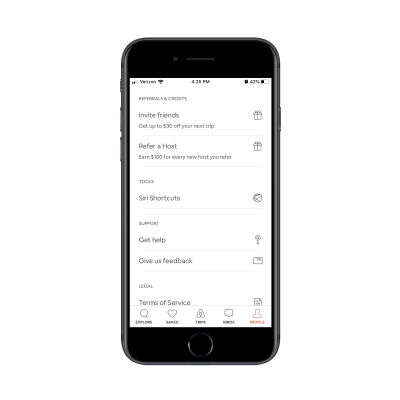
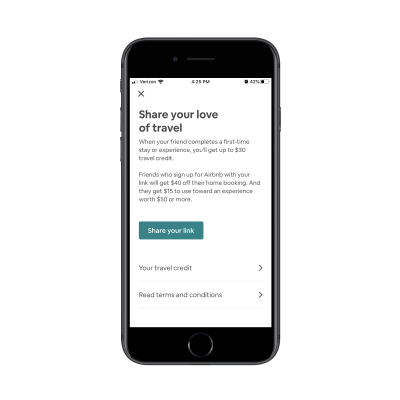
Authentic FOMO is generated by peers, not brands. Airbnb’s referral program is highly effective because it relies on the user’s personal network. When a friend shares a positive travel experience, it carries an inherent weight of trust that a corporate advertisement never could. Similarly, 23andMe’s "Share your Ancestry" feature turns personal results into social assets, creating a natural curiosity among the user’s social circle.
Official Industry Stance: Beyond the Influencer
The "Fyre Festival" effect serves as a cautionary tale for modern design. The reliance on artificially curated, influencer-driven imagery has led to a widespread distrust of digital marketing. The industry is currently moving toward "grounded" visuals—photos that show products in real-life settings rather than staged, unattainable lifestyles.
Sephora’s "Inspire" community is a prime example of this transition. By showcasing photos from actual customers rather than professional models, they create a sense of community. The FOMO is no longer "I wish I were that perfect person," but rather, "I see how this product works for someone like me, and I want to try it."
Implications for Future Digital Experiences
The implications for web and app designers are clear: the future of conversion lies in transparency and user empowerment.
- Trust as a Currency: In the coming decade, brands that prioritize transparency will outperform those that rely on dark patterns. User trust is the single most valuable metric in a digital economy.
- The Death of the "Flash Sale" Mentality: As consumers become more financially conscious and environmentally aware, the relentless push for fast, impulsive consumption is losing its appeal.
- The Rise of "Slow Design": Ethical FOMO is part of a larger trend toward "slow design," where the user’s mental space is respected, and the digital experience is curated to reduce, rather than increase, cognitive load.
Conclusion
The "fear" in Fear of Missing Out has always been a crutch for poor design. By stripping away the deception and focusing on genuine, helpful, and community-driven cues, designers can create experiences that are both profitable and respectful.
As we move forward, the most successful digital products will be those that treat their users as partners rather than targets. By being honest about availability, rewarding loyalty with genuine value, and letting your community speak for you, you can generate the exact same excitement that FOMO provides—without the psychological toll. The goal is no longer to make the user afraid of what they might lose, but excited about what they can gain.