The digital marketing landscape of 2026 is defined by a paradox: brands have access to more sophisticated tools than ever before, yet capturing a customer’s attention—and their commitment—has become an uphill battle. As artificial intelligence democratizes content creation, the internet is experiencing an unprecedented surge in volume. From automated social media feeds to hyper-personalized email campaigns, the sheer density of marketing noise has led to a "conversion fatigue" among consumers.
For many businesses, traffic remains steady, yet conversion rates are silently eroding. To navigate this climate, marketers must shift away from the search for a singular "silver bullet" and instead embrace a strategy of iterative, consistent optimization. This report outlines the fundamental shifts required to turn website visitors into loyal subscribers and long-term customers.
1. The Anatomy of the Conversion Crisis
The primary challenge in 2026 is not a lack of reach, but a lack of resonance. The widespread adoption of generative AI has lowered the barrier to entry, allowing companies to flood every digital channel with content. However, when every brand is shouting, the consumer’s default response is to tune out.
The Silent Erosion of Databases
A critical, often overlooked reality is the natural decay of an email database. Research indicates that the average brand loses approximately 20% of its contacts annually. Factors such as job turnover, abandoned inboxes, and evolving privacy regulations mean that a static list is a shrinking asset.
- Year 1: 1,000 subscribers.
- Year 2: 800 subscribers (assuming zero growth).
- Year 3: 640 subscribers.
Within two years, nearly 40% of an original list can vanish. Without a proactive strategy to prioritize list growth as a primary Key Performance Indicator (KPI), businesses face an inevitable decline in their most valuable marketing asset.
2. Strategies for Database Expansion
Growth in 2026 requires a move toward high-intent, psychology-driven acquisition. The days of burying sign-up forms in website footers are over.
The Homepage Hero Strategy
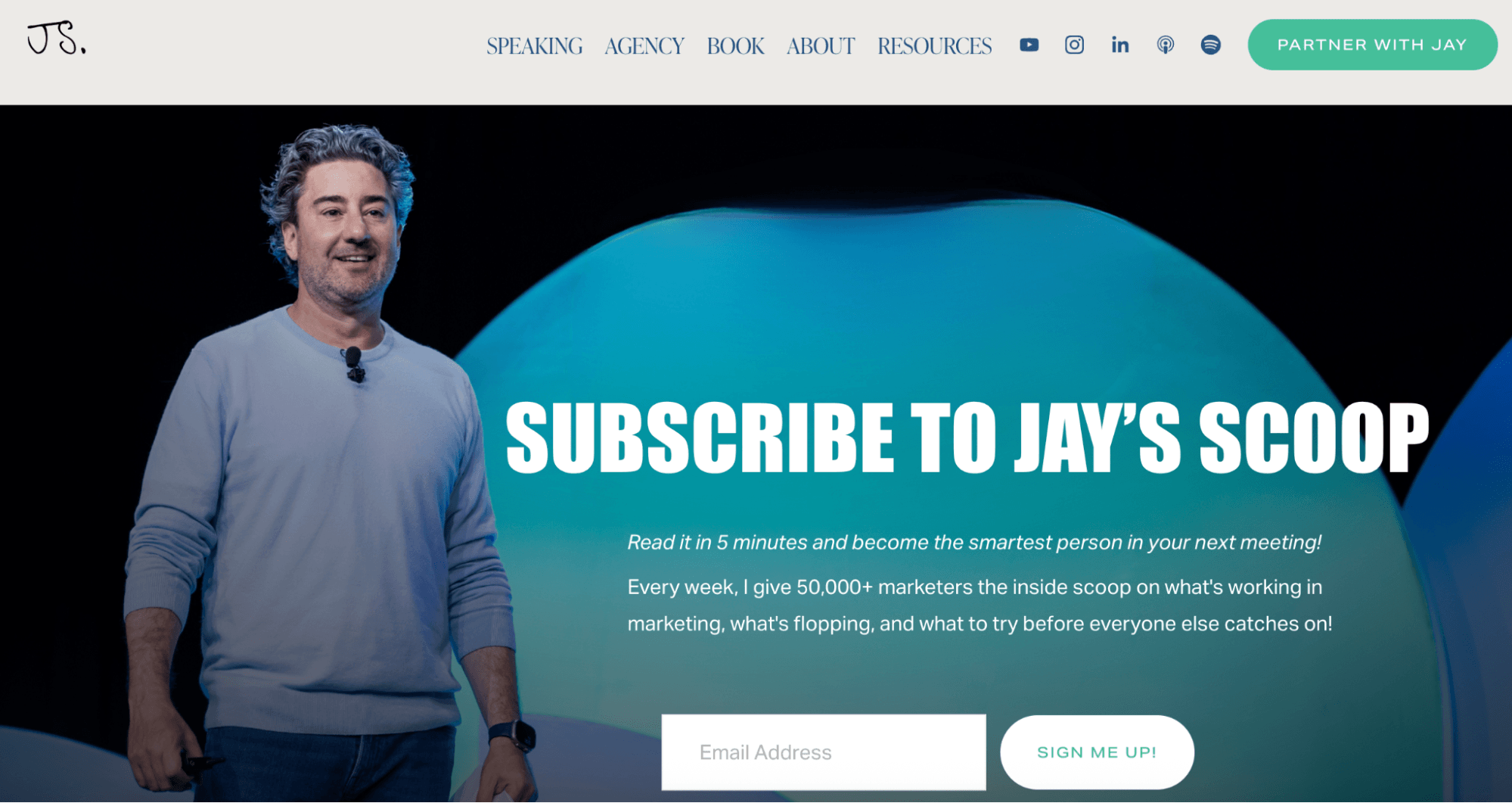
The most effective placement for an opt-in is no longer a secondary link; it is the primary hero element on the homepage. By prioritizing the opt-in before other content, brands immediately establish the value proposition. For e-commerce entities, the framing is shifting from pure discount-based incentives to "access-based" marketing.
Leveraging FOMO (Fear of Missing Out) has evolved. Today’s consumers are less interested in simple coupons and more interested in being "first." Positioning an opt-in as an "early access drop list" or an "insider circle" appeals to the modern consumer’s desire for exclusivity and priority.
The Psychology of Timed Popups
While critics argue that popups degrade user experience, data suggests otherwise. When implemented with behavioral triggers—such as timing a popup to appear after a user has spent 30 seconds on a high-value pricing page—conversion rates can exceed 10%.
The "conversion-optimized language" technique is essential here. Instead of using binary "Yes/No" options, marketers should employ language that reinforces the benefit in the affirmative and highlights the cost of inaction in the negative. For example, a "No" button that reads, "No, I prefer to pay full price later," creates a psychological friction that encourages the user to select the "Yes" option.
3. Paid Acquisition: Instagram and Reddit
As organic reach continues to consolidate, paid acquisition remains a necessary lever. Currently, two platforms stand out for efficiency:
- Instagram: By utilizing Reels and Stories lead ads, brands can keep users within the platform ecosystem. By limiting the form to three fields, marketers can significantly lower their Cost Per Acquisition (CPA), often achieving results in the $2–$3 range.
- Reddit: This platform offers a unique advantage due to the "mid-funnel" nature of its users. Reddit audiences are often actively researching solutions, making them highly receptive to relevant, non-intrusive lead-gen ads. Furthermore, Reddit’s "reminder ad" units provide a powerful tool for pre-launch campaigns, triggering automated notifications to users who have opted in.
4. Fixing the Landing Page: A Technical Audit
A landing page is not just a digital brochure; it is a conversion machine. A 5% conversion rate is not a success metric; it is a signal that 95% of your traffic is leaving, often due to friction.

Mobile-First Design
With over 70% of first-time email opens occurring on mobile devices, the mobile landing page is the only one that truly matters. Desktop-centric design is a fundamental error. If a page requires scrolling to see the call-to-action (CTA), or if it contains unnecessary navigation links that lead users away from the conversion goal, it is leaking potential revenue.
Visual and Psychological Continuity
Visual consistency between an ad and its destination page can increase conversion rates by over 10%. When a user clicks an ad, they expect to see the same imagery, color palette, and tone on the landing page. Any disconnect creates cognitive dissonance, leading to higher bounce rates.
The "Double-Incentive" Form
To reduce form abandonment, brands are increasingly using multi-step processes. By requesting only name and email for the first step, and then offering a second incentive (such as a bonus resource) in exchange for the remaining data points, brands can capture more leads while increasing the perceived value of the exchange.
5. Post-Conversion Optimization: The "Thank You" Page
The moment a user converts is their peak moment of trust and engagement. Yet, most brands waste this opportunity with a generic "Thank you for your order" screen.
Smart marketers treat the thank-you page as a second chance to add value. By presenting relevant product recommendations or additional free resources, brands can drive secondary conversions. Furthermore, tracking which users take advantage of these secondary offers provides behavioral data that allows for more granular segmentation in future email marketing.
6. Protecting Deliverability via One-Click Engagement
Email service providers (ESPs) have tightened their criteria for inbox placement. In 2026, "opens" are considered weak engagement signals; "clicks" are the gold standard.
To improve deliverability, marketers are adopting one-click quiz formats. By embedding a simple "this or that" choice directly into the email body, the brand achieves two objectives:
- Deliverability: The click signal tells the ESP that the subscriber is highly engaged.
- Data Enrichment: The specific choice provides immediate, actionable data on the subscriber’s preferences, allowing for hyper-personalized follow-up sequences.
Implications and Future Outlook
The "Quick Wins" of 2026 are not shortcuts; they are foundational adjustments that align marketing tactics with the realities of human behavior and algorithmic preferences. As AI continues to flood the digital space, the brands that win will be those that prioritize:

- Human-Centric Design: Removing friction and bureaucracy (like "Submit" buttons) in favor of clear, value-driven language.
- Data-Driven Personalization: Using every interaction—from the first click to the thank-you page—to learn more about the customer.
- Strategic Exclusivity: Moving from transactional marketing to relationship-based marketing, where the subscriber feels like an insider rather than a target.
In an era where attention is the scarcest resource, the ability to convert is no longer about the volume of traffic, but the quality of the interaction. By tightening the funnel, focusing on mobile performance, and treating the post-conversion experience as a primary touchpoint, businesses can ensure they remain relevant, regardless of how crowded the digital landscape becomes.
This report synthesizes industry best practices as discussed by marketing experts Jay Schwedelson and Michael Stelzner. To maintain a competitive edge, marketers are encouraged to audit their current funnels against these benchmarks, prioritizing mobile responsiveness and high-intent list growth strategies.