For decades, the promise of automation was trapped behind walls of complex programming, expensive consultants, and rigid software suites. Today, that barrier is dissolving. As Jensen Huang, CEO of NVIDIA, famously noted at the GTC conference, we have entered an “iPhone moment” for artificial intelligence. We are moving beyond simple chatbots and into the era of the autonomous agent—software that doesn’t just answer questions, but actively executes tasks.
Leading this charge is OpenClaw, an open-source platform designed to put a custom AI workforce into the hands of marketers, business owners, and creators—even those who have never written a line of code.
Main Facts: What is OpenClaw?
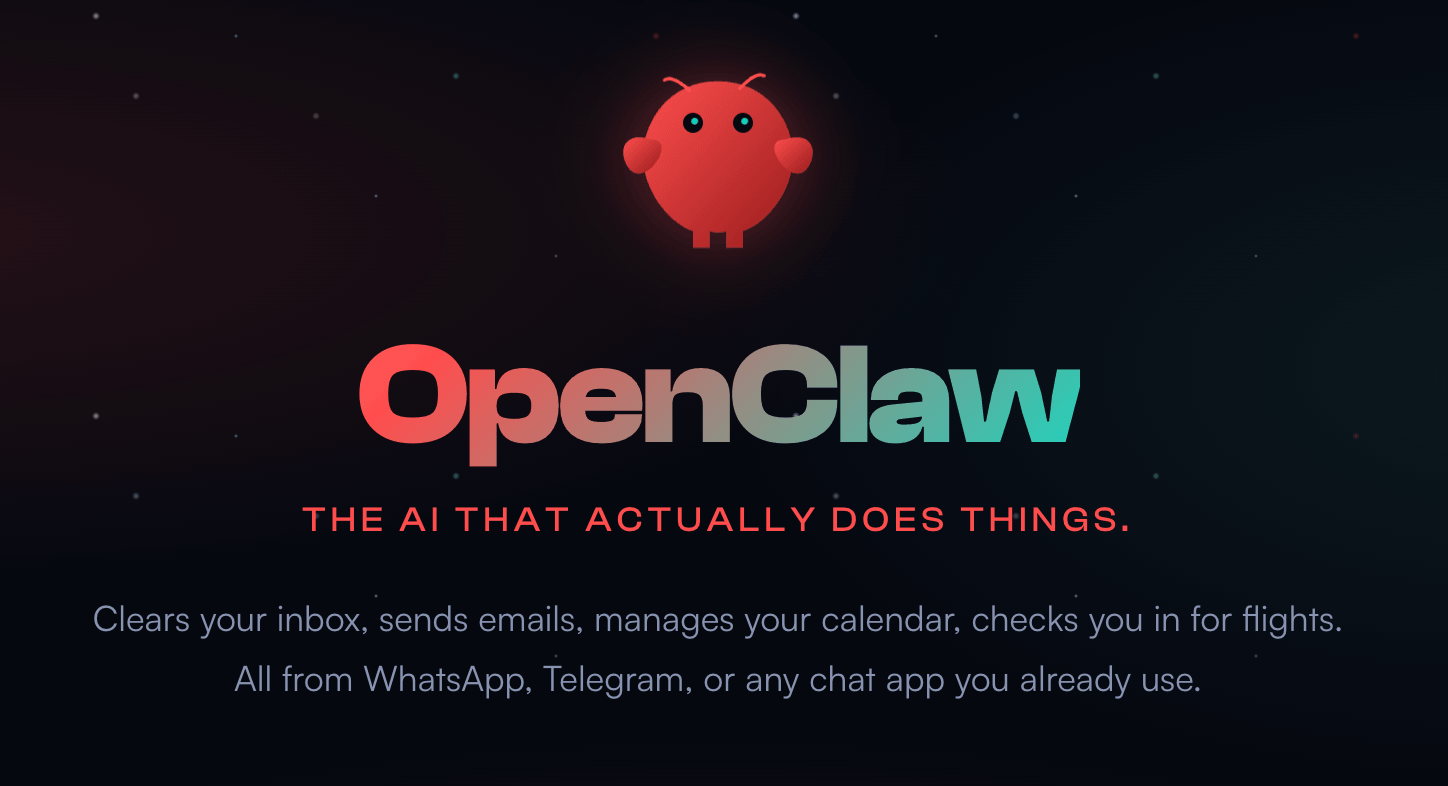
OpenClaw is an open-source framework that enables users to create, deploy, and manage autonomous AI agents. Unlike static tools like ChatGPT or Claude, which function as "question-and-answer" engines, OpenClaw agents are designed for persistent execution.
The platform is defined by three core pillars that distinguish it from standard LLM interfaces:
- Communication Layer: Rather than forcing you to open a browser tab to chat with an AI, OpenClaw integrates with messaging platforms like Telegram, Slack, or WhatsApp. You interact with your agent as you would a human colleague, providing instructions in natural language.
- Autonomous Action: OpenClaw can interface with your operating system. It can open browsers, navigate websites, click buttons, and manipulate files, effectively mimicking human computer usage.
- Long-Term Memory: While standard AI sessions are "stateless" (resetting every time you refresh), OpenClaw maintains a persistent memory. It stores your preferences, business constraints, and historical data in local files, allowing it to "remember" goals and context from weeks or months ago.
Chronology: The Evolution of Accessible AI
The trajectory of AI has moved rapidly from experimental research to enterprise-grade utility.
- Early Phase: AI was limited to narrow tasks (data processing, basic classification).
- The Generative Boom: With the release of GPT-4 and Claude 3, the focus shifted to creative output and complex reasoning.
- The Agentic Shift: OpenClaw represents the current "Agentic" phase. In early 2026, the project underwent significant refinements to its security protocols and user-onboarding experience, transitioning from a tool for developers to a viable utility for business owners.
According to Mike Russell, co-creator of the AI Explored podcast, this shift allows users to "outsource the repetitive parts of their workflow to agents that work in the background, reclaiming time for higher-value creative work."
Supporting Data: Real-World Applications
To understand the practical implications of OpenClaw, one must look at how it functions in high-velocity environments.
The Social Media Content Engine
Mike Russell utilizes OpenClaw to manage his Creator Magic YouTube channel’s X (formerly Twitter) presence. His agent performs a sophisticated loop:
- Content Ingestion: It automatically downloads new YouTube uploads.
- Repurposing: It clips the video into short-form content and generates threads.
- Optimization: By connecting to the "Auto Research" framework (inspired by Andrej Karpathy), the agent recursively tests different writing styles and headlines. It tracks performance metrics and pivots its strategy based on what resonates with the audience, effectively performing A/B testing on autopilot.
The Biological Data Architect
Perhaps the most striking example of OpenClaw’s capability is its application in health and personal optimization. By granting the agent access to Garmin smartwatch data, 23andMe genetic reports, and blood test history, users can create a "Health Coaching Agent."

In testing, this agent was able to construct a five-year timeline of health metrics, identifying correlations between lifestyle choices and fitness peaks. Because it maintains memory, it proactively suggests dietary adjustments or activity priorities during daily conversations, acting as a personal assistant that understands the user’s specific biological profile.
Official Guidelines: How to Configure Your Setup
A common misconception is that OpenClaw is inherently insecure. However, when deployed via standard industry practices, it offers a controlled environment for automation.
1. Choosing Your Infrastructure
Because OpenClaw requires 24/7 uptime to be truly effective, running it on a local laptop—which sleeps or disconnects—is inefficient.
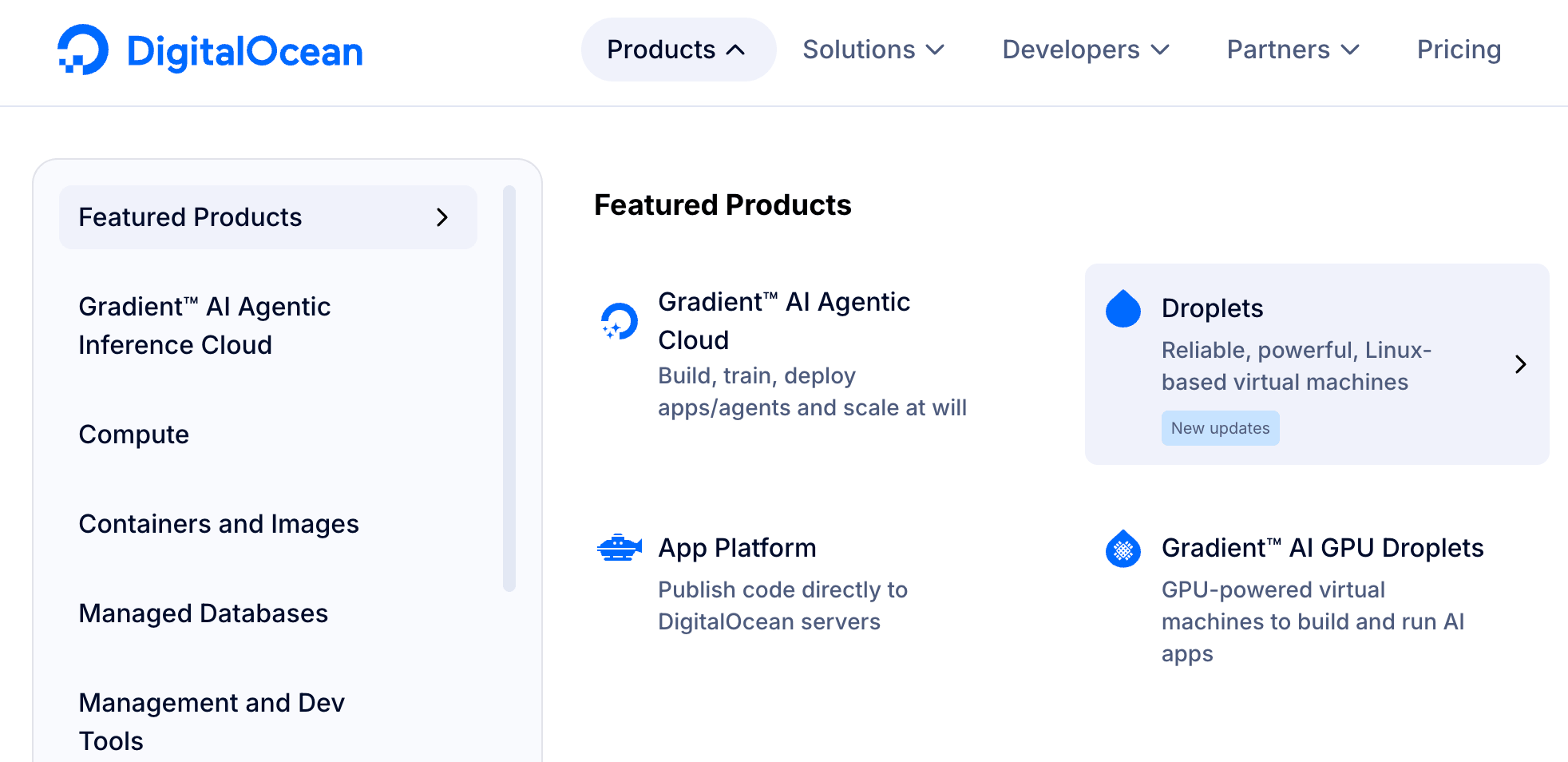
- The Virtual Private Server (VPS): Services like DigitalOcean, Hetzner, or Linode allow you to rent a "cloud computer" for approximately $5 per month. This machine remains active indefinitely.
- Local Hardware: For those who prefer physical ownership, a Raspberry Pi or a spare Mac Mini is sufficient. However, these machines require a robust connection to a cloud-based AI provider (like Anthropic or OpenAI) for processing power.
2. Choosing an AI "Brain"
- Anthropic (Claude): Claude 3.5 Sonnet is currently the industry favorite for day-to-day operations due to its balance of cost and intelligence. For advanced, high-stakes orchestration, users often pair OpenClaw with Claude Opus or the $200/month "Max" tier.
- Compliance Note: To avoid account termination, users are advised to access these models via the official API rather than using their consumer-facing subscription accounts.
- OpenAI (ChatGPT): Explicitly permits the use of subscription plans to power agents, making it a "plug-and-play" option for many.
3. Securing Your Agent
Always implement a firewall on your VPS. This restricts access to only the necessary ports, ensuring that your agent is accessible to you, but shielded from unauthorized external traffic.
Implications: The Future of Business Operations
The rise of OpenClaw signals a fundamental shift in the professional landscape. The "human-in-the-loop" model is being replaced by a "human-as-orchestrator" model.
Increased Throughput
By utilizing tools like the Google Workspace CLI, OpenClaw can be instructed to perform complex email triage: discarding spam, flagging urgent client messages, and drafting responses. This doesn’t just save minutes; it shifts the cognitive load of a business owner from managing information to managing outcomes.
The Risk of Over-Automation
While the capabilities of these agents are vast, experts caution against "blind automation." The most successful users are those who use the "Commit to Memory" feature to instill business constraints—such as avoiding specific competitors or maintaining a particular brand tone—before letting the agent take the lead.
Security and Ethical Considerations
As agents gain the ability to navigate the web and access personal files, the responsibility for data privacy shifts to the user. OpenClaw’s ability to store data in plain-text markdown files is a double-edged sword: it is highly transparent and easy to audit, but it also necessitates that users treat their agent’s "memory" with the same level of security as a private database.
Conclusion: Starting Your Journey
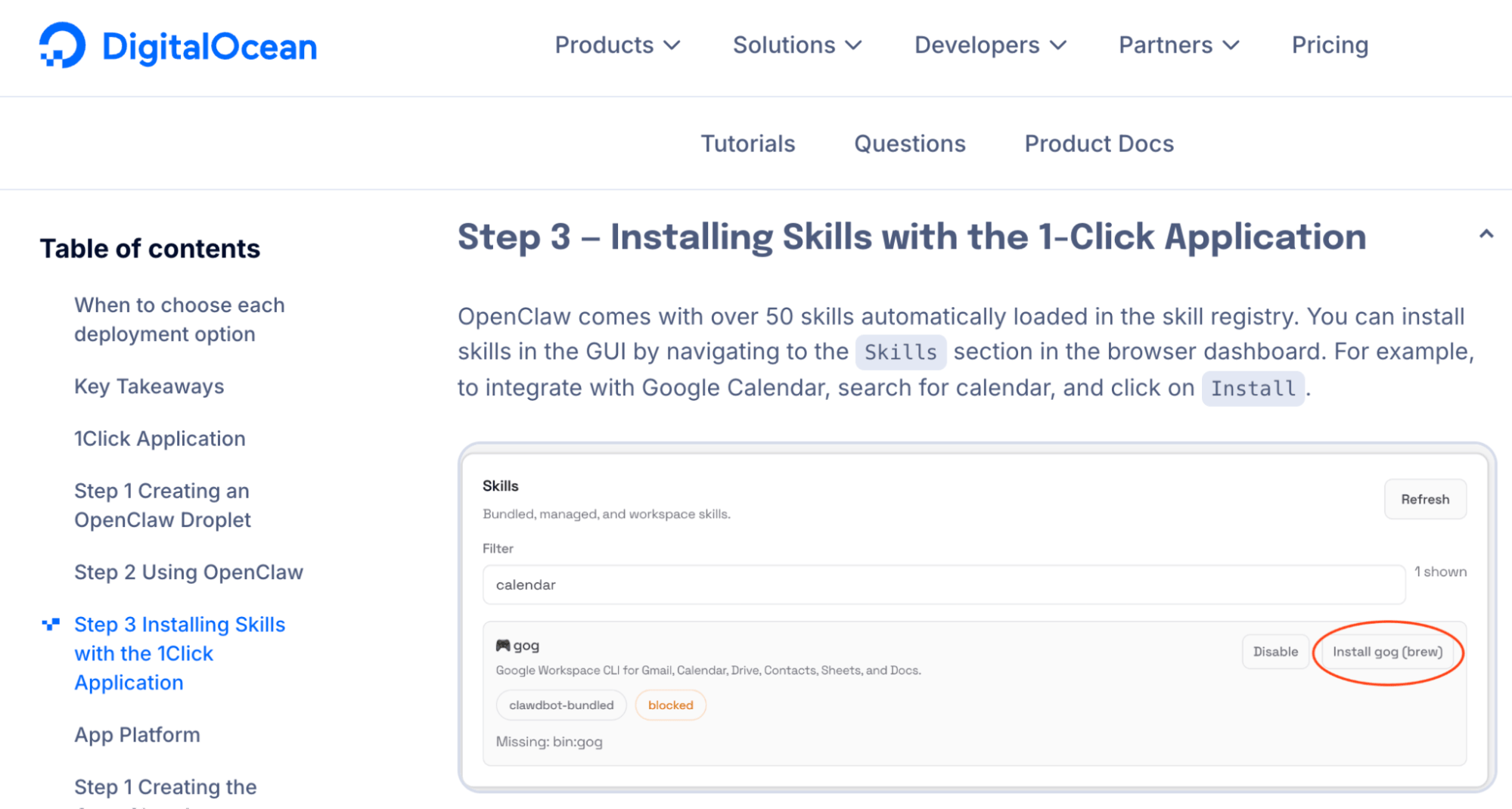
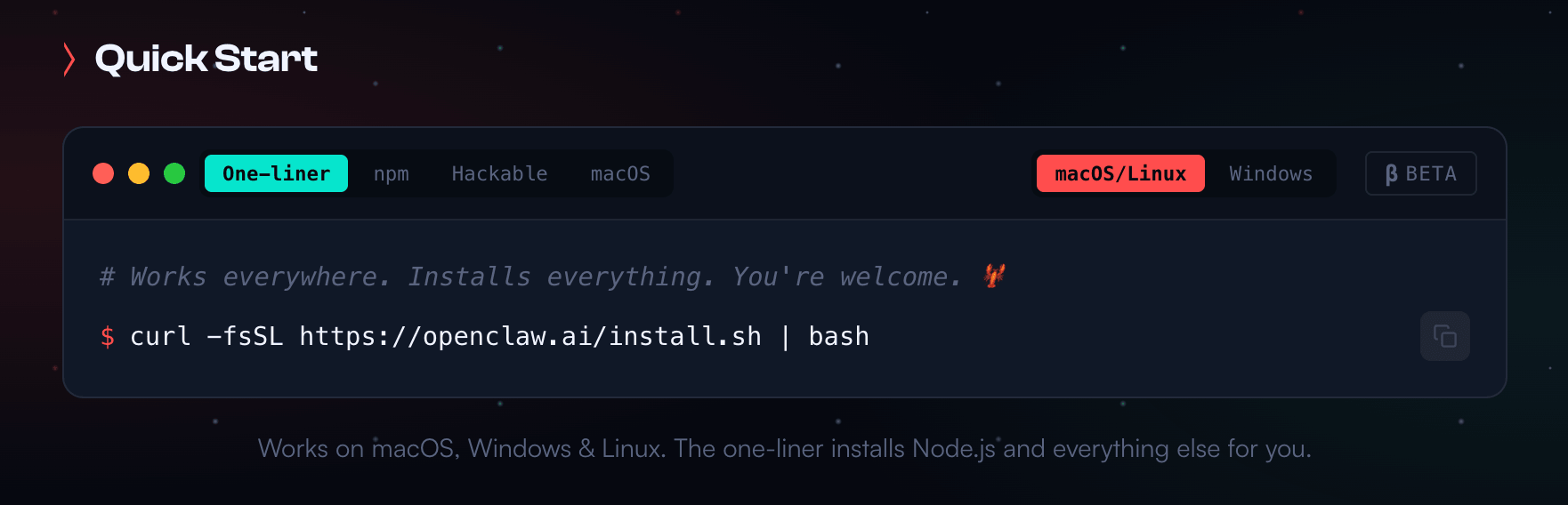
Building your first bot with OpenClaw is an iterative process. It begins by initializing the agent with your professional context—your name, your business goals, and your history. From there, you add "Skills."
Whether you are automating social media content, managing inbox triage, or analyzing health data, the philosophy remains the same: identify the repetitive, low-value task, define the logic clearly, and allow the agent to handle the execution.
As we look toward the future, the ability to build and deploy these agents will likely become a baseline requirement for competitive businesses. By starting today, you aren’t just adopting a new tool; you are building the foundation of a digital workforce that will scale alongside your ambitions.
To learn more about the evolving landscape of AI-driven business, consider exploring the resources provided by the AI Business Society and the AI Explored podcast, which continue to track these developments in real-time.