
In the saturated world of digital content, few mediums offer the intimate, long-term connection of podcasting. Yet, for every breakout success, thousands of shows languish in the “pod-fade” graveyard. To understand how to defy these odds, we turn to Nick Loper, the architect behind The Side Hustle Show. Since its inception in 2013, Loper has transformed his podcast from a curious experiment into a media juggernaut, boasting over 700 episodes and a staggering 35 million lifetime downloads.
In a recent episode of the Niche Pursuits podcast, Loper sat down to dissect the mechanics of his growth, offering a masterclass in audience development, monetization, and the philosophy of building a sustainable, long-term media brand.
The Origins: From Corporate Exit to Audio Authority
The story of The Side Hustle Show begins with a transition familiar to many: the move from the security of a corporate career to the uncertainty of entrepreneurship. In 2013, Loper was already navigating the world of digital business, managing a successful affiliate website in the footwear niche. However, he felt a void in his professional life—a lack of direct connection with fellow entrepreneurs.
“I was legitimately worried,” Loper recalls of those early days. “Am I going to run out of people to talk to?”
This initial anxiety—the fear that his content well would run dry—proved unfounded. Thirteen years later, Loper finds himself in the enviable position of having more prospective guests than he has open recording slots. His journey from a solo creator to a pillar of the podcasting community was not an overnight success; it was a slow, deliberate climb built on consistent production and a relentless focus on tactical value.
The Listener Pyramid: A Framework for Growth
One of the most profound insights shared by Loper is his “Listener Pyramid,” a four-tiered conceptual framework that governs how he views his audience’s journey. Understanding this model is critical for any creator looking to scale:
- Strangers: Individuals who are unaware of the show’s existence.
- Listeners: People who have discovered the content and tuned in for the first time.
- Subscribers: Regulars who have integrated the show into their weekly routines.
- Fans: The “raving” advocates who engage with the community, support monetization efforts, and champion the brand.
Loper emphasizes that the primary struggle for most podcasters is the move from the bottom to the top. “Every piece of content I create is designed to ascend people along this ladder,” he explains. Strategies that work for converting a stranger (such as viral social media clips or high-intent search titles) are entirely different from the strategies required to nurture a fan (such as community events or direct email engagement).
Strategies for Audience Acquisition
Converting Strangers to Listeners
To break through the noise of millions of competing podcasts, Loper stresses the importance of “discoverability.” In an era where algorithmic recommendations dominate, the title of an episode is the single most important asset a podcaster has. He avoids vague, brand-focused titles in favor of results-oriented, high-curiosity headlines. By focusing on specific outcomes—such as “How I Built a Six-Figure Business on the Side”—he leverages the listener’s desire for tactical, actionable knowledge.
Converting Listeners to Subscribers
Consistency is the bedrock of trust. Once a new listener hits “play,” the goal shifts from acquisition to retention. Loper highlights that a podcast is essentially an appointment; if the host is reliable, the listener will build their week around the release schedule. Furthermore, Loper discovered early on that a podcast in isolation is a missed opportunity. By using the show as a vehicle to drive listeners toward a lead magnet—such as an email newsletter or a free resource guide—he successfully migrated his audience to a platform he owned, rather than one controlled by a hosting provider or podcast directory.
The results of this strategy were transformative. A year into his podcasting career, Loper had roughly 1,000 subscribers. Through the aggressive, value-driven use of calls-to-action and email capture, that list has scaled exponentially, creating a direct line of communication that persists long after an episode ends.
The Flywheel Effect: The Symbiosis of Email and Audio
A critical takeaway from Loper’s success is the “Flywheel Effect” between his podcast and his email list. He does not view these as separate entities but as a single, self-reinforcing engine.
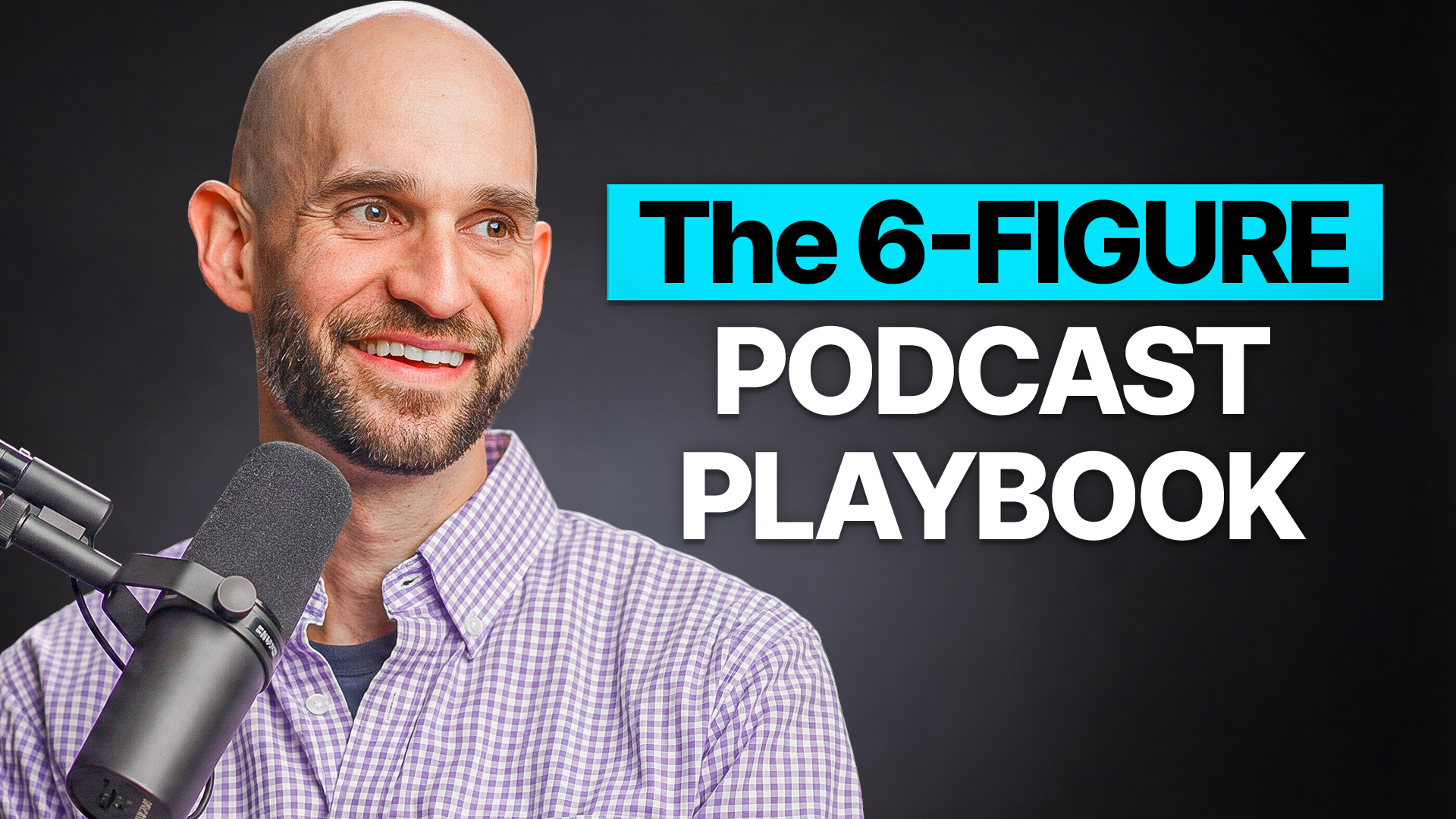
His weekly newsletter acts as the glue. It provides summaries, highlights, and supplemental resources that were not included in the audio version. This creates an incentive for listeners to sign up for the email list, and in turn, the email list serves as a constant reminder to return to the podcast when a new episode drops. This back-and-forth circulation ensures that the audience remains engaged, creating a high-retention loop that is difficult for competitors to disrupt.
Why Podcasting Remains the Superior Medium
In a digital landscape dominated by short-form video and transient blog posts, Loper argues that podcasting offers a unique advantage: unmatched loyalty.
While blog readers are often transient—stopping by for a quick answer before moving on—podcast listeners are habitual. They spend hours in the ears of their audience, building a parasocial relationship that is far more durable than a fleeting interaction with a search result. Loper notes, “Podcast discoverability is hard, but the loyalty is unmatched.” For businesses that rely on trust and authority, this level of engagement is the ultimate asset.
Monetization: The Long-Game Approach
It is a common misconception that podcasts can be monetized immediately. Loper’s experience serves as a reality check: he did not begin his monetization journey until he had established a substantial base of listeners. Today, The Side Hustle Show generates between $10,000 and $20,000 per month from sponsorships alone.
His monetization model evolved in phases:
- Phase 1: Brand Building. Focusing entirely on growth, quality, and listener retention.
- Phase 2: Affiliate Partnerships. Leveraging his expertise in the footwear and side-hustle spaces to recommend products he used personally.
- Phase 3: Direct Sponsorships. Securing long-term partners once his metrics proved the value of his audience to advertisers.
Loper also cautions that sponsorship is only one slice of the pie. He points to creators who have successfully leveraged podcasting to launch digital products, paid memberships, and coaching services. He cited an example of a Taylor Swift fan podcast generating nearly $90,000 per month via Patreon, proving that monetization is limited only by the creator’s ability to understand their audience’s specific needs.
Lessons Learned: What Works and What Doesn’t
After 700+ episodes, Loper has identified clear patterns that dictate success. The most successful episodes are those that lean into "tactical transparency." Audiences respond to real numbers, real failures, and specific, step-by-step processes. Conversely, episodes that veer into abstract theory or excessive, unedited rambling tend to see lower completion rates.
He emphasizes that the audience’s time is a commodity. By cutting the fluff and focusing on delivering a “transformation” in every episode, he has managed to keep his churn rate low.
Implications for Future Creators
The podcasting landscape of 2024 is vastly different from 2013, yet the core principles remain the same. The market is not too crowded for those willing to provide genuine value. For those looking to launch or grow their own show, Loper’s advice is clear:
- Define your avatar: Know exactly who you are talking to.
- Focus on the headline: If they don’t click, they don’t listen.
- Own your audience: Do not rely solely on podcast platforms; move listeners to an email list immediately.
- Prioritize the listener: Every minute of audio should either educate, entertain, or inspire.
Nick Loper’s journey proves that while podcasting is not the path of least resistance, it is a proven road to building a central pillar of an online business. For the persistent, the patient, and the intentional, the reward is an audience that doesn’t just consume content—it listens, trusts, and advocates.