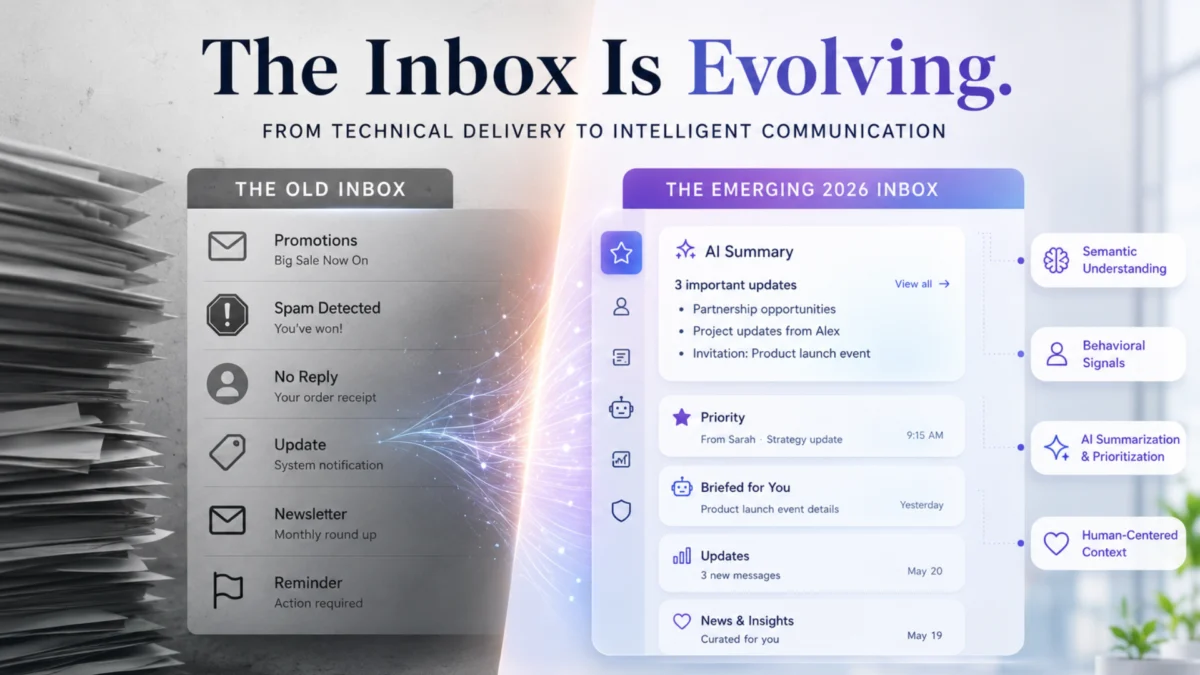
Apple’s recent WWDC keynote was framed as the "Siri Redemption Arc"—a long-overdue overhaul of the company’s voice assistant. Yet, beneath the veneer of consumer-facing AI features, the announcement signaled a tectonic shift for the digital marketing and email industry. With the unveiling of iOS 27, macOS 27, and a deeply integrated suite of Apple Intelligence features, the inbox is no longer a passive destination for messages. It has become an agentic, AI-driven gateway that is fundamentally changing how subscribers interact with the brands they trust.
For email marketers, the silence on the word "deliverability" during the keynote was deafening. While Apple executives focused on user convenience, the underlying architecture suggests that the era of the human-centric email experience is ending.
Main Facts: The New Reality of Apple Intelligence
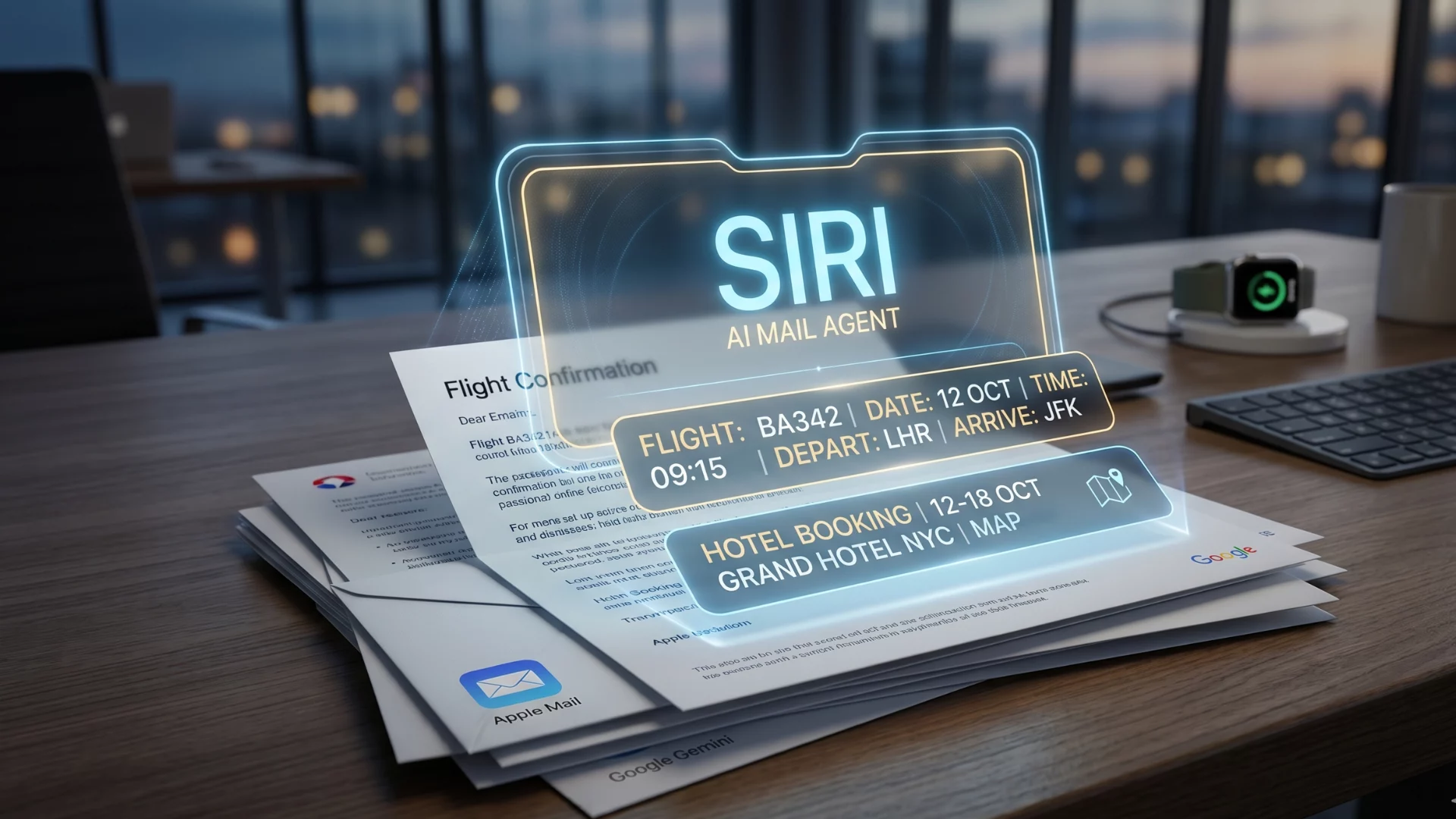
The centerpiece of the update is a total reconstruction of Siri. Powered by Google’s Gemini models and Apple’s proprietary on-device processing, the new Siri functions as an "agent" capable of system-wide awareness. Unlike previous versions, the new Siri possesses the capability to scan and parse content across Mail, Messages, and Photos in real-time.
Crucially, this happens without the user needing to open the individual applications. If a user receives a flight confirmation or a restaurant reservation, Apple’s new AI framework will automatically extract the pertinent data—dates, times, and locations—and convert them into calendar entries or actionable reminders. This "agentic" approach means that the email itself is increasingly relegated to the background, serving as a data source rather than the primary interface for the consumer.
Additionally, Apple has overhauled the search foundation across its ecosystem. With a rebuilt indexing engine, Mail load times are reported to be up to 80% faster, and search results in Spotlight, Mail, and Photos are nearly instantaneous.
Chronology: A Multi-Year Strategy
The changes announced this week are not an isolated event; they represent the culmination of a multi-year strategy by Apple to gain total control over the user experience within its ecosystem.
- 2021: The Turning Point: Apple introduced Mail Privacy Protection (MPP), which effectively rendered traditional open rates obsolete by masking IP addresses and pre-loading content.
- 2024: The Categorization Era: The launch of iOS 18 saw the introduction of automated tabbed categorization, placing an AI-generated summary in front of the preheader. This created a barrier between the sender and the recipient, forcing brands to compete for attention within a summarized snippet.
- 2026: The Agentic Era: With the announcement of iOS 27, the barrier has shifted from "summary" to "action." The assistant now has the authority to interpret, extract, and act on email content, effectively mediating the relationship between the subscriber and the brand.
Supporting Data and Technical Context
The adoption of these features will likely be rapid. iOS 27 will support devices dating back to the iPhone 11, ensuring a massive install base. However, there are significant caveats for marketers to track:
- The Native App Silo: These advanced AI features are currently confined to Apple’s native Mail app. If a user chooses to manage their inbox via the Gmail app, the Outlook app, or other third-party clients, they will not have access to these specific Siri-driven enhancements. Apple has offered no timeline for third-party integration, which will likely incentivize users to migrate back to the native Apple Mail client to take advantage of the "smarter" inbox.
- The EU/DMA Constraint: Due to the European Union’s Digital Markets Act (DMA), the rollout will be fragmented. While Mac and Vision Pro users in the EU will receive the full suite of features at launch, iPhone and iPad users in the region will face delays. UK users remain unaffected by this carve-out, providing a distinct testing ground for global marketers.
- Hardware Limitations: While the OS will install on older devices, Apple has remained ambiguous about which specific AI features will run on aging hardware. It is highly probable that the most advanced "agentic" capabilities will be gated behind the newer Neural Engines found in the latest iPhones.
Implications for Email Senders
The shift toward an AI-mediated inbox creates two major challenges for the email marketing profession: the death of engagement metrics and the risk of "hallucinated" representation.
The Erosion of Measurement
If a user’s inbox is managed by an AI, the concept of an "open" becomes entirely meaningless. If Siri parses an email, pulls the necessary discount code, and adds the expiration date to a calendar, the user has effectively "engaged" with the brand without ever opening the message. Traditional KPIs—open rates and even click-through rates—are rapidly losing their utility as proxies for user interest. Brands that rely on these metrics for reporting will find themselves in a precarious position by the end of the year.
The Problem of Representation
When an AI acts as a mediator, the brand’s original message becomes a secondary artifact. If the AI extracts the wrong date or misinterprets a promotional offer, the user’s entire perception of the brand is filtered through that error. We have already seen instances where inboxes have "hallucinated" flight changes or misinterpreted terms of service. As AI shifts from summarizing to acting, the margin for error shrinks. If your email structure is ambiguous, or if critical information is buried within image-based layouts, you are essentially asking Apple’s model to "guess" your intent—a dangerous game to play with customer data.
Official Responses and Industry Outlook
While Apple has not issued a formal "letter to marketers," their focus is clear: user privacy and efficiency are paramount. By moving processing on-device and centralizing data management within their own apps, Apple is positioning itself as the ultimate protector of the user’s attention.
Industry experts suggest that this move is a deliberate attempt to increase the "stickiness" of the Apple ecosystem. By making the native Mail app the most efficient, "smart" tool on the market, Apple is effectively forcing users to abandon third-party email providers. For the marketing industry, this means that Apple is no longer just a platform; it is the gatekeeper of the inbox, and it is a gatekeeper that has begun to "talk back" to the sender.
Strategic Recommendations: How to Adapt
Rather than succumbing to the panic that often follows an Apple update, marketers should focus on three concrete, structural adjustments to their email programs:
1. Write for Extraction (The "Machine-First" Rule)
Stop designing emails solely for the human eye. Your transactional and confirmation emails must be written for the machine first. Use clean, semantic HTML. Ensure that critical data points—dates, times, locations, and confirmation codes—are clearly labeled in text format at the very top of the message. If an AI can parse your email in a split second, it is more likely to represent your brand accurately to the user. Avoid burying key details in hero images, as these are often invisible to extraction algorithms.
2. Retire "Apple Opens" as a Metric
If you are still using Apple Mail open rates as a reliable indicator of engagement, you are building your strategy on sand. The data is already noise; with iOS 27, it will be irrelevant. Pivot your reporting to focus on tangible, downstream signals: clicks on specific landing pages, direct replies, and verified conversions. These are the only signals that an AI cannot fake on behalf of the user.
3. Embrace the Beta Cycles
Do not wait for the final autumn release to see how your templates hold up. The developer betas are available now, and public betas will follow in July. This is your window to test how your emails appear when filtered through Apple’s new summarization and extraction tools. Conduct "inbox audits" using the new OS versions to see which parts of your emails are being surfaced—and which are being ignored.
Conclusion: The New Gatekeeper
The era of the "blanket" email blast is definitively over. As Apple turns the inbox into an agentic layer of the operating system, the brand’s ability to communicate directly with a human is being mediated by an increasingly sophisticated AI.
The inbox has a new gatekeeper, and it is far more discerning than the users themselves. For marketers, the path forward is clear: be concise, be structured, and above all, prioritize the clarity of your data. In the world of iOS 27, if your email is not easily understood by an algorithm, it simply won’t be understood by the user either. The inbox of the future isn’t a list of messages—it’s a feed of data, and your brand needs to ensure it remains part of the conversation.