For multinational brands eyeing the African continent, the "one-size-fits-all" approach to market entry is rapidly becoming a relic of the past. As Africa’s digital economy matures, foreign retailers are discovering that success is not found in a single sales channel, but rather in a sophisticated, layered strategy that combines online marketplaces, direct-to-consumer (DTC) storefronts, and deep-rooted local distribution networks.
As of mid-2026, the continent’s retail environment presents a complex dichotomy: a burgeoning, tech-savvy youth population eager for global brands, balanced against a logistical landscape that remains fragmented and geographically challenging. To succeed, companies are moving beyond simple exports and toward localized, omnichannel ecosystems.
Main Facts: The Anatomy of Market Entry
The primary challenge for any foreign brand entering Africa is the "last-mile" hurdle. Because pan-African shipping infrastructure is not as centralized as in North America or Europe, brands rarely rely on a single source of truth for their sales. Instead, they employ a three-pronged approach:
- Marketplace-Led Entry: Utilizing established giants like Jumia and Konga to bypass the initial infrastructure costs.
- Direct-to-Consumer (DTC) Scaling: Launching localized web storefronts to capture higher margins and maintain brand equity.
- Local Distribution Partnerships: Leveraging B2B intermediaries to penetrate physical retail spaces, where the majority of consumer transactions still occur.
This strategy is not merely an option; it is a necessity. By diversifying channels, brands mitigate the risks associated with volatile local currencies, complex import duties, and the logistical unpredictability of moving goods across diverse regulatory borders.
Chronology: The Evolution of African Retail Integration
The integration of global brands into the African market has evolved significantly over the last decade:
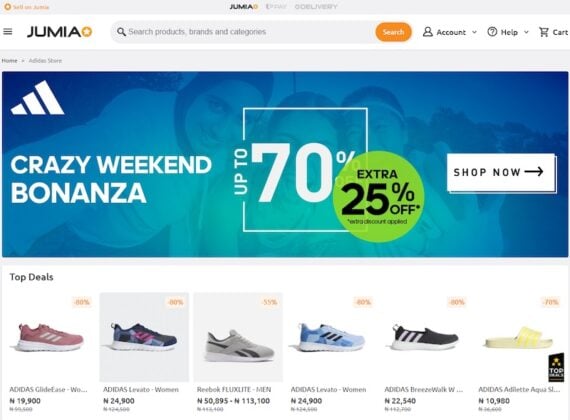
- 2015–2018 (The Marketplace Era): Global brands viewed Jumia and Konga as the "Amazon of Africa." During this period, the goal was simple: visibility. Brands like Adidas and Samsung established storefronts on these platforms to test market appetite without the need for a local physical presence.
- 2019–2022 (The Localization Shift): As consumer data grew, brands realized that marketplaces were excellent for customer acquisition but poor for brand storytelling. Companies began experimenting with localized websites that displayed prices in local currencies, such as the Nigerian Naira or South African Rand, and began calculating duties at checkout.
- 2023–2025 (The Distribution Hybridization): Brands recognized that digital-only strategies failed to reach the "informal" retail sector, which accounts for a massive portion of Africa’s GDP. Partnerships with B2B logistics firms like Wasoko became the new standard, allowing international beauty and wellness products to hit shelves in brick-and-mortar stores across secondary and tertiary cities.
- 2026–Present (The Omnichannel Maturity): Today, industry leaders like Fenty Beauty and iHerb exemplify the "everything-everywhere" approach. They maintain a presence on major marketplaces, operate sophisticated DTC sites, and utilize wholesale distribution networks simultaneously.
Supporting Data: Why Complexity Pays Off
Data from current market trends suggests that while the operational burden of managing three channels is high, the financial upside is significantly greater.
The Marketplace Utility
Marketplaces like Jumia and Konga remain the most efficient entry point for brands like Xiaomi, LG, and CeraVe. Their primary value proposition is the "all-in-one" solution: they provide the platform, the customer base, and, crucially, the delivery infrastructure. For a brand entering Nigeria for the first time, using Jumia’s existing network reduces the time-to-market from years to months.
The Direct-Sales Premium
When brands like California-based iHerb move into the DTC space, they do so with a clear objective: control. By using platforms that integrate with DHL Express and FedEx, they manage the entire customer journey. In South Africa, iHerb’s ability to offer "delivery-duty-paid" (DDP) shipping is a competitive differentiator, as it removes the shock of unexpected import fees at the customer’s door, which is a leading cause of cart abandonment in cross-border e-commerce.
The Distribution Gap
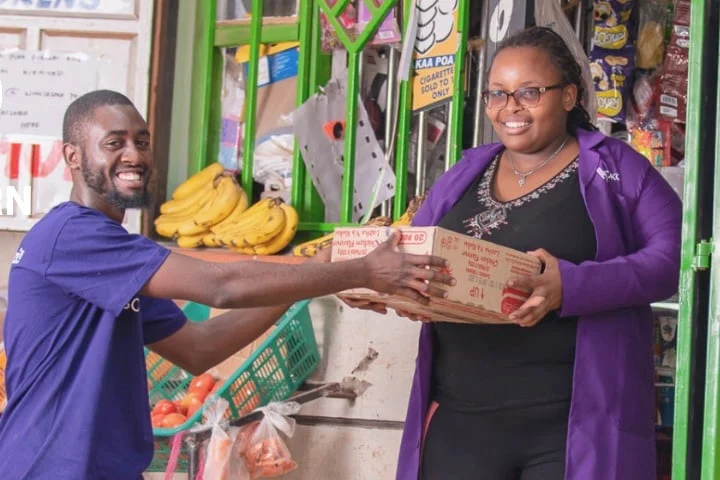
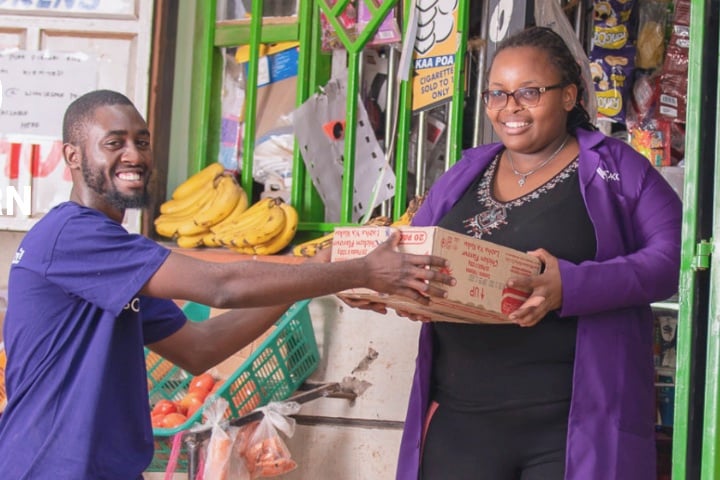
Physical retail is not dead in Africa; it is simply unorganized. With the exception of major hubs like Johannesburg and Lagos, formal retail infrastructure is thin. This is where B2B distributors like Wasoko are changing the game. By aggregating small, informal retailers, these distributors allow global brands to achieve scale without having to build a single warehouse of their own.
Official Perspectives and Operational Realities
Industry experts and brand representatives highlight that the transition from a "test" phase to a "growth" phase hinges on local partnerships.
"The operational burden of direct selling is undeniably higher," says an industry analyst familiar with African logistics. "However, the alternative—relying entirely on third-party marketplaces—limits the brand’s ability to control pricing, promotions, and customer data. The most successful firms view the marketplace as a launchpad, not a final destination."
Fenty Beauty’s strategy is often cited as the gold standard. By splitting their presence between high-end digital storefronts and physical distribution through retail networks across eight countries—including Botswana, Ghana, and Zimbabwe—they have effectively bridged the gap between the affluent urban digital user and the mass-market physical shopper.
Implications: The Future of Cross-Border Trade
What does this mean for the future of global retail in Africa?
1. The Death of the Single-Channel Strategy
Brands that insist on a pure e-commerce or pure wholesale strategy will likely find their growth stunted. The African market rewards flexibility. The future belongs to brands that can synchronize their inventory across a marketplace, their own domain, and a local wholesale partner.
2. The Rise of "Duty-Paid" Transparency
As consumer expectations rise, the demand for transparency will increase. The success of iHerb’s DDP model suggests that logistics partners who can simplify the complex web of African import duties will become the most valuable assets in the supply chain.
3. Localization as a Competitive Edge
Localization is no longer just about translating a website. It is about currency, payment methods, and local fulfillment. Brands that can integrate local mobile money payment systems (such as M-Pesa or Flutterwave) into their DTC storefronts will gain a massive advantage over those that rely on international credit card processing.
4. B2B as the Backbone of Retail
The most overlooked aspect of African e-commerce is its reliance on B2B logistics. Because informal networks are the primary way citizens buy everything from beauty products to electronics, any brand that ignores the B2B distributor is essentially ignoring 80% of the market.
Conclusion: A Marathon, Not a Sprint
Entering the African market remains one of the most challenging, yet rewarding, endeavors for a global brand. The fragmented nature of the continent’s logistics is not an insurmountable barrier, but rather a structural feature that demands a nuanced response.
By layering channels—using marketplaces for reach, DTC sites for brand control, and local distributors for physical penetration—foreign brands can build a resilient, scalable presence. The brands that thrive in the coming decade will be those that view Africa not as a monolithic market, but as a dynamic, diverse, and multi-faceted ecosystem that requires a sophisticated, omnichannel approach.
As demand becomes more predictable and distribution networks continue to consolidate, the brands that have already done the heavy lifting of building these integrated channels will find themselves in a dominant position, ready to capture the next wave of Africa’s massive consumer growth.