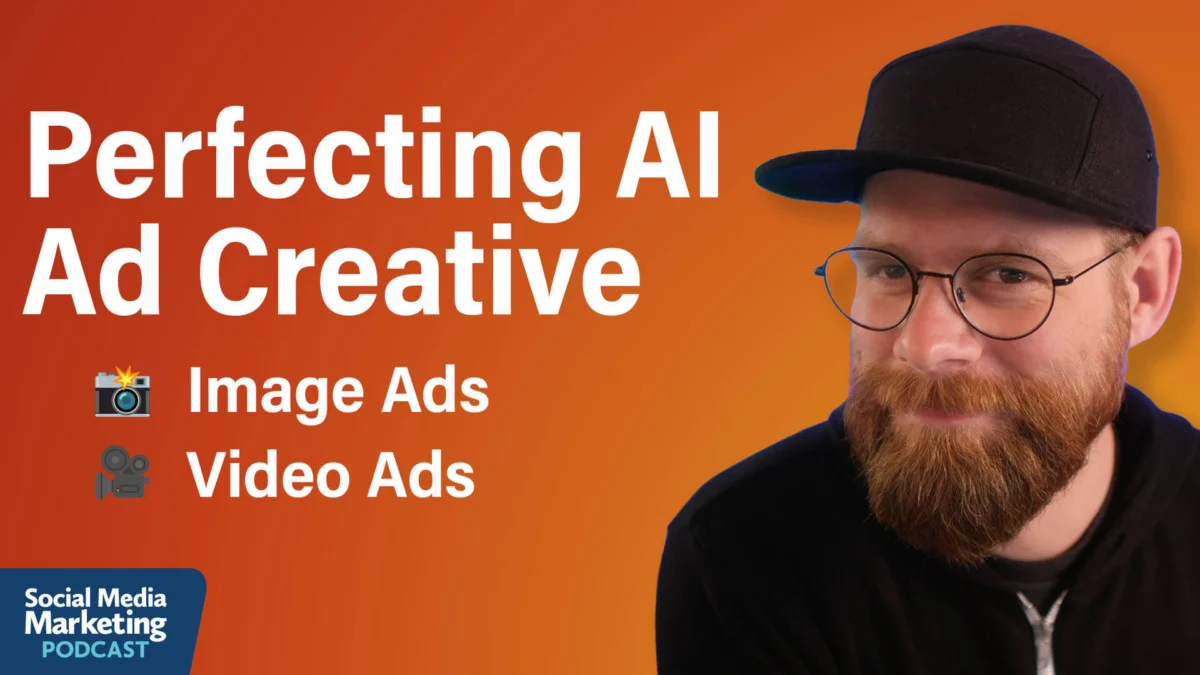
The advertising landscape is undergoing a tectonic shift. For years, the bottleneck of digital marketing was production: waiting weeks for User-Generated Content (UGC) creators, coordinating shoots, and managing the slow churn of feedback loops. Today, that model is effectively obsolete. As major platforms like Meta, Google, and TikTok move toward fully autonomous, agentic media buying, AI-generated creative has transitioned from a "nice-to-have" experiment to an existential requirement for brands looking to compete.
In this deep dive, we explore how marketers are leveraging AI to match the speed of algorithmic platforms, the legal guardrails of this new frontier, and the tactical workflows that are redefining ad production in 2026.
Main Facts: The New Rules of Creative Production
The industry is currently witnessing a transition from human-led production to AI-augmented orchestration. Meta’s recent acquisition of Manus—an agentic tool capable of analyzing media performance and autonomously generating creative assets—signals a future where human involvement in the "mechanics" of ad creation will be minimized.
For the modern advertiser, this means the algorithm now demands a volume of creative diversity that is physically impossible to produce via traditional methods. Platforms like Meta’s Andromeda update prioritize creative diversity, meaning the algorithm is constantly testing thousands of variables to see which creative "signals" resonate with specific user demographics.
Key Takeaways:
- Speed: Where traditional UGC takes weeks, AI can generate hundreds of high-quality ad variations in hours.
- Cost: The cost-per-asset drops precipitously, allowing brands to test more hypotheses without breaking the budget.
- Scalability: AI allows for the hyper-personalization of ads—delivering the same script through eight different AI personas calibrated to different age, gender, and regional demographics.
Chronology: The Evolution of AI in Advertising
The shift toward AI-integrated advertising has accelerated over the past 24 months, moving from simple text-based AI to sophisticated, multimodal video generation.
- 2024 (The Foundation): Advertisers began experimenting with basic image generators to create "hero" images for static ads. Platforms began embedding generative AI directly into ad managers.
- 2025 (The Integration): The focus shifted to "Chameleon Ads" (or "Ugly Ads"), which prioritize organic-feeling, selfie-style content over polished studio productions. During this period, the industry moved from standalone tools to API-connected workflows.
- 2026 (The Agentic Era): We are now in the age of "Autonomous Creative." Tools like Kling and Sora 2, combined with agentic platforms like Manus, have closed the gap between raw intent (e.g., "I want to sell this product") and finished, performance-ready media.
Supporting Data: Why AI Creative Outperforms
The shift toward AI isn’t just about efficiency; it’s about efficacy. Advertisers are finding that AI-generated assets—specifically those that mimic "native" content—tend to experience higher engagement rates.
Data indicates that ads that look and feel like organic, user-generated content (UGC) perform significantly better than high-gloss corporate advertisements. By using AI to generate these "ugly ads," marketers can create content that feels native to the user’s feed, reducing "ad blindness."
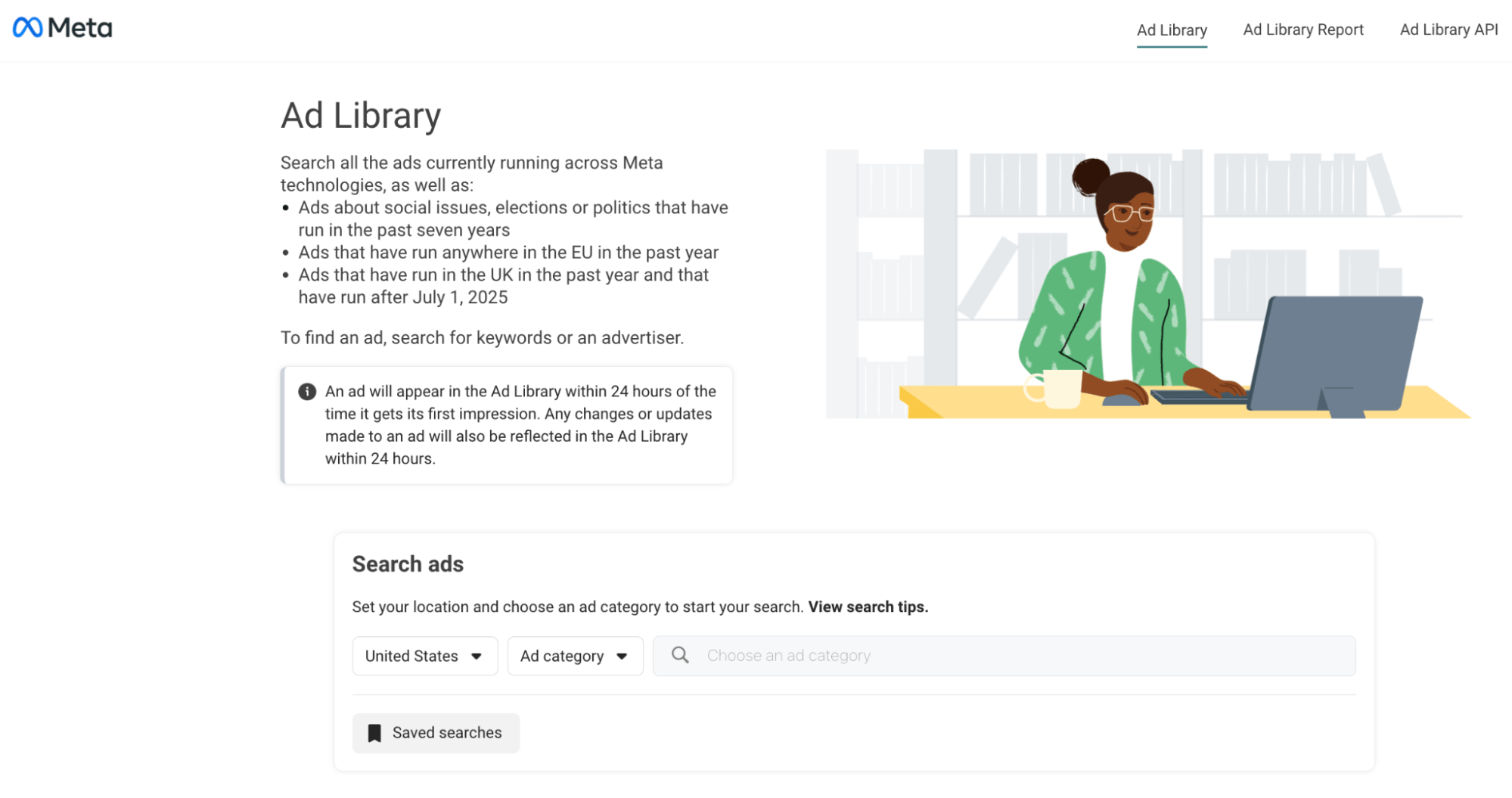
Furthermore, the "Model Winning Ad Creative" workflow—a process of identifying high-performing ads in the Facebook Ads Library and using AI to replicate the structure for one’s own brand—has become a standard operating procedure for top-tier DTC brands. By utilizing tools like Nano Banana (Imagen 3) or Veo 3, marketers can iterate on proven winners at a pace that was previously unthinkable.
Official Responses and Compliance: Navigating the Legal Landscape
A common misconception among marketers is that AI creative sits in a legal gray area. In reality, the Federal Trade Commission (FTC) guidelines remain consistent regardless of whether the creator is human or silicon.
The Myth of the "AI-Specific" Rulebook
There is no separate set of regulations for AI-generated ads; the same laws that prohibit deceptive marketing by human influencers apply to AI avatars. If a human creator cannot claim, "This cream cured my acne in one day," an AI persona is equally prohibited from doing so.
Brand Safety and Disclosure
The primary barrier to adoption for many firms is not technology, but brand perception. For industries where physical representation is vital—such as skincare, fashion, or beauty—the use of AI avatars can be a point of contention. Consumers in these sectors expect to see how products perform on real skin types and body shapes.
Practical Compliance Strategies:
- Third-Person Scripts: Rather than using first-person testimonials, which can be misconstrued as fake personal experiences, use third-person narratives. Have the AI avatar act as an objective presenter: "This cleanser has been shown to outperform leading competitors in lab tests."
- Platform Policy: To date, major platforms (Meta, Google, TikTok) have not flagged or disapproved accounts solely for using AI-generated assets, provided the content itself doesn’t violate existing health, safety, or deceptive practice policies.
Implications: Building an AI-Driven Workflow
The future of advertising is not just using AI; it is building a system that allows AI to function autonomously.
1: The Persona Library
The most efficient marketers now build "Persona Libraries." By generating 8–10 shots of a character from multiple angles and lighting conditions, they create a reusable identity. This character can then be "placed" into any scenario, ensuring consistent branding across a campaign. For age-sensitive targeting, generating versions of the same persona in 5-year increments (from 20 to 65) allows for precise demographic alignment.
2: The Video Production Pipeline
The modern video workflow involves four distinct steps:
- Scene Reference: Creating base images for each segment of the video.
- Model Prompting: Using tools like Kling for multi-scene control or Sora 2 for high-level creative generation.
- Assembly: Using editors like CapCut or Final Cut Pro to piece together AI-generated clips.
- Voice and Sync: Utilizing ElevenLabs for voice cloning and native lip-syncing to create a seamless, human-like experience.
3: Aspect Ratio Adaptation
The "underused" superpower of AI is intelligent re-framing. Instead of standard cropping, which often cuts out vital context, AI models can now "rebuild" images and videos for different aspect ratios (9:16, 1:1, 4:3). This allows a brand to create a cinematic landscape ad and, with the click of a button, reconstruct the frame to fit a vertical TikTok format without losing quality or compositional balance.
Conclusion: The Path Forward
The "wait and see" approach to AI advertising is no longer viable. Competitors are already scaling their creative output by orders of magnitude, effectively dominating the algorithm’s attention.
To remain relevant, marketers must:
- Adopt, don’t ignore: Integrate AI into the daily workflow of creative development.
- Focus on Structure: Use data-backed competitive intelligence to inform AI prompts.
- Prioritize Authenticity: Leverage the "chameleon" nature of AI to create ads that blend into the feed.
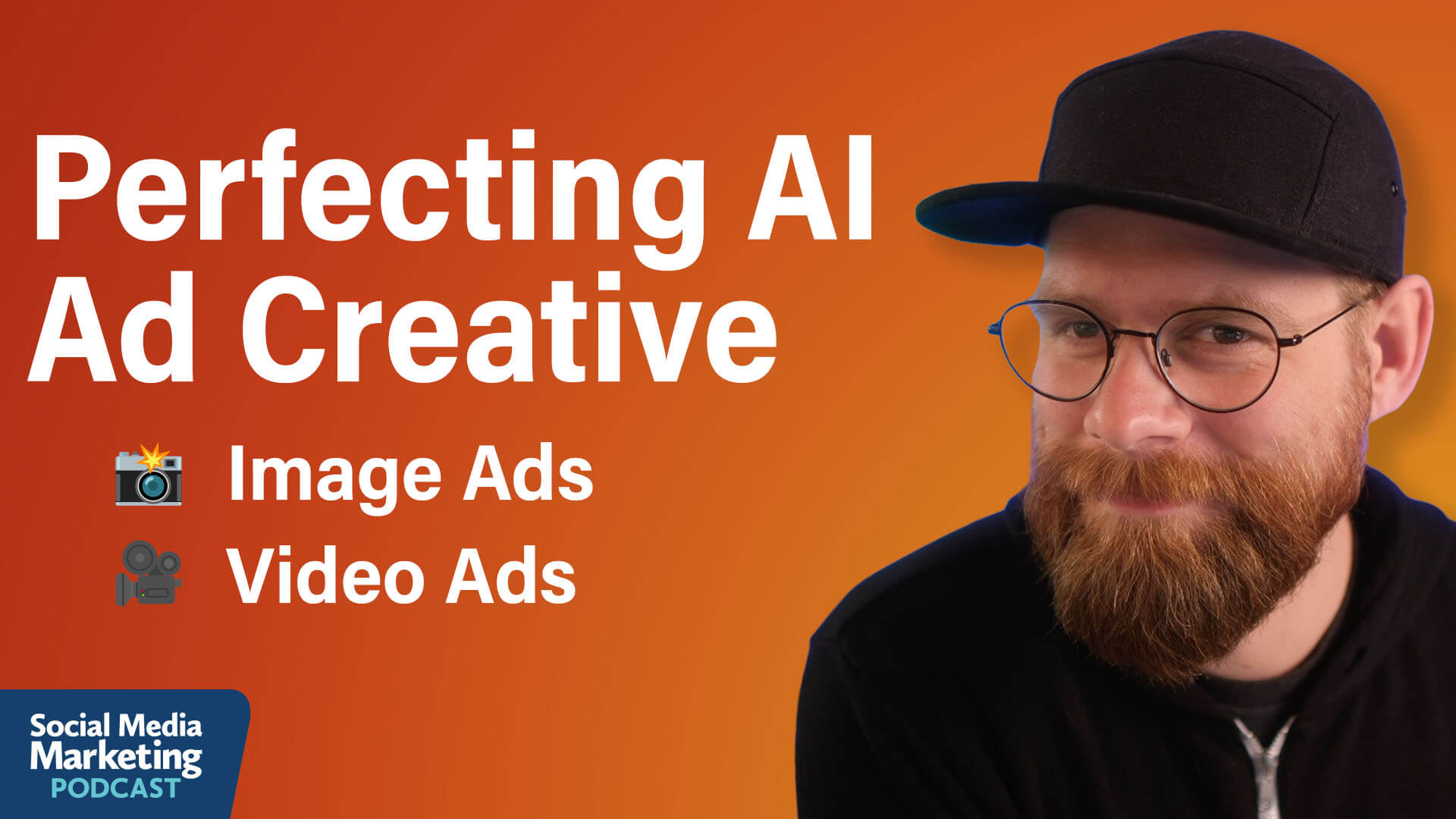
As Caleb Kruse notes, the shift is something advertisers must learn, whether they choose to or not. The infrastructure of the major platforms has already changed; it is time for the creative strategy to follow suit. By embracing AI, brands can reclaim their time, reduce their production costs, and, most importantly, deliver the volume of creative content required to thrive in the modern, automated marketplace.