The WordPress ecosystem, once defined by the "build it and they will come" ethos, is currently undergoing a profound transformation. As market saturation intensifies and the barrier to entry for new tools fluctuates, veteran developers and entrepreneurs are finding that the old playbooks for success are increasingly obsolete.
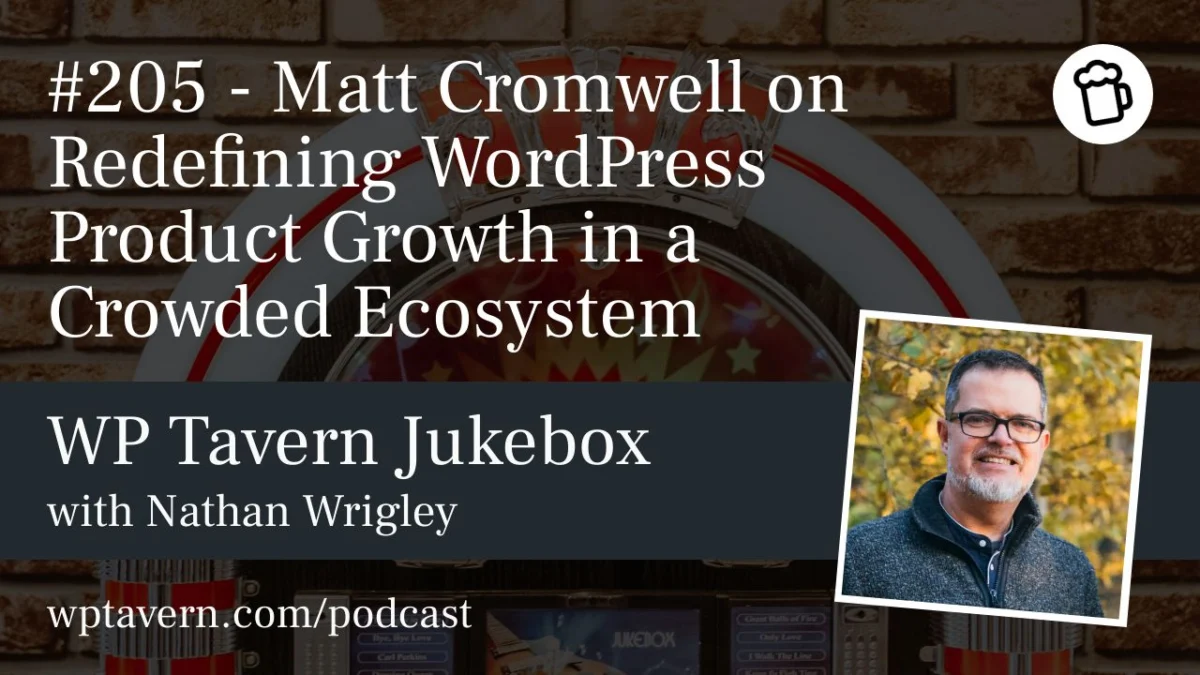
Enter Matt Cromwell, a stalwart figure in the WordPress community and the co-founder of GiveWP. After a successful exit to Liquid Web and a tenure with the StellarWP leadership team, Cromwell has launched a new agency, Roots & Fruit. His mission is clear: to transition WordPress founders from "code-first" thinking to a mature, growth-oriented product strategy.
Main Facts: The Shift in the WordPress Ecosystem
For years, the WordPress plugin and theme directories functioned as the primary engine for discovery. If a developer built a functional solution, the sheer volume of traffic flowing through the .org repository often guaranteed visibility. However, that era is effectively over.
Today, the ecosystem is crowded. With over 60,000 plugins available, the "rising tide" that once lifted all boats has become a turbulent sea of competition. Cromwell notes that the current landscape is no longer just about technical proficiency—it is about the entire customer journey.
"We used to depend so much on the wordpress.org plugin directory as a primary outlet for discoverability," Cromwell explains. "Now, there is so much noise and volume. If you try to be an AI alt-text generator right now, good luck. There are three dozen of those that shipped yesterday."
Chronology of an Industry Transition
To understand how we arrived at this point, one must look at the trajectory of the WordPress market over the last decade:
- The Growth Years (2015–2019): WordPress market share climbed steadily from 35% to 40%. During this time, the "plugin-as-a-commodity" model thrived. Developers could launch simple tools and find immediate adoption.
- The Pandemic Surge (2020–2021): The COVID-19 pandemic forced a digital transformation for small businesses and nonprofits. Companies like GiveWP saw unprecedented demand for fundraising tools. However, this created a "COVID high" that masked underlying market volatility.
- The Post-Pandemic Correction (2022–2024): As the world re-opened, many product companies experienced a sharper-than-expected decline in growth. Budgets tightened, and the "passive income" dream for many solo developers began to evaporate as customer acquisition costs rose.
- The AI Integration Era (2025–Present): WordPress Core began integrating AI, and the market shifted toward higher-level utility. The focus moved from "Does this plugin work?" to "Does this solution solve my business outcome?"
Supporting Data: Why "Code is Not the Product"
One of the most critical insights Cromwell brings to the table is the distinction between code and product. In his view, many WordPress developers fail because they view their software as a collection of features rather than a holistic user experience.
"You never once said, ‘I inspected the code to figure out if it was good enough,’" Cromwell points out during his discussion on the Jukebox podcast. "All of the things that convinced you to use that product had nothing to do with the code at all. You went to the website, there was marketing that told you they understood your problem, a checkout experience that was calm and soothing, and a user experience that made you feel supported."
The data suggests that the most successful products in the current market are those that invest heavily in:
- Brand Identity: Moving away from generic, feature-descriptive names.
- Customer Support: Viewing support not as a cost center, but as a primary marketing and retention tool.
- Process-Driven Growth: Replacing the "scattergun" approach—where developers dabble in social media, SEO, and paid ads without strategy—with disciplined, prioritized growth efforts.
Official Perspectives: The Role of AI and Future-Proofing
The integration of Artificial Intelligence into the WordPress platform is perhaps the most significant catalyst for change. Rather than viewing AI as a threat, Cromwell sees it as an equalizer that makes WordPress more "intelligent" and accessible.
"WordPress is one of the most documented open-source projects in the world," Cromwell notes. "AI now knows WordPress really, really well. I think the way [WordPress Core] is going about it is really smart. It is going to build the platform in a way that makes AI understand how to build with WordPress better than anything else out there."
Cromwell argues that while AI may make the writing of code easier—effectively democratizing the technical side of development—it makes the marketing and positioning of the product infinitely more difficult. Because anyone can now generate code, the value has shifted entirely to the human element: the ability to empathize with the user and deliver a specific outcome.
Implications for Solo Founders and Product Teams
The implications for the industry are clear: the barrier to entry has moved from the IDE (Integrated Development Environment) to the CRM (Customer Relationship Management).
For the Solo Founder
For the individual developer, the "solo lab" approach is essential. This involves:
- Prioritization: Learning to say "no" to secondary features and focusing on the core problem the customer needs solved.
- Marketing Diligence: Accepting that if a developer spends 100% of their time writing code, they will have 0% growth. A shift to a 50/50 split between development and marketing/growth activities is often required.
For Established Product Teams
For teams that have already achieved success, the challenge is structural. Often, the founders are "bottlenecked," having spent years acting as the developer, the support lead, the HR manager, and the marketer.
Cromwell’s agency, Roots & Fruit, acts as a "fractional Chief Growth Officer" (CGO). This role is designed to alleviate the burnout of founders by implementing:
- Strategic Roadmapping: Moving away from feature-creep and toward growth-focused updates.
- Customer Journey Mapping: Analyzing where potential users drop off during the discovery-to-purchase phase.
- Data-Driven Decision Making: Moving from anecdotal evidence ("I think users want this") to empirical evidence ("The data shows users are stuck at this specific point").
Conclusion: The Path Forward
The WordPress ecosystem is not dying; it is maturing. As the market enters 2026, the businesses that will thrive are those that recognize that they are not just selling a zip file—they are selling an outcome.
Matt Cromwell’s transition from a product founder to a growth mentor underscores a broader trend: the era of the "accidental entrepreneur" in WordPress is drawing to a close. To succeed in the current, highly competitive environment, founders must adopt a mindset of professional rigor, customer-centricity, and strategic patience.
For those willing to set aside the "build it and they will come" myth and embrace the complexities of branding, customer journey, and process-driven growth, the fruit is still there to be harvested. The garden, however, requires much more careful tending than it did a decade ago.