In the rapidly evolving landscape of digital advertising, a fundamental shift has occurred. The era of manual bid adjustments and granular keyword hacking has been superseded by a more complex, algorithmic reality. Today, the efficacy of a Google Ads account is no longer determined solely by the brilliance of its campaign structure, but by the integrity of the data feeding its machine-learning engines. As Google Ads becomes increasingly reliant on Smart Bidding, audience signals, and value-based optimization, accurate conversion tracking has transitioned from a technical "check-box" to the primary driver of competitive advantage.
Main Facts: The Transition from Media Buying to Data Management
The current state of Google Ads is defined by automation. With the introduction of Performance Max and the near-universal adoption of Smart Bidding strategies like Target CPA (Cost Per Acquisition) and Target ROAS (Return on Ad Spend), the "human" element of campaign management has shifted. Advertisers are no longer pulling levers; they are teaching a machine how to find customers.
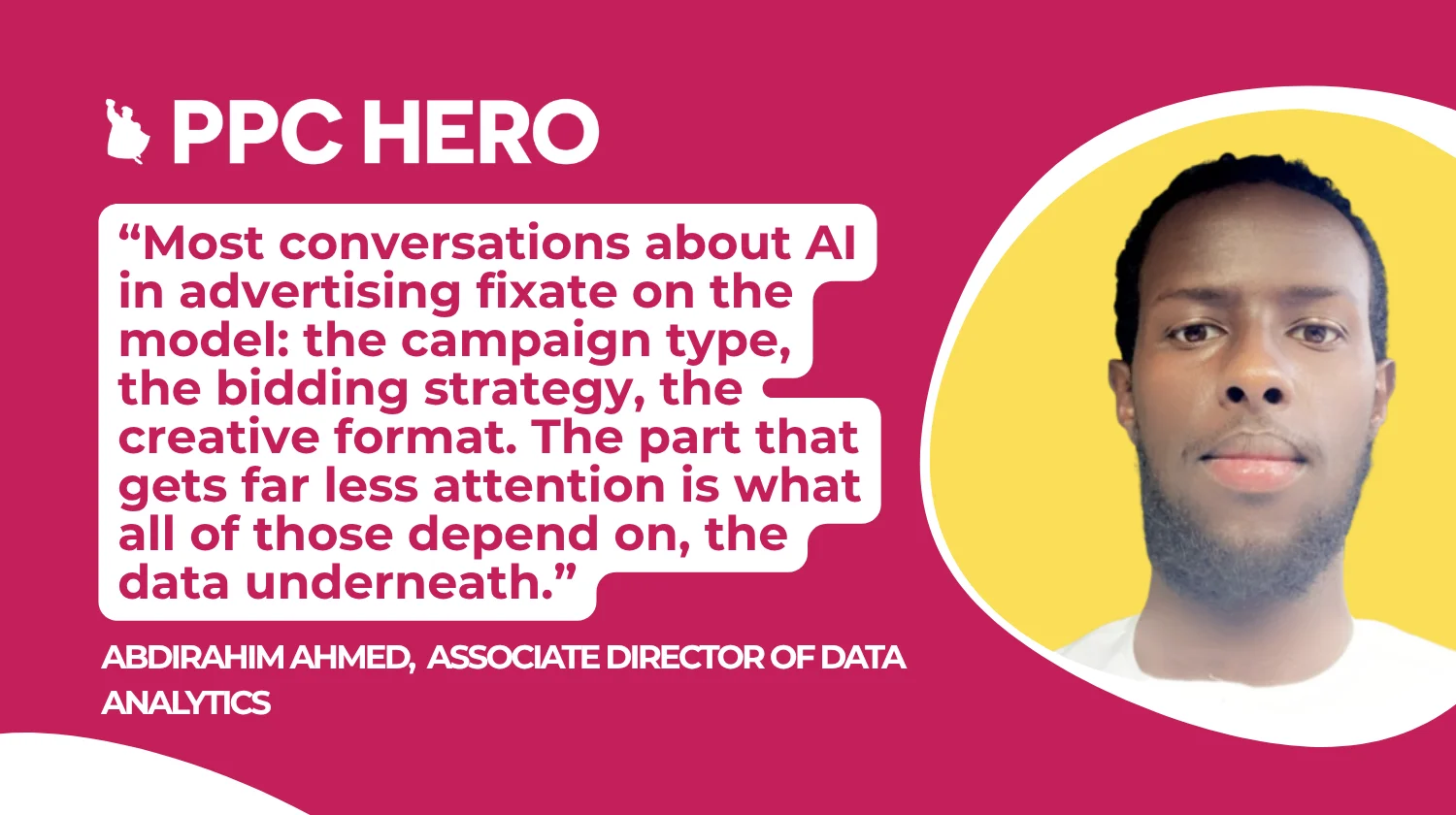
However, this reliance on artificial intelligence has a significant caveat: the "Garbage In, Garbage Out" (GIGO) principle. If the conversion data provided to Google is incomplete, duplicated, or misaligned with business goals, the algorithm will optimize for the wrong outcomes.
Recent industry audits suggest a staggering number of accounts—ranging from small businesses to enterprise-level brands—are operating with flawed tracking foundations. Common issues include:
- Duplicate Conversion Counting: Inflating performance metrics and causing the algorithm to overspend on low-value traffic.
- Broken "Thank You" Pages: Missing critical data points after website updates.
- Fragmented Tagging: Relying on legacy pixels that do not fire across all user touchpoints.
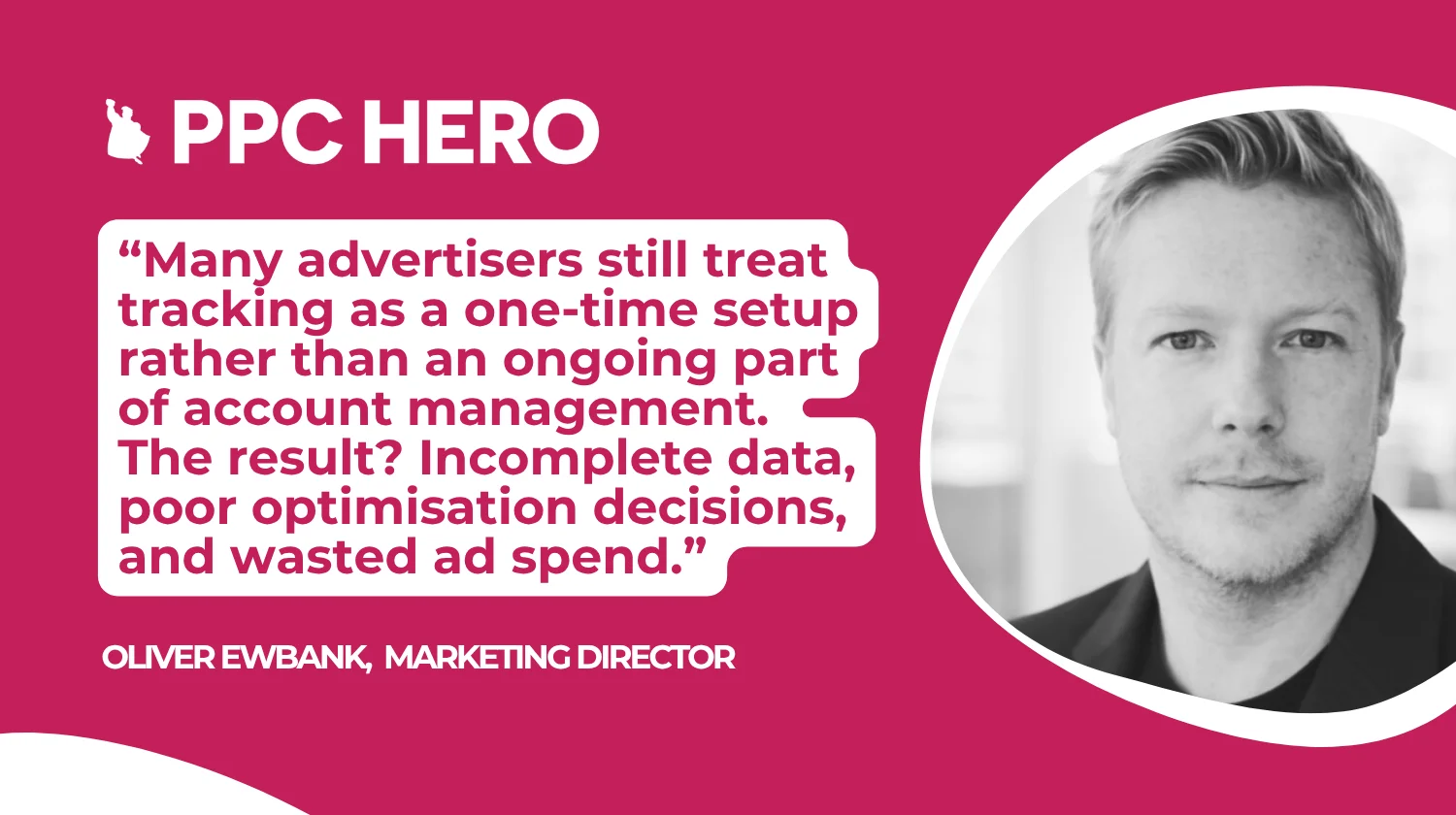
For the modern advertiser, auditing these tracking areas is no longer a one-time setup task; it is a core component of ongoing account management.
Chronology: The Evolution of Digital Measurement
To understand why tracking has become so critical in 2024 and 2025, one must look at the timeline of digital measurement over the last decade.
The Era of the Third-Party Cookie (2010–2018)
During this period, tracking was relatively straightforward. Third-party cookies allowed platforms to follow users across the web with high precision. Measurement was "deterministic," meaning advertisers could confidently link a click to a purchase with minimal gaps.
The Privacy Pivot (2018–2021)
The introduction of the General Data Protection Regulation (GDPR) in Europe and the California Consumer Privacy Act (CCPA) marked the beginning of the end for unfettered tracking. This culminated in Apple’s iOS 14.5 update in 2021, which introduced App Tracking Transparency (ATT). Suddenly, a massive portion of mobile traffic became "dark," meaning conversions could no longer be easily attributed to specific ads.
The Rise of Modeled Measurement (2022–Present)
In response to data loss, Google pivoted toward "probabilistic" measurement. Using machine learning, Google began "modeling" conversions for users who opted out of tracking or used privacy-centric browsers like Safari. This era introduced Enhanced Conversions and Consent Mode, shifting the burden of data collection back to the advertiser’s first-party data.
The AI-First Future (2026 and Beyond)
As we look toward 2026, the industry is entering a phase where the "signal" is more important than the "click." Advertisers are now expected to provide high-level business data—such as profit margins and lead quality—directly into the Google Ads interface to maintain performance in a cookieless world.
Supporting Data: The Impact of Tracking Precision on ROI
The data supporting a "tracking-first" approach is compelling. According to internal studies and industry benchmarks from leading PPC agencies, the implementation of advanced tracking features leads to measurable performance uplifts:
- Enhanced Conversions: Advertisers who implement Enhanced Conversions see an average conversion rate increase of 5% for Search and 17% for YouTube. This is primarily due to the recovery of data that would have been lost to browser restrictions.
- Consent Mode v2: For European advertisers, failing to implement Consent Mode v2 doesn’t just impact reporting; it prevents the account from building remarketing lists and utilizing personalized advertising, potentially reducing the addressable audience by 30% to 60%.
- Value-Based Bidding (VBB): Businesses that transition from "Maximize Conversions" to "Maximize Conversion Value" (using profit or lead scores) report an average 14% increase in conversion value at the same return on ad spend.
These statistics highlight that tracking is no longer just about "counting" sales; it is about providing the volume of data necessary for Smart Bidding to function. Google’s algorithms typically require a minimum of 30 to 50 conversions per month to optimize effectively. Inaccurate tracking that misses 20% of conversions can effectively "starve" the algorithm, leading to stagnant campaign performance.
The Five Pillars of Modern Tracking
To navigate this landscape, advertisers must focus on five critical areas of measurement.
1. Building a Robust Foundation
The foundation of any account is a clean integration between Google Tag Manager (GTM), Google Analytics 4 (GA4), and the Google Ads conversion pixel. A professional audit often reveals that advertisers are importing conversions from GA4 while also tracking them via the Google Ads tag without proper de-duplication. The industry standard is now to use the native Google Ads tag for bidding, as it offers the lowest latency and the best integration with features like Enhanced Conversions.

2. The Necessity of Enhanced Conversions
Enhanced Conversions are no longer an "optional" feature for high-tier spenders. By hashing first-party user data (like email addresses or phone numbers) using the SHA256 algorithm, advertisers can securely send this data to Google. When a user converts, Google matches this hashed data against its own logged-in user database. This recovers conversions that occur across different devices or in environments where cookies are blocked.
3. Consent Mode v2 and Compliance
For those operating in the UK and EEA, Consent Mode v2 is a regulatory and performance requirement. It allows the website to communicate the user’s cookie consent status to Google. If a user declines cookies, Google uses "behavioral modeling" to fill the gaps. Without this, the data stream is severed, and the advertiser is left making decisions based on incomplete reports.
4. Aligning Tracking with Business Outcomes
The most sophisticated advertisers have moved away from measuring "actions" and toward measuring "value."
- For E-commerce: This means passing the actual transaction value and currency, allowing for ROAS-based bidding.
- For Lead Generation: This involves "Lead Scoring." Instead of treating every form fill the same, advertisers assign a higher value to leads that come from high-intent industries or specific job titles.
By feeding these "value signals" back to Google, the algorithm learns to ignore "junk" leads and focus on high-value prospects.
5. Tracking as a Continuous Process
The "set and forget" mentality is the primary cause of account decay. Websites are dynamic; developers update code, CRM integrations fail, and privacy regulations change. A monthly tracking audit is now a prerequisite for professional account management. This includes checking for tag firing errors, monitoring the "Conversion Health" tab in Google Ads, and verifying that the data in the CRM matches the data reported in the ad platform.
Official Responses and Expert Perspectives
Industry leaders have been vocal about this shift. In various Google Marketing Live keynotes, Google executives have emphasized that "Measurement is the new Creative." The sentiment is shared by privacy experts who argue that the move toward first-party data is the only sustainable path forward.
"The biggest mistake we see is advertisers treating Google Ads like a black box," says a senior strategist at a leading UK-based performance agency. "They blame the bidding strategy when a campaign fails, but 90% of the time, the strategy failed because the tracking was broken. You can’t ask an AI to find ‘high-value’ customers if you haven’t told the AI what ‘value’ looks like."
Furthermore, regulatory bodies like the Information Commissioner’s Office (ICO) in the UK continue to tighten the screws on data privacy, making it clear that "gray area" tracking methods will no longer be tolerated. This places the burden on advertisers to adopt official, privacy-compliant tools like Consent Mode.
Implications: The Future of the Digital Marketer
The implications of this shift are profound for the workforce and the industry at large.
The Death of the "Media Buyer": The traditional role of the media buyer—someone who spends their day adjusting bids by 5%—is largely obsolete. The new role is that of a "Marketing Technologist" or "Data Strategist." Success now requires a mix of marketing intuition and technical proficiency in tag management and data architecture.
Competitive Advantage through Data: In an auction where everyone has access to the same AI tools, the only way to win is to have better data. If your competitor is tracking "Form Fills" but you are tracking "Qualified Sales Opportunities" via an offline conversion import, your algorithm will be significantly smarter than theirs. You will be able to bid more aggressively for the right users while they waste budget on low-quality leads.
The Resilience of Large Brands: This shift favors larger organizations with the resources to maintain complex data pipelines. Smaller advertisers may find it increasingly difficult to compete if they cannot solve the technical challenges of modern tracking.
Conclusion
As we look toward the remainder of 2025 and into 2026, the message for Google Ads advertisers is clear: don’t start with your keywords, and don’t start with your creative. Start with your tracking.
The future of digital advertising is a partnership between human strategy and machine execution. However, that partnership is only as strong as the data that connects them. By building a robust tracking foundation, embracing privacy-first tools like Enhanced Conversions and Consent Mode, and aligning measurement with actual business value, advertisers can unlock the full potential of Google’s automation. In the modern auction, the winner isn’t the one with the biggest budget; it’s the one with the best data.