The landscape of digital advertising is undergoing its most significant transformation since the inception of the Facebook pixel. Meta, the parent company of Facebook and Instagram, is aggressively transitioning marketers away from manual campaign management toward an AI-driven ecosystem. While this shift promises lower barriers to entry and optimized performance, it leaves many agency owners and business managers grappling with a fundamental question: When should you trust the algorithm, and when should you assert human control?
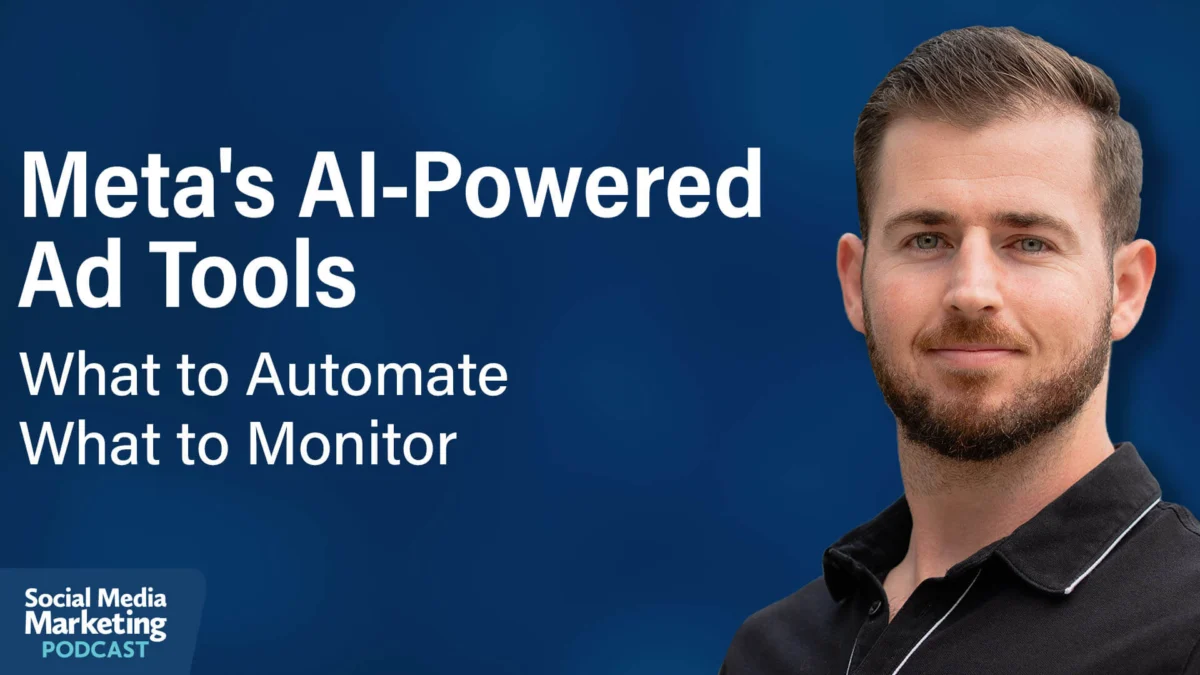
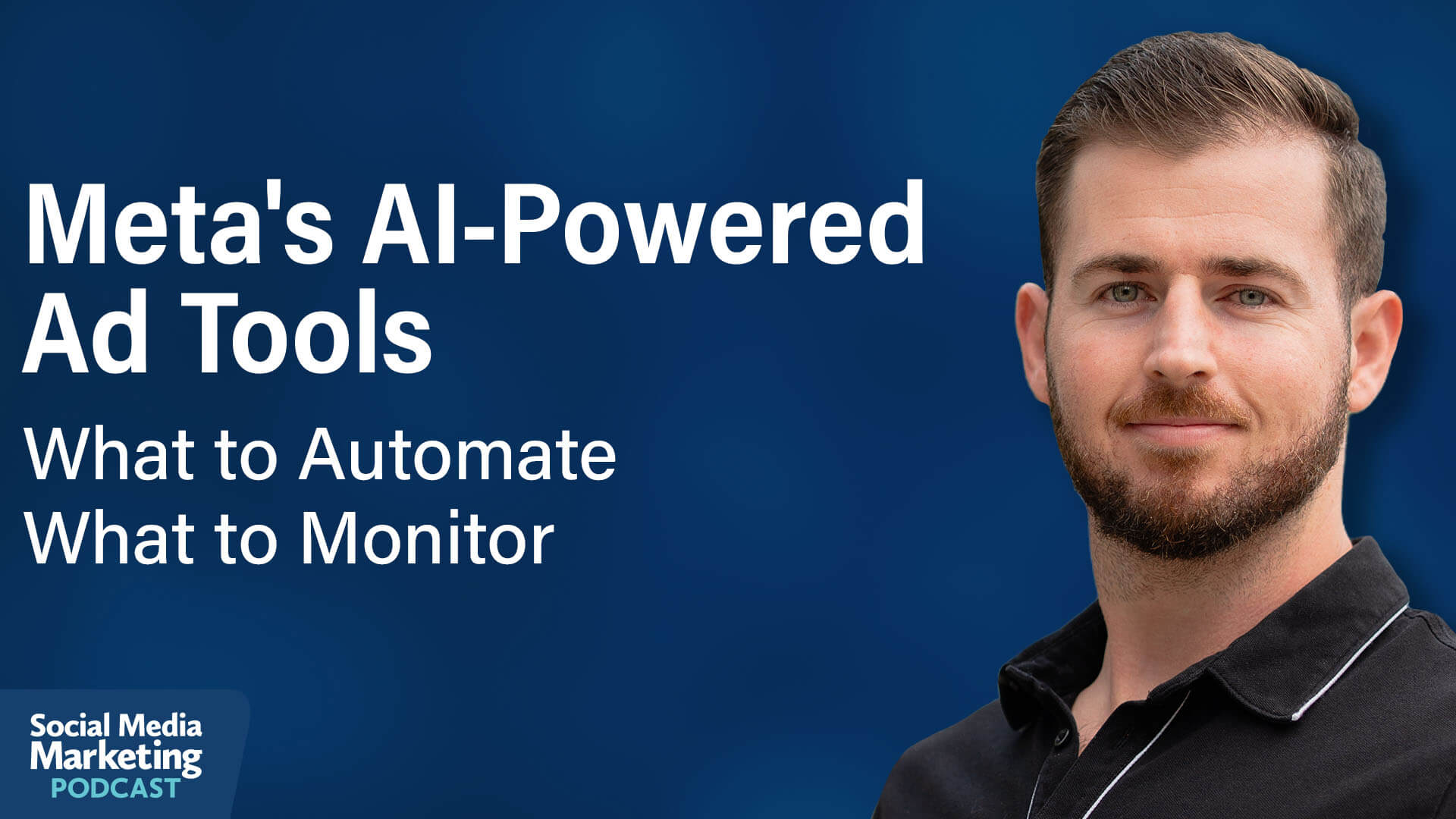
In a recent expert breakdown, agency owner Nick Theriot—who manages large-scale e-commerce ad spends—explores the tension between Meta’s "guided control" and the necessity of human strategic oversight. As Meta integrates AI agents into every corner of Ads Manager, the role of the modern marketer is evolving from a tactical button-pusher to a high-level creative strategist.
The New Frontier: Why Meta is Automating Control
For years, success in Facebook advertising was defined by technical proficiency: setting up complex campaign structures, managing manual bid caps, and meticulously segmenting audiences. Today, that complexity is being abstracted away. Meta’s goal is to make advertising accessible to anyone, regardless of technical background.
The trade-off for this ease of use is transparency. When the AI makes the decisions, the marketer loses visibility into the "why" behind those choices. Theriot notes that while advertising has become easier to launch, it has become harder to master. The core challenge for advertisers today is distinguishing between tasks that AI handles effectively—such as data plumbing—and tasks where human intuition remains irreplaceable, such as high-level ideation and ethical creative direction.
1. The Data Plumbing: Letting AI Manage the Pixel
The Facebook pixel has long been the cornerstone of Meta’s tracking ecosystem. Historically, manual implementation of the pixel across complex funnels required significant developer resources. Meta is now leveraging AI to automate this setup, enabling the pixel to identify site events, product availability, and user behavior with minimal manual intervention.
The Logic of Automation
Theriot advocates for handing off the technical heavy lifting of pixel implementation to AI. Much like using AI to write code, automating tracking setup removes the friction that often prevents small business owners from getting started. For e-commerce brands, particularly those on platforms like Shopify, one-click integration is a "black-and-white" task that provides high ROI with zero human effort.
Strategic Recommendations
- Install Early: Even if you aren’t currently running ads, install the pixel now. The data it collects during this "learning phase" will eventually lower your cost per acquisition when you do launch your first campaign.
- The Nuance of Business Models: While e-commerce brands benefit from standardized pixel tracking, lead-generation businesses with multi-step funnels still require a more nuanced approach. Using tools like Google Tag Manager remains the gold standard for controlling exactly which data points are transmitted to Meta, ensuring that sensitive user interactions aren’t inadvertently captured.
2. Third-Party AI Connectors: The Risks of Over-Automation
Meta has opened the doors to third-party AI agents, such as Manus, which can integrate directly with Ads Manager to generate reports, create dashboards, and ideate content. This allows marketers to "talk" to their ad account rather than navigating through complex menus.
The "Account Ban" Phenomenon
Theriot offers a stark warning regarding these integrations. Over the past few months, a recurring trend has emerged: accounts linked to high-frequency AI agents have faced sudden, unexplained bans. The leading theory is that these AI tools often "spam" the Meta API with excessive requests, triggering automated safety protocols.
Maintaining Human Oversight
The danger lies in treating AI as an autonomous employee rather than a tool. Theriot recommends a cautious approach:
- Disconnect and Audit: If you utilize an AI connector, be wary of high-volume automation.
- The "Human-in-the-Loop" Mandate: AI is notoriously poor at high-level audience research. When asked to identify target demographics, AI models often return generic, unusable personas. Human research—observing where real demand exists in the market—remains the primary driver of effective ad creative.
3. The Meta AI Business Assistant: A Double-Edged Sword
Meta’s native AI Business Assistant, embedded directly into Ads Manager, functions as an on-demand consultant. It provides real-time recommendations, performance analysis, and optimization tips.
Why the AI is Right (Most of the Time)
For beginners, this assistant is transformative. It can bridge the gap between novice and pro, providing advice that is 90% to 95% more accurate than the average YouTube tutorial. It democratizes access to high-level strategy that was once gated behind expensive consulting fees.
Where to Exercise Skepticism
The assistant is trained on Meta’s internal documentation, which often aligns with the company’s goal of maximizing ad spend. Theriot highlights a critical red flag: "Spend more" suggestions.
"You cannot double your budget overnight and expect your cost per result to remain linear," Theriot warns. These automated suggestions often fail to account for the realities of market saturation and supply chain constraints. When the assistant recommends a massive budget increase, treat it with the same skepticism you would a cold-calling ad rep. Always verify the math—use tools like Claude for analytical tasks, as some models (like Gemini) can struggle with complex spreadsheet logic.
4. Creative: The New Lever for Growth
In the current Meta advertising ecosystem, account structure is secondary to creative. The "winner-take-all" strategy of 2018—characterized by complex bid caps—has been replaced by a "creative-first" model.
Quality over Quantity
There is a common misconception that one must test hundreds of creative iterations a week to find a winner. Theriot argues that this is a recipe for burnout and mediocrity. "If your ideas are weak, AI will simply help you produce more weak material faster."
The most successful brands today are those that use AI to amplify high-quality, human-led concepts. Creative professionals—photographers, copywriters, and video editors—are seeing the highest returns because they know how to prompt AI to produce work that doesn’t feel "AI-generated."
The Ethics of AI-Generated Personas
With the rise of realistic AI-generated spokespeople, the industry is entering a legal gray area. While using an AI avatar to present product benefits is acceptable, using them to fabricate testimonials (e.g., "I lost 30 pounds in 30 days") is a fast track to litigation. As states like New York prepare to mandate disclosures for AI-generated faces, advertisers must prioritize transparency to maintain long-term brand equity.
5. The Future of Conversion: One-Click Shopping
Meta is pushing deeper into the bottom of the funnel with features like One-Click Checkout and AI-enhanced product discovery. While convenient, Theriot advises caution.
The Psychology of the "Add to Cart"
Data suggests that the "Add to Cart" button serves a psychological purpose. It provides a brief window of deliberation for the consumer. When brands replace this with an immediate "Buy Now" button, conversion rates often drop. For high-consideration products, consumers want to research; they want to visit your website, read reviews, and check for refund guarantees. Stripping away these friction points can actually reduce trust and increase abandonment.
The 80/20 Strategy
For business owners, the takeaway is clear:
- 80% of your energy should remain on the fundamentals that are currently driving revenue.
- 20% of your budget should be allocated to experimenting with new AI-driven tools.
Treat these new features as experimental bets rather than foundational requirements.
Conclusion: The Rise of the Marketing Manager
As these technologies proliferate, the traditional "media buyer" role is likely to diminish. In its place, the "marketing manager" will rise—a professional who coordinates a fleet of AI tools for creative production, data analysis, and audience targeting, while maintaining the human oversight necessary to protect the brand’s bottom line.
The most valuable skills for the next two years will not be technical. They will be the ability to create compelling offers, the aptitude to communicate product value, and the critical thinking required to discern when the machine is helping you win—and when it is simply helping you spend.