
In the modern digital landscape, a dangerous misconception persists: the conflation of User Interface (UI) design with User Experience (UX) design. While UI design focuses on the aesthetic and functional elements of an interface—the buttons, the typography, and the layout—UX design is a far more expansive discipline. It concerns itself with the entirety of the user’s journey, a path that frequently transcends the boundaries of any single screen or device.
In the realm of Business-to-Business (B2B) commerce, this distinction is not merely academic; it is the difference between a thriving sales pipeline and a fractured, ineffective customer journey. As veteran designer Paul Boag argues, to truly improve the user experience, one must account for the full, end-to-end journey—including the human interactions and the "gaps" that exist between digital touchpoints.
The Architecture of B2B Complexity
Unlike the often impulsive, consumer-driven nature of B2C transactions, B2B experiences are characterized by high stakes, long decision-making cycles, and multiple stakeholders. A typical B2B engagement is rarely a "one-and-done" interaction. Instead, it is a marathon.

The complexity of these journeys is born from the nature of professional commerce. A single B2B engagement might span months, moving from the initial awareness of a problem to the final procurement of a high-ticket solution. During this interim, a prospect might engage with white papers, attend webinars, participate in sales discovery calls, undergo technical demos, and navigate internal procurement hurdles.
If a UX designer focuses solely on the interface, they ignore the friction points that occur during these non-digital transitions. The UI might be pristine, but if the sales call that follows the website visit feels disjointed or if the onboarding process fails to match the expectations set during the initial marketing phase, the user experience collapses.
Chronology of a Sales Journey
To understand the necessity of a holistic approach, one must map the typical B2B trajectory. The process generally follows a predictable, yet high-risk, progression:
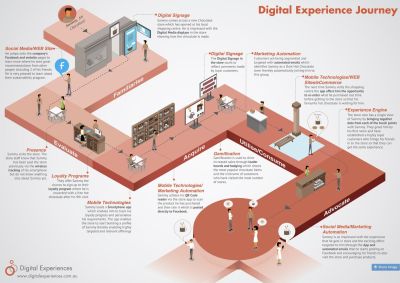
- Awareness: The prospective client encounters a pain point and begins searching for solutions. They might find an article, a blog post, or a social media update.
- Engagement: The prospect subscribes to a mailing list or downloads a resource. Here, the "nurturing" phase begins.
- Consideration: The prospect engages with the brand directly—perhaps through a webinar or an initial discovery call.
- Evaluation: The client assesses the product against competitors, requiring internal alignment and technical validation.
- Decision & Onboarding: The contract is signed, and the user transitions from a "lead" to an "active client."
At every stage of this chronology, there is a risk of losing the prospect. The UX designer’s role is to ensure that the transition between these stages is seamless. If a prospect is pushed for a "hard sell" during the early discovery phase, they are likely to disengage. Conversely, if the technical documentation provided during the evaluation phase is unintelligible, the momentum stalls.
Supporting Data: The Cost of the "Gap"
The most critical areas of any user journey are the "gaps"—the voids between interactions. These are the moments where customers are most frequently "dropped."
Data-driven organizations have increasingly turned to Customer Relationship Management (CRM) and pipeline software to plug these holes. When a customer is transferred between departments and forced to repeat their identity verification, or when a user switches from mobile to desktop and loses their progress on a form, the company is failing at the UX level.

These gaps represent lost time and eroded trust. For instance, a bank that requires a customer to re-authenticate themselves when calling from an already-logged-in mobile app is creating unnecessary friction. Plugging these gaps requires a deep integration of backend systems and a unified view of the customer’s history.
Official Perspectives: The Human Factor
While digital transformation is a priority, there is an often-overlooked dimension: the human factor. In B2B, a significant portion of the "user experience" is actually an interaction between two people—a human and a salesperson, or a human and a support representative.
These interactions are the "last mile" of the UX journey. Even if the website is flawlessly designed, a poor experience with a live agent can dismantle the entire brand reputation. As Boag notes, technology often makes these human-to-human interactions feel more sterile. A stock, automated response to a specific, nuanced question feels like an insult to the user’s intelligence.

To mitigate this, organizations are beginning to view "Sales Enablement" as a branch of UX design. This involves:
- Coaching: Providing sales teams with better communication frameworks.
- Alignment: Ensuring that the tone and messaging used by the sales team match the brand voice established on the website.
- Empowerment: Giving representatives the tools to provide personalized, high-value responses rather than scripted, impersonal ones.
Implications for Modern Design Roles
The implication of this holistic view is clear: the role of the UX designer must evolve. If a designer is confined to creating wireframes for interfaces, they are operating at only a fraction of their potential.
Breaking the Silos
The modern UX designer must act as a bridge between marketing, sales, and product development. This requires:
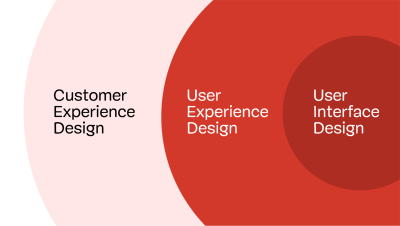
- Journey Mapping: Creating comprehensive maps that include offline touchpoints and human interactions.
- Interdisciplinary Collaboration: Engaging with sales teams to understand the common objections and pain points encountered during the closing process.
- Strategic Influence: Advocating for "friction-free" processes that prioritize the user’s long-term success over short-term conversion metrics.
A Call for Evolution
Organizations that limit their designers to "UI work" are failing to leverage their most valuable asset: the ability to view the company through the customer’s eyes. If a designer is hired to fix the experience but is only given control over the buttons and the menus, they are being asked to patch the surface of a crumbling foundation.
The transition from UI-centric design to journey-centric design is not a luxury; it is a necessity for survival in the competitive B2B market. While it may face resistance from those who prefer rigid, departmentalized workflows, the results are undeniable. A holistic approach ensures that every touchpoint—whether it’s a landing page, an automated email, or a phone call—works in harmony to guide the user toward a solution.
Ultimately, the goal of UX is to build a relationship of trust. By acknowledging the full scope of the journey, including the gaps and the human interactions, designers can move beyond creating functional interfaces and start crafting meaningful, enduring experiences that define the success of the business. The "User Experience" is not just what happens on the screen; it is the entire narrative of the customer’s interaction with an organization. To ignore any part of that story is to leave the most important parts of the experience to chance.