In the rapidly shifting landscape of WordPress, where the "no-code" movement and block-based editing often dominate the headlines, a vital segment of the developer community is finding renewed purpose in the foundational mechanics of the web. Central to this movement is WP Rig, a free, open-source theme development toolkit that serves as a bridge between the ease of WordPress and the professional standards of modern software engineering.
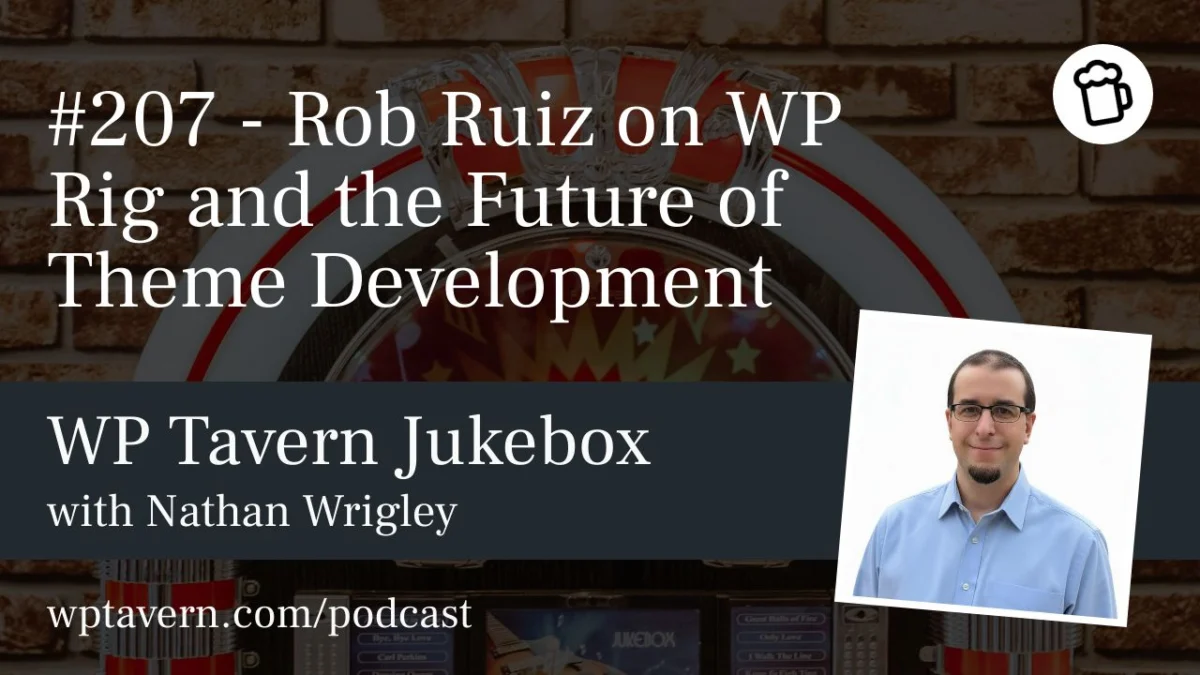
In a recent episode of the WP Tavern Jukebox Podcast, host Nathan Wrigley sat down with Rob Ruiz, the project’s current custodian, to discuss how this toolkit is helping developers move from passive site builders to active software architects.
The Core Concept: What is WP Rig?
At its simplest, WP Rig is a theme development framework and starter theme combined. While many developers are familiar with Underscores—the classic starter theme—WP Rig provides a significantly more robust "developer experience" (DX) ecosystem. It integrates essential modern build tools, including Composer (for PHP dependency management) and Node.js (for JavaScript and CSS preprocessing).
The project’s goal is to provide a "best practice" starting point. It automates the enforcement of coding standards and allows developers to leverage future-facing CSS features today, ensuring that when a custom theme is finished, it adheres to the high standards expected by the WordPress community.
A Journey from Designer to Architect
Rob Ruiz’s path to becoming the steward of WP Rig reflects the broader evolution of the WordPress professional. Starting his journey around 2010 as a designer, Ruiz found that the WordPress ecosystem provided a low-friction entry point for learning. Over the years, the platform facilitated his transition from a visual designer to a software engineer and, eventually, an architect.
"WordPress has facilitated my journey," Ruiz noted during the interview. "It allowed me to learn at my own pace."
Ruiz’s involvement with WP Rig began as a user. While searching for a framework that aligned with his desire for clean, standard-compliant code, he discovered WP Rig. By sheer coincidence, he stumbled upon an article on WP Tavern announcing that the project was seeking new maintainers. He joined the subsequent community call, and through a series of conversations, he stepped into the role of custodian—a position he has held while working full-time at an agency and managing his own independent projects.
The "Tinkerer" Philosophy: Why Code Matters
A significant portion of the conversation focused on the divide between the "no-code" page-builder experience and the "code-first" approach. While page builders offer quick, drag-and-drop solutions, Ruiz argues they come with inherent limitations.
"When you’re doing things with just code, you have superpowers," Ruiz explained. "If you want ultimate control over your site… code will always be the best way to exercise that control."
For the aspiring developer, WP Rig acts as a pedagogical tool. It encourages users to "peel back the layers" of the CMS to understand how CSS, JavaScript, and PHP interact. By providing a structured environment, it removes the fear of breaking the site. If a test or a component fails, it can be easily deactivated or removed, making the learning process iterative and safe.
Modernizing the Toolkit: Version 3 and Beyond
A major theme of the discussion was the recent overhaul of the project, culminating in the release of "Version 3." Ruiz acknowledged that in the past, WP Rig was beginning to feel sluggish compared to modern, high-speed build tools like Vite.
To keep the project relevant, Ruiz overhauled the build process. He replaced older, slower systems (like the Gulp-based workflow) with faster, more efficient technologies.
Key Technical Enhancements:
- Modern Build Pipeline: The integration of
esbuildandLightning CSSensures that development is lightning-fast and aligned with current industry standards. - Future-Facing CSS: WP Rig uses PostCSS to allow developers to use cutting-edge CSS features—such as nesting—before they are fully adopted by all browsers, with the system automatically compiling them for compatibility.
- Paradigmatic Flexibility: Perhaps the most significant update is the toolkit’s ability to support multiple paradigms. Whether a developer is building a classic theme, a block-based theme, or a hybrid of both, WP Rig provides CLI commands to scaffold the necessary structure.
The Role of Guardrails in Professional Development
One of the most praised aspects of WP Rig is its inclusion of "guardrails." Development can often be a chaotic experience, especially for those working in teams. WP Rig enforces the WordPress Coding Standards (WPCS) automatically.
"Having a tool that tells you early on, ‘Hey, you should change this,’ is extremely valuable," Ruiz said. This is particularly important for developers aiming to contribute to the official wordpress.org theme repository. By running the integrated PHPCS checks, a developer can ensure their code meets community standards before they ever submit it for formal review, preventing the frustration of multiple rejection cycles.
Implications for the Future of WordPress
Ruiz touched upon a broader concern regarding the health of the WordPress ecosystem: the need for new contributors. He noted that the strength of WordPress is tied directly to its community of "tinkerers." If the barrier to entry for development becomes too high, or if users rely exclusively on proprietary, black-box solutions, the pool of future contributors will shrink.
"We have to remember that WordPress is at the mercy of its contributors," Ruiz warned. "If the number of people contributing to WordPress starts to decline, so too will the progress of WordPress itself."
By providing an accessible, educational framework, WP Rig is not just a tool for building sites; it is a recruitment engine for the next generation of WordPress developers. It encourages users to move beyond being passive consumers of themes and toward becoming active participants in the open-source community.
Getting Started and Community Involvement
For those interested in exploring the framework, the barrier to entry is intentionally kept low. The requirements are standard for modern development:
- Node.js: For the JavaScript runtime and build process.
- Composer: For managing PHP dependencies.
- Local Development Environment: Tools like Local WP or WordPress Studio are recommended to keep the workflow entirely on the developer’s local machine.
Once set up, the toolkit handles the heavy lifting. When a project is bundled, the framework creates a standalone theme, effectively "stripping" the source branding so that the resulting product is entirely the developer’s own.
Ruiz is actively looking to expand the community around WP Rig. He encourages interested developers to:
- Join the Discord Server: A space for direct communication and guidance.
- Contribute on GitHub: The repository is open for issues and pull requests, with documentation available for those looking to get started.
- Follow the Learn V3 Documentation: The website (wprig.io) has been updated with comprehensive video tutorials and documentation to support the new version.
Conclusion
As the web continues to evolve, the demand for high-performance, accessible, and custom-tailored websites remains higher than ever. WP Rig stands as a testament to the fact that you do not need to choose between the power of WordPress and the craft of custom development. By providing the tools, the guardrails, and the educational foundation, it empowers the next generation of architects to build a more robust, open web.
Whether you are a designer looking to bridge the gap to development or a seasoned engineer seeking a more streamlined workflow, WP Rig offers a compelling, modern, and—most importantly—free path forward.