The global WordPress ecosystem, once defined by its vibrant, hyper-local gatherings and the warmth of in-person collaboration, is facing a profound identity crisis. For nearly two decades, the project’s success was inextricably linked to the "community"—a decentralized, grassroots network of meetups, WordCamps, and pub-based coding sessions. However, in the wake of the COVID-19 pandemic, the landscape of these gatherings has shifted dramatically. As we navigate the mid-2020s, industry veterans are asking a difficult question: Have we lost the "magic" that built the world’s most popular CMS, or are we simply witnessing the necessary evolution of a maturing, albeit fragmented, digital culture?
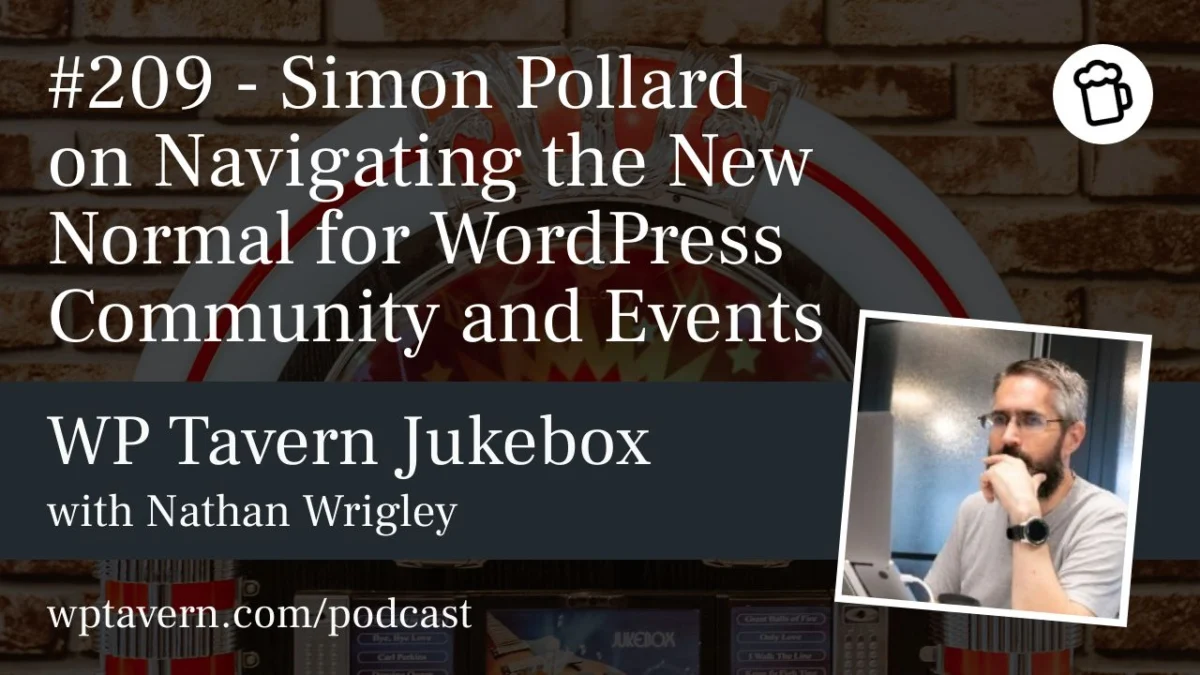
In a recent episode of the WP Tavern Jukebox Podcast, veteran developer and community organizer Simon Pollard sat down with host Nathan Wrigley to dissect the decline of local WordPress meetups. Their conversation highlights a critical shift in how developers connect, learn, and contribute, raising questions about whether the "in-person" spirit of open source can survive in an era of digital fatigue and algorithmic social media.
The Rise and Stagnation of the Bristol Meetup
To understand the current state of the community, one must look at its peak. Before 2020, the Bristol WordPress Meetup was a model of success. What began as a handful of enthusiasts gathering in a pub evolved into a sophisticated, officially sanctioned operation. By late 2019, the group regularly hosted 30 to 40 attendees, managed a professional Trello board for organization, held its own bank account, and attracted sponsors to cover venue costs and catering.
"It was a thriving, officially backed event," Pollard recalls. "We had an organizing team of six or seven people. It was a lovely gathering—it was just a nice thing."
However, the momentum came to a sudden, screeching halt when COVID-19 mandates forced the closure of physical spaces. While many organizations attempted to pivot to virtual events, the "video-call fatigue" that settled over the tech industry proved insurmountable for many local organizers. The technological overhead and the lack of social spontaneity led to a slow, quiet fading of the community’s vitality. For many, the "sword of Damocles"—the unpredictable nature of lockdowns—ultimately severed the habit of attending.
Chronology of a Disconnected Community
The timeline of this shift follows a distinct arc:
- 2010–2019: The Golden Age of Connection. The WordPress community flourishes, characterized by high-touch events, intense hallway-track networking, and the rise of the "Maven"—the hyper-connector who bridges gaps between developers, designers, and project managers.
- 2020–2022: The Great Pause. Physical meetups vanish. The community retreats into screens, relying on Zoom, Slack, and isolated social media bubbles. The habit of leaving the house for a "tech talk" is broken.
- 2023–2024: The Attempted Rebirth. As restrictions lift, organizers attempt to restart the engine. They discover a fractured landscape. Many original organizers have moved on to new life stages—parenthood, career changes, or burnout—and potential successors struggle to gain traction.
- 2025–Present: The New Reality. A smaller, quieter, but resilient core group begins to emerge. However, the old "town square" platforms (like the former Twitter) have shattered, leaving no singular space to rally the troops.
The "In-Between" Gap: Why Networking Has Changed
A significant point of discussion is the disappearance of the "in-between" communication. Previously, Twitter acted as a centralized hub for WordPress professionals to share expertise, organize, and support one another. As these platforms have decentralized or shifted focus, the ability to maintain the "human" element of the community has weakened.
"How do we communicate in between this and the next meetup?" Pollard asks. "I seem to have forgotten how to socialize outside of actually being there in person."
This loss of an informal communication channel has profound implications. Without a shared digital space to bridge the gaps between monthly meetings, the "warmth" of the room diminishes. Younger developers, who may have entered the industry during or after the pandemic, never experienced the pre-2020 era of community, making it difficult to "sell" the value of a physical meetup when digital convenience is the default.
Implications: Is the Community Still Essential?
Is a community necessary for an open-source project to thrive? Historically, the answer is a resounding yes. The WordPress community was the project’s primary R&D lab, support desk, and marketing department rolled into one.
The decline of in-person interaction threatens the "empathy feedback loop." When developers sit in a room together, they share struggles, swap code, and humanize the "rival" companies they work for. This empathy is what prevents 100 people from solving the same problem in isolation.
"The WordPress community is very different," Pollard notes. "I would happily tell another dev, from a ‘rival’ company, how to do something if they were stuck. You wouldn’t necessarily get that in other industries."
If this network dissipates, the project loses its most significant competitive advantage. The rise of AI-driven coding assistants, such as ChatGPT or Claude, has further compounded the issue. When a developer can ask an AI for a solution, they no longer need to engage with a human peer. While efficient, this removes the social friction that leads to genuine professional connections and community loyalty.
Reimagining the Event: A Hybrid Future?
To revive the community, Pollard and Wrigley argue that we must rethink what a "WordPress Event" actually is. The "sit-and-watch-a-talk" format may no longer be enough to compete with the high-production entertainment available in our living rooms.
H3: The "Arts-Meets-Technology" Approach
One proposed solution is to move away from strictly technical content. By incorporating local culture—music, film, or interdisciplinary arts—organizers can broaden the appeal of meetups.
"Maybe that’s a channel for these events: combine cinema with a WordPress event, or live music," Wrigley suggests. "There’s a high correlation between musicians and WordPressers. It’s gimmicks, but it’s fun."
H3: Embracing the "Non-WordPress" Speaker
The success of previous events often relied on inviting speakers from outside the immediate WordPress bubble—animators, designers, or entrepreneurs—who could bring fresh perspectives. By widening the scope, organizers can attract a more diverse audience that may eventually find their way to WordPress through interest, rather than necessity.
H3: The Human-Centric Welcome
Perhaps the most crucial lesson from the Bristol experience is the "Welcoming Team." The difference between a thriving meetup and a dying one often comes down to the first five minutes. A dedicated team that acts as "connectors"—introducing a project manager to a designer, or a junior dev to a mentor—replaces the awkwardness of the unknown with the comfort of a network.
Conclusion: A Call to Reconnect
The path forward is not about returning to 2019; it is about acknowledging that the world has changed. The "halcyon days" of a singular, massive, and tightly-knit community may be behind us, replaced by smaller, more fragmented, but perhaps more intentional circles.
For organizers like Simon Pollard, the mission is now to reach out, bridge the gaps, and rebuild the social fabric—not just for the sake of the software, but for the human relationships that make the work meaningful. As the industry grapples with AI, remote work, and a fractured social media landscape, the act of showing up in a room with other humans has become, paradoxically, a radical and necessary innovation.
"It hasn’t died out," Pollard concludes. "It’s just a little bit smaller than it was. But I hope it can rebuild."
For those looking to find their people again, the advice is simple: Don’t wait for a digital notification. Reach out, find a local gathering, and start the conversation. The community is still there; it’s just waiting for a reason to come back together.