In a move that signals a strategic recalibration of India’s electronics manufacturing sector, the Indian government has officially approved a manufacturing joint venture between Chinese smartphone giant Vivo and the domestic contract manufacturing heavyweight, Dixon Technologies. This landmark decision marks the end of a long regulatory wait and represents a significant shift in how multinational corporations—specifically those from China—are navigating the complex geopolitical and regulatory landscape of India’s burgeoning smartphone industry.
As New Delhi continues its aggressive push to become a global electronics manufacturing hub, the Vivo-Dixon partnership is being viewed by analysts as a potential "template" for future collaborations. By ceding majority control to an Indian entity, foreign players can align themselves with local policy imperatives while securing their position in the world’s second-largest smartphone market.
The Anatomy of the Deal
The joint venture structure is defined by a 51/49 split, with Dixon Technologies holding the majority stake and Vivo retaining the remaining interest. This ownership model is particularly significant given the scrutiny Chinese capital has faced in India since the 2020 border tensions.
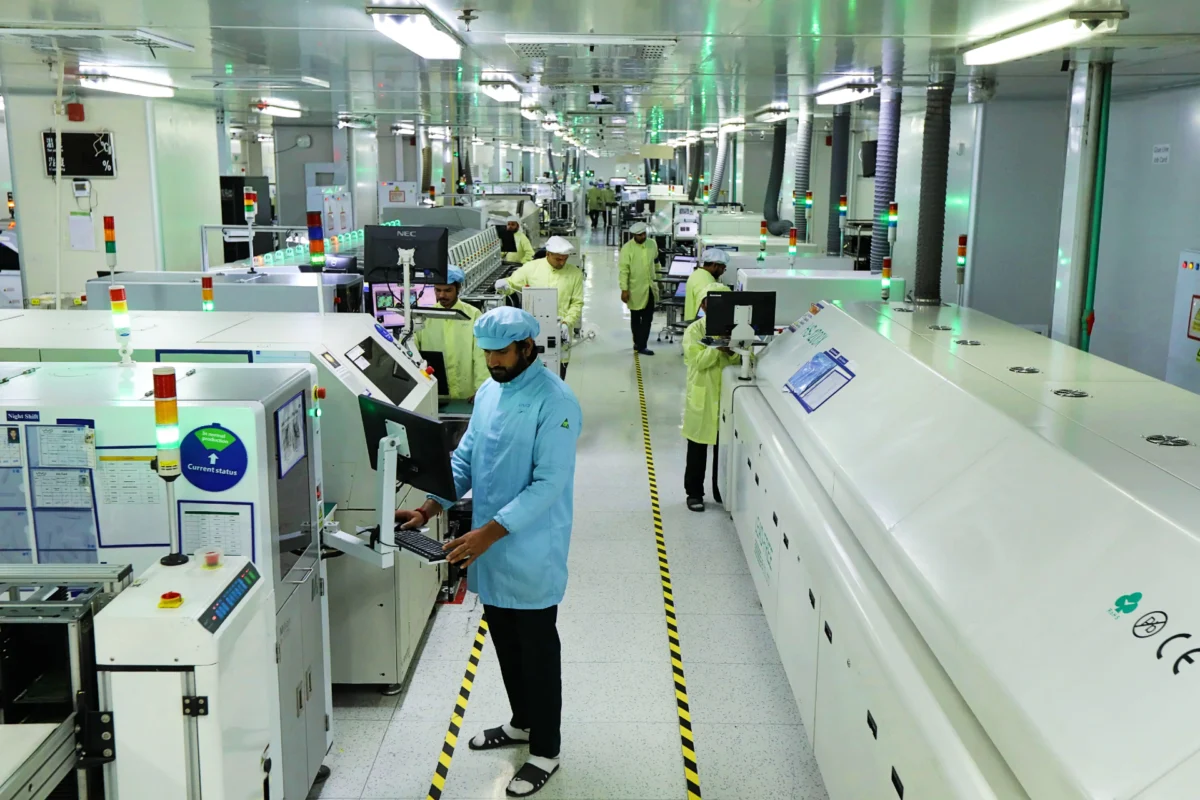
According to filings with the Bombay Stock Exchange (BSE), the new entity will acquire specific manufacturing assets currently held by Vivo India. Beyond simply managing Vivo’s production requirements, the venture is empowered to manufacture electronic products for other brands, positioning Dixon as a diversified hub rather than just a captive assembly unit. For Vivo, which currently dominates the Indian market with a 23% shipment share as of the first quarter of this year, this partnership provides a stable, compliant, and localized operational framework.
Chronology: From Border Tensions to Strategic Partnership
The road to this approval has been paved with years of shifting regulatory hurdles and geopolitical friction.
- 2020: The Turning Point: Following military border clashes in the Himalayas, the Indian government introduced Press Note 3, which mandated that all foreign direct investment (FDI) from countries sharing a land border with India must undergo rigorous government vetting. This policy effectively stalled Chinese investment, leaving major players like Vivo, Xiaomi, and Oppo in a state of regulatory limbo.
- 2022–2023: Regulatory Scrutiny: During this period, several Chinese smartphone vendors faced intense investigations from Indian authorities regarding allegations of tax evasion and illegal remittances. These events underscored the risks of operating as wholly-owned Chinese subsidiaries in India.
- December 2024: After years of navigating the "extra scrutiny" protocol, Vivo and Dixon Technologies announced their intent to form a strategic partnership. The market viewed this as a direct response to the pressure to "Indianize" their supply chains.
- Early 2025: The proposal underwent extensive evaluation by the Department for Promotion of Industry and Internal Trade (DPIIT) and other relevant ministries.
- Late 2025/Early 2026 (The Present): Official approval is granted, clearing the way for the venture to begin integrating operations and scaling up production capacity.
Supporting Data: The Export-Import Gap
To understand why this move is so critical, one must look at the current state of India’s smartphone ecosystem. While Apple has successfully turned India into a global export powerhouse—accounting for 57% of the country’s total smartphone exports by volume—the picture for Chinese brands is starkly different.
Chinese vendors currently control approximately 72% of the Indian domestic market, yet they contribute less than 10% to the country’s total smartphone exports. This massive disparity highlights a lost opportunity for India. While Apple has leveraged suppliers like Foxconn and the Tata Group to move significant portions of its global supply chain out of China and into India, Chinese brands have remained largely inward-looking, focusing on the domestic Indian consumer base.
The partnership with Dixon is expected to bridge this gap. With Dixon’s existing expertise and scale, the venture aims to add an annualized production capacity of 20 to 22 million units. For Dixon, a company whose growth trajectory is intrinsically linked to its ability to secure large-scale manufacturing contracts, this is a major win. Managing Director Atul Lall has repeatedly highlighted that such partnerships are essential to reaching the scale required to make India a competitive global exporter.
Official Perspectives and Market Implications
The sentiment among industry analysts is one of cautious optimism. Tarun Pathak, Research Director at Counterpoint Research, describes the approval as a "win-win" scenario.
"The approval of this joint venture creates a win-win for both players," Pathak stated. "The majority-Indian-owned structure provides Vivo with greater policy alignment and stability, while giving Dixon the scale to deepen local value addition and pursue exports."
For the Indian government, the move validates its "Make in India" initiative. By incentivizing foreign firms to partner with local manufacturers, India is moving beyond mere assembly. The focus is now shifting toward "local value addition," where more components are sourced and produced within Indian borders. This reduces reliance on imports, boosts employment, and creates a more resilient industrial base.
A Template for the Future?
The Vivo-Dixon deal serves as a stress test for other Chinese giants. Companies like Xiaomi and Oppo, which have also faced regulatory headwinds, are closely observing how this partnership performs.
The "Dixon Model" offers several key advantages for these firms:
- Regulatory De-risking: By shifting to a majority-Indian ownership structure, companies can preemptively address concerns regarding foreign control and data sovereignty.
- Operational Stability: Leveraging the local expertise of a company like Dixon minimizes the risks associated with navigating India’s complex labor laws and administrative bureaucracy.
- Incentive Eligibility: Many of India’s Production-Linked Incentive (PLI) schemes are easier to access for entities with deep local integration. By partnering with a domestic firm, Chinese brands can better qualify for these government payouts.
However, the path forward is not without challenges. Integrating two distinct corporate cultures—one rooted in the fast-paced, high-volume Chinese manufacturing style and the other in the specific regulatory and operational context of an Indian contract manufacturer—will require meticulous management.
Conclusion: The Path Ahead
The approval of the Vivo-Dixon joint venture is more than a simple business deal; it is a signal that the Indian smartphone market is entering a more mature phase. As Apple continues to lead the high-end export market, the entry of mass-market leaders like Vivo into a formal local-partnership structure suggests that India is successfully creating a dual-track manufacturing engine.
For the Indian consumer, the partnership promises a more robust supply of smartphones and potentially better pricing, as local production reduces import duties. For the global supply chain, it represents another incremental step in the diversification away from a single-country dependency.
As the venture begins operations, the world will be watching to see if this "template" succeeds in transforming India from a market of consumers into a global factory floor. If the Vivo-Dixon experiment yields high-volume exports, it will likely trigger a wave of similar joint ventures, cementing India’s role as the next great hub of global electronics manufacturing. The "Make in India" story, once driven primarily by global giants like Apple, is now expanding to include the very brands that defined the previous decade of the Indian smartphone revolution.