For nearly three decades, the foundational architecture of search engine marketing has remained remarkably consistent: a user enters a search query, scans a list of organic or paid results, clicks a link, and is redirected to a merchant’s website to complete a purchase. This linear journey—query → click → buy—has served as the bedrock of search engine optimization (SEO). Metrics such as organic sessions, impressions, and click-through rates (CTR) have long been the primary indicators of digital marketing success.
However, the rapid convergence of generative artificial intelligence, large language models (LLMs), and autonomous software agents is fundamentally dismantling this paradigm. Google’s introduction of the Universal Commerce Protocol (UCP) marks a transition in the search giant’s core utility: shifting from a discovery engine that points users to external websites, to a transaction layer that executes commerce directly within its own AI ecosystem.
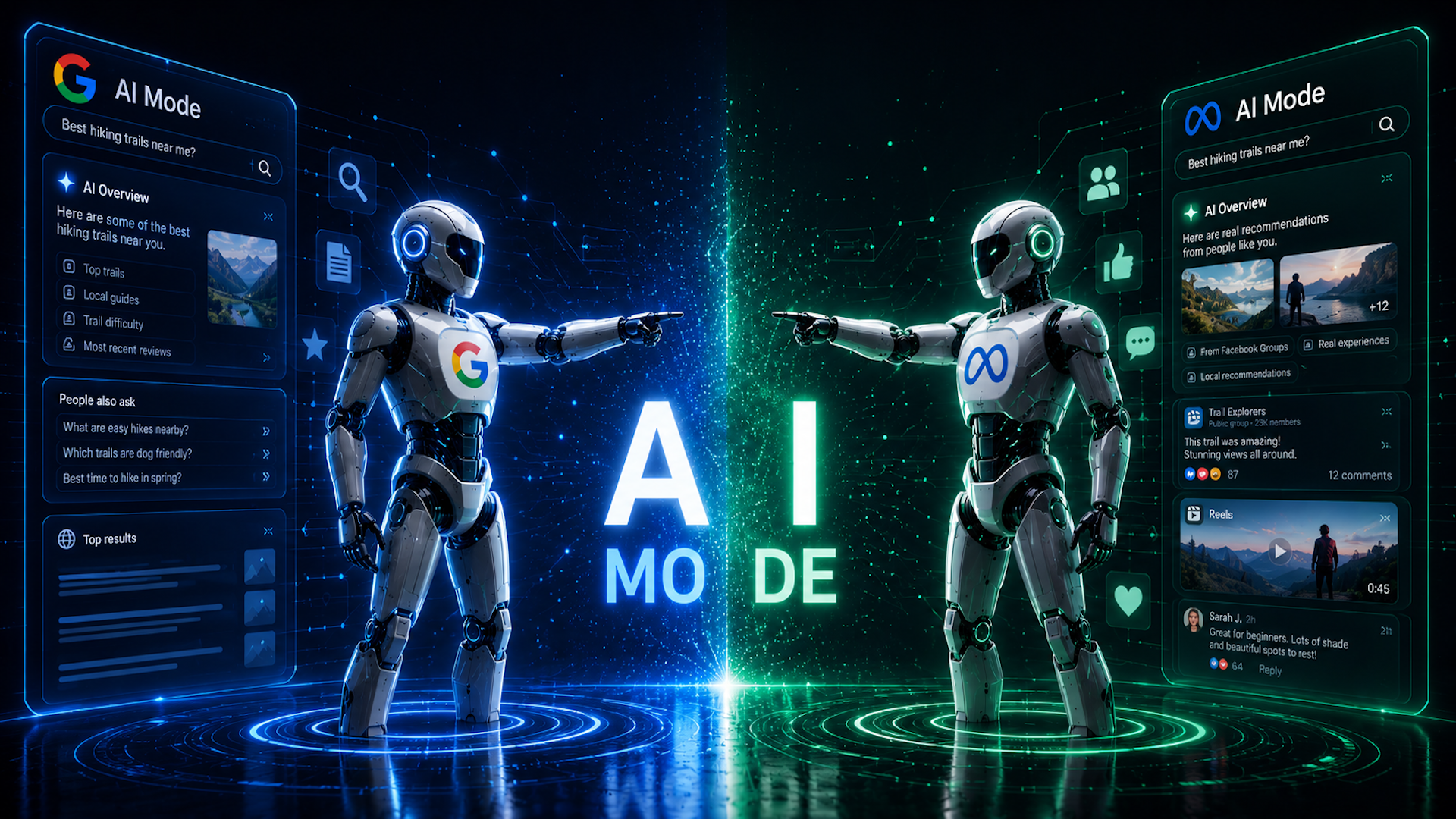
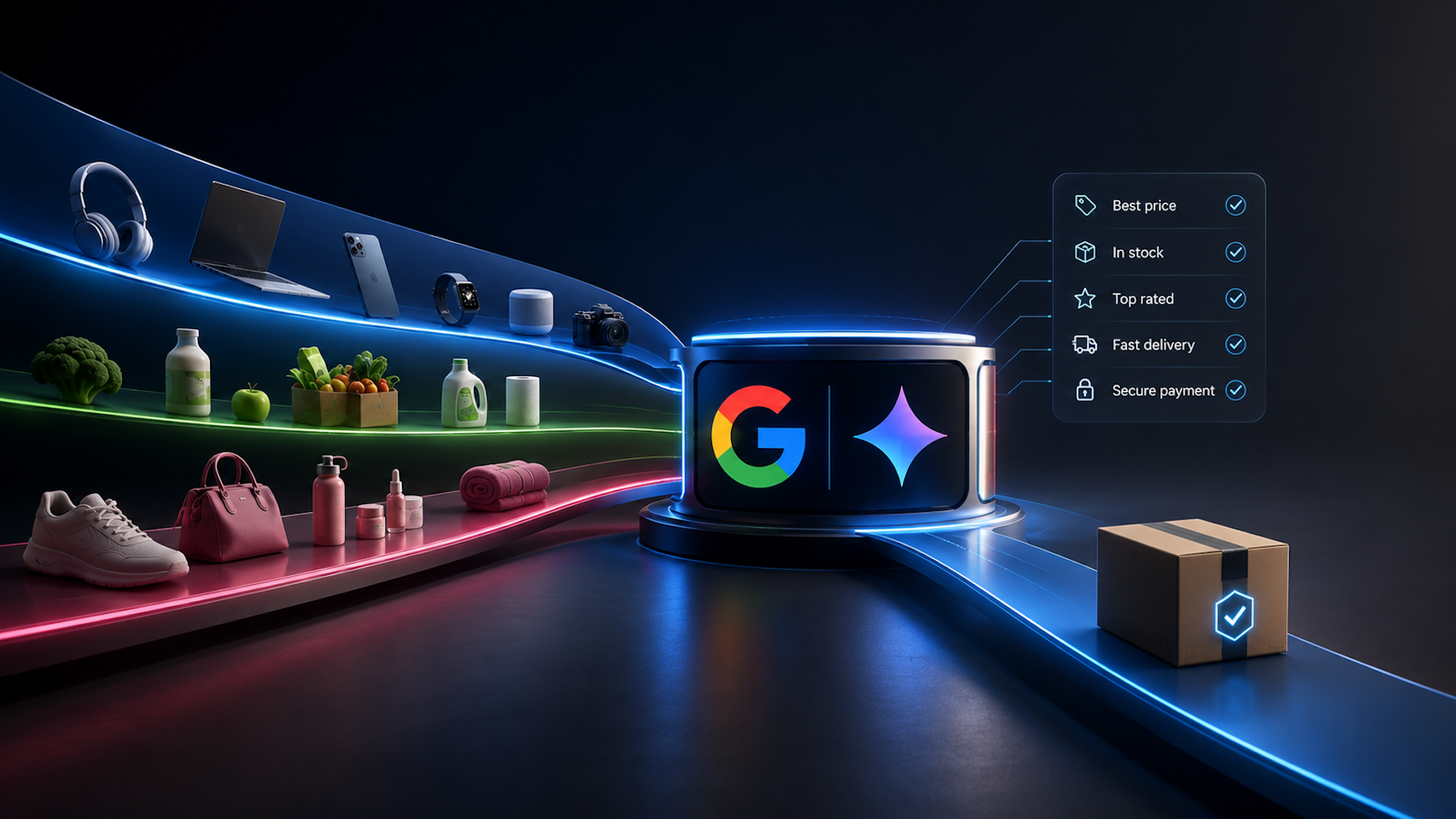
Driven by the rise of "agentic commerce"—wherein AI agents act as autonomous proxies capable of making purchasing decisions—Google is engineering an ecosystem where product discovery, evaluation, comparison, and checkout occur entirely inside its AI-powered interfaces. Whether through Gemini, AI Mode, YouTube, or Gmail, the traditional intermediate step of visiting a merchant’s website is increasingly being bypassed.
For digital marketers and SEO professionals, the implications are profound. The industry is moving rapidly from optimizing for web clicks to optimizing for autonomous AI transactions. If a brand’s digital infrastructure does not natively communicate through the Universal Commerce Protocol, it risks becoming entirely invisible to a new generation of AI-driven shoppers.
1. Main Facts: Demystifying the Universal Commerce Protocol (UCP)
At its core, the Universal Commerce Protocol (UCP) is an open-source, vendor-agnostic standard designed to facilitate the entire commerce lifecycle—including product discovery, cart construction, secure checkout, and post-purchase tracking—directly within artificial intelligence interfaces.
Rather than being a proprietary Google silo, UCP is a collaborative ecosystem standard. It has been co-developed by Google in partnership with major retail and e-commerce heavyweights, including Shopify, Walmart, Target, Wayfair, and Etsy.
[ AI Agent / Gemini ]
       │ (Interacts via UCP)
       ▼
[ Universal Commerce Protocol (UCP) ] ─── (Standardized Translator)
       │
       ▼
[ Merchant Backend / Storefront ] (Shopify, Walmart, Target, etc.)
To understand UCP’s role, digital architects compare it to HTTPS (Hypertext Transfer Protocol Secure). Just as HTTPS established a universal, secure standard for web browsers to communicate with web servers, UCP establishes a standardized, secure language for AI shopping agents to interact with e-commerce merchant backends.
Historically, an AI tool would require custom, complex, one-to-one API integrations with every individual merchant to understand inventory, calculate shipping, and execute a checkout. UCP solves this scaling bottleneck. By serving as a universal translator, it allows any compatible AI agent to securely browse real-time inventory, configure carts, and process payments across millions of disparate online storefronts simultaneously.
2. Chronology: The Evolution of Search and Commerce
The transition to agentic commerce is the culmination of a multi-decade evolution in how consumers find and purchase goods online.
  Late 1990s - 2000s          2010s                     Early 2020s               Mid-2020s & Beyond
┌──────────────────────┐    ┌──────────────────────┐  ┌────────────────────────┐  ┌────────────────────────┐
│  Directory & Keyword │ ──►│  Structured Schema   │──►│  Zero-Click Searches  │──►│   Agentic Commerce     │
│  Traditional Blue    │    │  Rich Snippets &     │  │  AI Overviews &        │  │   Direct Checkout via  │
│  Hyperlinks          │    │  Google Shopping     │  │  Conversational Search │  │   UCP & AP2 Protocols  │
└──────────────────────┘    └──────────────────────┘  └────────────────────────┘  └────────────────────────┘
The Directory and Keyword Era (Late 1990s – 2000s)
In the early days of search, search engines acted as digital phone books. SEO was focused purely on keyword density and link-building to rank "ten blue links." Users had to click through to a website, navigate its unique interface, and manually enter billing and shipping details for every purchase.
The Structured Data and Feeds Era (2010s)
As e-commerce matured, Google introduced structured data schema (such as Schema.org) and Google Merchant Center feeds. This allowed search engines to extract price, availability, and review ratings directly from web pages, displaying them as "Rich Snippets." While this pulled product data directly into search engine results pages (SERPs), the purchase itself still required a click-through to the merchant’s site.
The Zero-Click and Conversational Era (Early 2020s)
With the launch of AI Overviews (formerly SGE) and conversational interfaces like Gemini, Google began synthesized search. Instead of presenting a list of links, the search engine synthesized information to answer queries directly on the search page. This led to a dramatic rise in "zero-click" searches, where users obtained their answers without ever visiting an external site.
The Agentic Commerce Era (Present and Beyond)
Today, the integration of UCP represents the final step of this evolution: zero-click transactions. Search is no longer just an information retrieval system; it has become an execution layer. By combining conversational AI with secure transaction protocols, Google can complete the entire buying cycle end-to-end on behalf of the user.
3. Supporting Data: The Mechanics of an AI-Driven Transaction
To understand how UCP alters the consumer journey, we must look at the underlying data exchange. When a user prompts an AI assistant—such as asking Gemini to "find and buy a replacement water filter for a 2021 Samsung French-door refrigerator with the fastest shipping"—the transaction is executed through a highly structured, four-step technical workflow.
┌────────────────────────────────────────────────────────┐
│ 1. Capability Publication                              │
│    Merchant broadcasts capabilities, stock & pricing   │
└───────────────────────────┬────────────────────────────┘
                            │
                            ▼
┌────────────────────────────────────────────────────────┐
│ 2. Handshake                                           │
│    AI Agent matches parameters (wallets, loyalty)      │
└───────────────────────────┬────────────────────────────┘
                            │
                            ▼
┌────────────────────────────────────────────────────────┐
│ 3. Action Execution                                    │
│    Cart built; secure token payment via AP2            │
└───────────────────────────┬────────────────────────────┘
                            │
                            ▼
┌────────────────────────────────────────────────────────┐
│ 4. Human Escalation (If Required)                      │
│    User confirms address/shipping choice               │
└────────────────────────────────────────────────────────┘
The Four-Step UCP Workflow
- Capability Publication: The merchant’s e-commerce platform automatically publishes its capabilities to the decentralized network. This includes real-time product catalogs, live dynamic pricing, localized fulfillment options, and supported payment gateways.
- The Handshake: The AI shopping agent reads the merchant’s capability profile, cross-references it with the user’s stored preferences (such as preferred delivery speeds, loyalty programs, or payment methods), and establishes a secure, encrypted communication path.
- Action Execution: The AI agent autonomously searches the merchant’s active inventory, verifies stock availability, constructs the shopping cart, and utilizes the Agent Payments Protocol (AP2). AP2 allows the AI to execute a highly secure, tokenized transaction using digital wallets like Google Pay, passing encrypted credentials to the merchant without exposing the user’s raw financial data.
- Human Escalation: If the transaction encounters an ambiguity—such as choosing between two different delivery windows, or confirming a newly updated shipping address—UCP temporarily pauses the autonomous loop. It prompts the human user for a quick confirmation and, upon receiving it, hands control back to the AI agent to complete the checkout.
Reducing E-Commerce Friction
From an analytical standpoint, UCP addresses the single greatest pain point in digital retail: cart abandonment. Industry data indicates that average online cart abandonment rates hover between 70% and 75%, often driven by tedious checkout forms, account creation requirements, and unexpected shipping calculations.
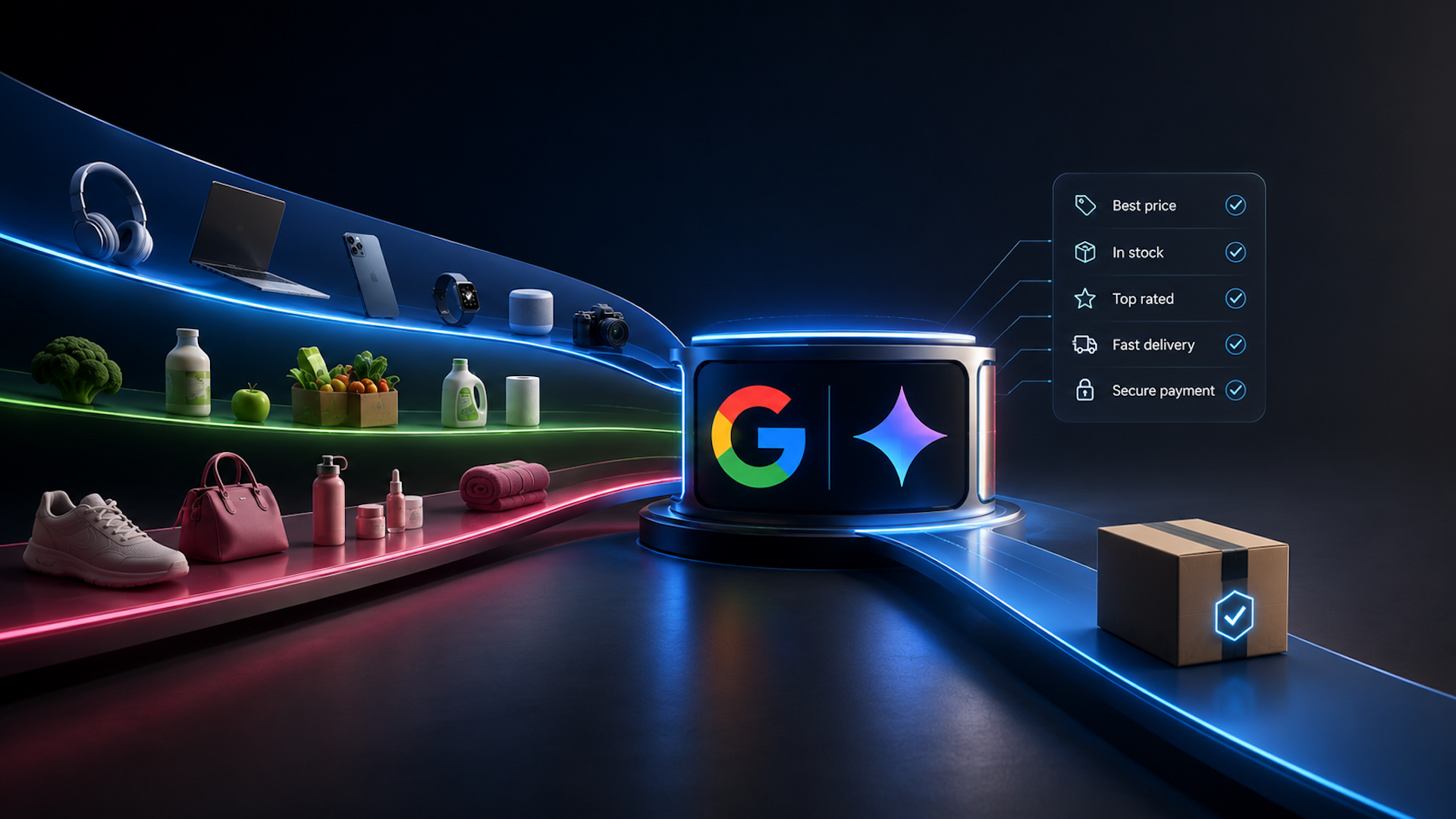
By utilizing standardized user data and digital wallets, UCP eliminates these points of friction. The transaction occurs in a unified, trusted interface, drastically increasing conversion rates for high-intent, urgent, or highly commoditized purchases.
4. Official Responses and Industry Perspectives
The development of UCP represents a delicate balancing act between major technology platforms, massive retail conglomerates, and independent merchants.
Google’s Strategic Objectives
For Google, UCP is a critical defensive and offensive play. Historically, Amazon has dominated product-specific search queries, with over 50% of product searches starting directly on its platform. By turning its entire ecosystem—including YouTube, Gmail, and Gemini—into an instant, transactional marketplace, Google can capture high-intent shopping queries at the point of origin, bypassing Amazon’s search dominance.
Why Retail Giants Co-Developed UCP
The participation of Shopify, Walmart, Target, and Wayfair in co-developing an open standard is highly strategic. For these retailers, UCP prevents a future where a single tech giant controls a proprietary AI-shopping gatekeeper. An open-source, vendor-agnostic protocol ensures that merchants of all sizes can receive transactions from any AI agent, rather than being forced to pay exorbitant integration fees or commissions to a single proprietary AI platform.
Merchant Autonomy and the "Merchant of Record"
Crucially, when a transaction is completed via UCP, the brand remains the Merchant of Record. This is a vital distinction for retailers who fear losing their brand identity to aggregate platforms. Under the UCP framework:
- The merchant retains direct control over product pricing, return policies, and fulfillment logistics.
- The merchant owns the customer relationship and retains valuable first-party data.
- Google and the AI agents act strictly as the facilitators of the transaction, rather than the seller of the goods.
5. Implications: The New SEO Playbook for the Agentic Era
As the search landscape shifts from "click-throughs" to "buy-throughs," traditional SEO methodologies must evolve. When users no longer visit homepages, category pages, or product detail pages (PDPs) to make purchases, optimizing for visual appeal and on-page copy is no longer sufficient.
To remain competitive in an ecosystem governed by UCP and autonomous AI agents, search engine marketers must prioritize three technical pillars.
┌─────────────────────────────────────────────────────────────────┐
│                   THE AGENTIC SEO PLAYBOOK                      │
├───────────────────────────────┬─────────────────────────────────┤
│ 1. Merchant Center Feed       │ Deeply optimized attributes:    │
│    Optimization               │ GTIN, MPN, live stock, shipping │
├───────────────────────────────┼─────────────────────────────────┤
│ 2. Schema.org Alignment       │ Perfect synchronization between │
│                               │ Product, Offer, & Review schema │
├───────────────────────────────┼─────────────────────────────────┤
│ 3. Conversational Semantic    │ Providing nuanced data like     │
│    Attributes                 │ compatibility & use-case fits   │
└───────────────────────────────┴─────────────────────────────────┘
1. Advanced Google Merchant Center (GMC) Optimization
Your Google Merchant Center feed is no longer just an engine for running paid Shopping ads; it has become the primary database that AI agents query to understand your inventory. Marketers must treat GMC feed optimization as a core SEO priority.
- Precise Product Identifiers: Ensure every product has accurate Global Trade Item Numbers (GTINs), Manufacturer Part Numbers (MPNs), and brand identifiers. AI agents rely on these unique codes to verify product authenticity and match exact queries.
- Real-Time Data Accuracy: Stock levels, pricing, and shipping speeds must be updated dynamically. If an AI agent attempts to execute a UCP handshake and detects a discrepancy in price or shipping time compared to your live site, the transaction will fail, and your product will be deprioritized in future recommendations.
2. Perfect Synchronization of Structured Data
AI agents require absolute consistency across all digital touchpoints. Discrepancies between your on-page Schema.org markup (specifically Product, Offer, and AggregateRating schemas) and your Merchant Center feed can trigger automated validation flags. Marketers must implement automated pipelines to ensure that any change in price, availability, or promotion on the storefront backend is instantly reflected in both the page HTML schema and the merchant feed.
3. Adapting to Conversational and Semantic Attributes
The keywords of the future are conversational, highly situational, and hyper-personalized. Consumers are moving away from short-tail searches like "men’s running shoes" and are instead prompting AI with complex parameters: "Find me waterproof trail running shoes for flat feet, under $150, that can be delivered to my address by Thursday afternoon."
To capture these queries, merchants must enrich their product databases with semantic attributes that go beyond basic descriptions. This includes providing:
- Contextual Compatibility: Clear, structured data indicating exactly which models, parts, or environments a product is compatible with.
- Fulfillment Capabilities: Granular, real-time shipping data, including localized cut-off times for same-day or next-day delivery.
- Nuanced Specifications: Specific design features (e.g., "arch support level," "waterproof rating," "sustainable materials") structured in a queryable format that LLMs can easily parse.
Conclusion: Getting Found vs. Getting Bought
The introduction of Google’s Universal Commerce Protocol represents a fundamental shift in digital marketing. For decades, the goal of SEO was to capture attention, earn a click, and guide a visitor through a website’s funnel. In the era of agentic commerce, the website is no longer the destination; it is simply one of many endpoints.
For forward-thinking brands, this is not an existential threat, but an unprecedented opportunity. By embracing UCP, optimizing structured product feeds, and preparing for conversational AI queries, merchants can position themselves to capture high-intent consumer demand at the exact millisecond of intent.
In the future of search, success will not be measured by how many users visit your website. It will be measured by how seamlessly your brand can be found, evaluated, and bought by the autonomous agents shopping on their behalf.