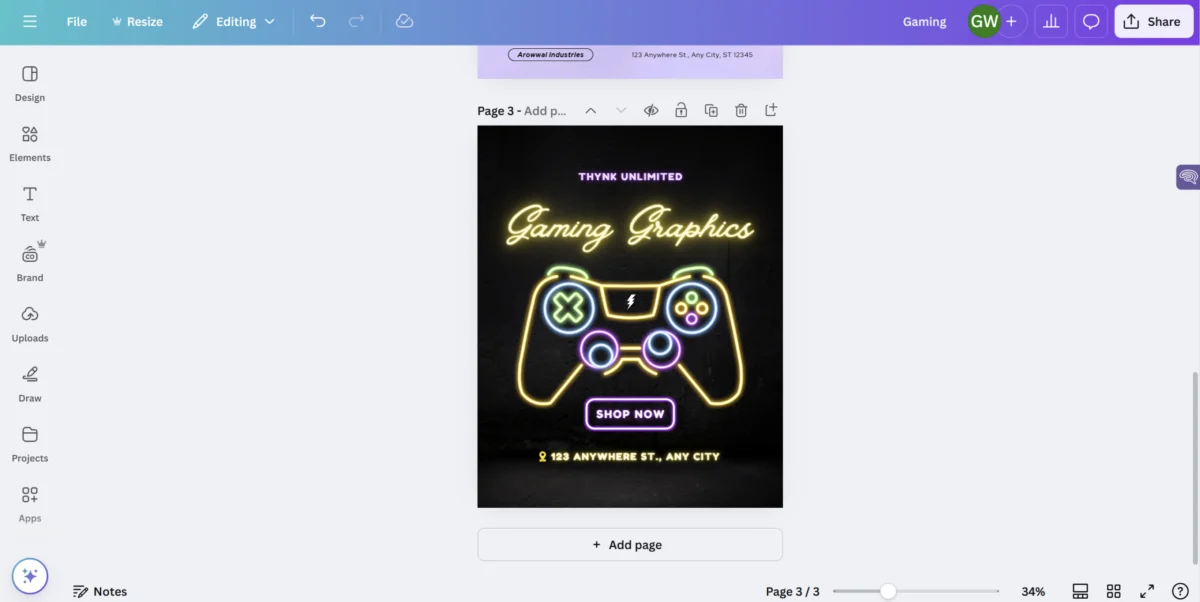
In the hyper-competitive digital landscape of 2025, the adage "perception is reality" has never been more accurate. For modern businesses, the quality of marketing collateral acts as the silent ambassador for their brand. Whether it is a pitch deck, a social media carousel, or a lead magnet, your visual output is often the first point of contact for potential clients.
However, a significant friction point remains for entrepreneurs and small business owners: the divide between professional-grade design needs and the steep learning curve of legacy software. Enter Canva. What began as a simple graphic design tool has matured into a comprehensive ecosystem that is fundamentally changing how businesses approach visual communication.
The Evolution of Design: From Adobe to Accessibility
To understand the impact of Canva, one must look at the chronology of digital design. For decades, the industry was dominated by complex, subscription-heavy software suites like Adobe Photoshop and Illustrator. While powerful, these tools required years of training, rendering them inaccessible to the average founder or marketing generalist.
In the early 2010s, Canva disrupted this status quo by introducing a cloud-based, drag-and-drop interface. By prioritizing user experience (UX) over technical complexity, Canva democratized design. By 2025, the platform has evolved from a simple image editor into a powerhouse that integrates AI-driven design assistants, video editing, and team collaboration tools. This transition has turned the "average" business owner into a capable content creator, effectively removing the barrier to entry for high-end visual storytelling.
The Core Functionality: How Canva Works
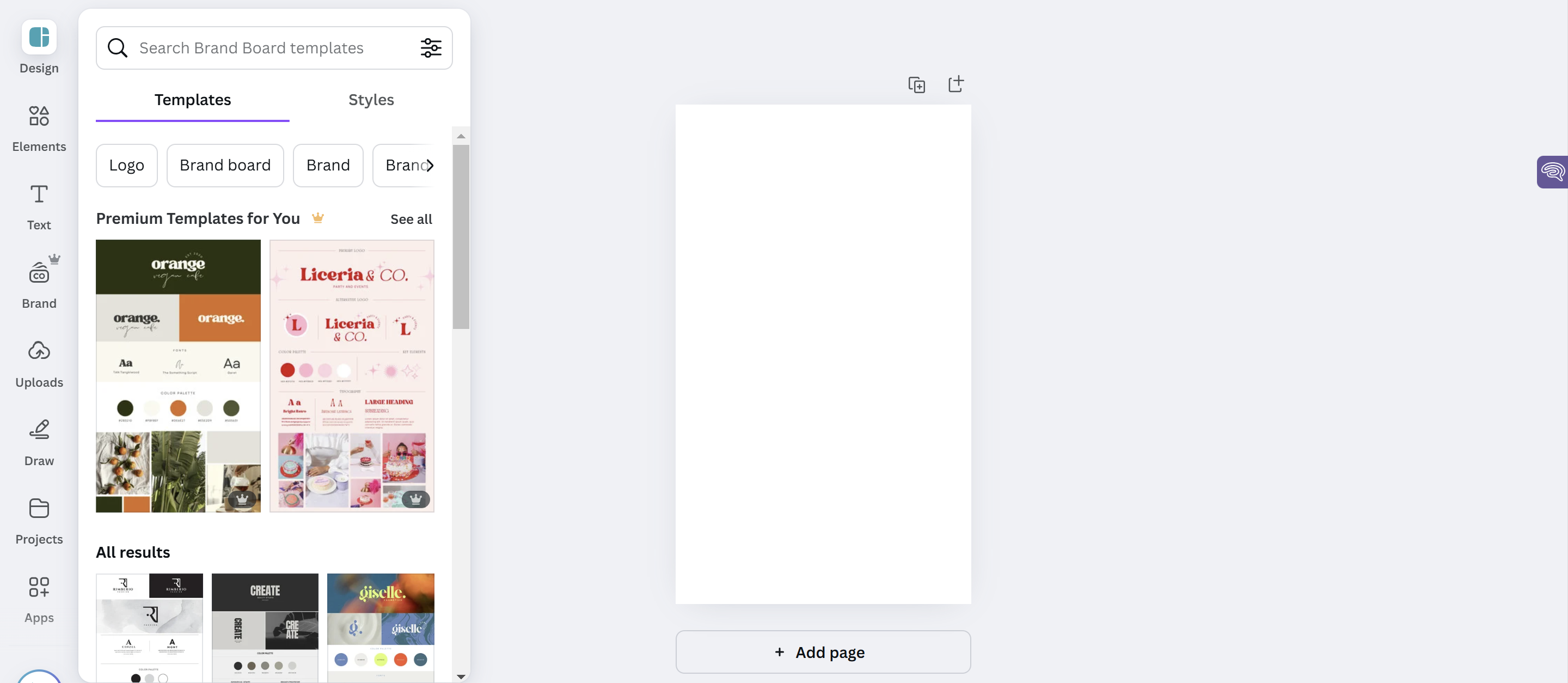
At its foundation, Canva operates on a template-first philosophy. Rather than starting with a blank canvas—which can be daunting for non-designers—users can select from thousands of professionally curated layouts.
1. Brand Asset Management
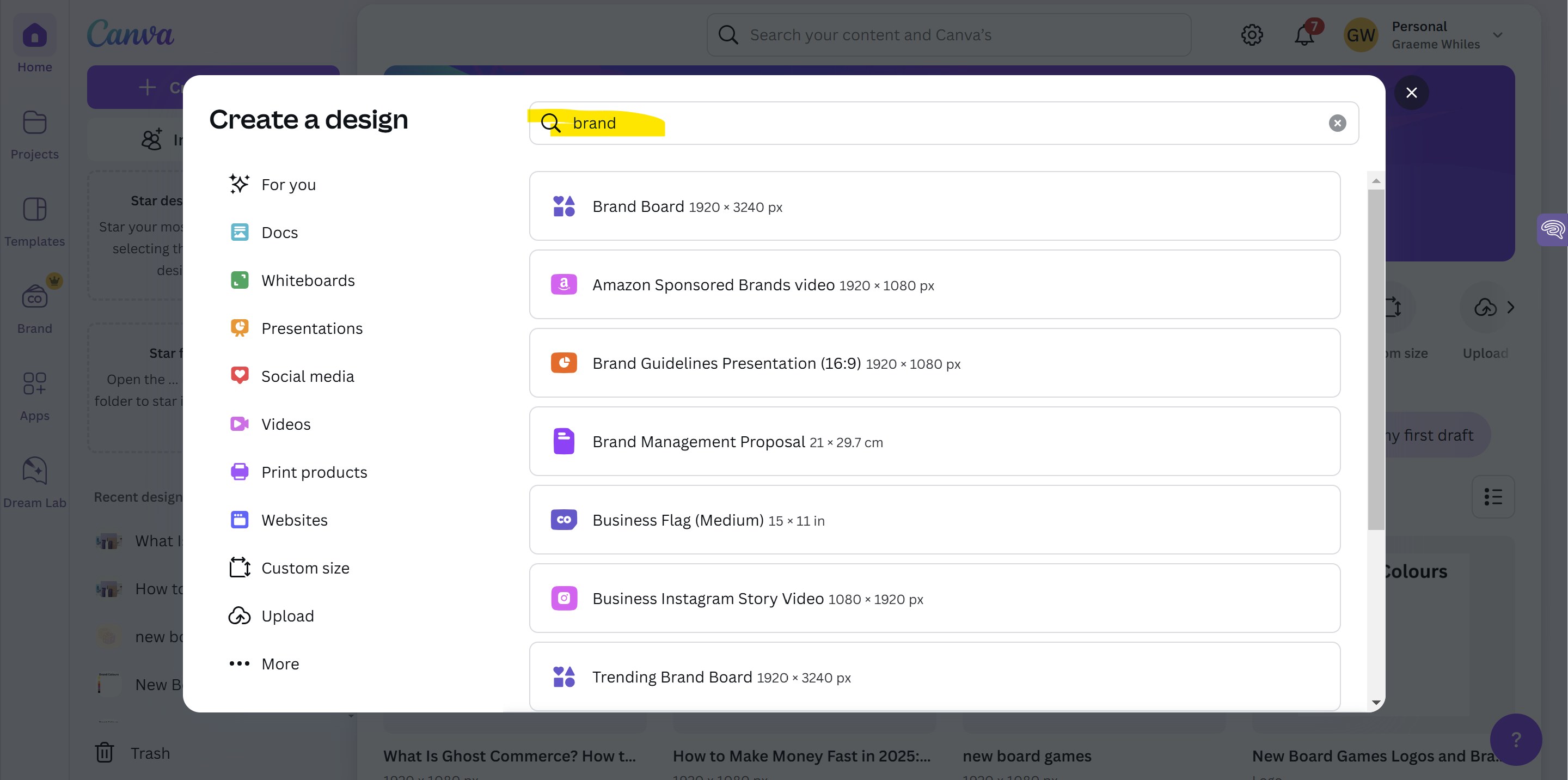
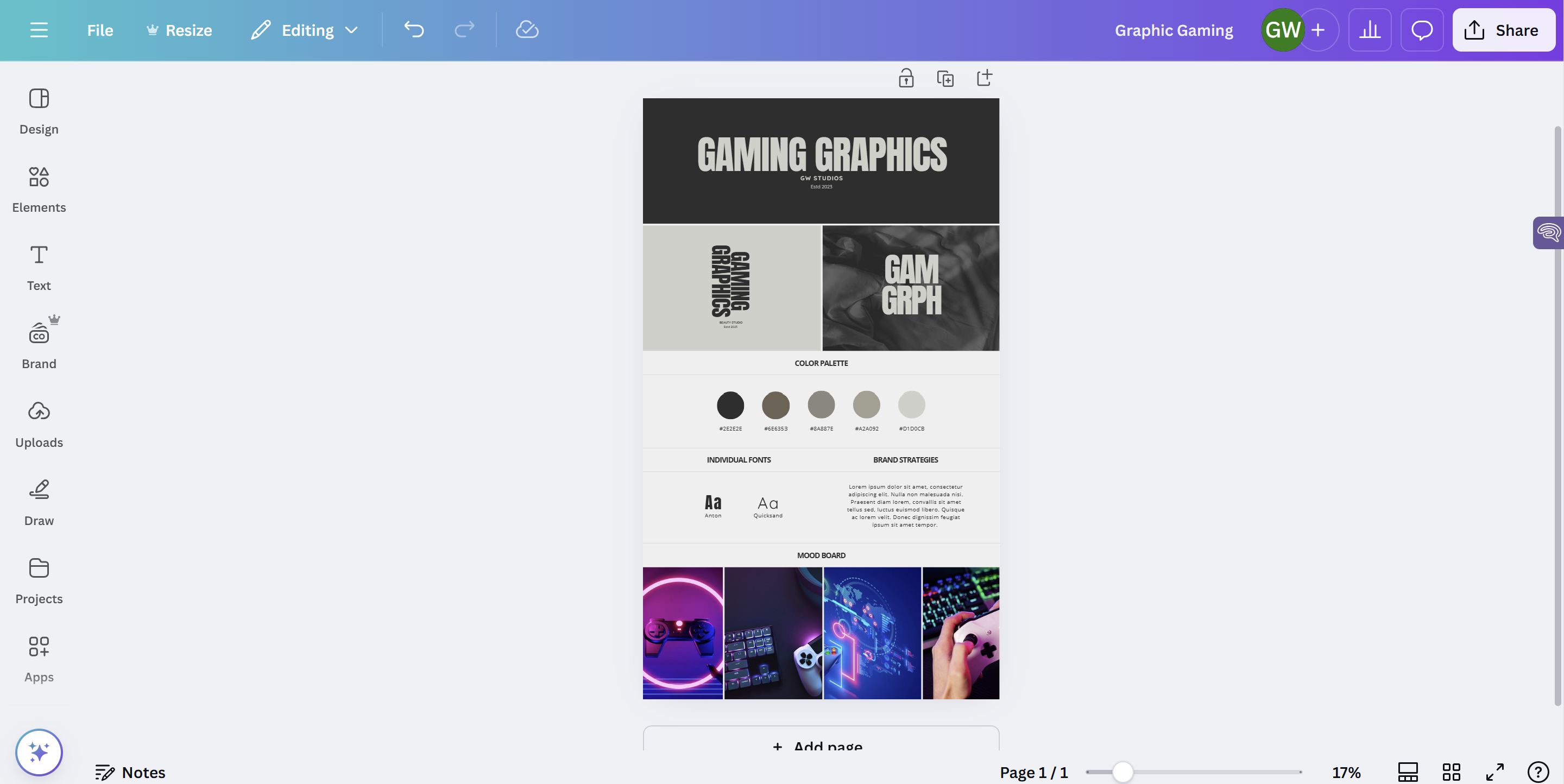
Building a consistent brand identity is the bedrock of marketing. Canva’s "Brand Kit" feature allows businesses to centralize their color palettes, typography, and logos. This ensures that every piece of content, regardless of who in the team creates it, adheres to the established visual guidelines. For a startup, this consistency is vital for building trust with an audience.
2. Streamlining Social Media Workflows
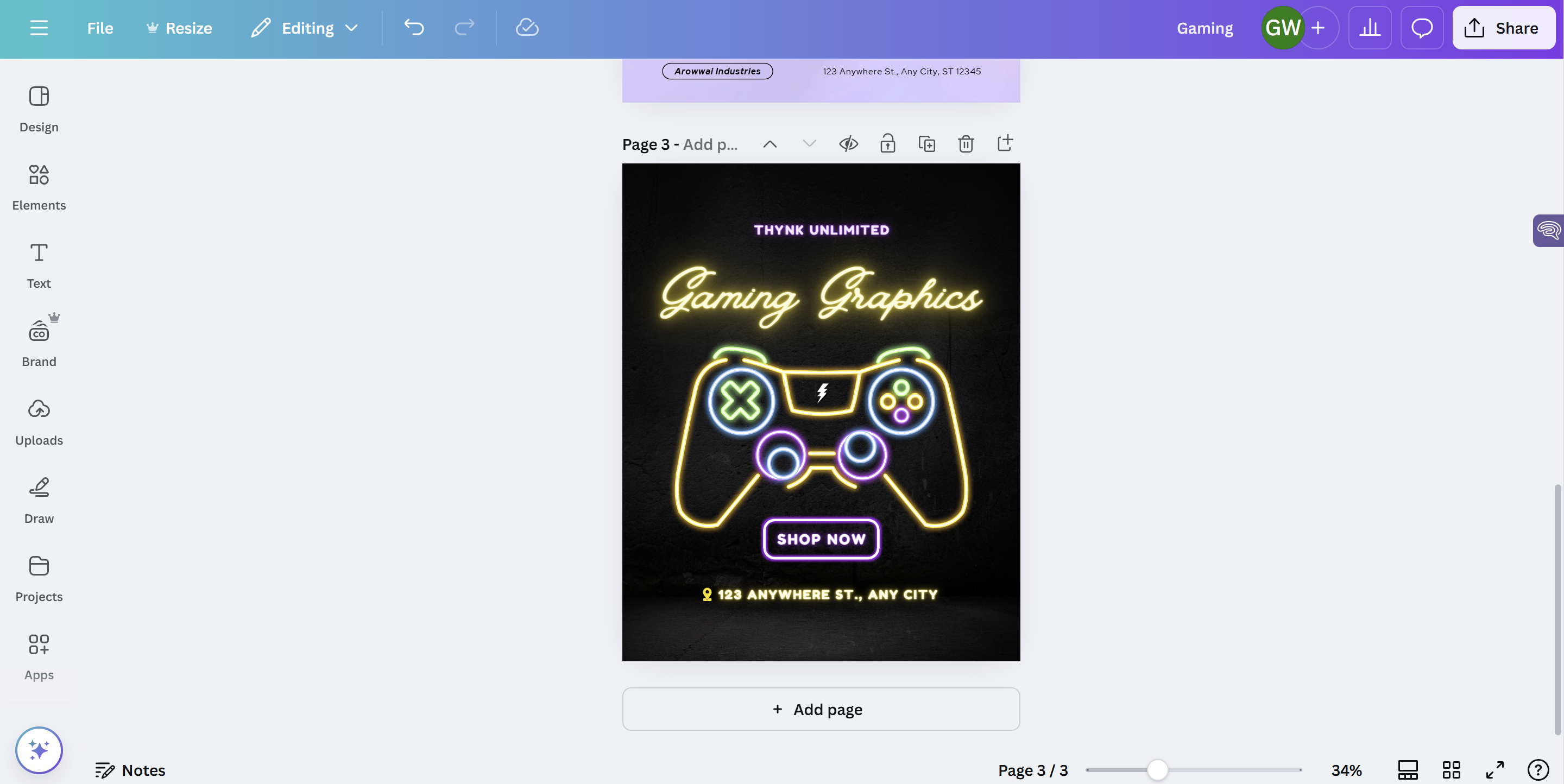
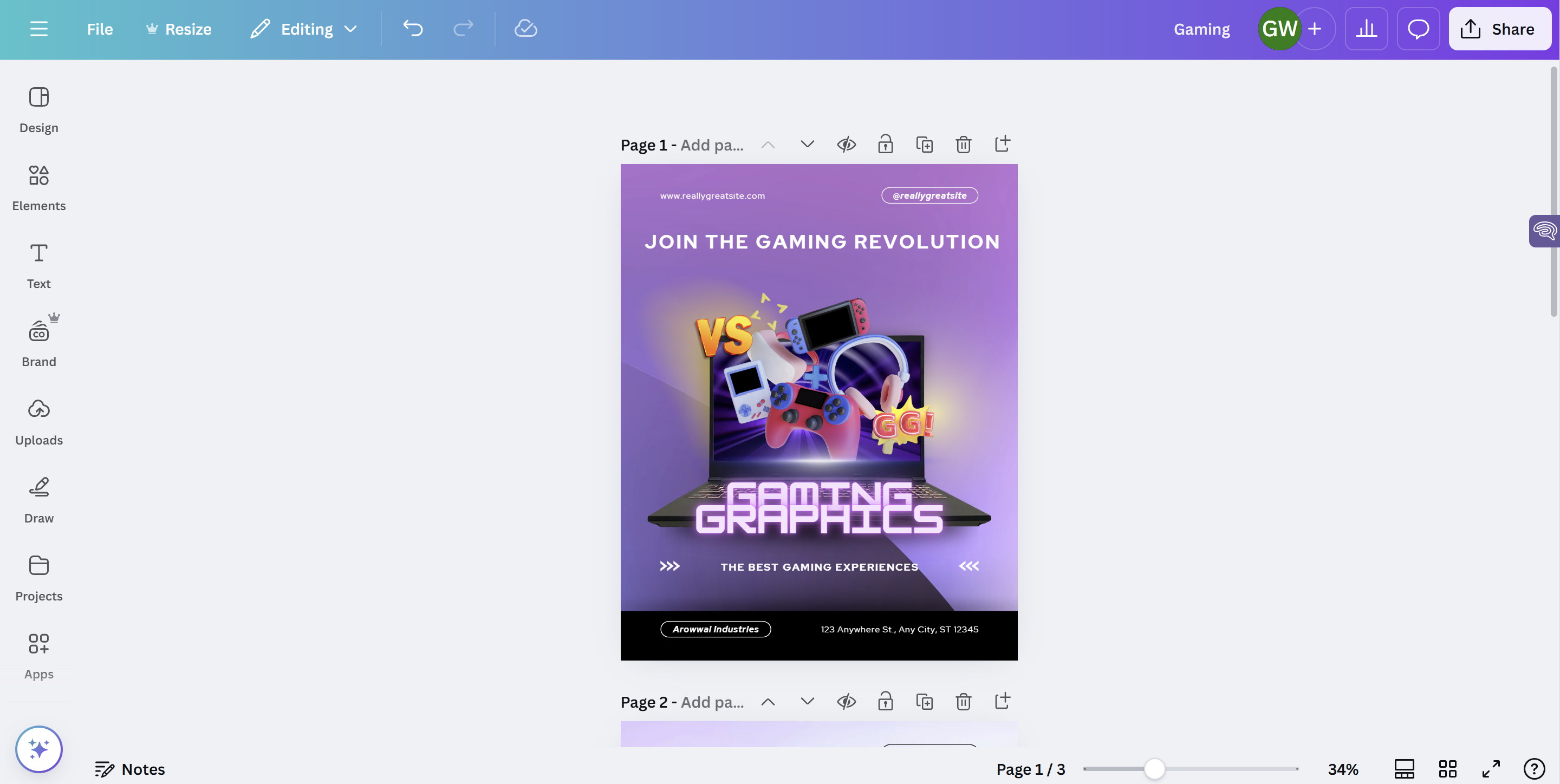
The demand for high-frequency content on platforms like Instagram, TikTok, and LinkedIn is relentless. Canva provides specific dimensions and templates for these platforms, allowing users to repurpose content in seconds. By utilizing their "Magic Switch" AI, a user can take a single blog header and instantly resize it for a Story, a LinkedIn post, or a Pinterest pin, saving hours of manual labor.
3. Elevating Editorial Content
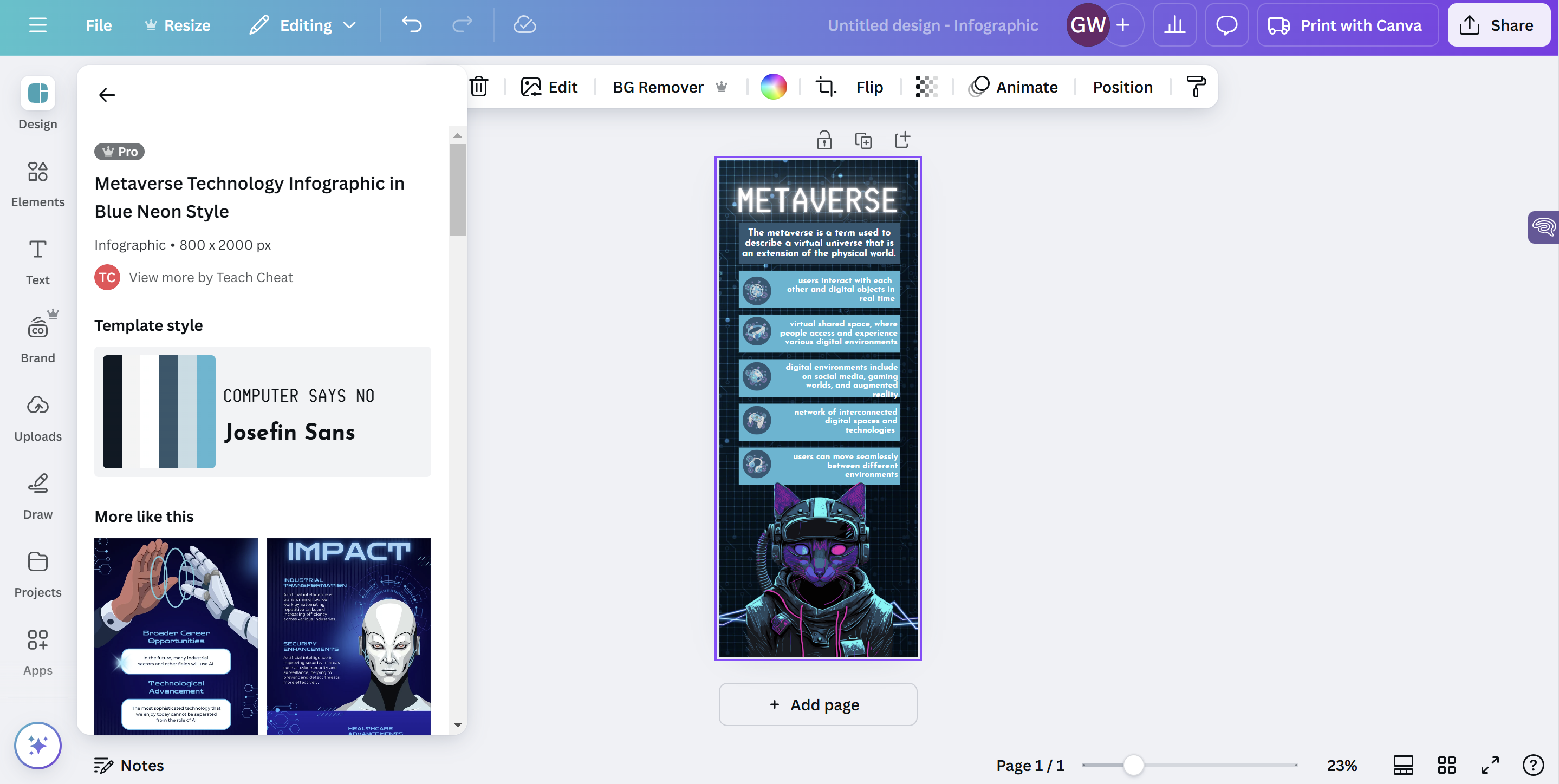
Content marketing is no longer just about text; it is about data visualization. Blogs that feature infographics, custom charts, and high-quality headers see significantly higher engagement rates. Canva’s data-driven templates allow businesses to turn complex spreadsheets into digestible, aesthetically pleasing infographics, which serves as a powerful SEO signal by increasing time-on-page metrics.
Supporting Data: The Business Case for Design
The shift toward platforms like Canva is backed by clear market data. According to recent digital marketing studies, visual content is processed by the human brain 60,000 times faster than text. Businesses that invest in professional-looking visuals report:
- Increased Conversion Rates: Landing pages with high-quality, custom graphics see conversion lifts of up to 40%.
- Reduced Operational Costs: By moving away from outsourced graphic design agencies for routine tasks, SMEs are saving thousands of dollars annually in retainer fees.
- Enhanced Team Productivity: Teams using collaborative design tools report a 30% reduction in the time taken to finalize marketing campaigns.
These metrics highlight why Canva is no longer just a "hobbyist" tool; it is a critical piece of the modern enterprise tech stack.
Official Perspectives and Industry Implications
Industry experts observe that the "Canva-fication" of business design has forced legacy software companies to pivot. Adobe, for instance, has introduced "Adobe Express" to compete directly with Canva’s accessibility-first model. This competition has only benefited the end-user, resulting in faster innovation and more robust feature sets across the board.
For the modern business, the implications are profound:
- The Death of the "Amateur" Look: Because templates are designed by professionals, the baseline quality of business content has risen. It is now much harder to distinguish between a small startup and a large corporation based on social media presence alone.
- The Rise of the "Creator-Marketer": Marketing roles have shifted. Employers are no longer looking for just copywriters; they are looking for "creator-marketers" who can write, design, and edit video within a single workflow.
- Focus on Strategy over Execution: By spending less time wrestling with technical tools, founders can dedicate more energy to high-level strategy—analyzing market trends, engaging with customers, and refining their product offering.
Scaling for the Future: Teams and Enterprise
While Canva started as a tool for individuals, its trajectory has shifted toward large-scale organizational utility. Through "Canva Teams" and "Canva Enterprise," the platform now allows for sophisticated permission settings, real-time commenting, and brand locking. This ensures that even in a company of 500 people, the visual identity remains protected and consistent.
Conclusion: Empowering the 2025 Entrepreneur
The transition to a visual-first business model is not merely a trend; it is a necessity for survival in 2025. By lowering the barrier to professional design, tools like Canva allow founders to focus on what matters most: growing their business, serving their customers, and telling their unique brand story.
However, design is only one piece of the puzzle. To build a truly resilient company, you need a holistic understanding of branding, marketing, and eCommerce. If you are ready to take your business to the next level, you need the right framework.
Unlock Your Potential
If you found this guide helpful, consider exploring the deeper nuances of business strategy. For just $1, you can gain access to Foundr+, an extensive library featuring over 30 expert-led courses and 1,000+ lessons designed to help you master the business of your dreams. From scaling your operations to perfecting your marketing funnel, the path to success is closer than you think.
Take the next step and unlock your entrepreneurial potential with Foundr+ today.