In the modern digital economy, the divide between physical retail and digital product creation is not merely logistical—it is psychological. For an ecommerce brand selling a tangible good, the product often serves as its own best salesperson; a consumer can physically interact with an item, assess its quality, and determine its value. The email’s role in that ecosystem is largely functional: to guide the prospect to a landing page and facilitate a transaction.
However, for course creators, coaches, and digital product architects, the dynamic is fundamentally reversed. In the absence of a tangible item, the email sequence is the product’s packaging, its storefront, and its advocate. It must synthesize value, establish authority, and bridge the gap between a stranger’s curiosity and a customer’s investment. For these entrepreneurs, success is rarely found in the technical mastery of a funnel, but in the nuanced mastery of the relationship.
The Paradigm Shift: Email as the Entire Funnel
For traditional ecommerce retailers, email is a retention tool—a mechanism for re-engaging past customers or nudging those who abandoned their carts. For the digital entrepreneur, email is the entire lifecycle.
When a prospect discovers a brand through a podcast interview, a viral social media post, or a referral, they are rarely ready to purchase a flagship course. They are, however, often ready to learn. By offering a lead magnet—a free training, a checklist, or a mini-course—the creator captures an email address. From that moment forward, the relationship is entirely permission-based.
Unlike retail, there is no retargeting pixel that can reliably "do the work" of convincing a prospect to buy a $1,000 course. There is only the quality of the correspondence. If the emails are repetitive or purely transactional, the relationship withers. If they are educational, empathetic, and consistent, they build the foundation for a sale. The email list is the only asset that the entrepreneur truly owns, operating outside the whims of social media algorithms or changing search engine rankings.
The Lifecycle of a Sale: From Opt-in to Conversion
To understand how high-level digital creators sustain their businesses, one must look at the chronology of the subscriber experience.
1. The Opt-in and the Welcome Sequence
The lead magnet is the entry point, but it is not the strategy. The true strategy lies in what happens in the 72 hours following that initial download. The welcome sequence is the digital handshake. It serves to introduce the founder’s story, validate the subscriber’s pain points, and set the tone for the value to come.
2. The Nurture Phase: Building Belief
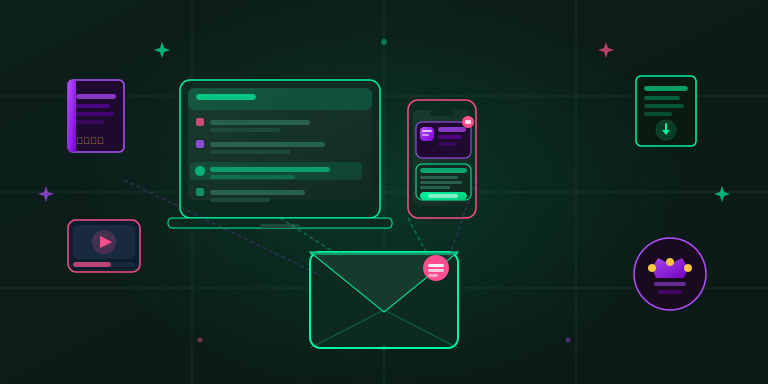
The goal of the nurture sequence is not to "fill the inbox," but to progressively construct a narrative of belief. Creators who excel at this follow a specific arc:
- Problem Identification: Validating the frustration the audience feels.
- The "Possibility" Shift: Painting a picture of what success looks like on the other side of the problem.
- Social Proof and Validation: Sharing student results, case studies, and personal anecdotes that prove the methodology works.
- The Logical Conclusion: By the time the offer is made, the subscriber should feel that purchasing the course is not a "pitch," but the most logical next step in their own growth journey.
The length of this runway is directly correlated to the price point of the product. A low-cost ebook might convert in three emails; a high-ticket masterclass often requires a multi-week, ten-email sequence that provides deep value before the cart ever opens.
Launch Strategy: The Discipline of Urgency
When the cart officially opens, the atmosphere must shift. While the nurture phase is measured and value-first, the launch period requires intentional, contained energy. This is where many creators fail, either by being too "salesy" or too timid to emphasize the deadline.
Professional launches rely on real, rather than manufactured, urgency. If a cart closes at a specific time, it must actually close. If a bonus expires, it must be removed. Subscribers are savvy; they can smell artificial scarcity instantly.
During the final 48 hours of a launch, the frequency of communication should increase. One email per day is not merely acceptable; it is expected by the audience. During this window, the messaging should move from general value to objection handling. Are the subscribers afraid they don’t have the time? Show them how a busy professional completed the course. Are they worried about the price? Reiterate the cost of inaction.
The "Invisible" Emails: The Post-Purchase Experience
The most significant mistake made by course creators is the "post-purchase silence." Once the payment clears, many creators stop communicating until they have something else to sell. This is a fatal error in brand building.
The post-purchase experience is the most critical time to build loyalty. A simple, automated "How are you getting on?" email sent seven days after purchase creates immense goodwill. It signals that the creator is invested in the student’s transformation, not just their transaction.
Furthermore, progress-based emails—messages that acknowledge milestones and nudge students who have stalled—have a direct impact on completion rates. This is not just a customer service gesture; it is a vital business metric. A student who finishes a course is a student who gets results. A student who gets results is a vocal advocate who provides testimonials and referrals. In the digital space, completion rates are the ultimate marketing asset.
Implications for the Modern Entrepreneur
The shift toward email-first businesses has profound implications for how entrepreneurs allocate their resources. In an era where digital ad costs are rising and organic reach on social platforms is volatile, building a direct line to the consumer is the only way to ensure long-term stability.
The Role of Technology
The complexity of these sequences—from the initial welcome flow to the sophisticated post-purchase check-ins—requires robust automation. Platforms like Omnisend have become essential infrastructure for this model. By allowing creators to automate complex segmentation, brands can ensure that a prospect who just signed up for a beginner’s guide receives different content than a long-time subscriber who has already expressed interest in advanced training.
The economic argument for consolidating these tools is also compelling. For many founders, migrating to an all-in-one platform like Omnisend reduces overhead by up to 35%, while providing sophisticated SMS and email integration that ensures the right message hits the right inbox at the right time.
The Sustainability of the Model
Ultimately, the "email playbook" is a model of integrity. It rewards creators who prioritize their audience’s growth over short-term revenue spikes. It creates a durable, algorithm-proof business that can weather economic downturns and platform shifts.
As the digital product market continues to mature, the winners will not be those with the loudest ads or the most aggressive sales tactics. The winners will be the creators who understand that an email list is not a database of leads—it is a community of individuals. When you treat the inbox as a sacred space for value, the revenue becomes a byproduct of the trust you have cultivated.
In conclusion, for those looking to build a lasting digital enterprise, the directive is clear: stop treating email as a broadcast channel and start treating it as a conversation. Every email sent should either solve a problem, provide a breakthrough, or validate a transformation. When the correspondence is this intentional, the sale is no longer an interruption—it is a welcome relief.