In the high-stakes world of digital marketing, data is often treated as a secondary byproduct—a collection of numbers to be reviewed after a campaign has run its course. Yet, for elite growth teams, analytics are not an afterthought; they are the foundation of every strategic decision. The chasm between companies that see consistent, compounding conversion improvements and those that remain stagnant often comes down to one differentiator: how they approach measurement before they even launch their first test.
In this deep dive, we explore how to move beyond the "vanity metrics" trap, building a rigorous, outcome-focused CRO workflow that turns raw traffic into actionable business intelligence.
1. Defining Success: Beyond Vague KPIs
The most common pitfall in Conversion Rate Optimization (CRO) is the obsession with "more." More clicks, more traffic, more leads. However, without a framework to define success, these metrics are meaningless.
Outcome-Focused Goal Setting
Before opening a dashboard, ask yourself: what is the business outcome? If your current conversion rate is 6.6% (the median across industries), simply aiming to "increase it" is insufficient. Effective goals are tied to the sales funnel. For instance, if your company requires 50 new customers per month and you have a 10% lead-to-customer conversion rate, your CRO target must be anchored to acquiring exactly 500 qualified leads. By working backward, you transform a generic marketing wish into a concrete, measurable roadmap.
The Power of Micro-Conversions
While macro-conversions (sales or sign-ups) are the ultimate prize, they are often too infrequent to provide steady feedback. This is where micro-conversions come into play. These are smaller, early-intent actions—such as watching a product demo, downloading a whitepaper, or engaging with an interactive calculator—that act as lead indicators. By tracking these "singles and doubles," you gain visibility into where friction begins in your funnel long before a potential customer drops off entirely.
2. Filtering the Noise: Which Metrics Actually Matter?
Most analytics dashboards function like an all-you-can-eat buffet: they offer too much, leading to indecision. To be an effective optimizer, you must be ruthless about what you measure.
Funnel Reports as X-Ray Vision
Think of your conversion path as a leaky bucket. Funnel reports are your X-ray vision, identifying exactly where the water is escaping. If you observe a 40% drop-off between your pricing page and the checkout cart, you have a specific, solvable problem. By segmenting these funnels by traffic source, you can tailor your messaging to address the unique needs of users arriving from paid social versus organic search.
The Danger of Misleading Data
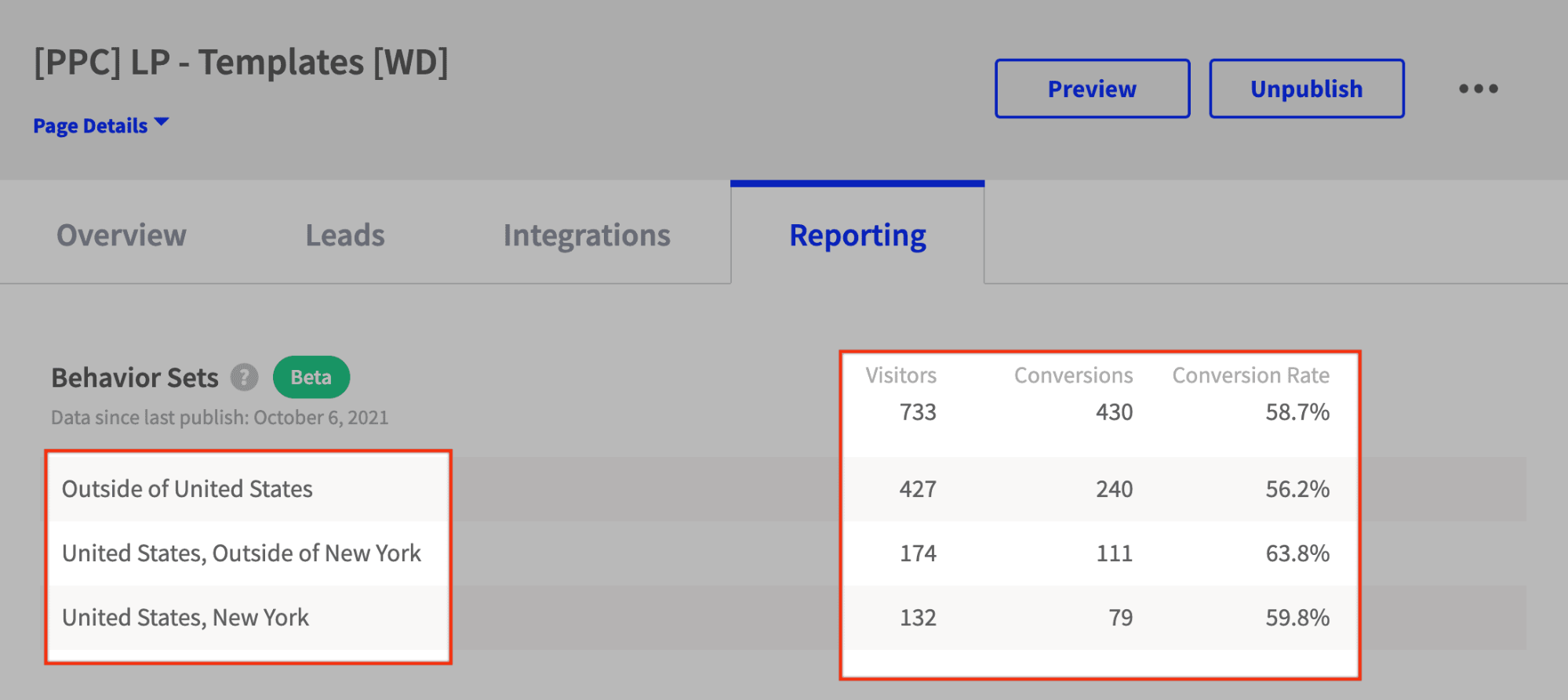
Data can lie if it lacks context. A high bounce rate is often flagged as a negative, yet it can be a sign of success if a user found the exact information they needed on a landing page and departed satisfied. To combat this, you must apply rigorous segmentation. Analyze performance by device type, browser, and traffic source. Given that 83% of landing page visits occur on mobile, yet desktop often converts at a significantly higher rate, failing to segment by device is a recipe for missed opportunities.
3. Adding Qualitative Context to Quantitative Data
Numbers tell you what is happening, but they never explain why. To understand the user experience, you must bridge the gap between quantitative data and qualitative insight.
Heatmaps and Session Recordings
Heatmaps reveal where users click, hover, and scroll. If you see repeated, frustrated clicking on a static image, you have discovered a point of friction: users expect that image to be an interactive gallery. Similarly, session recordings allow you to watch the user journey in real-time, highlighting confusing UI elements or technical bugs that standard analytics packages ignore.

The "Voice of Customer" Advantage
Direct feedback is the ultimate shortcut to optimization. Deploying on-page, micro-surveys at exit points—asking questions like, "What was the main reason you didn’t convert today?"—can reveal barriers you might never identify through A/B testing alone. These direct insights often highlight quick wins, such as clarifying a pricing tier or adding a missing trust signal, which can provide an immediate lift to your conversion rate.
4. The Hypothesis-Driven Testing Framework
Randomly testing button colors is a relic of early internet marketing. Today’s CRO requires a scientific, hypothesis-driven approach.
The Anatomy of a Winning Hypothesis
A proper hypothesis follows a strict logic: “Because we observed [data insight], if we [make this specific change], then [this metric] will [increase/decrease].”
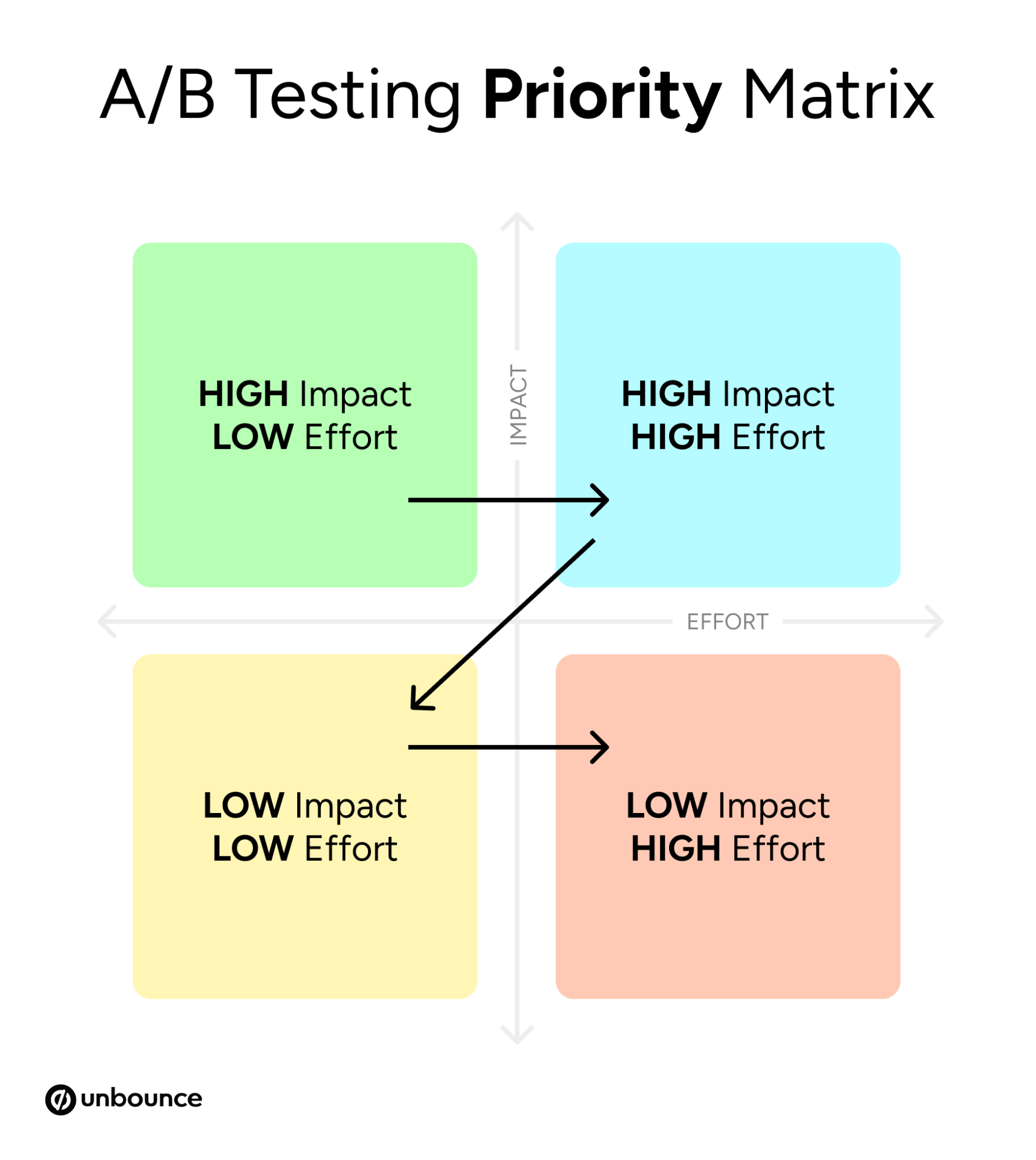
This framework forces you to tie every test to evidence. Once you have a list of potential tests, prioritize them using a 2×2 matrix that evaluates Impact (how much will this change help?) versus Confidence (how sure are we that this will work?). This ensures that your team focuses their limited time on high-potential experiments that move the needle.
Interpreting Results with Rigor
A common mistake is declaring a "winner" based on incomplete data. To reach statistical significance, you must account for sample size and variance. Without it, you are likely chasing noise rather than signal. Remember: a "losing" test is still a win for your strategy. Learning what doesn’t work is just as valuable as discovering what does, as it refines your understanding of your customer’s psychology for future iterations.
5. Cultivating a Culture of Continuous Improvement
CRO is not a project; it is a discipline. The most successful organizations treat optimization as a flywheel, where every experiment informs the next.
Creating a CRO Habit
To embed CRO into your company’s DNA, make it routine. Establish a weekly cadence for reviewing test results, a monthly cycle for deep-dive funnel analysis, and a quarterly process for revisiting your core value proposition. When experimentation becomes as routine as checking your email, the compounding effect of dozens of small, data-backed improvements can lead to exponential growth over time.
The Essential Toolkit
To execute this, you need the right infrastructure. A modern stack should include:
- Web Analytics (e.g., GA4) for high-level traffic patterns.
- Behavioral Tools (e.g., Hotjar) for heatmaps and recordings.
- A/B Testing Software (e.g., Unbounce) for deploying variants.
- Survey Tools for direct user feedback.
- Customer Relationship Management (CRM) to track the long-term value of your leads.
By integrating these tools, you reduce the time between forming an idea and launching a test, allowing your team to learn faster than your competitors.
Implications: The Future of Conversion
The digital landscape is becoming increasingly crowded and expensive. As customer acquisition costs (CAC) rise, the ability to maximize the value of every visitor is no longer just a marketing advantage—it is a business necessity.
The path to success is clear: stop guessing, start measuring, and embrace the scientific method. Whether you are a team of one or a global organization, the principles of data-backed CRO remain the same. By shifting your focus from "optimizing for clicks" to "optimizing for insights," you move from a reactive marketing posture to a proactive, growth-oriented strategy.
The data is already there, waiting for you to listen. It’s time to stop drowning in it and start turning those metrics into growth.