In the expansive, ever-evolving landscape of the WordPress ecosystem, there exists an intricate web of relationships that often goes unnoticed by the casual observer. From the solo freelancer crafting a boutique site to the enterprise-level agency managing global digital infrastructure, the success of WordPress is not merely a product of its code, but of the human connections that sustain it.
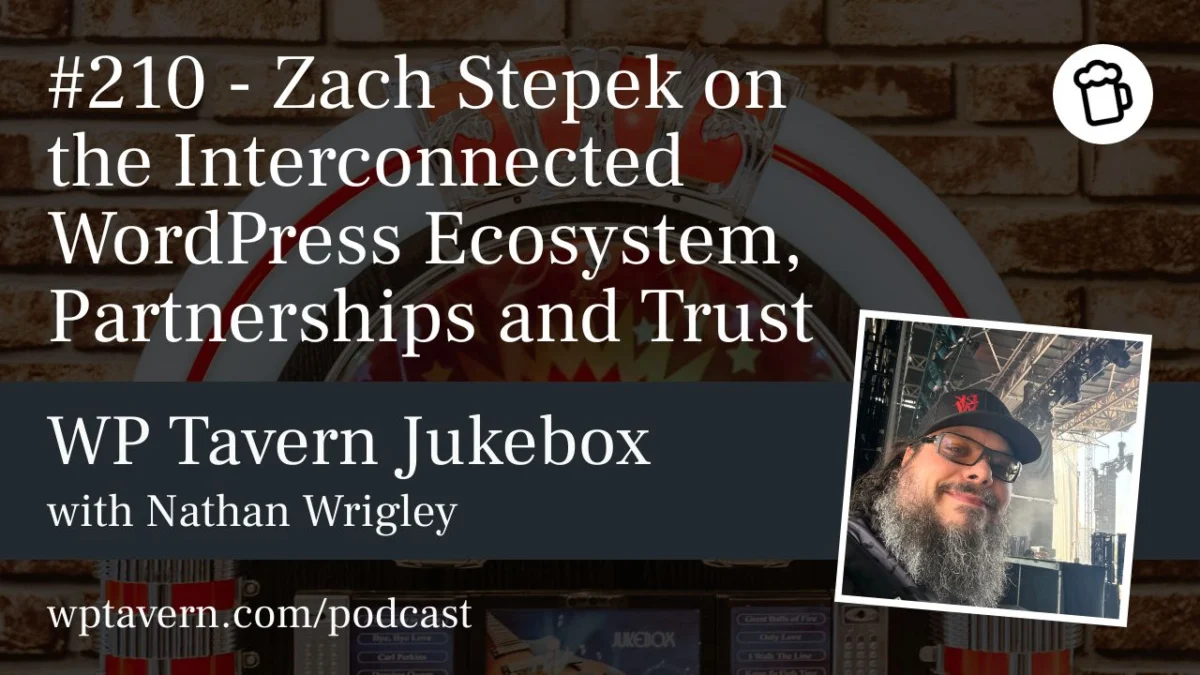
Zach Stepek, a veteran of the tech industry whose career has spanned everything from the early days of ColdFusion and Flash to the modern era of WooCommerce and enterprise-scale hosting, argues that these connections are currently at a critical inflection point. As economic uncertainty reshapes the global business landscape, the WordPress community is being forced to confront a fundamental question: Is the ecosystem built to last, or is it succumbing to the pressures of short-term, transactional thinking?
The Three Pillars of the WordPress Economy
To understand the health of WordPress, one must first look at its structural integrity. Stepek identifies three interconnected pillars that form the foundation of the ecosystem:
- The Agency and Freelance Layer: These are the builders, the creative forces that bridge the gap between complex client needs and technological solutions.
- The Product Layer: This includes the plugin and theme developers who provide the modular tools—the "Lego bricks"—that make WordPress functional and versatile.
- The Infrastructure Layer: Represented by hosting providers, this layer acts as the digital real estate upon which the entire ecosystem sits.
Stepek likens these three sectors to a Celtic knot—an endless, interlocking pattern where no single element can thrive in isolation. "The strength of the whole is only as strong as the weakest of the parts," Stepek notes. When an agency relies on a plugin that lacks support, or when a high-traffic e-commerce store is placed on inadequate, low-cost hosting, the entire structure risks collapse.
A Chronology of Evolution: From Flash to Foundation
The current state of WordPress did not emerge overnight. It is the result of over two decades of organic growth, trial, and error.
Stepek’s own journey offers a microcosm of this evolution. His transition from an Adobe Certified Instructor in the era of Flash to a dedicated WordPress and WooCommerce expert was born out of necessity—a "viral moment" that served as a baptism by fire. Recounting the story of the Oscar Mike Foundation, an organization that saw its website crash during a high-profile television appearance, Stepek highlights the fragility of digital infrastructure.
The site failure, caused by an overwhelmed email spool on a shared VPS, served as a stark lesson in the necessity of proper infrastructure. That event, which led to a deeper relationship with the WooCommerce team and subsequent keynote appearances at global events like WooConf, underscores the primary thesis of the ecosystem: Experience is the greatest teacher, and partnerships are the necessary bridge to scale.
Supporting Data: The Rising Cost of Complexity
The challenges facing the ecosystem today are exacerbated by global economic shifts. The cost of hardware, for instance, is no longer a static variable. The rise of Large Language Models (LLMs) and the subsequent surge in demand for high-performance computing components have created a supply chain bottleneck.
"Data centers are retrofitting cooling systems just to handle the heat generated by AI-heavy servers," Stepek explains. "The raw cost of hosting is going to rise because the hardware required to run modern web applications is becoming a premium commodity."
For hosting providers that have built their business models on "unlimited" or ultra-low-cost pricing, the math is becoming increasingly difficult to justify. This pressure has led to a palpable "belt-tightening" across the industry. Sponsorships for community events, such as WordCamps and CloudFest, are seeing a decline as companies prioritize immediate capital preservation over long-term community engagement.
The Peril of Transactional Thinking
A significant portion of the tension within the WordPress community stems from the entry of private equity and a heightened focus on Return on Investment (ROI). In a professional, journalistic assessment, this shift can be viewed as the "financialization" of an open-source culture.
When companies are beholden to external investors, the pressure to deliver quarterly returns often overrides the desire to nurture long-term, relationship-driven equity. Stepek cautions that this is a dangerous path. "When profit is the priority, then anything they call a partnership program is really just a house of cards. It might stand for a while, but it’s fragile."
The "make-taker" dynamic—where companies extract value from the WordPress project without contributing back—threatens the "rising tide" philosophy that has historically carried all boats. If the community perceives that a company is merely using WordPress as a vehicle for extraction, brand equity erodes. In the long term, this is far more damaging than any short-term revenue spike.
Implications for the Future: Cultivating Relationship Equity
The path forward, according to industry observers, requires a return to "values-driven" partnerships. This does not mean abandoning profitability; rather, it means recognizing that revenue is a signal of success, not the definition of it.
1. Recognizing Contribution as an Asset
The industry is currently exploring ways to quantify the "hidden" value of contributions. Whether through contribution hours, badge systems, or community recognition, the goal is to make the philanthropic side of WordPress more visible. By elevating the profile of companies that contribute to Core, the community can create a form of social proof that carries weight in business negotiations.
2. Patience as a Competitive Advantage
In an environment where "the first casualty of fear is patience," companies that maintain long-term, multi-year sales cycles and deep collaborative efforts with their partners are likely to emerge as the survivors. Relationship equity is the ultimate durable asset. It cannot be bought, but it can be earned through consistent, trustworthy engagement.
3. Ecosystem Stewardship
Agency-led product development—such as WebDevStudios’ Theme Switcher Pro or the open-source ElasticPress—serves as a model for the future. These tools are built by practitioners to solve real-world problems, then shared with the community. This feedback loop ensures that the products remain relevant and that the agency maintains its status as an innovator rather than just a service provider.
Conclusion: The Inflexion Point
We are currently at an inflexion point. The "skyscraper" of the WordPress ecosystem is being tested by the winds of economic change. Some fear that the slow erosion of trust—the "death by a thousand paper cuts" caused by short-term decision-making—could lead to a structural collapse.
However, the resilience of the community suggests that there is a path toward renewal. By moving away from purely transactional, bean-counter-led approaches and back toward a model of mutual stewardship, the three pillars of WordPress—agencies, product companies, and hosts—can continue to thrive.
As Stepek aptly puts it, "The most important asset a company has is trust." In the coming years, those who prioritize that asset over the immediate, fleeting gains of the spreadsheet will be the ones who define the next chapter of the WordPress story. The garden must be tended, the forest must be planted, and the invisible threads that bind this community together must be reinforced, one relationship at a time.