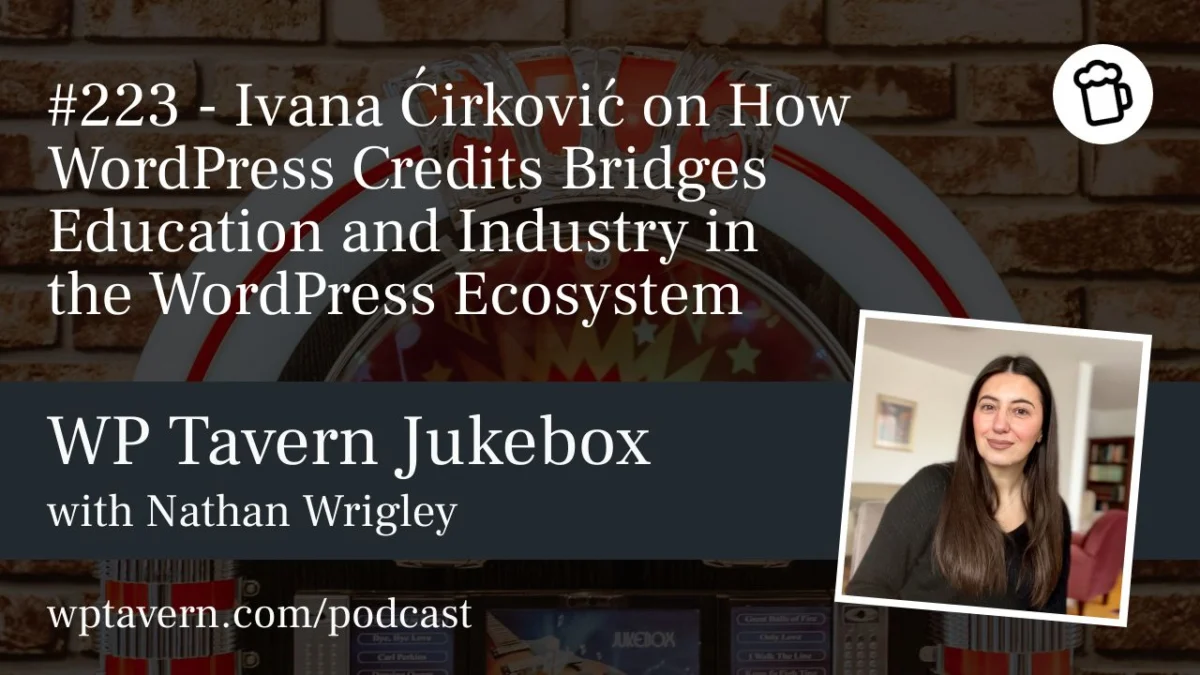
In an era where digital landscapes evolve at breakneck speed, the disconnect between traditional academic curricula and the practical, fast-paced needs of the tech industry has become a significant hurdle for students and employers alike. Within the WordPress ecosystem, a solution is taking shape: the WordPress Credits initiative. Designed by the WordPress Foundation, this program is not merely an educational experiment; it is a strategic bridge connecting students to real-world contribution, while simultaneously providing businesses with a pipeline of "industry-ready" talent.
At the recent WordCamp Europe 2026, we sat down with Ivana Ćirković, a digital marketing veteran and WPBakery leader, to discuss how this initiative is reshaping the future of the WordPress community and why it represents a vital shift for the long-term sustainability of the world’s most popular content management system.
The Genesis of WordPress Credits
The WordPress Credits program, which launched in late 2025, was born out of a realization that the ecosystem’s demographics were beginning to stagnate. While WordPress continues to power over 40% of the web, the community has struggled to attract a younger, fresh generation of contributors.
"The program was initially made to bring new, young people into WordPress, to broaden the ecosystem with fresh blood and new contributors," says Ćirković. The initiative works by partnering with universities globally to integrate real-world open-source contribution into the student experience. By participating, students don’t just learn theory; they perform hands-on work—such as translation, documentation, or code development—that is then tracked and verified on their official wordpress.org profiles.
For a generation of students often criticized for lacking practical experience, these verified contributions serve as a powerful portfolio. It transforms the often abstract concept of "open-source contribution" into a quantifiable, professional asset that enhances their marketability in a competitive job market.
A Two-Way Street: The Role of Universities and Business
While the academic benefits are clear—students gain modern skills that textbooks often fail to provide—the program’s value proposition to businesses is perhaps its most compelling feature.
The Business Advantage
For small-to-medium web agencies, the "onboarding tax" is a well-known burden. Bringing in a new hire often requires three to six months of training, diverting senior staff from revenue-generating projects to mentorship and documentation tasks.
"Businesses have a unique opportunity to shape the people they want to employ by getting involved as mentors," Ćirković explains. "They get the chance to see firsthand how these young minds work in real environments. They are already onboarded through using tools like Slack, they understand remote work, and they know the WordPress culture. Businesses supporting this initiative can spend significantly less time on initial onboarding because these students have already ‘cut their teeth’ on real-world projects."
Modernizing Academic Curricula
Universities, traditionally slower to adapt to digital trends, find in WordPress Credits a ready-made, industry-backed curriculum. Because the program is dynamic, it stays relevant to current industry standards. "University curricula are often outdated compared to the industry we live and work in," notes Ćirković. By adopting the WordPress Credits program, academic institutions can offer their students access to current, high-demand skills, effectively increasing the prestige and value of their degree programs in the eyes of future employers.
The Mechanics of Mentorship and Accountability
The program is structured to ensure that students are not merely "dabbling" but are genuinely committed to professional standards. Mentors, such as Ćirković, play a pivotal role in guiding students through the complexities of the WordPress ecosystem.
The process is rigorous. Students choose a specific track—such as the Polyglots team for translation or the Plugin Review team for development—and stick to it throughout the duration of the program. This focus ensures that the student gains deep expertise rather than a shallow understanding of multiple areas.
Accountability is the backbone of the initiative. "If a student doesn’t answer messages or misses the weekly mentor call three times, they are no longer in the program," Ćirković states. This creates a professional environment that mimics the expectations of a real job. By the end of the term, students haven’t just completed an assignment; they have earned a badge of professional credibility that is transparently displayed on their public profiles.
A Growing Ecosystem: The Need for New Perspectives
A central theme of our discussion at WordCamp Europe was the aging demographic of the WordPress community. For over a decade, many of the same faces have occupied the leadership roles within the ecosystem. While their dedication is commendable, the sustainability of the project depends on a continuous influx of new talent.
"We have been in the community for over a decade," Ćirković reflects. "We really need new faces. But to get them, we need to meet young people where they are. They aren’t on traditional websites or at long-form conferences; they are on social media channels and in different digital spaces. If we want to attract fresh, young blood, we need to present what we do in a way that matters to them."
This is where the psychological and professional benefits of the program intersect. Mentors often report that the process of guiding these students makes them better at their own jobs, forcing them to articulate their processes more clearly and stay updated on the latest shifts in technology.
Implications for the Next Five Years
When asked to project the success of WordPress Credits over the next five years, the goals are ambitious but clear. Success is not defined merely by the number of students who pass, but by the tangible impact they have on the WordPress ecosystem.
- Talent Pipeline: The primary goal is to create a seamless pipeline where students transition from university directly into roles within the WordPress agency world, armed with both a degree and a proven track record of contribution.
- Community Vitality: The program aims to shift the demographic skew of the community, bringing in younger, more diverse voices who can challenge the status quo and drive innovation.
- Industry Integration: As more businesses see the benefits of hiring these "credited" graduates, the program will likely evolve into a standard industry certification, similar to established IT credentials but with the unique weight of open-source participation behind it.
The Call to Action
For business owners and agency leads who are hesitant about the time commitment, the message from the WordPress Foundation and mentors like Ćirković is simple: the investment of time in mentorship is an investment in your own future talent acquisition.
"We need more people who know what they do," says Ćirković. "By supporting this initiative, businesses are not just doing a philanthropic deed; they are building a better market for themselves."
The WordPress Credits initiative represents a shift from "passive user" to "active contributor." It is a recognition that the future of the web depends on the next generation being given the tools, the trust, and the environment to build it themselves. As the program continues to mature, it stands as a testament to the idea that WordPress is more than just a software platform—it is a community that, when intentional, can foster the careers and skills of the next generation of digital leaders.
For those interested in getting involved, the path is open. Whether you are a university administrator looking to modernize your curriculum, a business owner seeking a reliable pipeline of junior talent, or a student looking to stand out in a crowded job market, the WordPress Credits program offers a path to professional excellence that is as open and accessible as the code itself.