The landscape of search engine optimization (SEO) has undergone a tectonic shift over the past few years. Driven by the rapid integration of AI-powered search results, evolving user search behaviors, and an increasingly crowded digital marketplace, the way businesses interact with SEO providers has fundamentally changed. To understand the current pulse of the industry, we analyzed data from multiple research sources, including an extensive survey of 1,200 small business owners.

The findings present a sobering picture: while SEO remains a critical pillar of digital growth, the industry is grappling with high turnover, a significant trust deficit, and a misalignment between client expectations and provider communication.
Main Facts: The Economic Scale of SEO
In 2025, the U.S. market for SEO and digital marketing consulting remains a massive financial engine, with companies investing an estimated $119.4 billion annually. For many businesses, SEO is not merely a marketing tactic but a survival strategy. Our data indicates that 61% of companies seek external SEO assistance primarily because they lack the internal expertise to navigate the complexities of search algorithms.
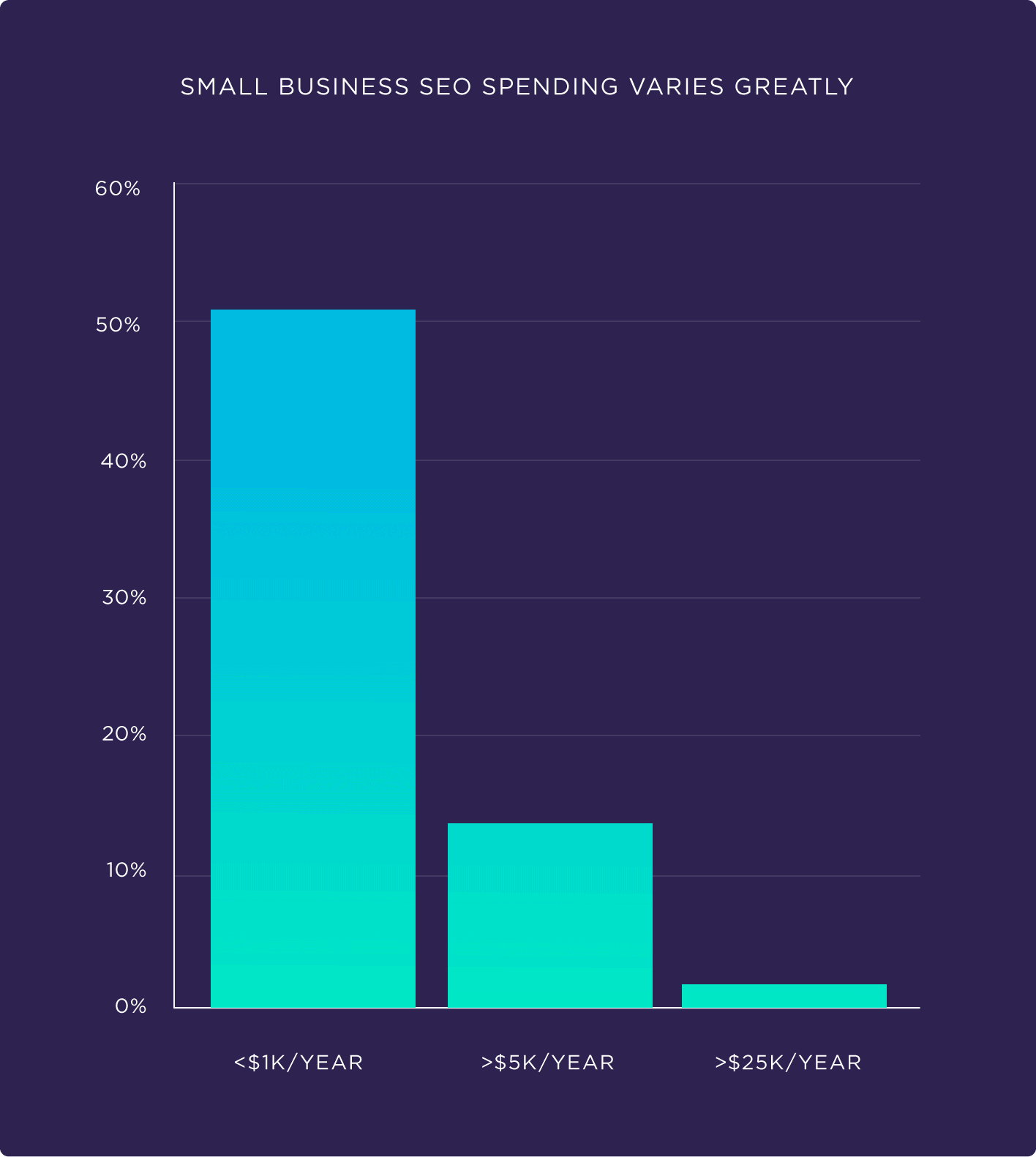
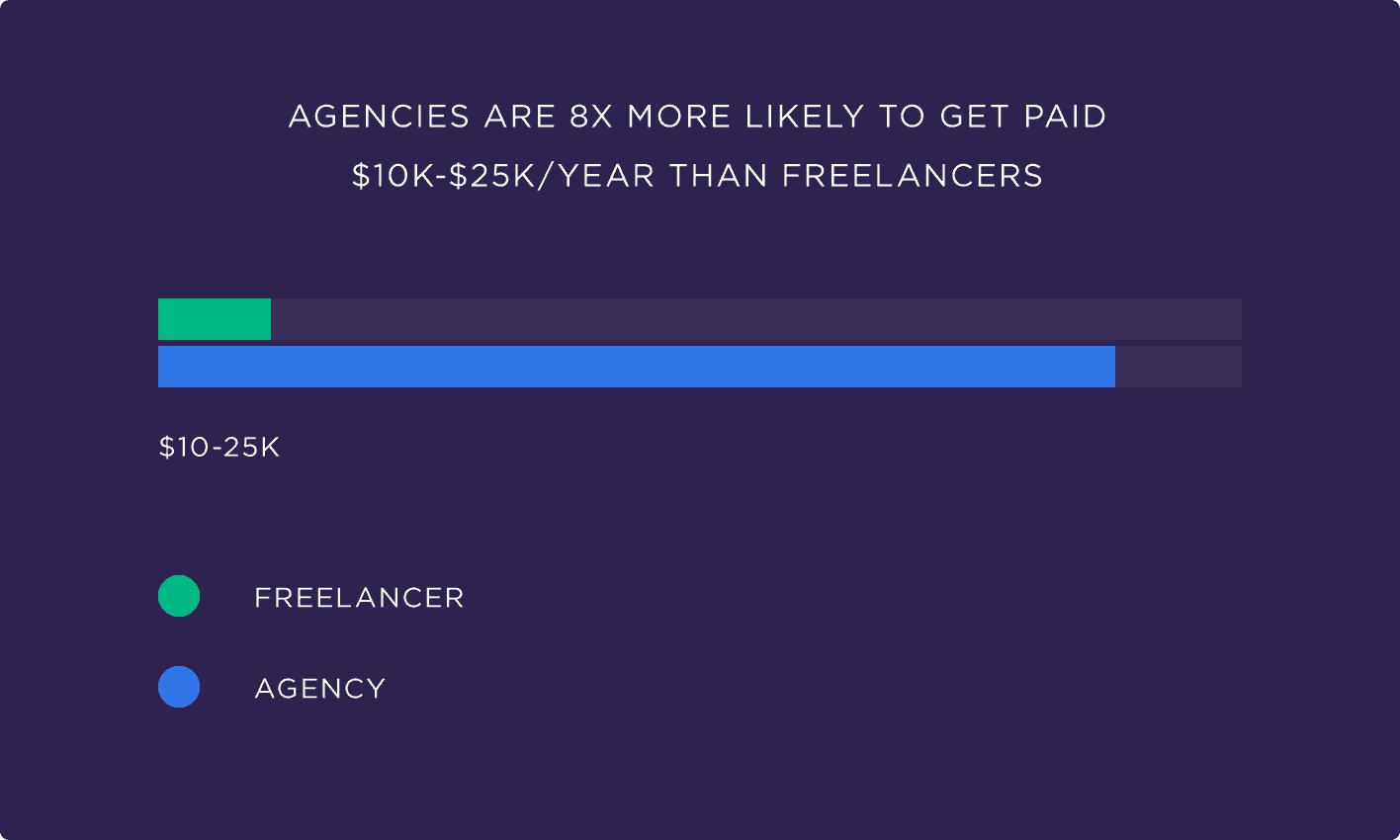
However, the investment levels vary wildly. While the average small business spends roughly $497.16 per month on SEO, this figure is skewed by a polarized market. Half of all respondents report spending less than $1,000 per year on SEO services, while only 2% represent high-end clients spending over $25,000 annually.
Chronology of the Relationship: From Onboarding to Churn
The lifecycle of an SEO engagement typically follows a pattern of high hopes followed by a "testing" phase.
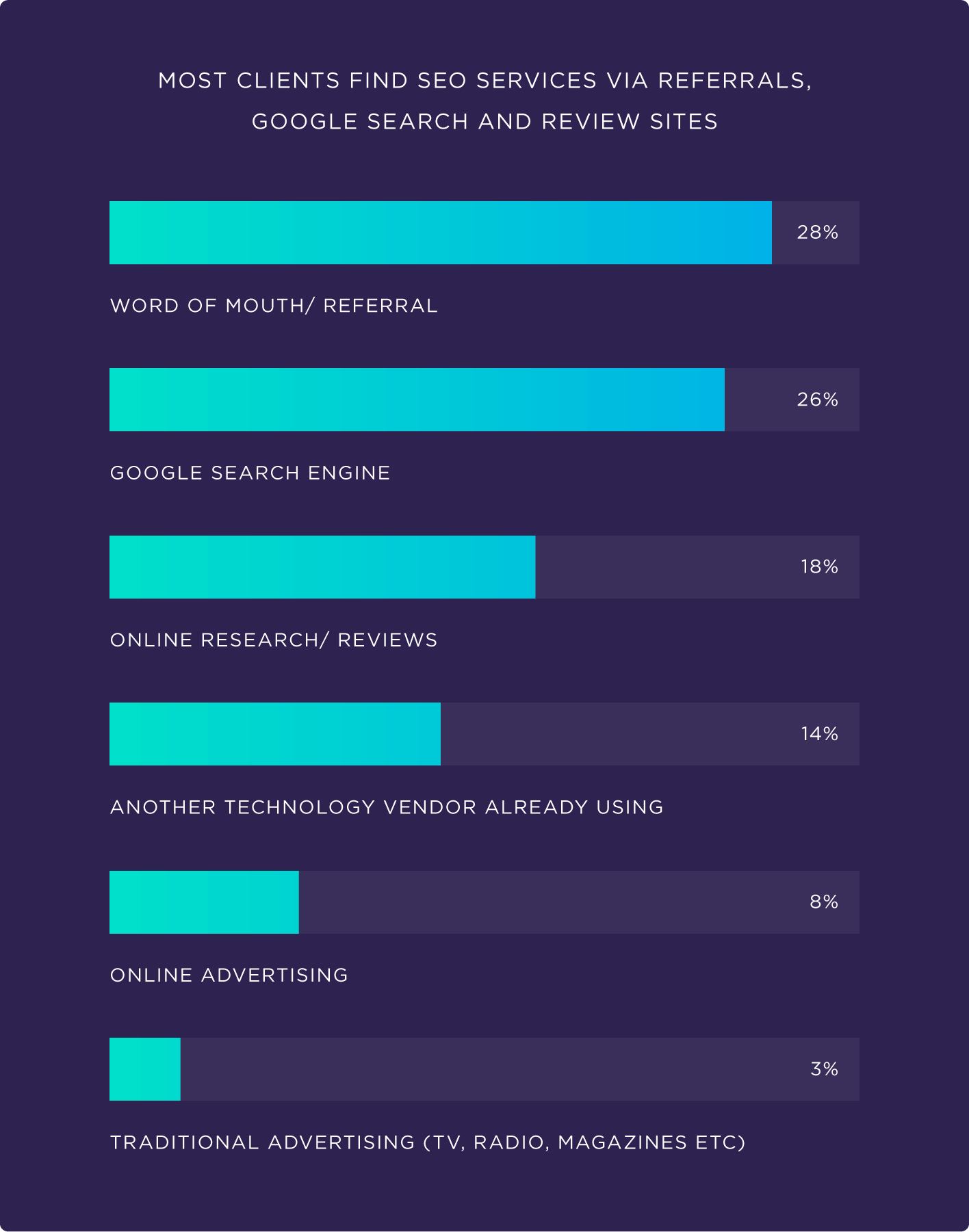
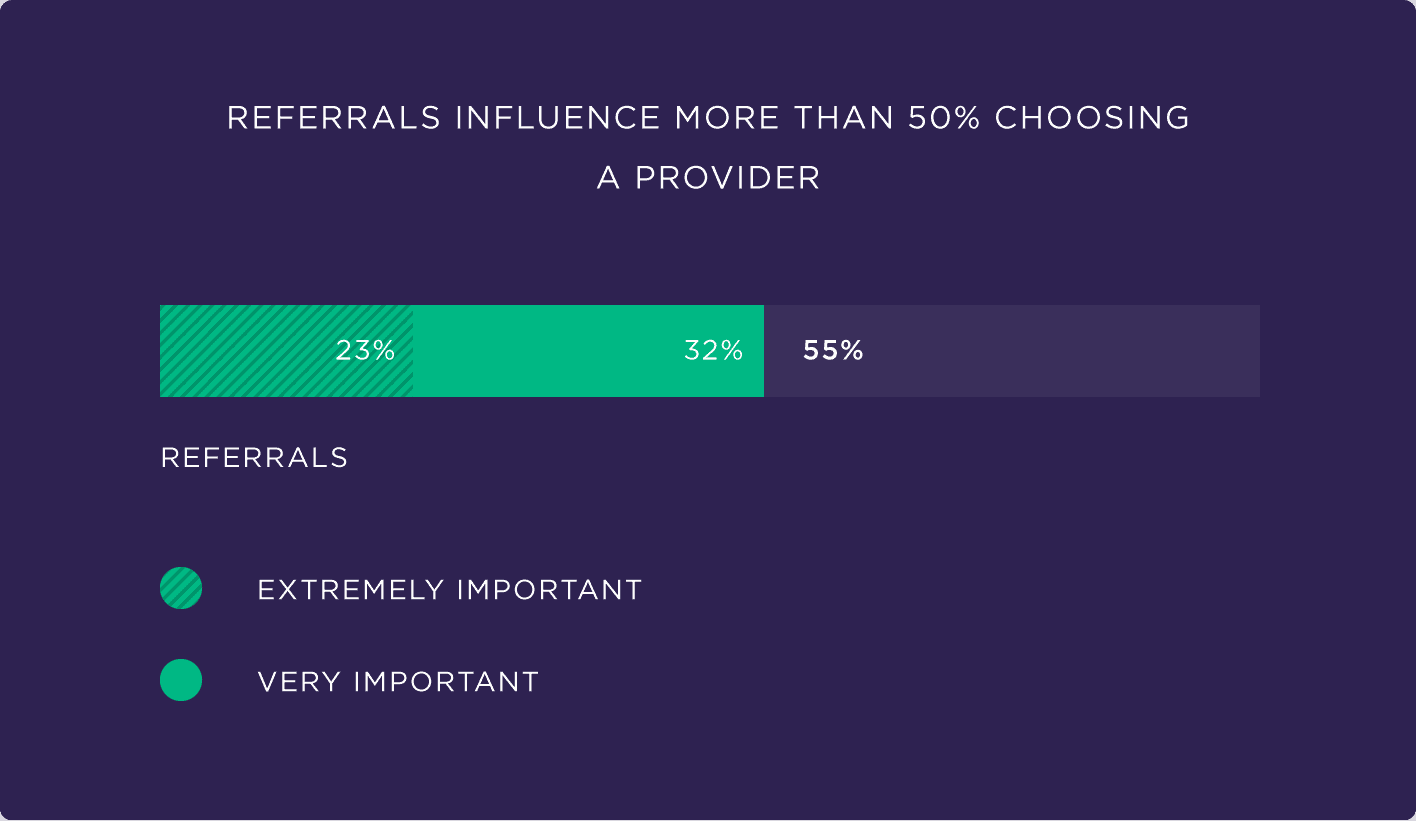
- The Search: Business owners primarily find their providers through word-of-mouth referrals, organic Google searches, and third-party review platforms. Only 8% of clients discover their providers through paid advertising.
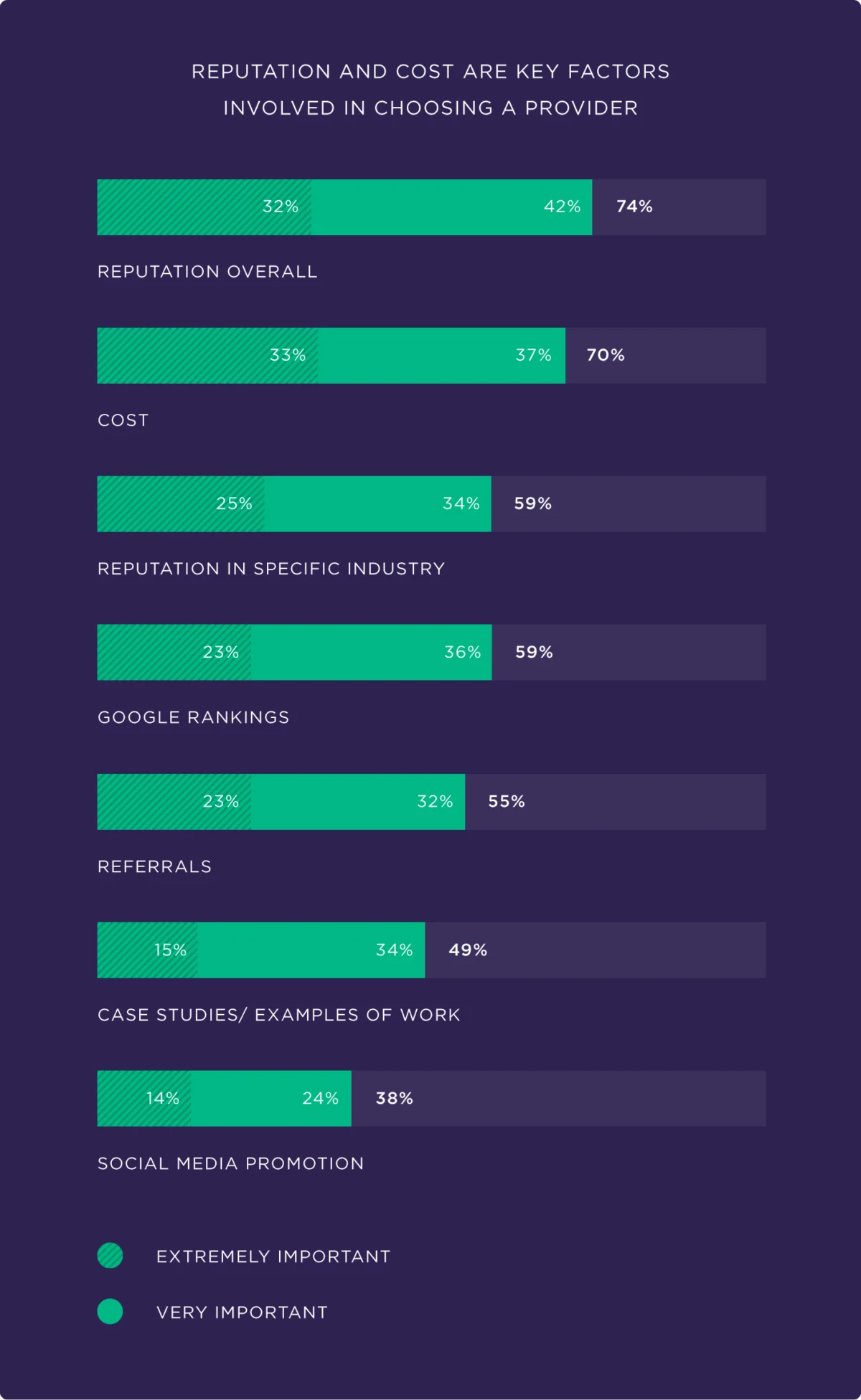
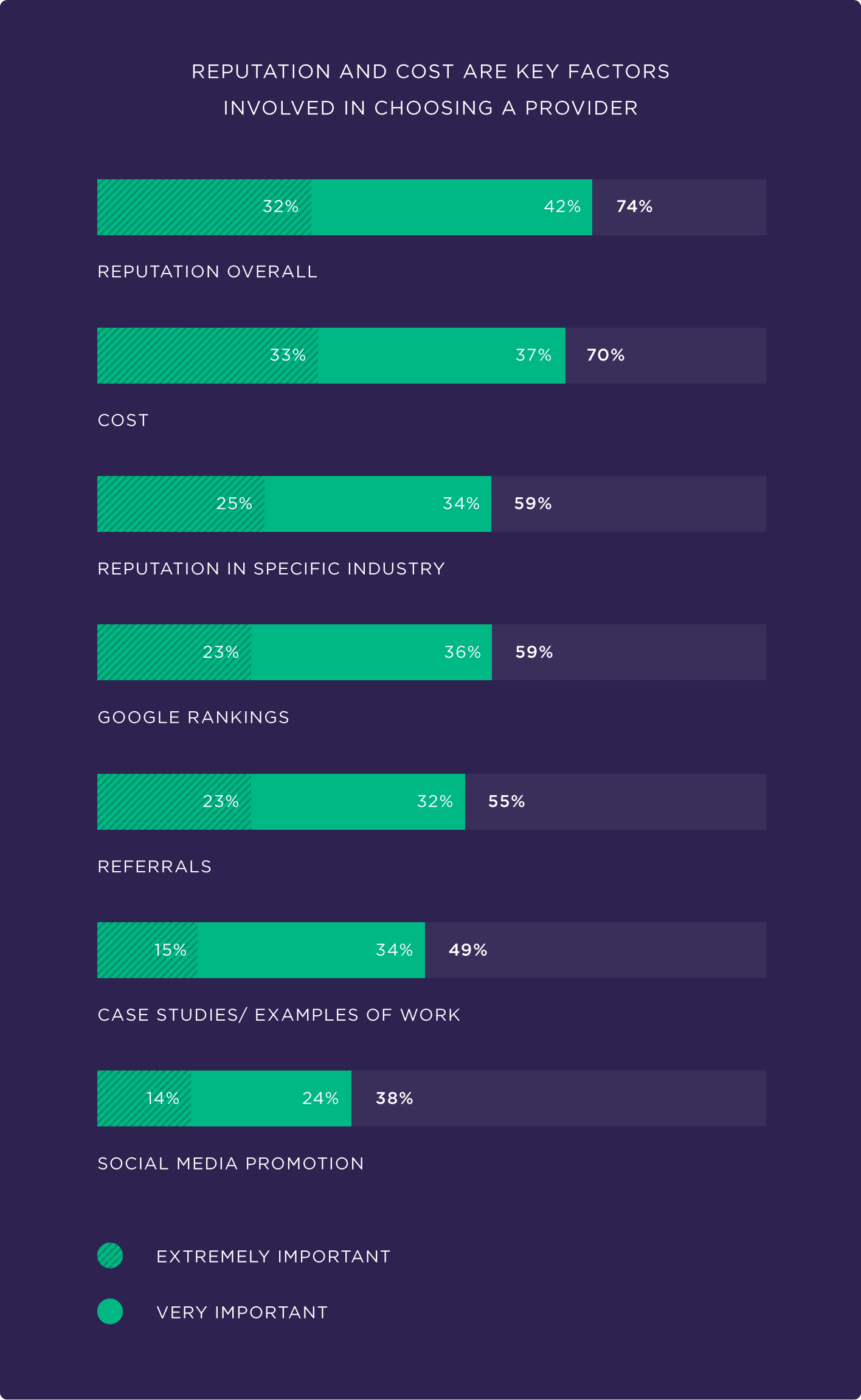
- The Evaluation: Reputation is the currency of trust. 74% of owners rank a provider’s reputation as the "most important" factor in their hiring decision.
- The Tenure: The average client-provider relationship lasts approximately three years. However, the industry suffers from high "rapid churn," with 10% of clients firing and hiring three or more providers within a single 12-month period.
Supporting Data: The Correlation Between Spend and Satisfaction
One of the most persistent myths in the industry is that all SEO services are created equal. Our research confirms the "you get what you pay for" adage.
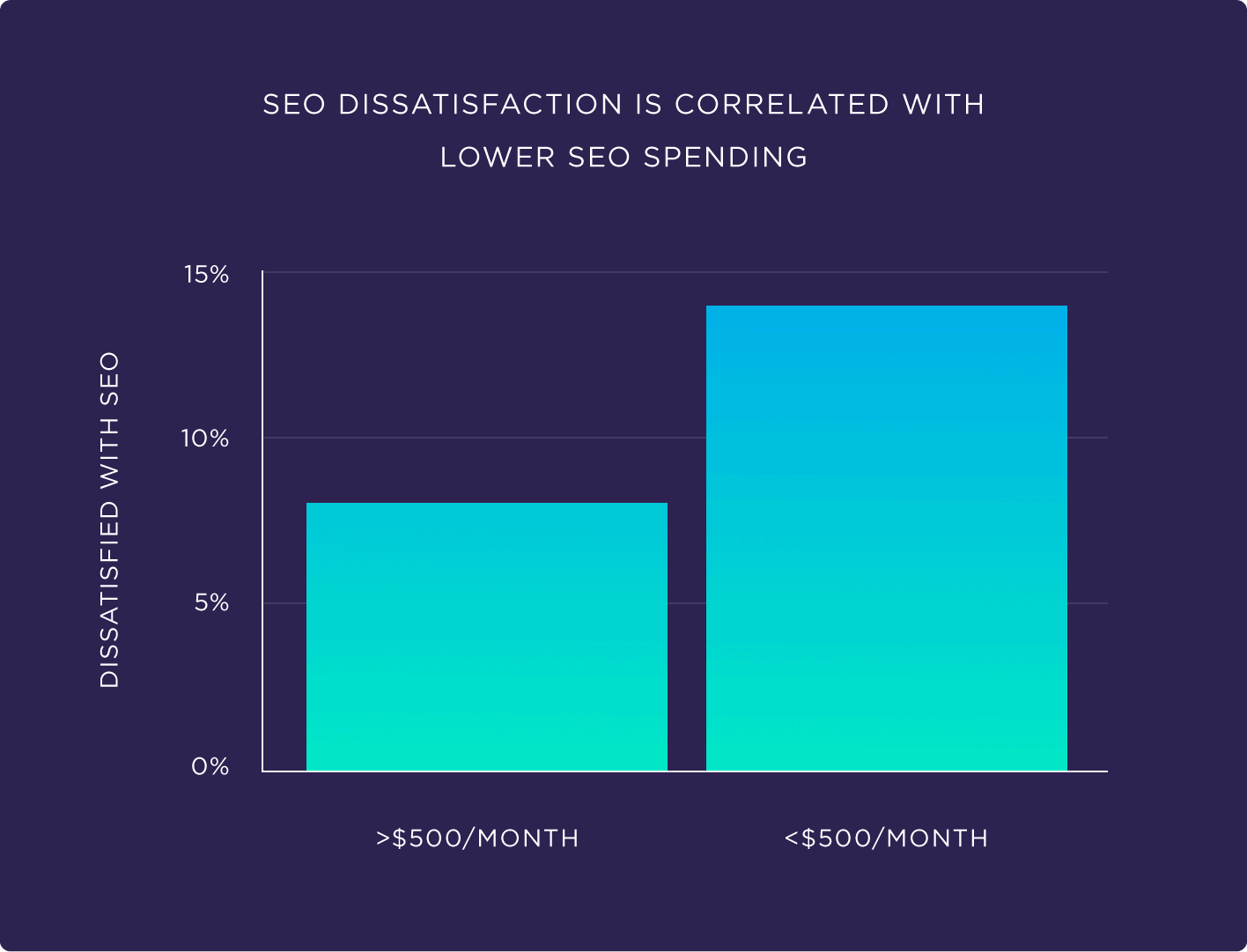
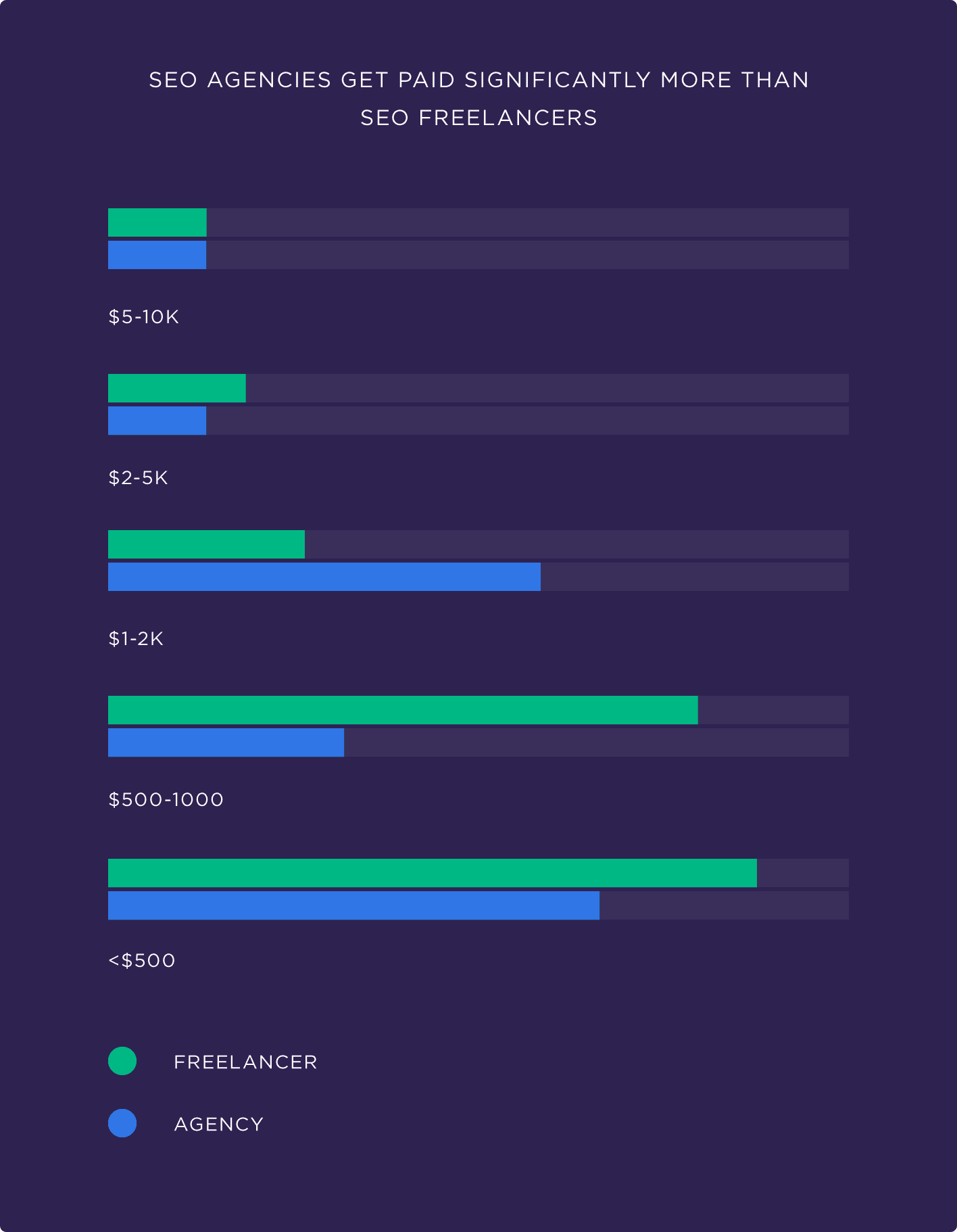
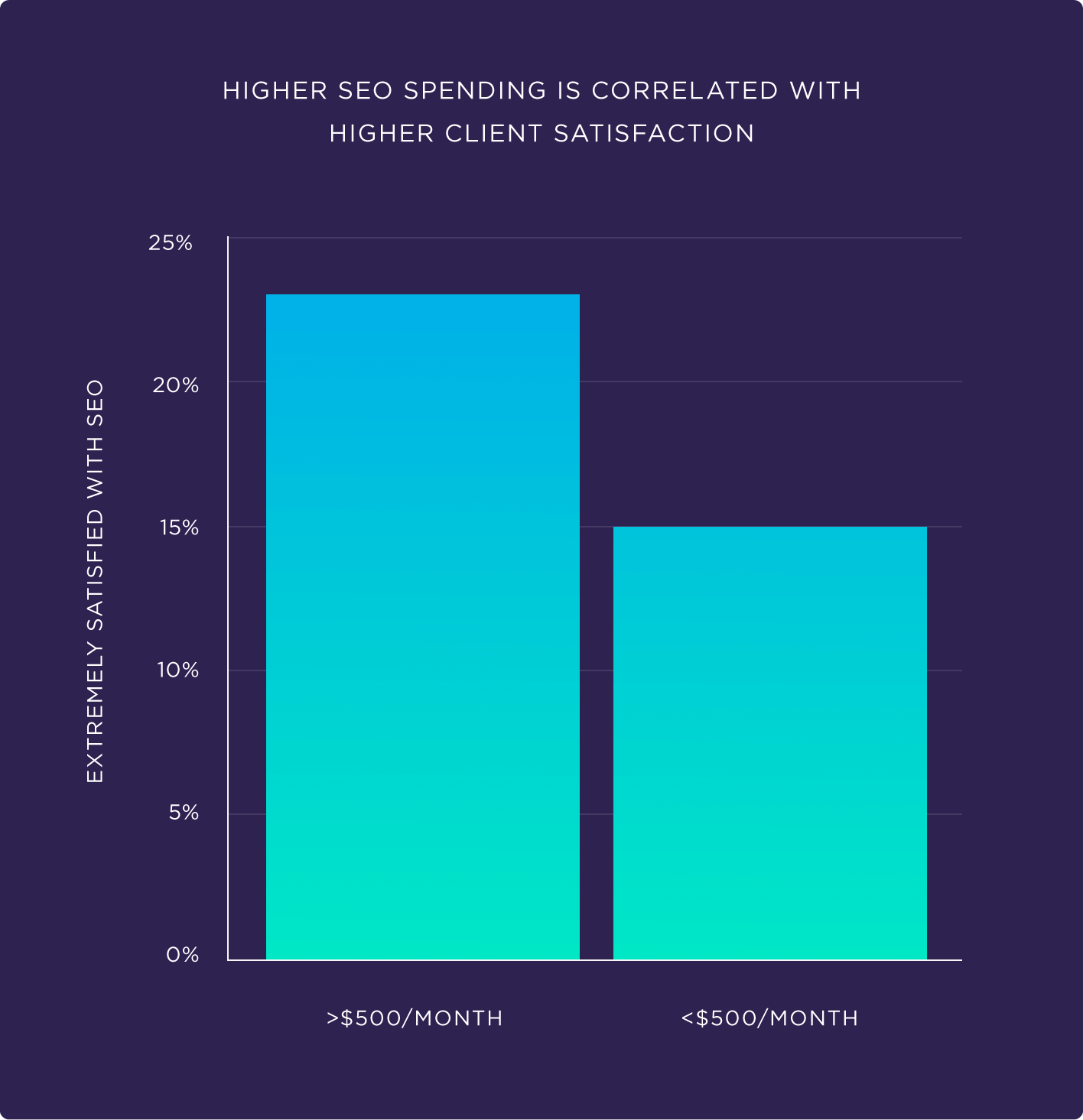
There is a direct, quantifiable correlation between monthly expenditure and client satisfaction. Clients who invested more than $500 per month were 53.3% more likely to report being "extremely satisfied" with their outcomes. Conversely, those paying less than $500 were 75% more likely to express active dissatisfaction. This data suggests that low-cost SEO packages—often associated with "churn and burn" strategies—are failing to deliver the long-term ROI businesses need, leading to predictable frustration.
The Performance Gap: Why Clients Are Unhappy
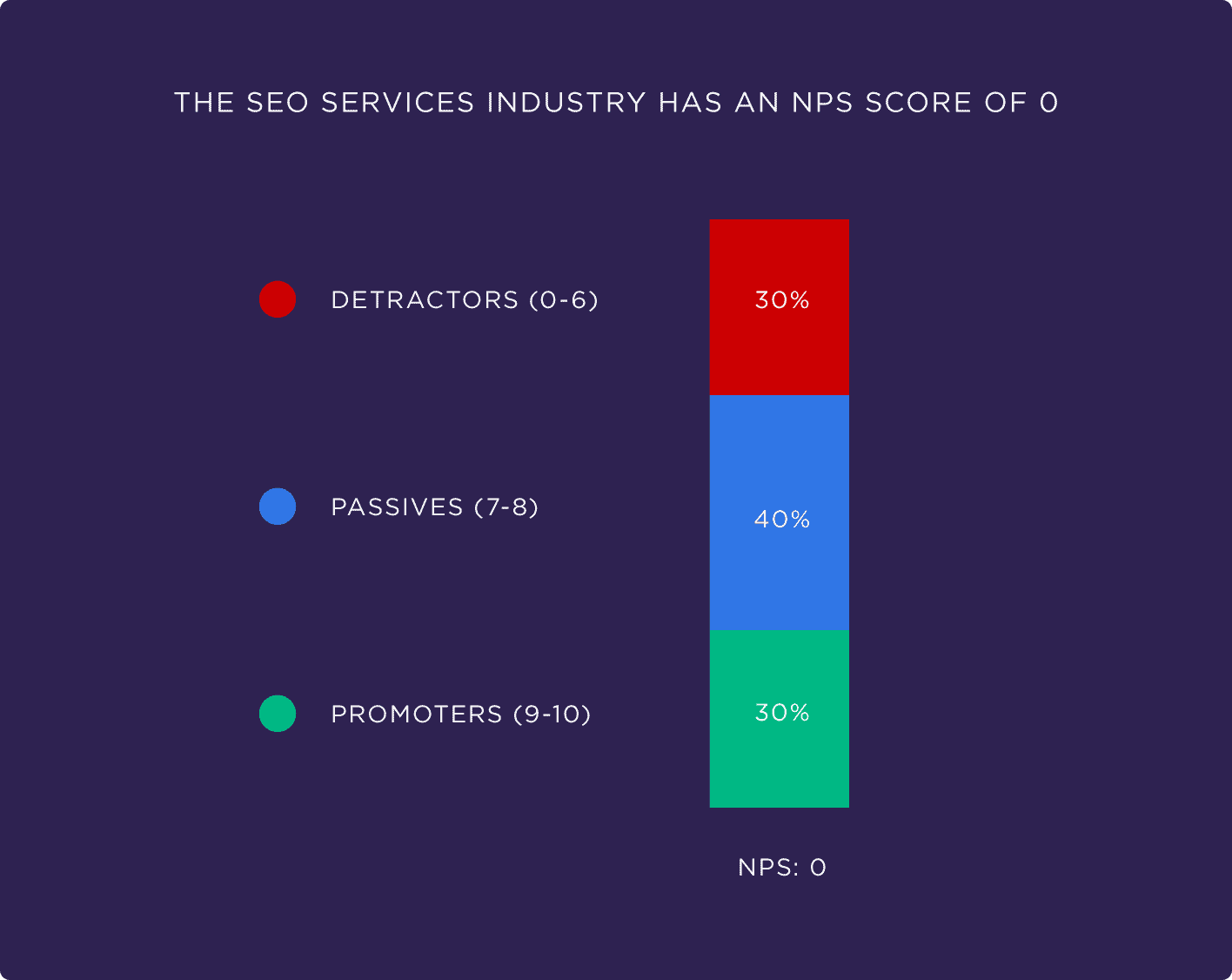
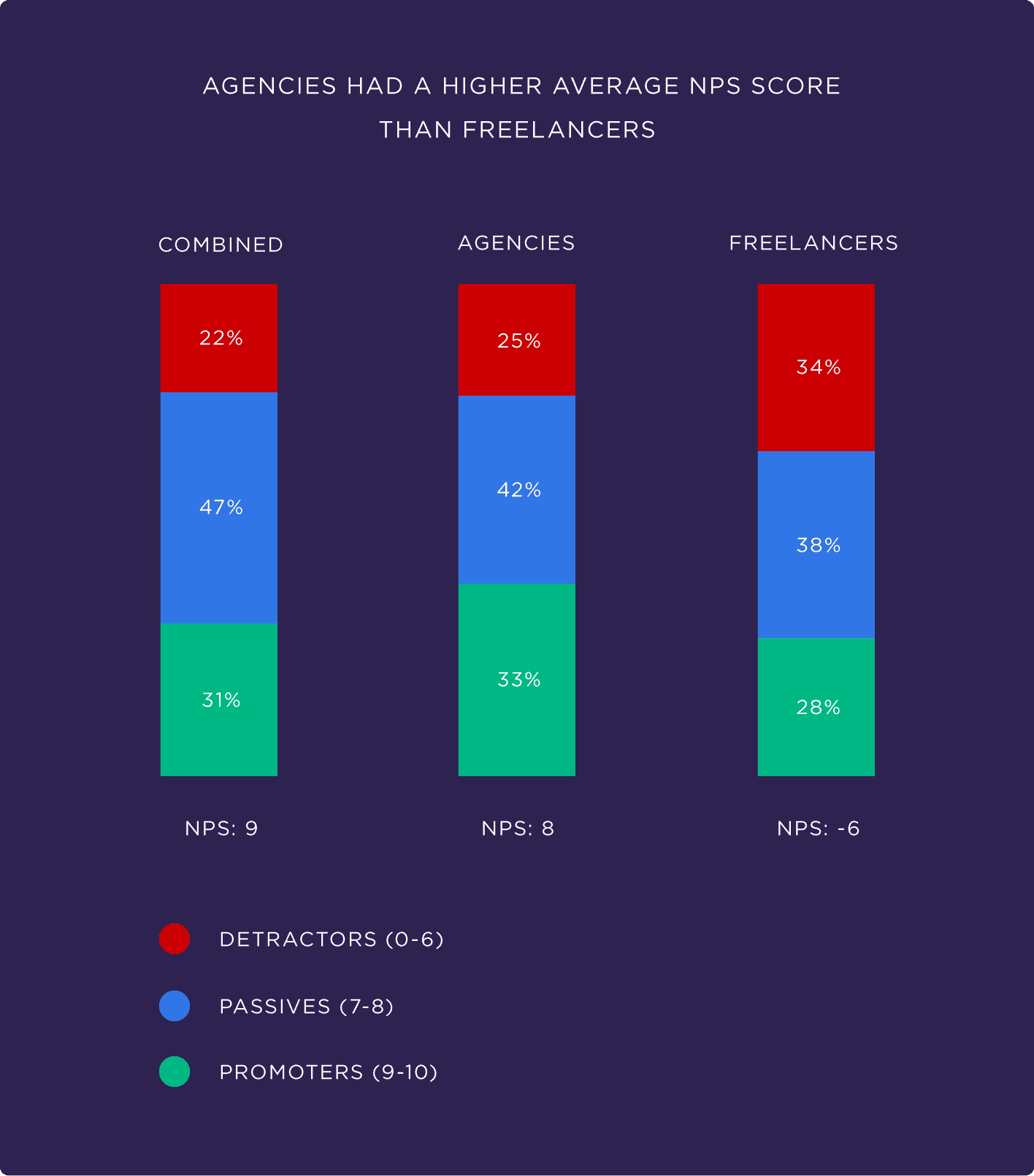
Perhaps the most concerning statistic in our report is the industry’s Net Promoter Score (NPS). Only 30% of small business owners would recommend their current SEO provider to a friend or colleague.
When we analyzed why this sentiment exists, the reasons were twofold:
- Results vs. Expectations: 82% of clients cited "dissatisfaction with business results" as the primary reason for terminating a contract.
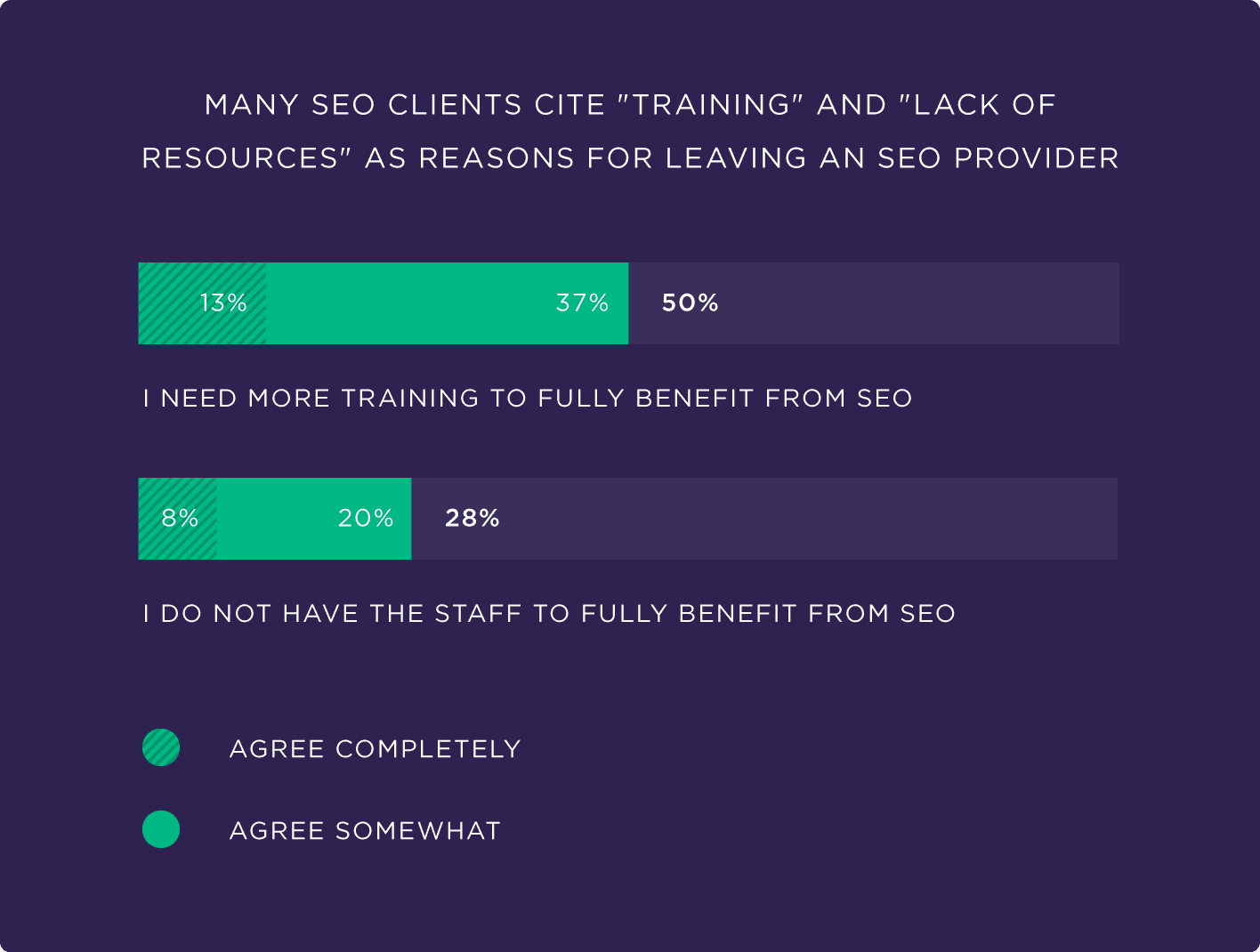
- The "Web Savvy" Divide: There is a distinct gap in technical literacy. Existing, happy clients were twice as likely to consider themselves "extremely web savvy" compared to those who left. Clients who do not understand technical terms—such as title tags, CSS, or backlink profiles—often fail to grasp the value of the work being performed. When a client doesn’t understand the "why" behind a strategy, they perceive the lack of immediate results as incompetence, regardless of the actual progress being made.
Official Perspectives: The Role of AI and ROI
Despite the low satisfaction scores, the ROI potential of SEO remains staggering. Across industries, average ROI is estimated at 22:1, meaning $22 earned for every $1 spent. Industries like medical devices and higher education report ROIs exceeding 900%, though these often require longer "breakeven" periods of 12 to 14 months.
The introduction of AI has further complicated the narrative. According to industry sentiment, 68% of professionals report a moderate to significant increase in ROI due to AI tools, which have streamlined content production and technical audits. Only 1% of the market feels that AI has negatively impacted their SEO returns, suggesting that the industry is successfully adapting to the "AI-first" search era.
Implications for Agencies and Freelancers
The data offers a roadmap for providers looking to break the cycle of high turnover and low satisfaction:

1. Shift the Language of Success
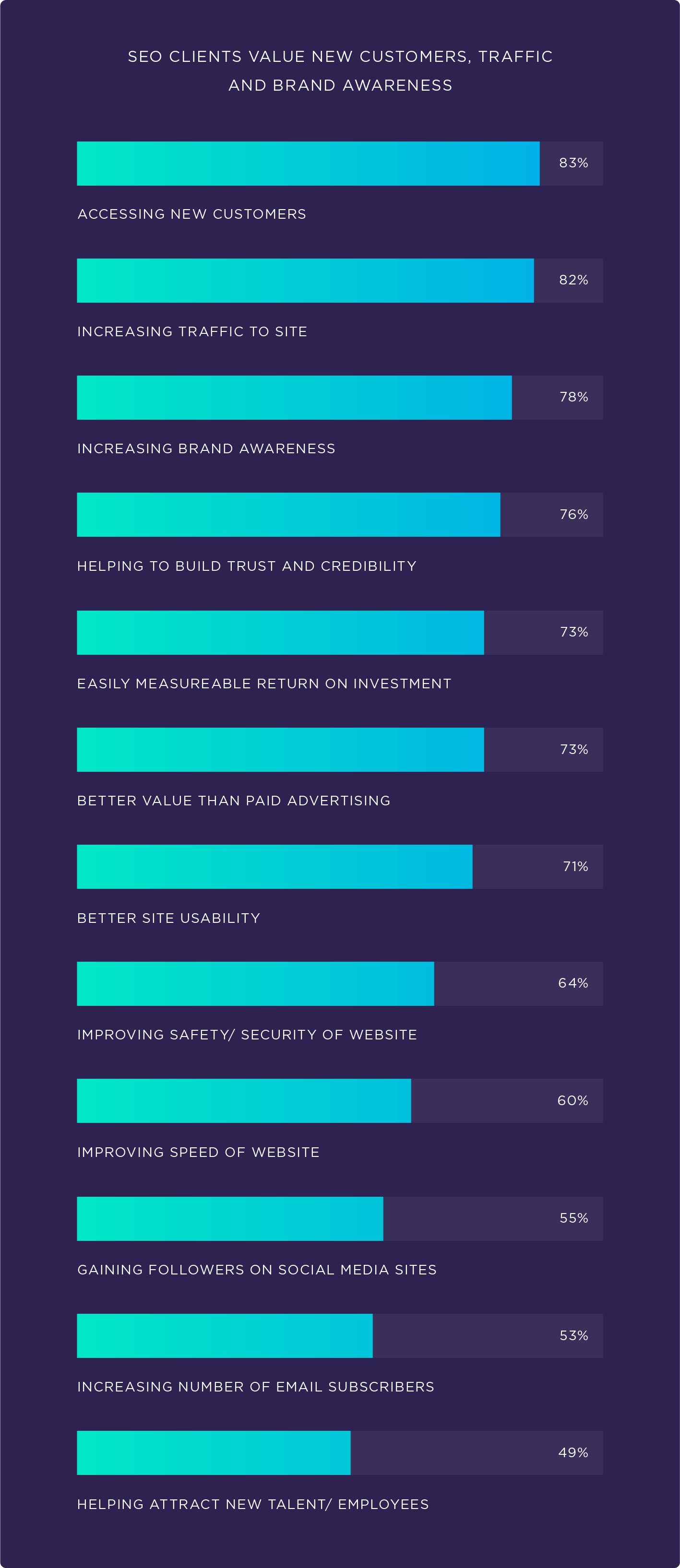
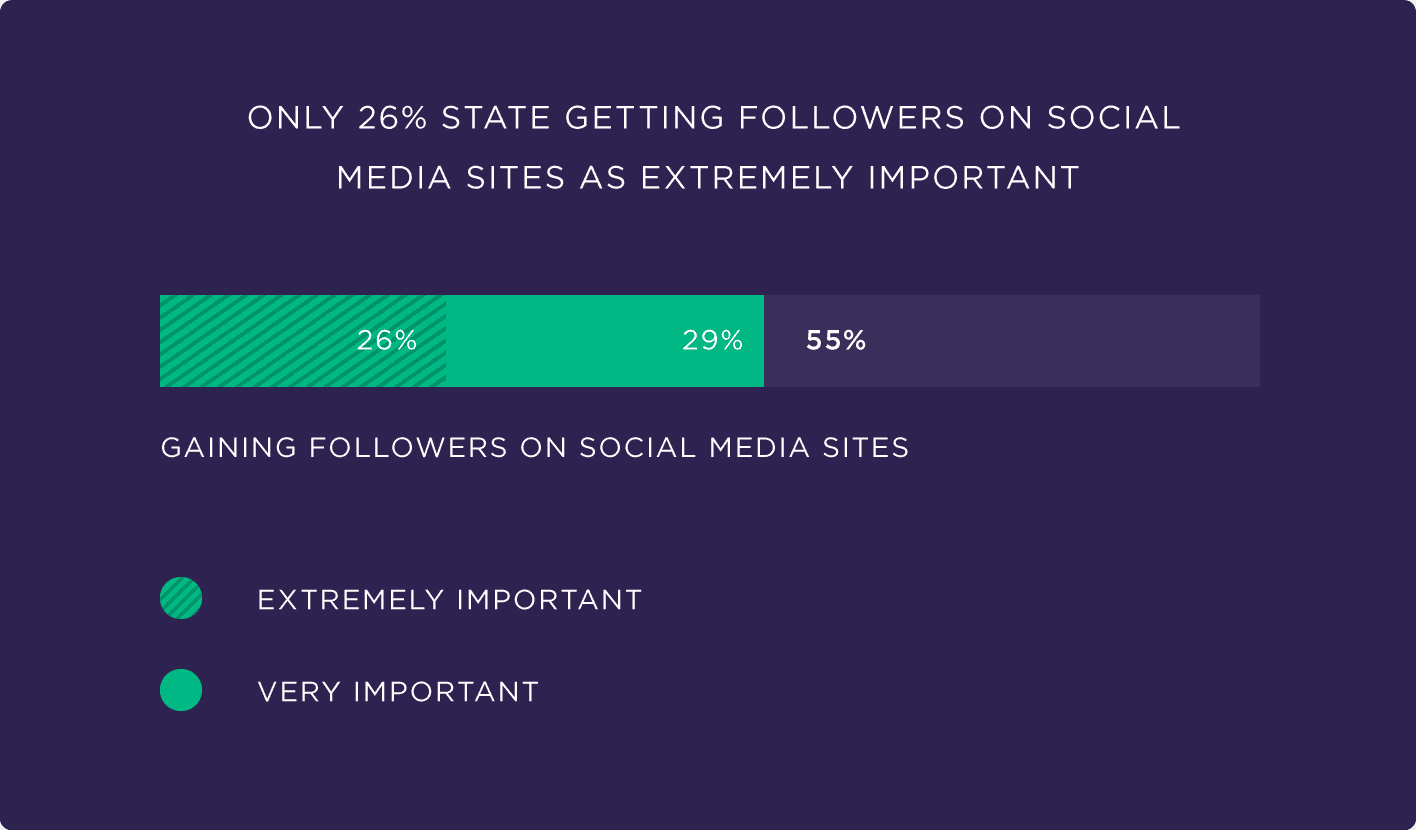
Agencies often fall into the trap of pitching "social media growth" or "email subscribers." Our data shows these are not the primary drivers for small business owners. Owners want to talk about new customers, traffic, and brand trust. When an agency initiates a kickoff meeting by promising more Facebook likes, they immediately alienate a client whose primary goal is revenue.
2. Radical Transparency
With 27% of clients finding SEO "confusing" and 25% unsure of what they are actually paying for, the industry has a transparency problem. Agencies must move away from jargon-heavy reporting. Instead of sending a spreadsheet of keyword rankings, providers should focus on tying search performance to business KPIs like lead conversion rates and cost-per-acquisition.
3. Education as a Service
Because "web-savvy" clients are significantly more likely to stay, it is in the provider’s best interest to treat client education as part of the service. By demystifying the process—explaining why a title tag change matters or why technical SEO is the foundation for future traffic—agencies can build a partnership based on understanding rather than blind faith.

4. Visibility and Reputation
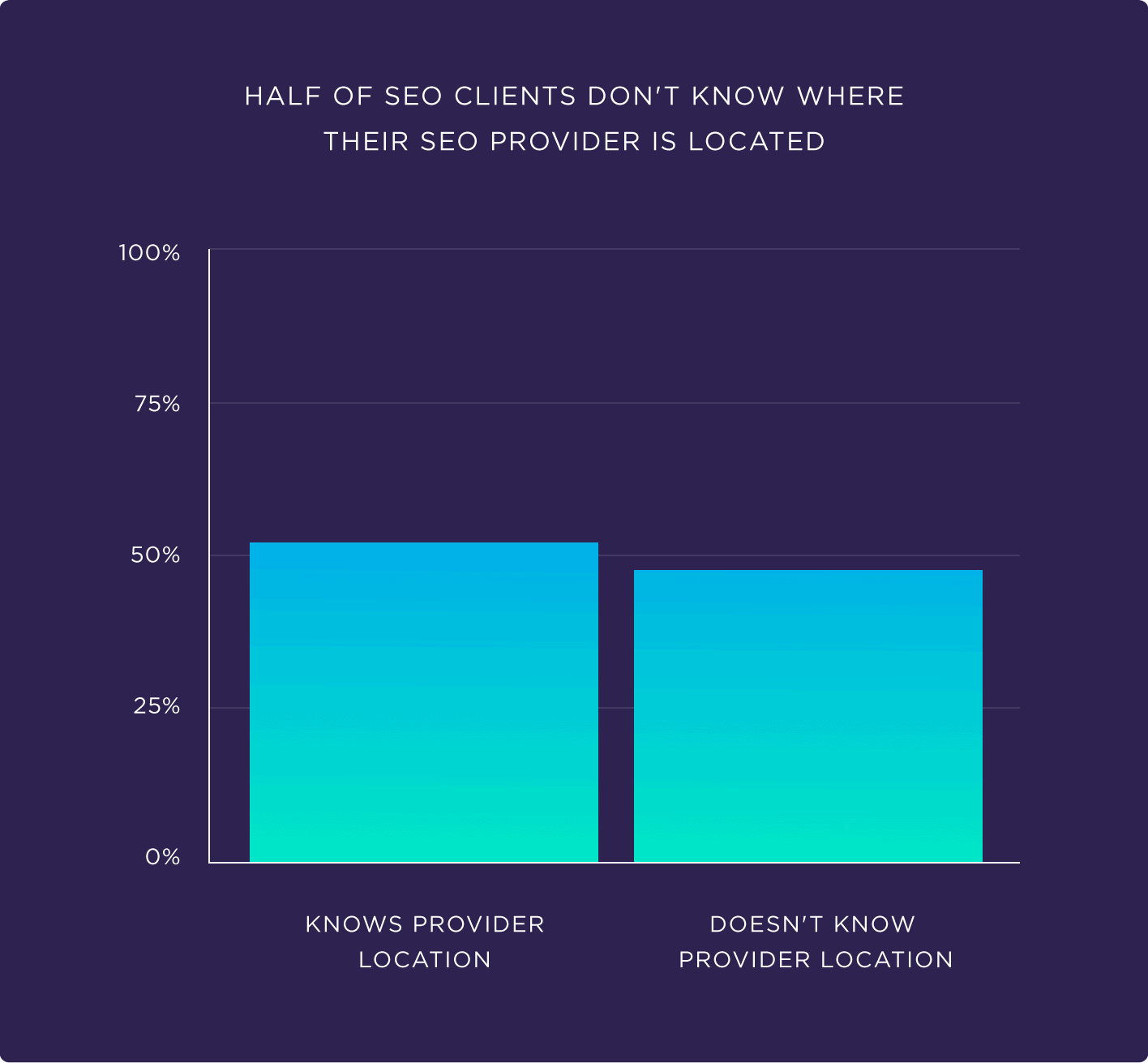
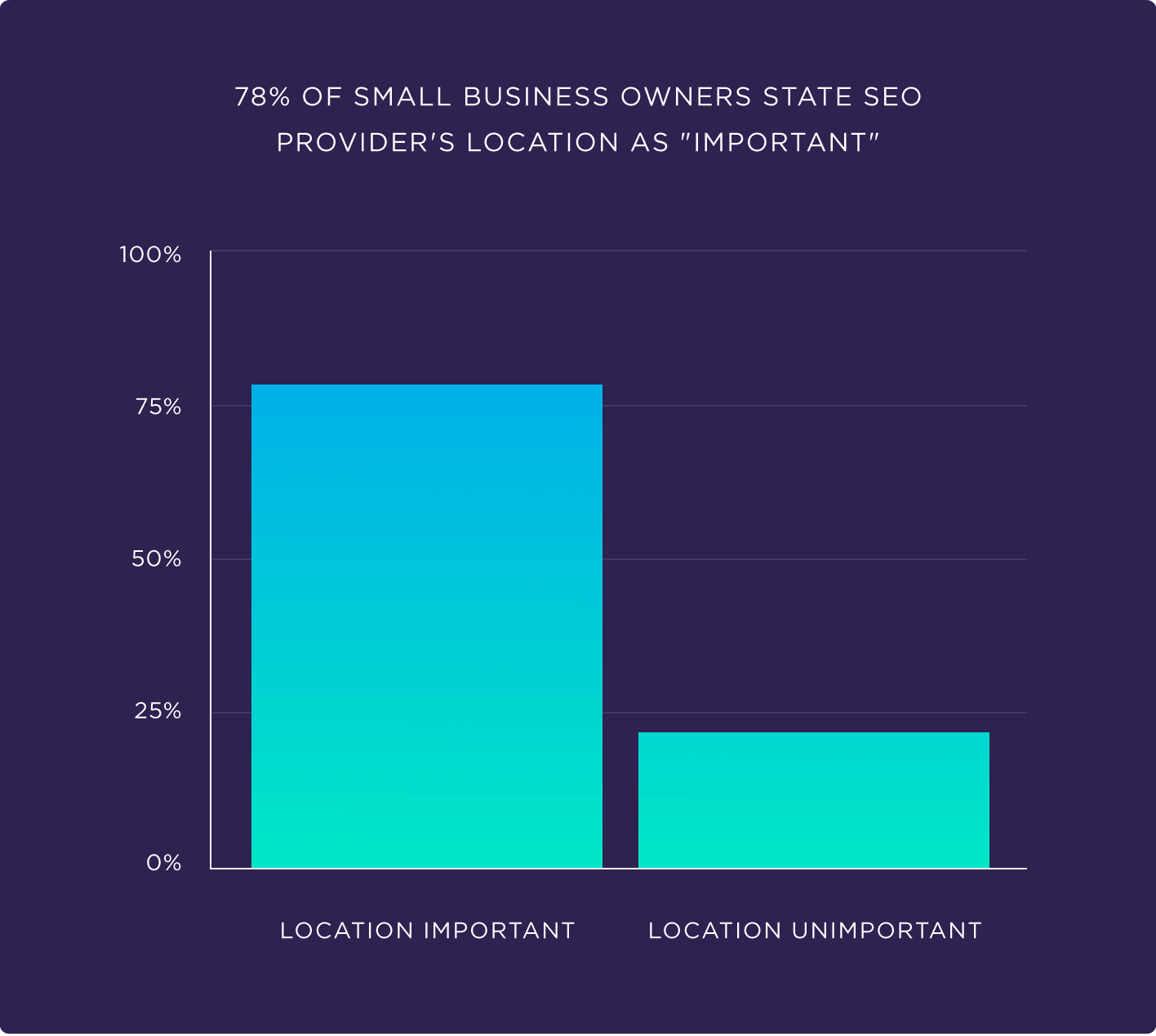
With 78% of US-based small businesses stating that knowing a provider’s physical location is "very" or "extremely" important, agencies should stop hiding behind anonymous websites. Building trust starts with physical presence—showcasing your team, your office, and your history helps mitigate the "unreliable" stigma that plagues the industry.
Conclusion: The Path Forward
The SEO services industry is at a crossroads. The high rate of turnover and the low NPS scores are not necessarily signs of an industry in decline, but rather an industry in need of maturation.
Businesses have high expectations, and they are willing to pay for results, provided those results are clearly communicated and aligned with their broader financial goals. For the SEO provider, the message is clear: stop selling "SEO" as a mysterious technical black box and start selling it as a measurable business growth engine. By focusing on ROI, increasing transparency, and educating clients, providers can move from being perceived as a volatile expense to a stable, long-term strategic partner.
As we look toward the remainder of the decade, the winners in this space will be those who can bridge the gap between technical complexity and tangible business success.