In the traditional search engine optimization (SEO) landscape, the goal was simple: rank in the top three results on Google. If you achieved that, traffic was virtually guaranteed. However, in the era of Artificial Intelligence, those top-ranking positions are no longer the golden ticket. You can hold the first page of Google and still remain invisible to LLMs like ChatGPT, Perplexity, or Google’s AI Overview.

The reason for this shift lies in a background process known as "query fan-out." Understanding this mechanism is no longer optional for marketers—it is the new prerequisite for digital visibility.
What Is Query Fan-Out?
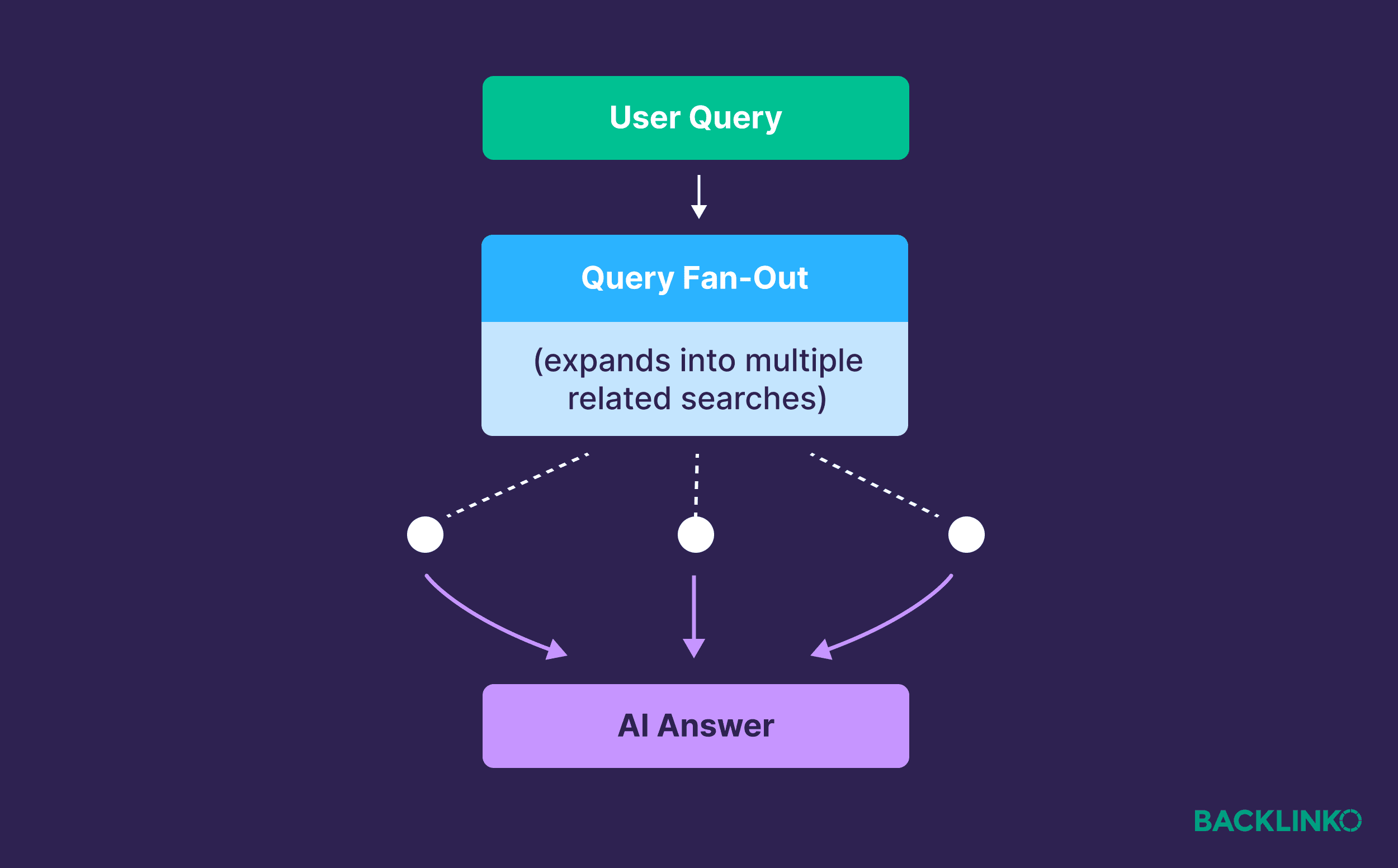
Query fan-out is the sophisticated process AI search systems use to decompose a single, often vague user prompt into a series of highly specific sub-queries. Rather than relying on a single, top-ranked source, the AI "fans out" to pull information from a diverse ecosystem of editorial sites, Reddit threads, niche forums, and product pages.
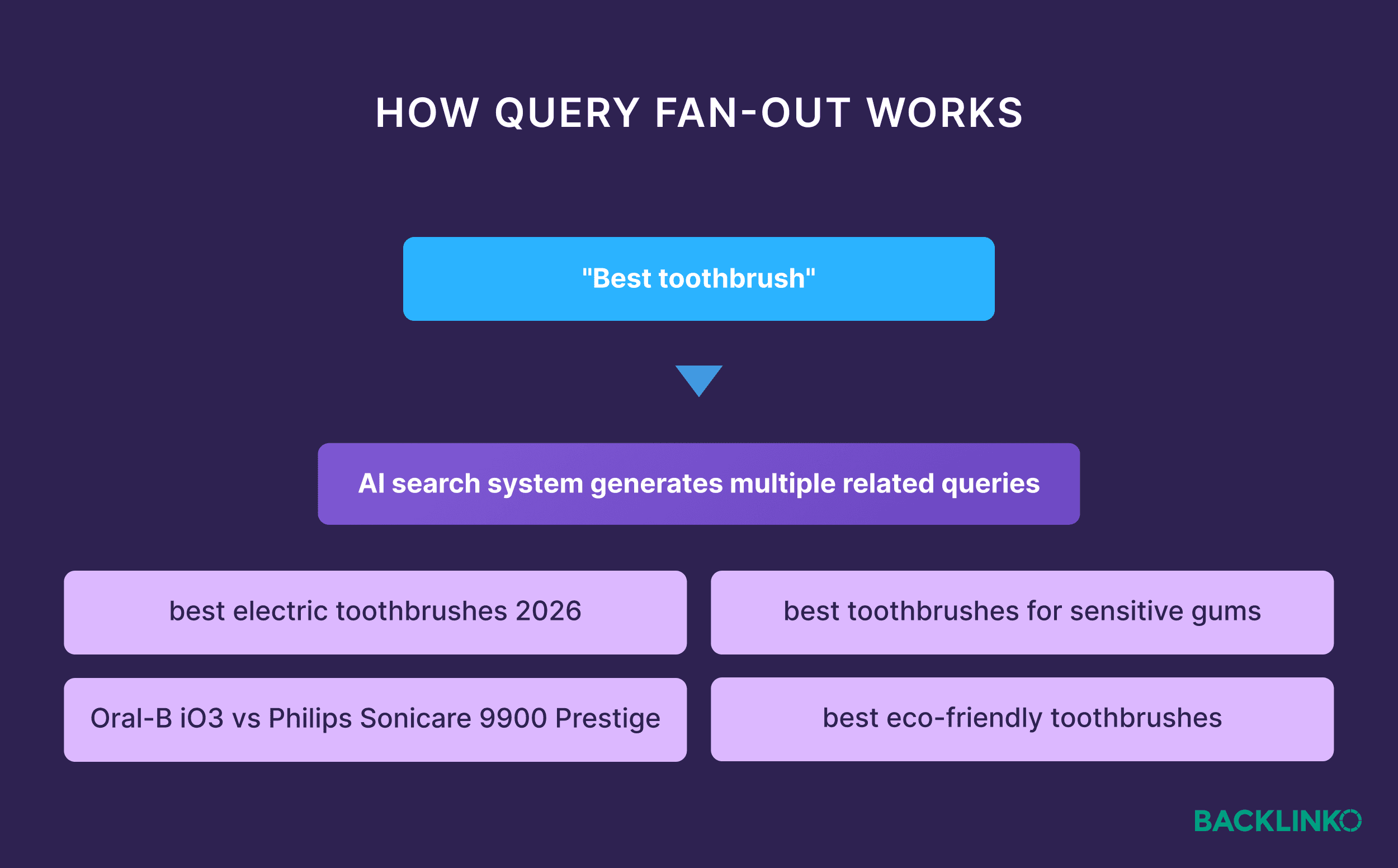
By deconstructing the original request, the AI can synthesize a multi-dimensional answer that covers not just the "what," but the "how," "why," and "which one."
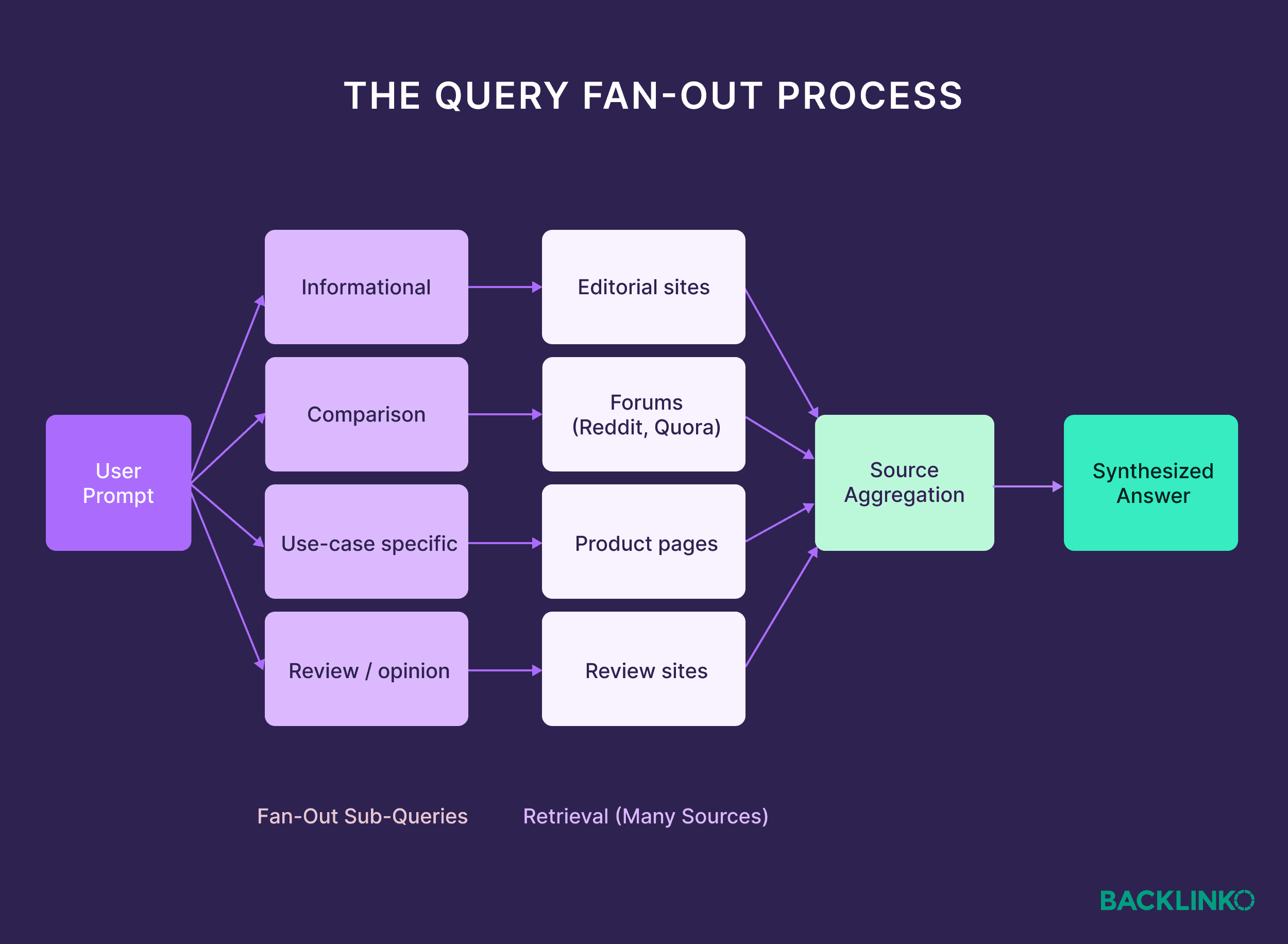
The Anatomy of a Fan-Out
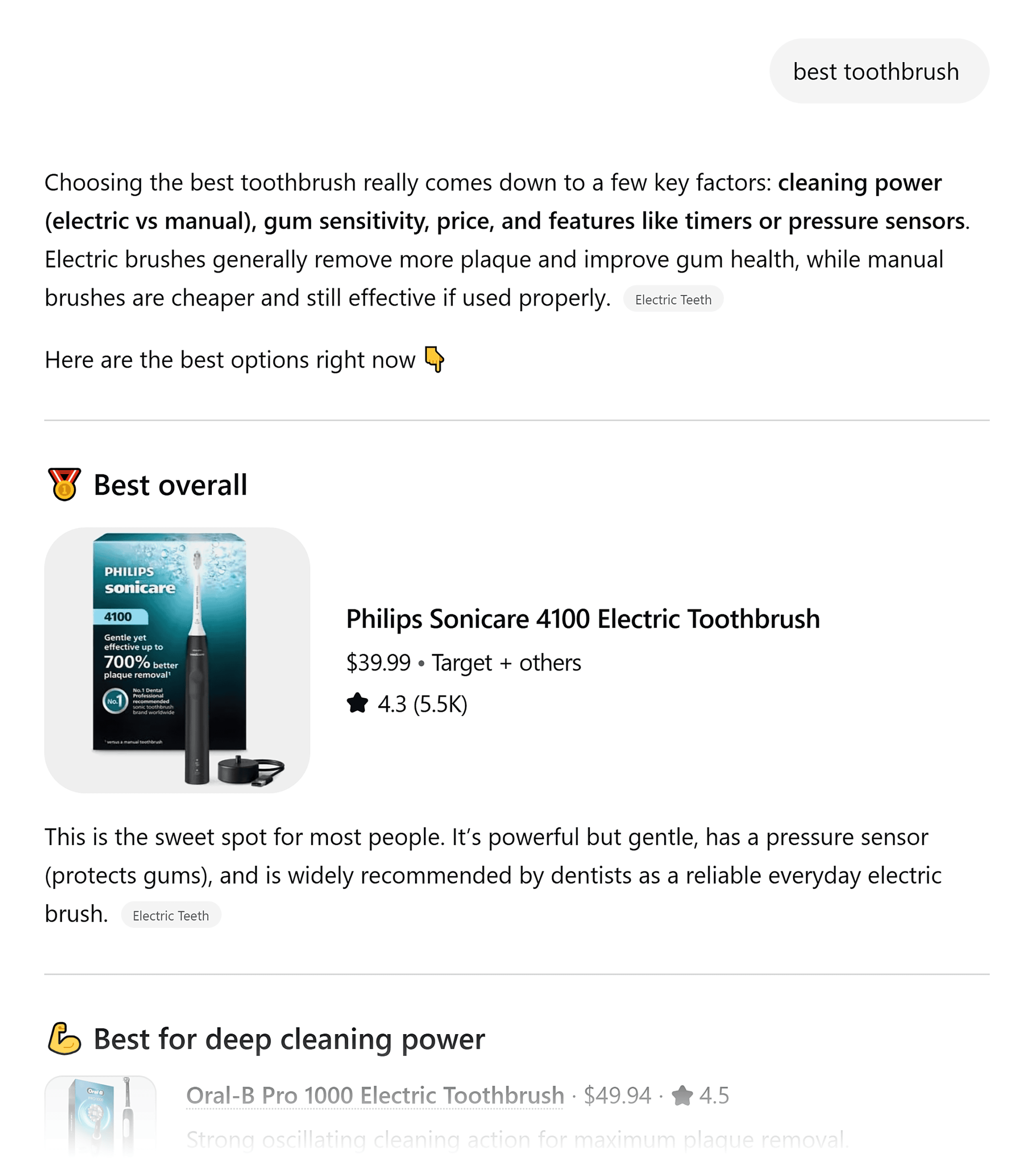
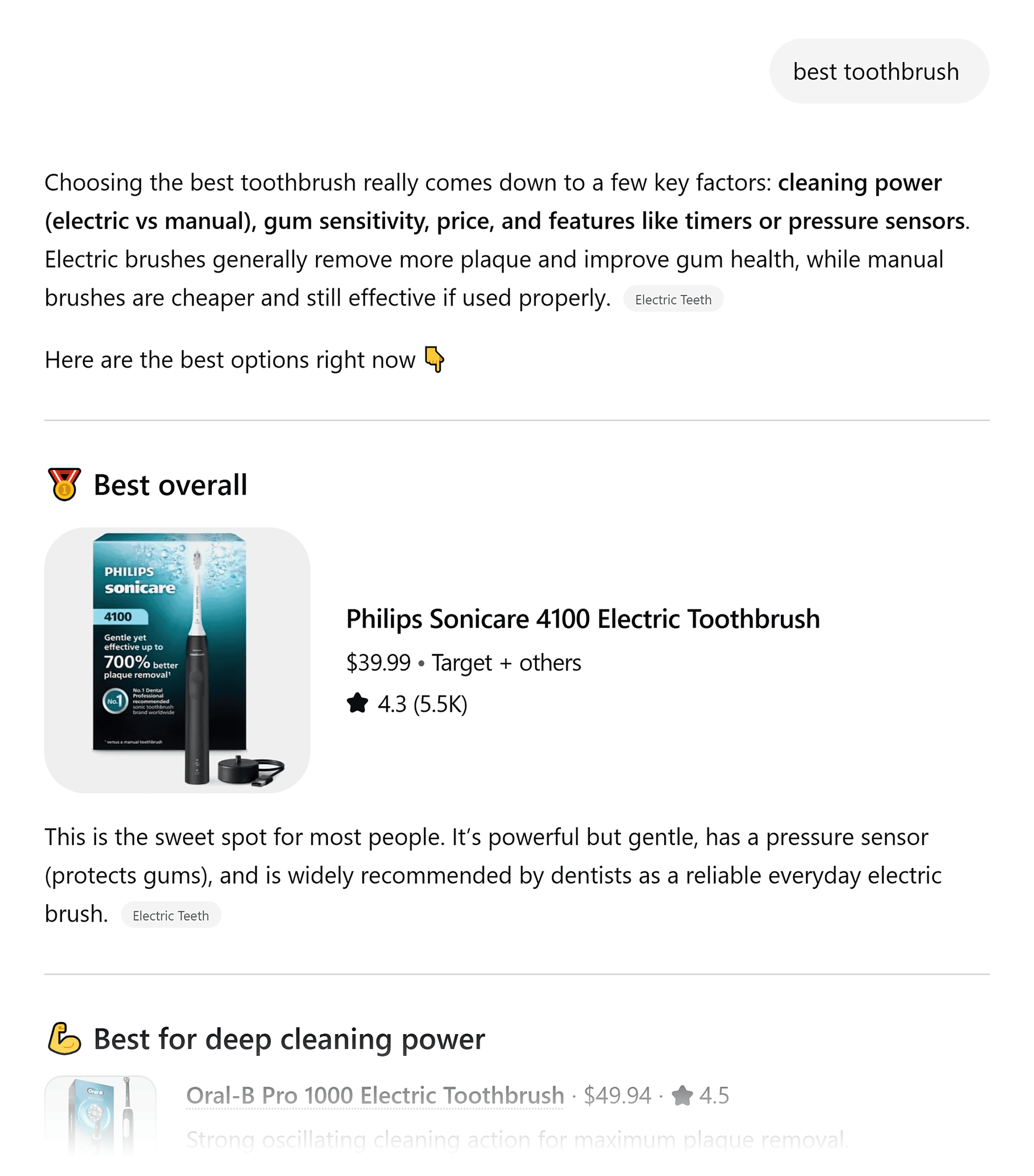
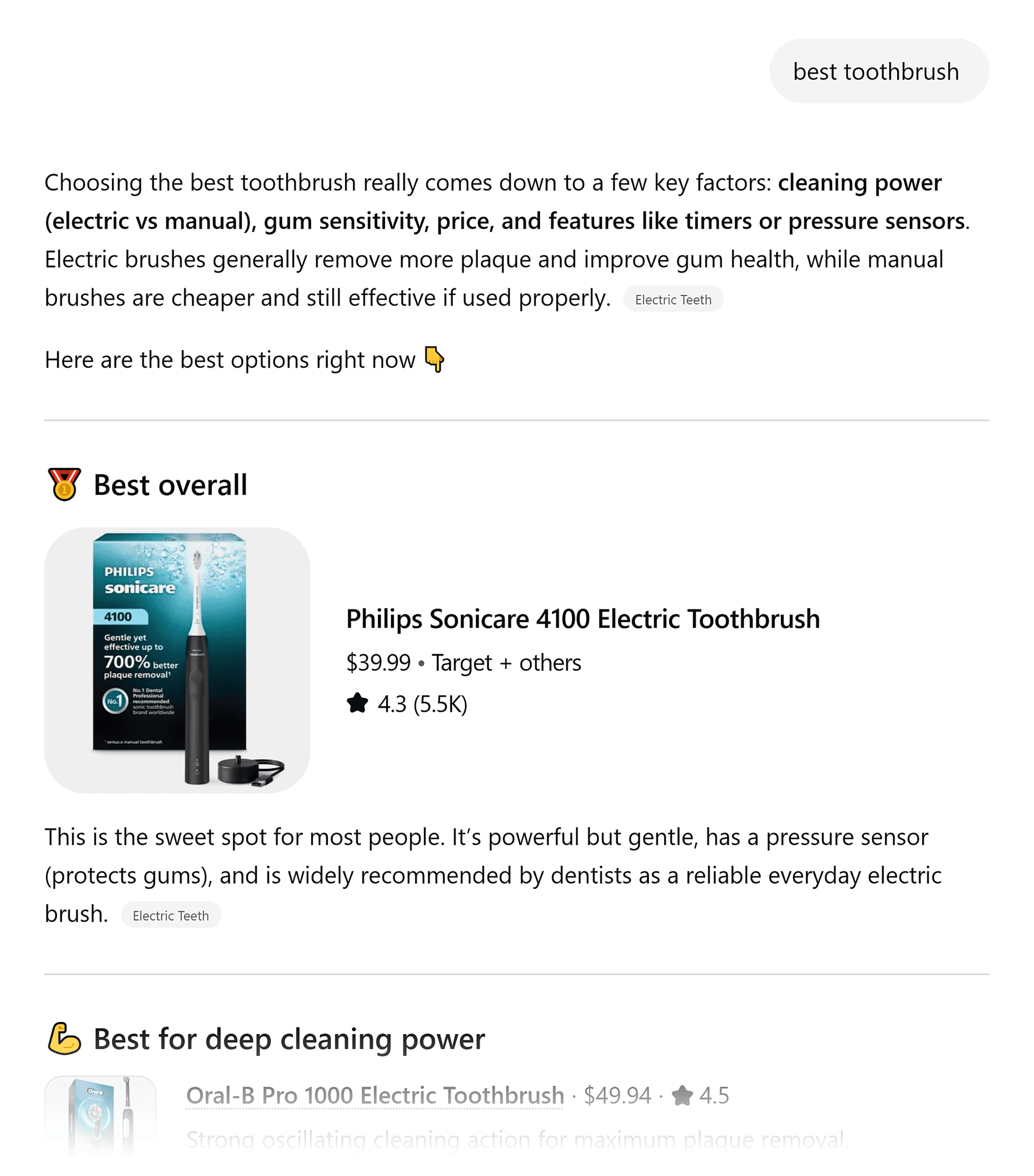
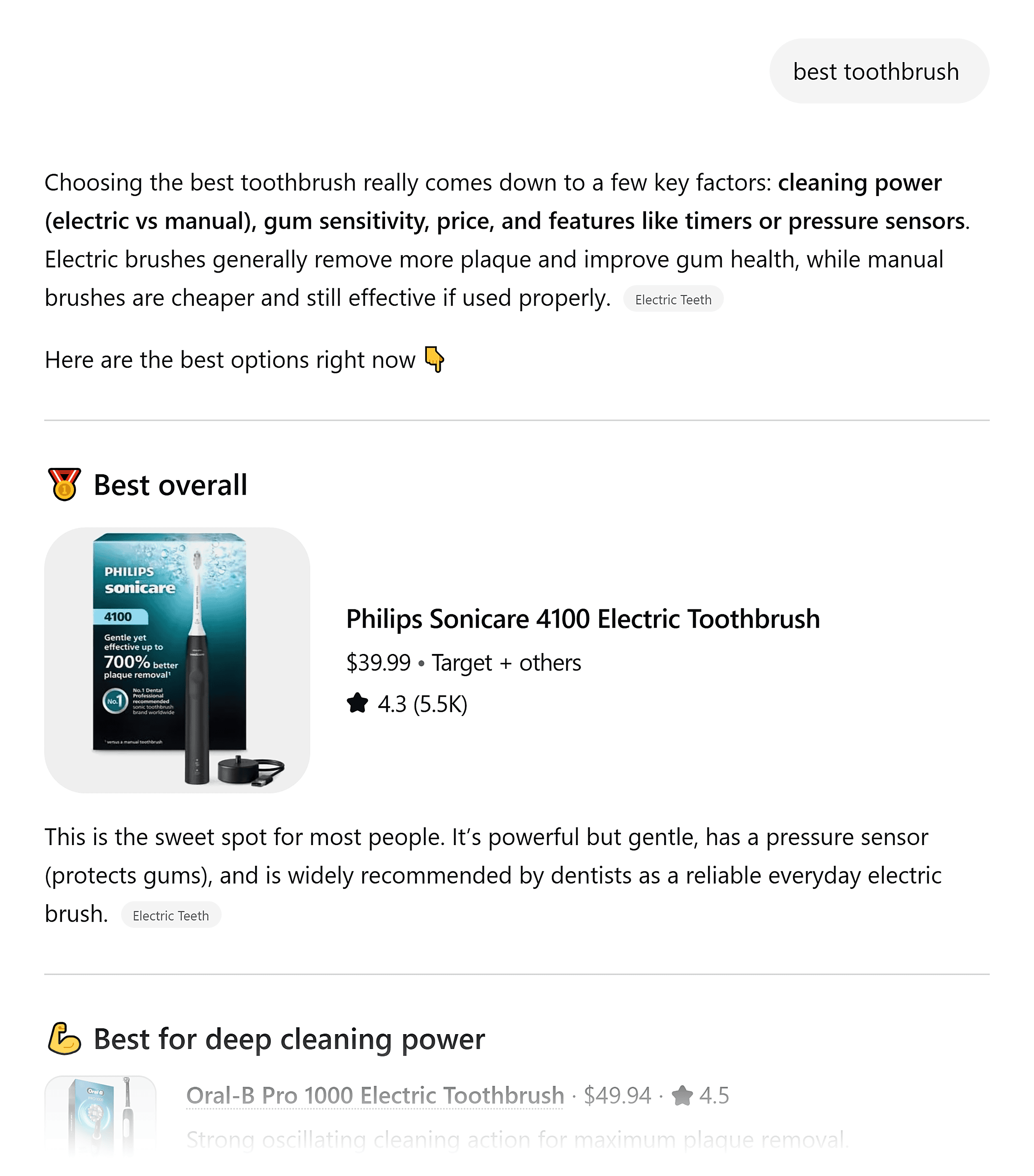
Consider a user who types "best toothbrush" into an AI interface. A traditional search engine might return a list of "best-of" articles. An AI system, however, will trigger internal sub-queries such as:
- "Best electric toothbrushes for 2026"
- "Best toothbrushes for sensitive gums"
- "Oral-B vs. Philips Sonicare comparison"
- "Value-tier electric toothbrush reviews"
The AI then synthesizes these distinct findings into a comprehensive, authoritative answer. It anticipates user intent before the user has even refined their search, effectively collapsing the traditional marketing funnel into a single interaction.
Why Query Fan-Out Redefines SEO
The shift toward AI-driven discovery changes the fundamental rules of the game. Here is how the landscape has shifted.
1. The Death of Keyword Monopoly
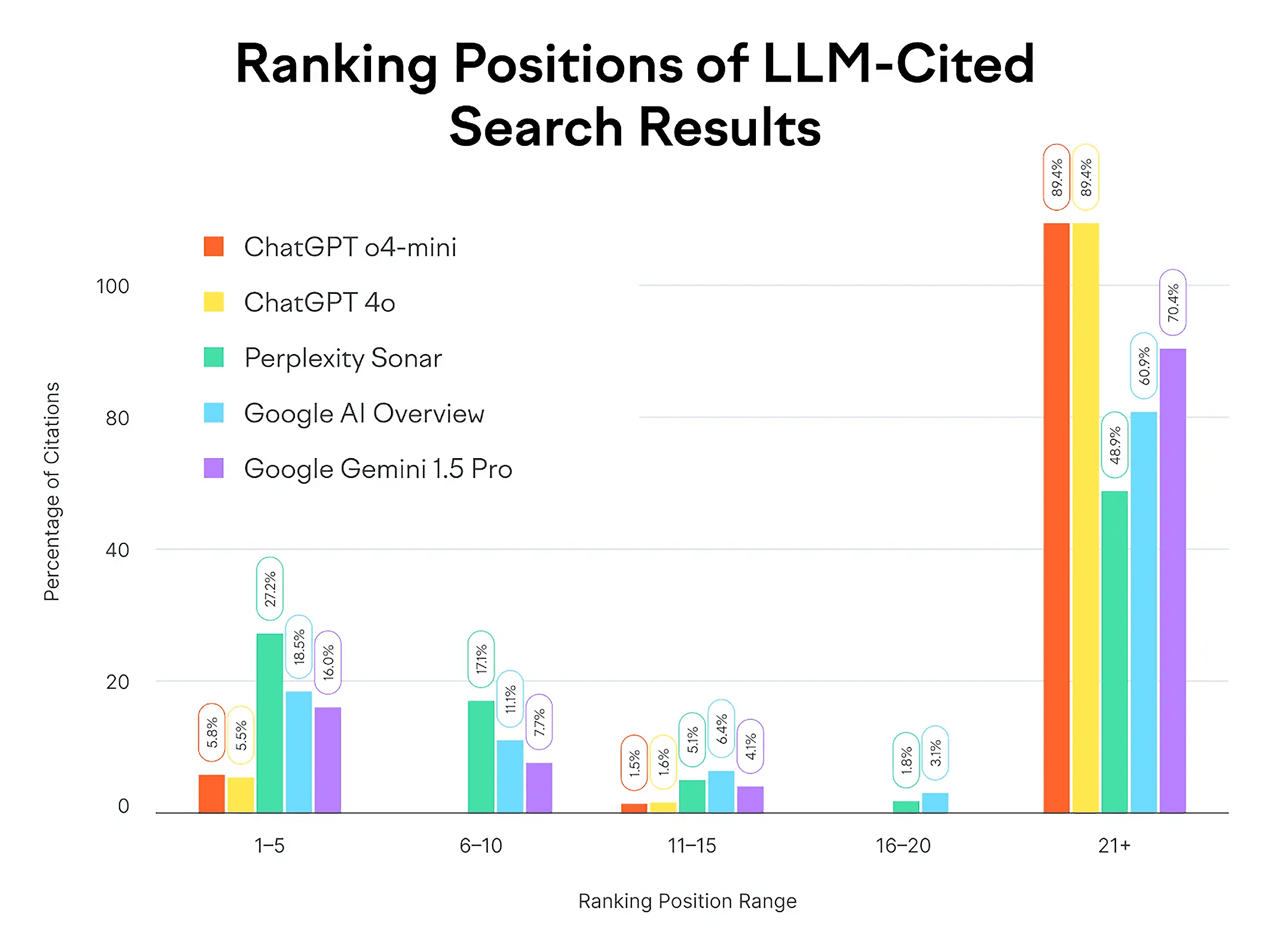
In the past, one high-volume keyword could drive massive traffic to a single page. Today, AI models are "passage-aware." They do not just index pages; they index specific segments of text. Data indicates that ChatGPT cites pages in the 21+ ranking position nearly 90% of the time, provided that the content on those pages directly answers a specific sub-query.
2. The Rise of Topic Clusters
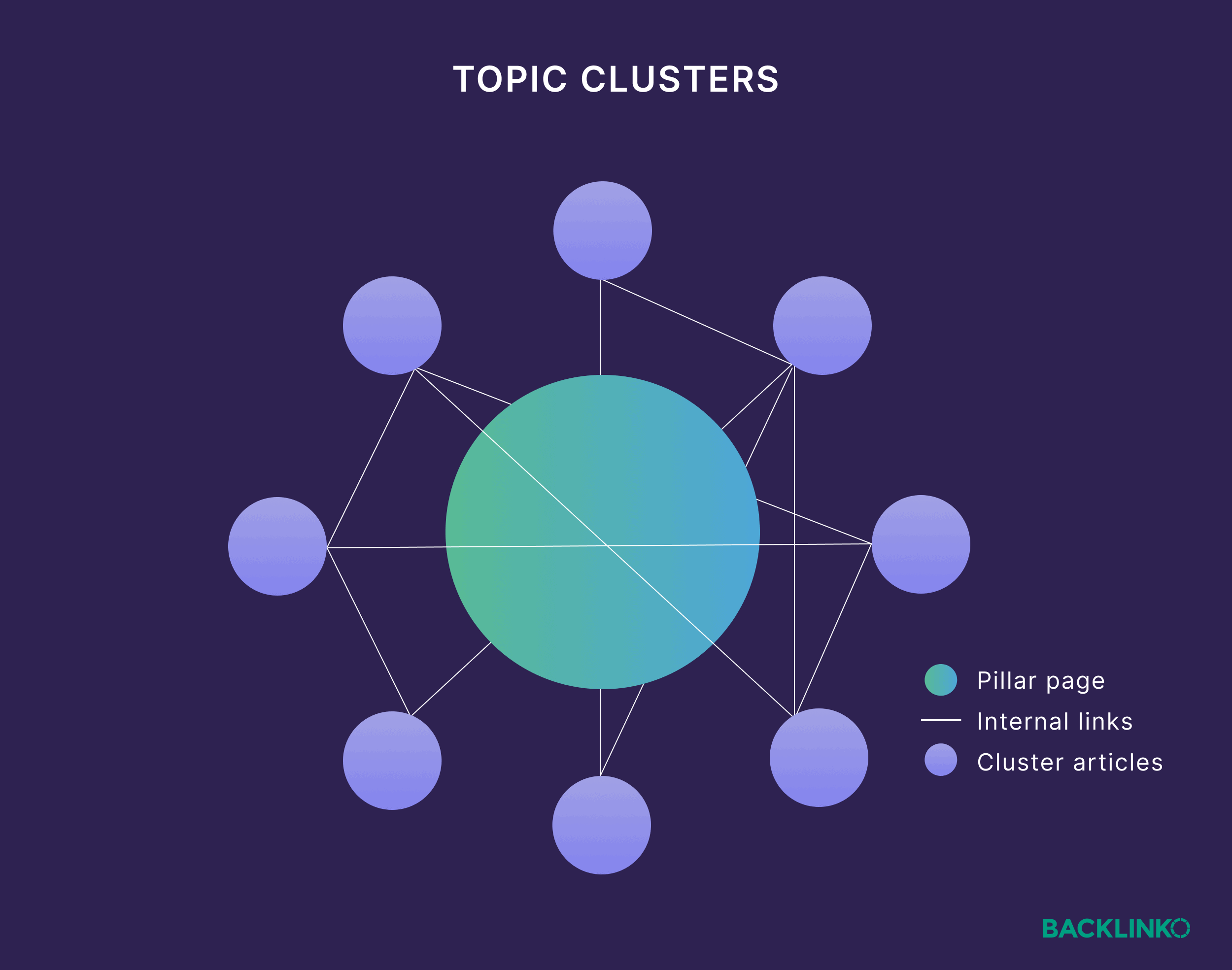
Because AI synthesizes information to build a complete picture, it prioritizes sites that demonstrate "topical authority." If you only have one article on a topic, you are easily bypassed. If you have a robust cluster of content—pillar pages, supporting comparison articles, and troubleshooting guides—you are much more likely to be the source for multiple sub-queries, increasing your chance of being cited as an authority.
3. Collapsing the Buying Journey
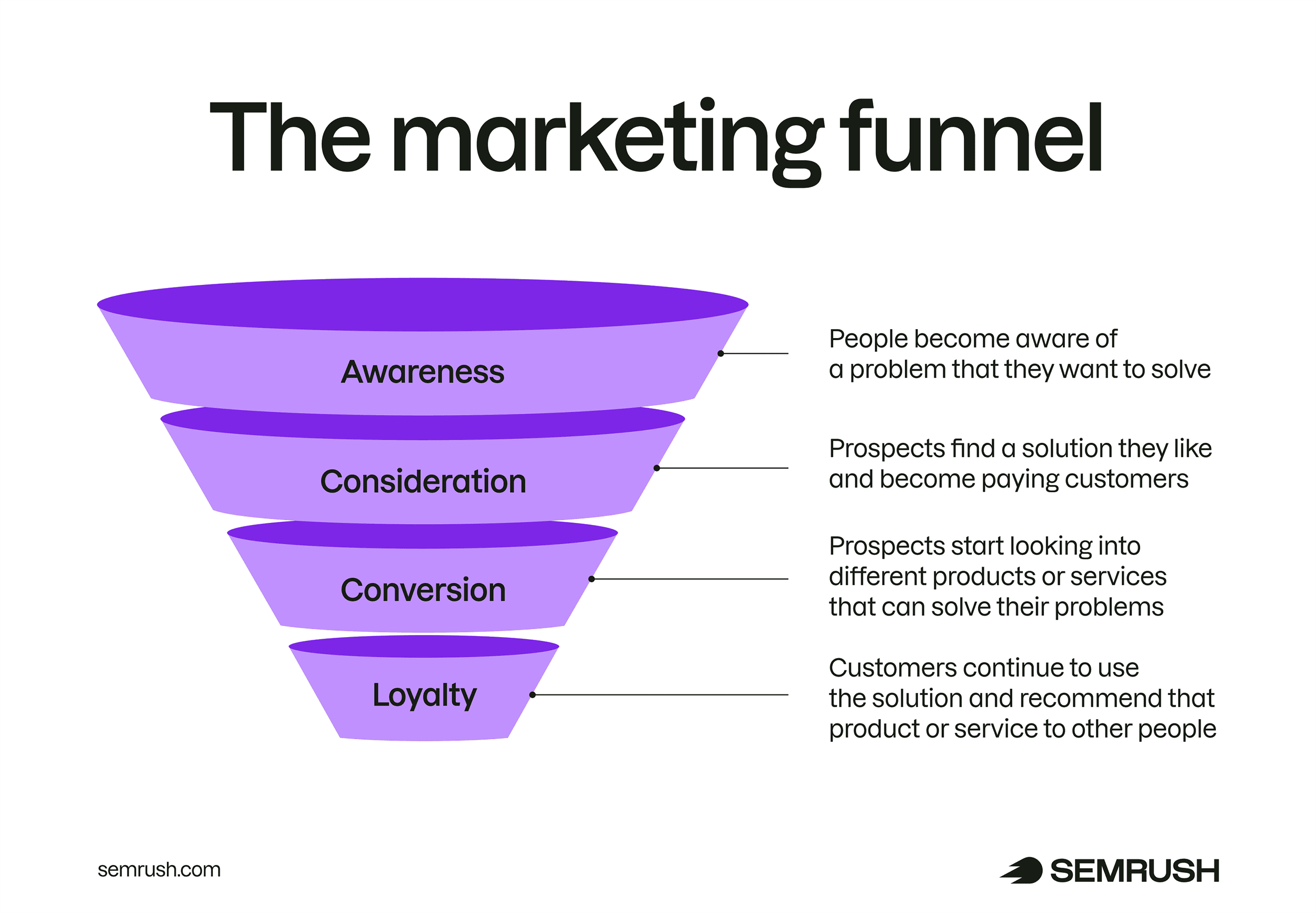
The classic marketing funnel—Awareness, Consideration, Decision—has been flattened. A user now asks one high-intent question, and the AI serves them a summary that includes awareness-level context, consideration-level comparisons, and decision-level specifics. Brands that fail to provide content for every stage of this journey will find themselves excluded from the AI’s final, synthesized answer.
The Query Fan-Out Workflow: A 6-Step Strategy
To regain control of your AI visibility, you must adopt a systematic approach to content creation.

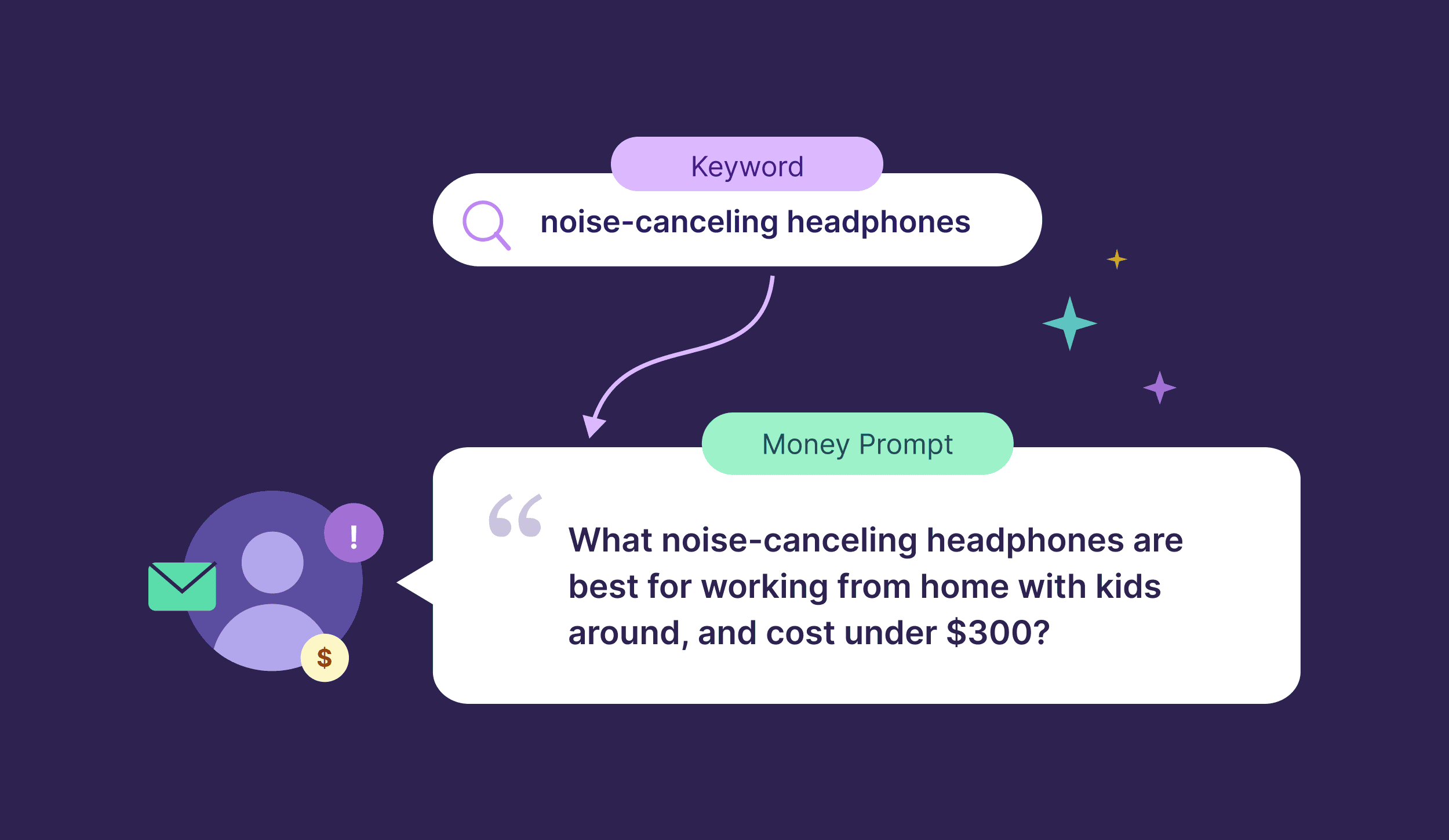
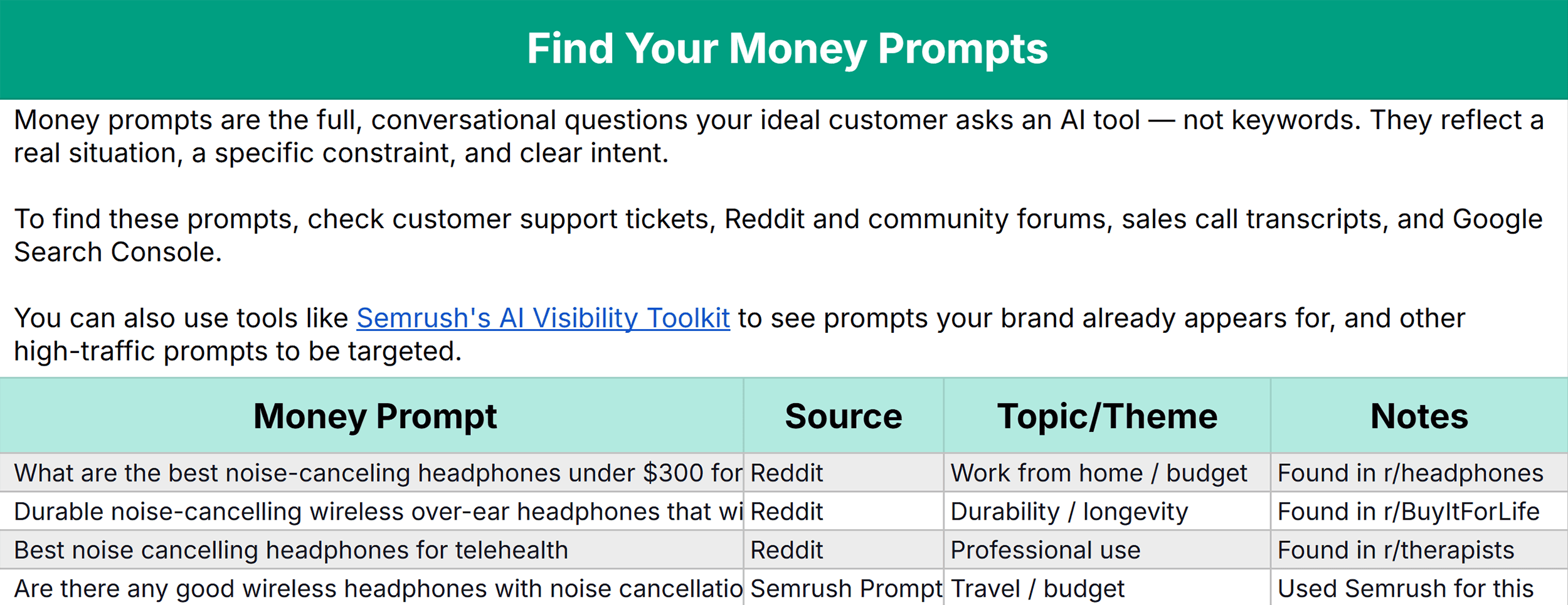
Step 1: Identify Your "Money Prompts"
Money prompts are high-intent, conversational questions that your ideal customer asks when they are ready to solve a specific problem. While a "keyword" might be "noise-canceling headphones," a "money prompt" is: "What noise-canceling headphones are best for working from home with kids, and cost under $300?"

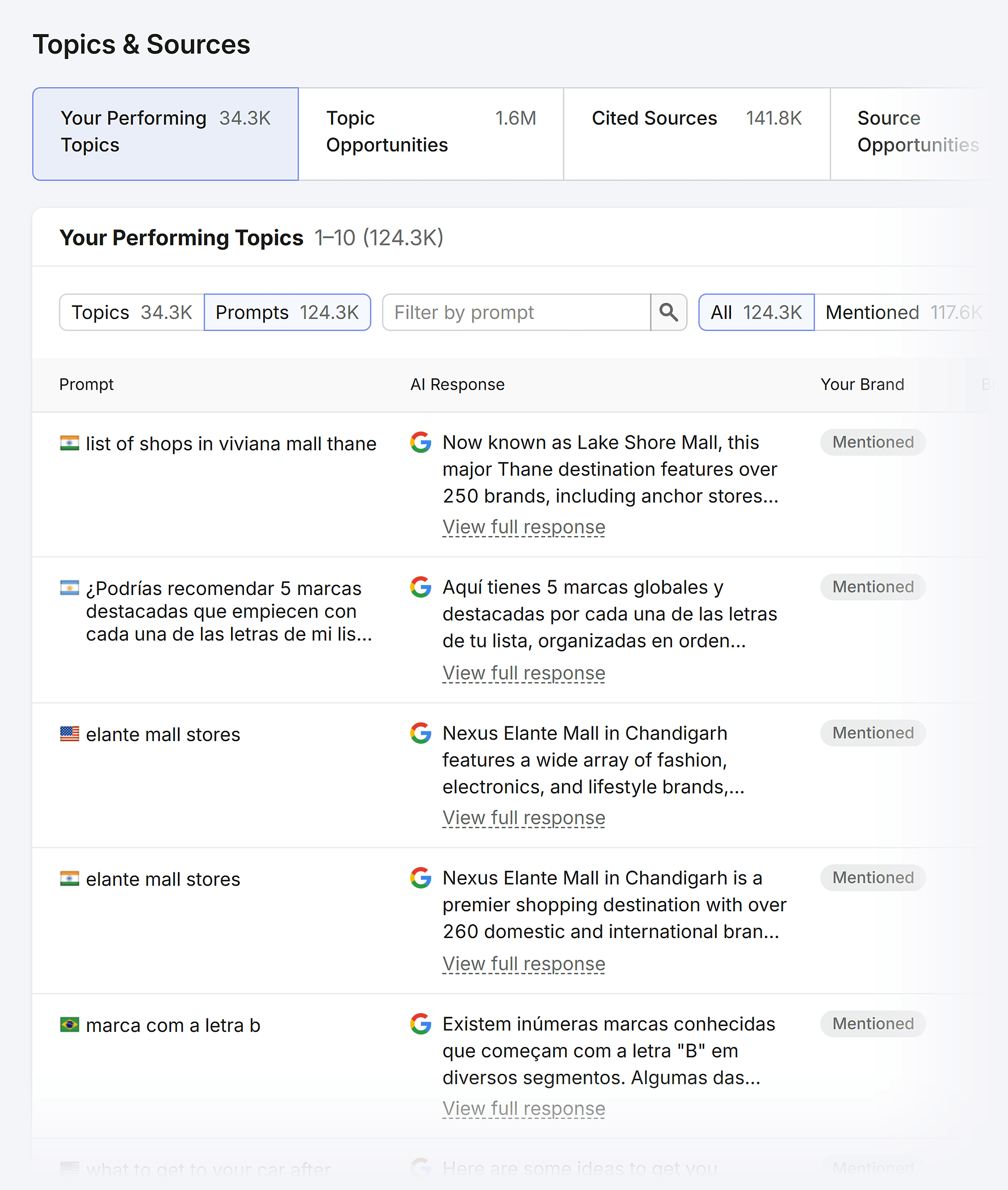
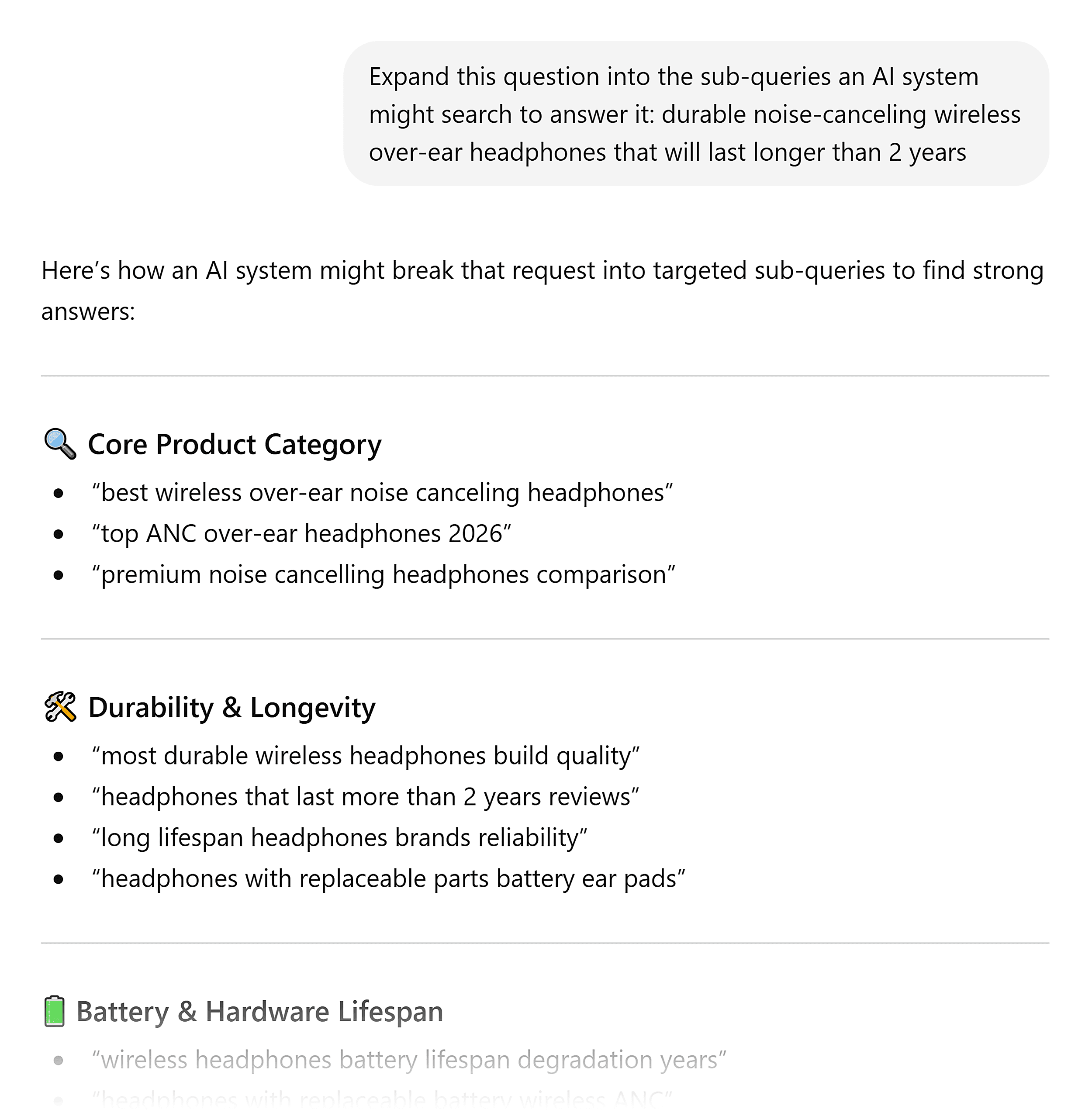
Step 2: Generate Your Fan-Out Set
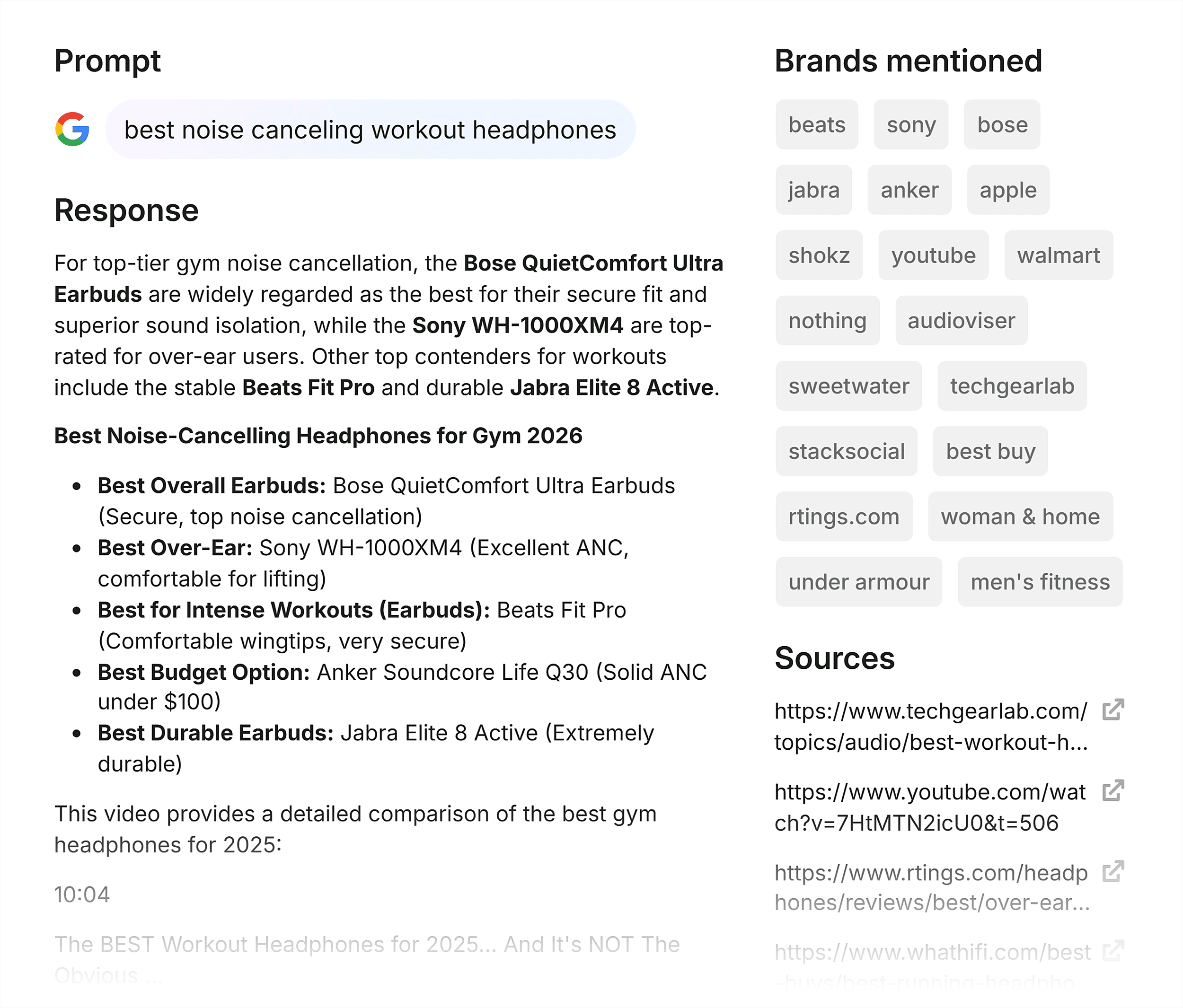
You must determine what the AI "sees" when it evaluates your topic. You can use manual methods (asking ChatGPT for related questions) or specialized AI Visibility toolkits to map out exactly what sub-queries are being triggered in your niche.
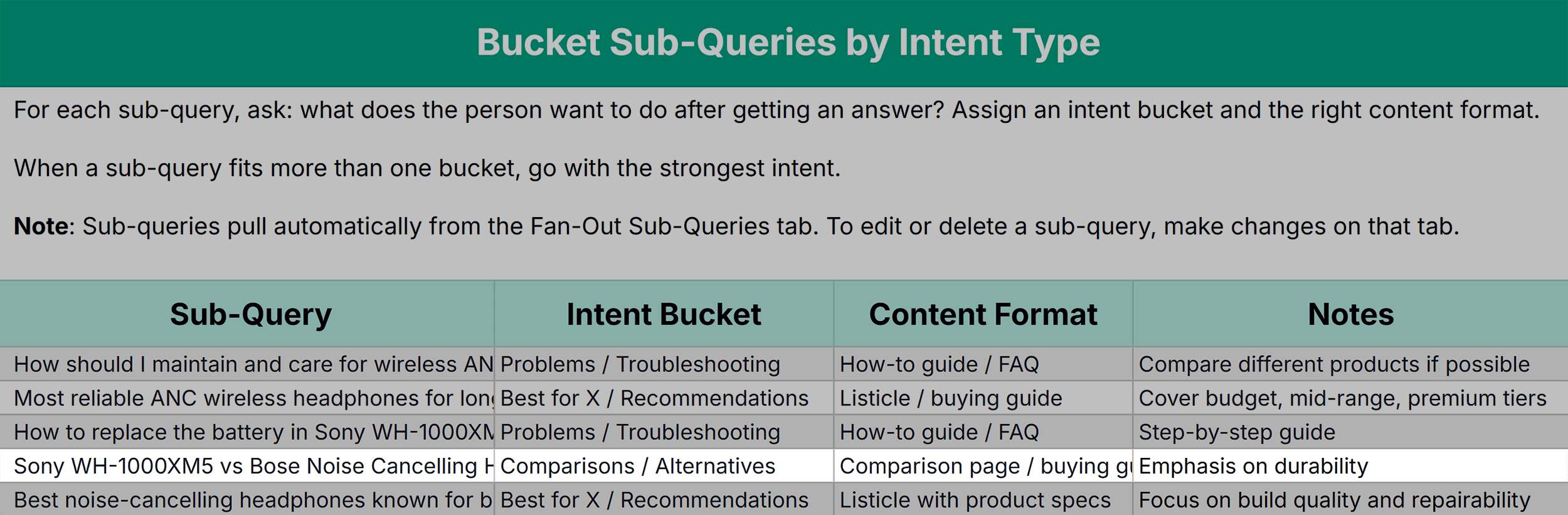
Step 3: Bucket by Intent
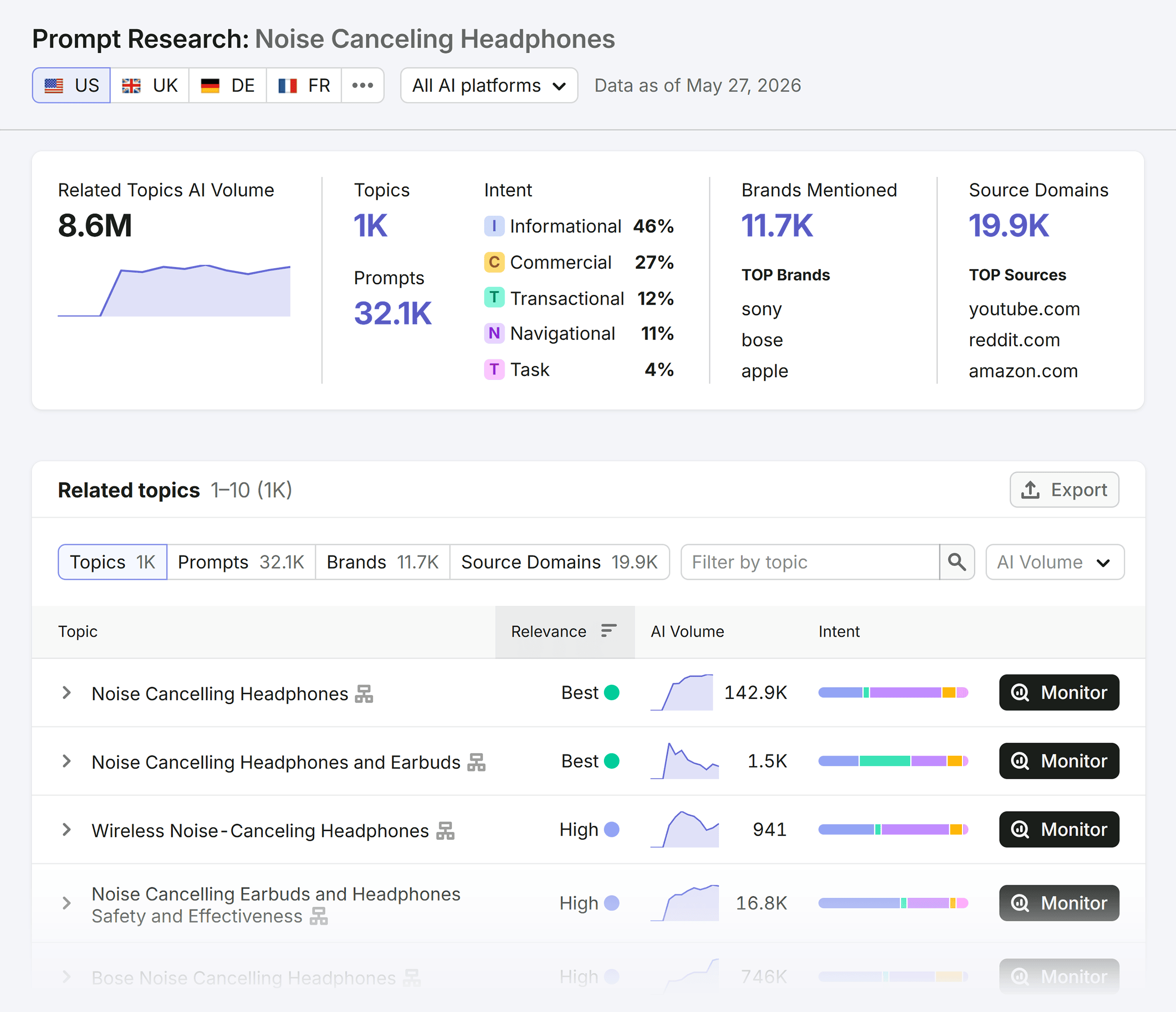
Once you have your sub-queries, categorize them. Is the intent Informational (Definitions), Commercial (Comparisons), or Transactional (Pricing)? By bucketing these, you can align specific content formats—such as comparison tables or "how-to" guides—to the exact intent of the user.
Step 4: Audit for Content Gaps
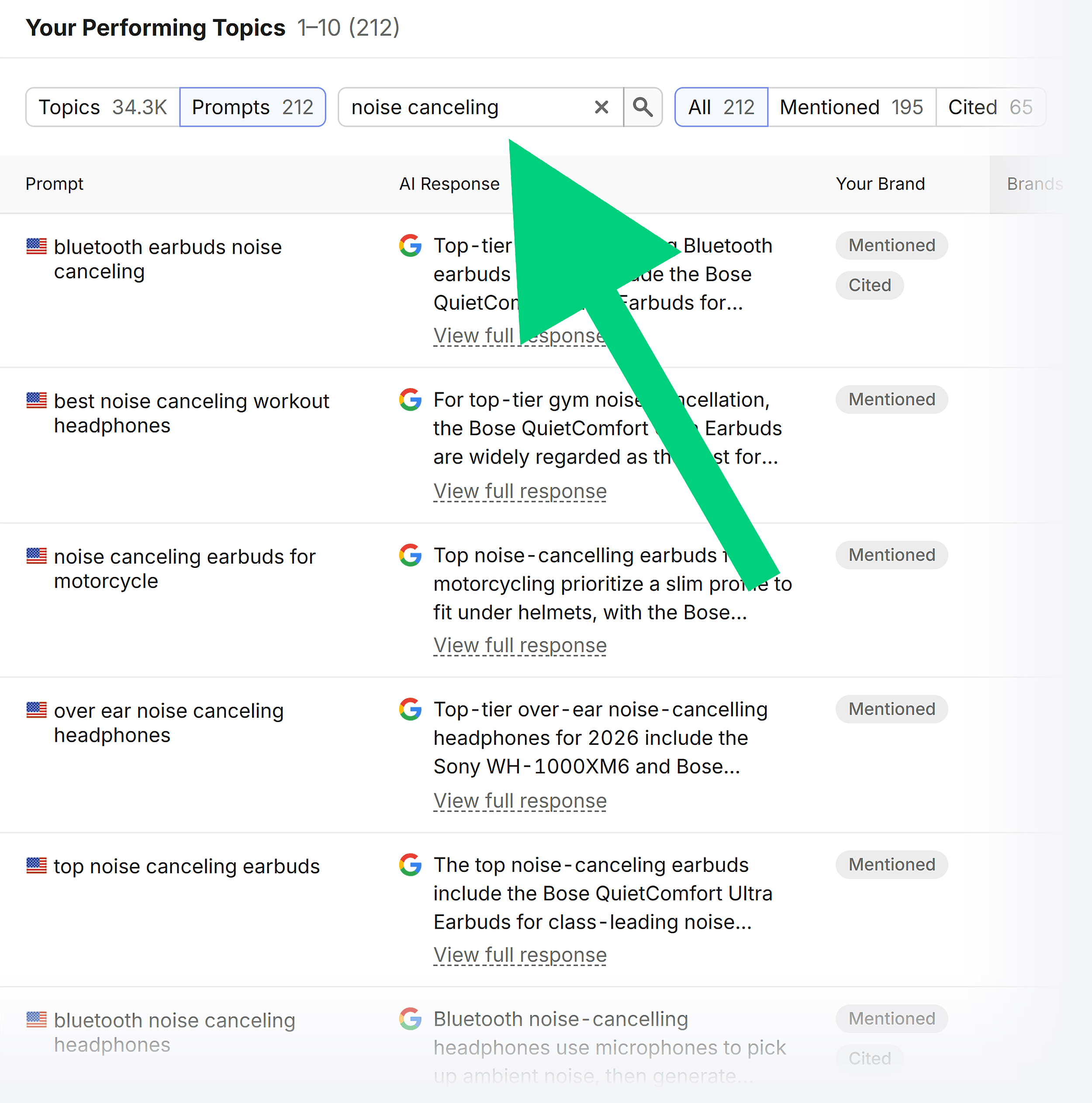
Use the site:yourdomain.com [topic] search operator to see what you already have. You will likely find that you have "partially covered" topics. The goal is to move these to "fully covered" by adding self-contained sections that resolve the sub-query without requiring external context.
Step 5: Optimize for Extractability
AI prefers structured, clean data.
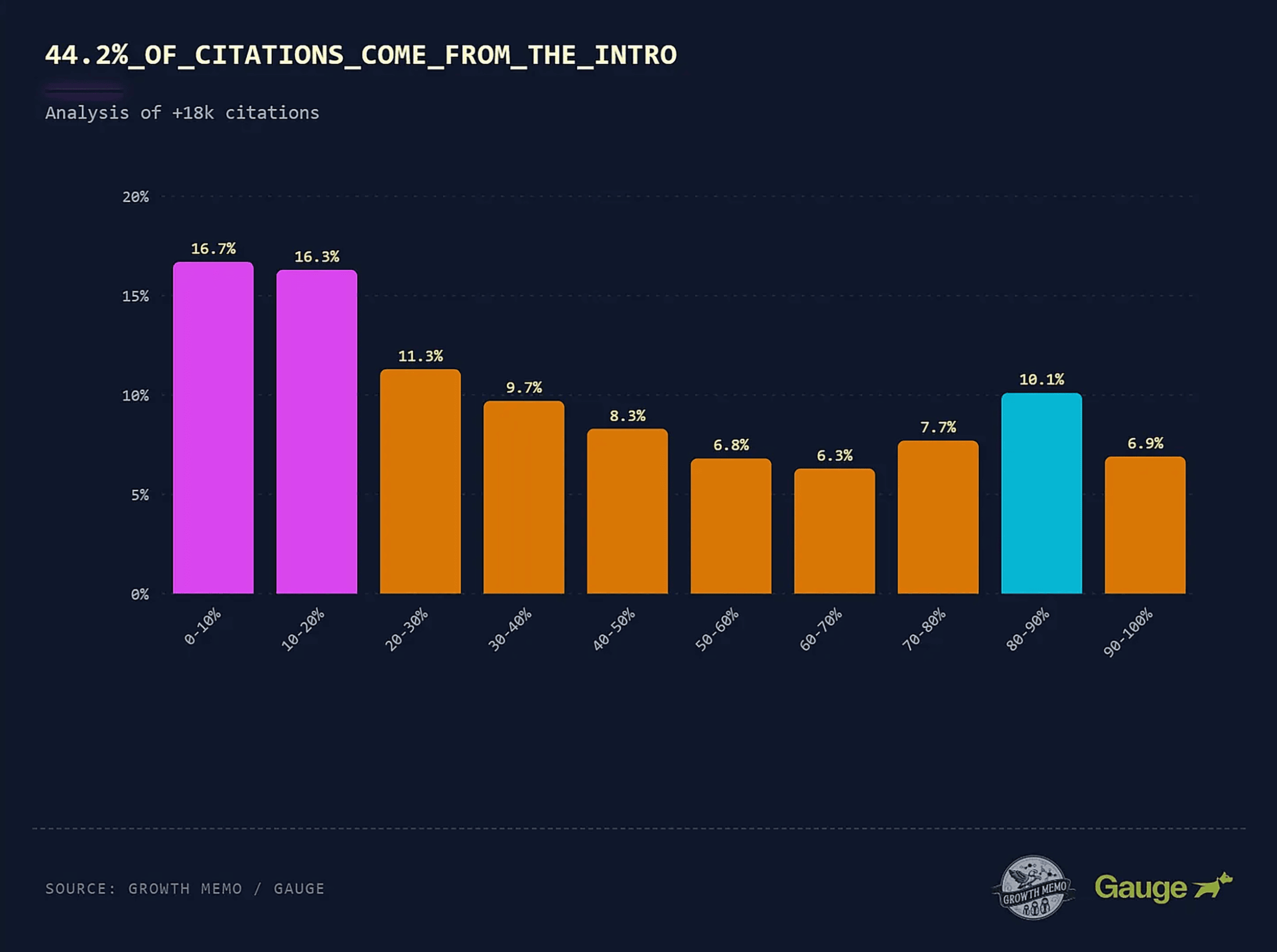
- Front-load answers: Place the core information in the first 30% of your content.
- Use descriptive subheadings: Use H2s and H3s that mirror the sub-queries you identified.
- Structured Data: Use schema markup to help machines understand your content hierarchy.
- Scannable elements: Use bullet points and tables to make key facts "extractable."
Step 6: Measure and Iterate
Monitor your AI visibility score. If a competitor is consistently appearing in the citations for your "money prompts," analyze their content. Are they using better tables? Is their language more specific to the user’s scenario? Update your content to match the depth and clarity of the winning source.
Implications for Future Strategy
The rise of query fan-out is a win for the user, as it provides faster, more accurate answers. For content creators, it demands a pivot from "keyword volume" to "information density."
The bottom line: You are no longer writing for a search engine bot that counts backlinks; you are writing for an intelligent system that evaluates relevance, coverage, and structure. Brands that prioritize being the most helpful, clear, and comprehensive source—rather than just the highest-ranking one—will dominate the AI-search era.
By mapping your content to the "fan-out" sub-queries that matter most to your audience, you ensure that when the AI goes looking for answers, it finds yours.