In the high-stakes world of B2B marketing, the "attendee list" has long been considered the holy grail of conference sponsorship. For decades, CMOs and demand generation managers have viewed the acquisition of a comprehensive attendee database as the primary KPI for event participation. However, a seismic shift is occurring in the industry. The most prestigious B2B gatherings are no longer selling access to mass data; they are curating environments for high-intent, human-centric discovery.
If you are a sponsor expecting a spreadsheet of thousands of emails as a return on your investment, industry experts warn that you are looking at the wrong metric—and perhaps choosing the wrong events.
The Evolution of Event Strategy: From Data Mining to Intent Harvesting
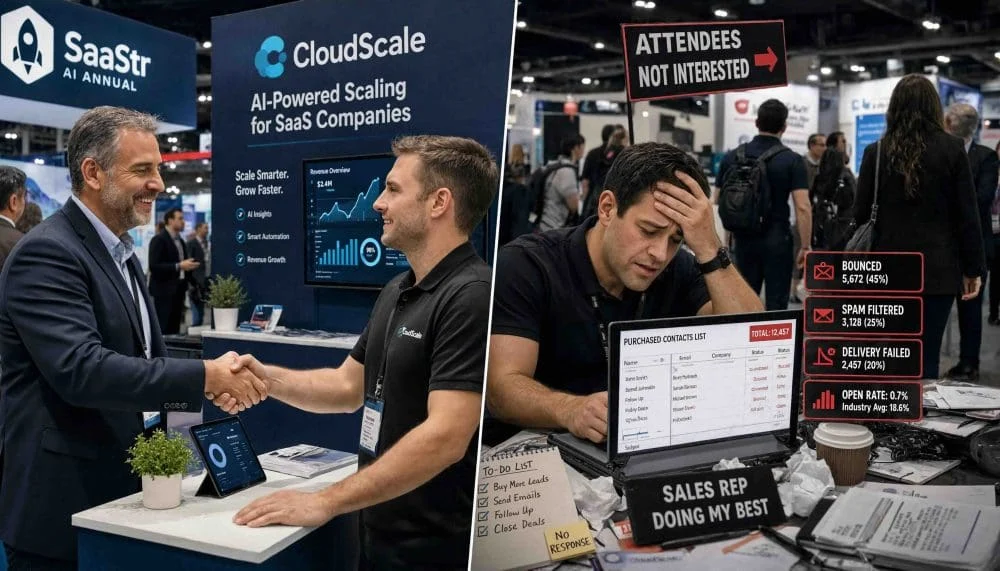
Historically, event organizers operated on a volume-based model. Sponsors paid premium prices for floor space, and in return, they were often handed "the list" of every individual who walked through the doors. This approach, while satisfying for internal reporting, often resulted in low-conversion cold outreach campaigns that ultimately eroded the brand equity of the sponsor and the reputation of the event organizer.
In recent years, the landscape has changed. Top-tier events, such as the SaaStr AI Annual, have pioneered a philosophy that prioritizes quality over quantity. The core argument is simple: if an event is willing to hand over a raw list of attendee data, they are implicitly admitting that they cannot offer you a superior, high-intent audience. If the attendees were truly valuable, the organizer would protect their data, privacy, and experience from being commoditized into a spam list.
Why "The List" is a Red Flag
When a conference organizer promises a blanket data asset, it is often a signal of three underlying issues:
- Poor Attendee Quality: If the attendees are not high-value decision-makers, they are not "worth" protecting.
- Low Attendee Engagement: If the conference content is weak, organizers rely on the sale of sponsor packages to inflate their revenue, often sacrificing attendee privacy to do so.
- The "Spray and Pray" Fallacy: It encourages sponsors to adopt a bulk-email strategy that annoys potential buyers rather than solving their problems.
Chronology of the Shift: The Death of the Mass-Email Era
The transition away from mass data distribution didn’t happen overnight. It was driven by a convergence of regulatory pressure and shifting buyer behavior.
- 2018–2020 (The GDPR/CCPA Catalyst): As data privacy regulations like the General Data Protection Regulation (GDPR) in Europe and the California Consumer Privacy Act (CCPA) came into effect, organizers faced massive legal hurdles regarding the selling or sharing of attendee data. This forced a move toward opt-in models.
- 2021–2023 (The Post-Pandemic Quality Reset): As live events returned, the "Zoom fatigue" effect created a premium on face-to-face interaction. Buyers became more protective of their time. They weren’t attending events to be "sold to" via email; they were attending to find specific solutions to complex problems.
- 2024–Present (The AI-Driven Curation Era): We are now in the age of algorithmic matching. Modern events use AI-driven tools to connect buyers with sellers based on specific intent signals rather than broad demographic categorization.
Supporting Data: Intent Over Volume
To understand the shift in ROI, one must look at the performance metrics of modern, high-intent events. At SaaStr AI Annual, the data suggests that sponsors are seeing greater success by abandoning the "list" mindset.
The Math of Qualified Interaction
- Average Qualified Leads: Sponsors at top-tier events now average over 470 qualified leads per event. These are not just emails; they are individuals who have actively engaged in conversation, participated in a demo, or opted into a follow-up.
- The Power of "Who Do You Want to Meet": Specialized matchmaking programs—where attendees proactively flag the vendors they need to see—are generating 50 to 100+ additional high-value leads per sponsor. These are not leads that have been "caught"; these are leads that have "reached out."
- The Conversion Delta: Internal studies from top B2B firms suggest that leads generated through an opt-in or meeting-request model convert at a rate 3x to 5x higher than those pulled from a raw, non-consensual attendee list.
The Mechanics of Intent: How Real Discovery Works
The real value of a B2B event lies in the "discovery phase" of the buyer’s journey. When a VP of Engineering or a CTO walks an expo floor, they are not there to browse randomly. They are there because they have a budget, a pain point, and a mandate to solve a problem before the next fiscal quarter.
Intentional Interaction vs. Passive Collection
- The Booth Conversation: This is the baseline. It allows for the immediate qualification of a lead. Is the buyer in the market now? Do they have the budget? Does your product fit their tech stack?
- Pre-Scheduled Meetings: By utilizing event platforms to schedule meetings before the doors open, sponsors ensure they are speaking with decision-makers, not just passersby.
- Badge Scanning with Consent: Modern badge scanning is no longer just a digital business card swap. It is a handshake that signifies: "I am interested in what you have to say."
Official Perspectives: The Philosophy of the Organizer
The consensus among elite event organizers is clear: The attendee’s trust is the product. If an organizer violates that trust by selling an attendee’s personal information to every sponsor on the floor, the attendee will stop coming.
"If you treat your attendees like a herd of cattle to be sold, they will eventually leave your pasture," says one industry analyst. "Top-tier organizers understand that their job is to act as a matchmaker, not a data broker. The sponsors who get this—who arrive with their A-team, ready to provide value and insight rather than just a QR code and a brochure—are the ones who walk away with the highest revenue growth."
Implications for Future B2B Marketing
As we look toward the future, the implications for marketing teams are profound. To succeed in the modern event landscape, CMOs must pivot their strategy in three key areas:
1. From "Lead Quantity" to "Account Quality"
Stop tracking how many emails you collected. Start tracking how many "Account-Based Marketing" (ABM) targets you engaged with. A single meeting with a Fortune 500 decision-maker at an event is worth more than a thousand unqualified email addresses.
2. Investing in the "A-Team"
If the goal is high-intent discovery, sending junior staff to sit at a booth and hand out swag is a waste of capital. Events now require senior sales engineers, product experts, and executives who can navigate complex technical conversations on the spot.
3. The "Discovery" Mindset
Recognize that your buyers are using events to research. If your messaging is focused solely on "closing" rather than "consulting," you will miss the mark. Buyers want to compare your solution against the competition in real-time. Lean into that. Show them why you are the best, but be prepared to engage in an honest, transparent evaluation.
Conclusion: The New Metric of Success
The era of "The List" is officially coming to a close. While it may have provided a sense of security in the past, it was a vanity metric that masked the deeper, more significant work of relationship-building.
The most successful B2B sponsors in the current landscape are those who have stopped hunting for data and started building relationships. By shifting the focus to intentional, human-centric interaction, they are not only securing higher-quality leads but also aligning their brand with the needs of the modern buyer. In the end, the most valuable asset you can walk away with from an event is not a spreadsheet—it is a conversation that leads to a contract.