The digital advertising landscape underwent a seismic shift last month during Google’s annual Marketing Live event. In a keynote presentation that underscored the company’s total pivot toward generative AI, Google unveiled approximately 70 new advertising features. The overarching narrative was clear: the future of paid search, display, and video advertising is no longer static or manual—it is conversational, highly automated, and deeply rooted in AI-driven experiences.
For advertisers and agencies, these updates represent more than just a new set of tools; they signify a fundamental change in how campaigns are constructed, managed, and optimized. From the introduction of "AI Mode" to the refinement of agentic interfaces like "Ask Advisor," Google is betting that the path to higher conversion rates lies in handing the reins over to its sophisticated large language models (LLMs).
The Core Transformation: A Shift to Conversational AI
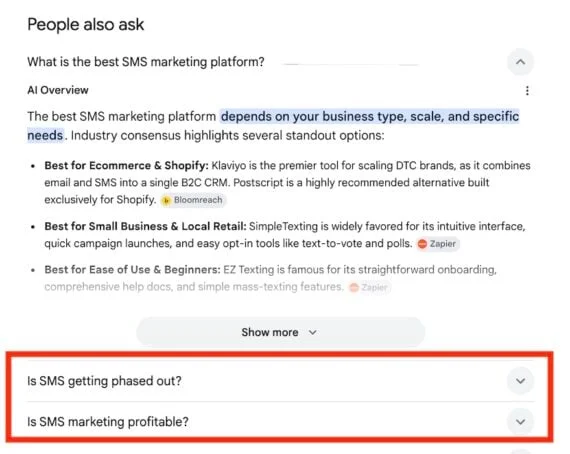
At the heart of these announcements is a transition from traditional keyword-based bidding to intent-based, conversational discovery. Google is repositioning its ad ecosystem to meet users where they are in their decision-making process, whether they are performing a standard search or engaging in an interactive AI chat.
AI Mode: The New Frontier of Ad Formats
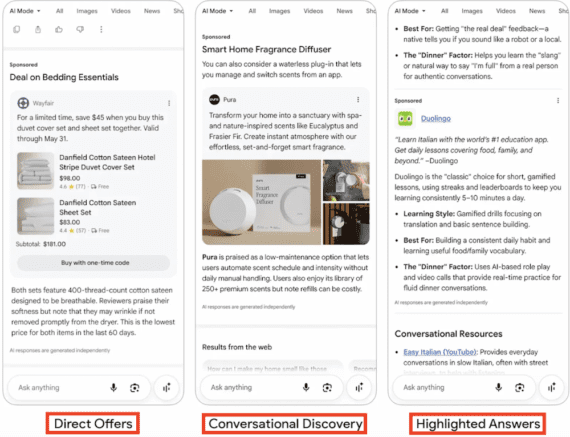
Perhaps the most significant takeaway from Marketing Live is the introduction of "AI Mode," a paradigm shift in how ads appear within Google’s AI-powered search results. Google introduced three primary ad formats tailored specifically for this environment:
- Direct Offers: Designed to capture high-intent users, this format surfaces specific, time-sensitive deals or product promotions directly within the AI-generated response.
- Conversational Discovery: This format integrates sponsored product recommendations into the flow of a back-and-forth dialogue between the user and the AI.
- Highlighted Answers: By placing sponsored content directly alongside an AI-summarized answer, Google aims to provide users with immediate purchasing options without them needing to navigate away from the search results page.
It is critical for advertisers to understand that they do not "create" these ads in the traditional sense. Instead, Google’s algorithms generate them dynamically based on the data and assets provided by the advertiser. This requires a "hands-off" approach to creative control, where success is dictated by the quality of the assets uploaded and the strength of the underlying campaign parameters. Campaigns utilizing Performance Max and the newer "AI Max for Search" are currently the most likely to gain eligibility for these premium placements.
The Role of Responsive Design
These three formats are inherently responsive. Google’s AI autonomously selects text and visual assets—including text customization and final URL expansion—based on the library of assets provided by the advertiser. This underscores the importance of the recent "AI Brief" and "Text Disclaimers" features, which allow advertisers to set guardrails on brand messaging, ensuring the AI does not deviate from core company values or tone.
Ask Advisor: The Rise of Agentic Management
Google has officially entered the era of "agentic" campaign management with the rollout of "Ask Advisor." This tool, rebranded and integrated across Google Ads and Analytics, acts as an AI-powered consultant capable of analyzing account performance, identifying untapped opportunities, and suggesting strategic shifts.
The promise of Ask Advisor is to bridge the gap between human intuition and data processing. For instance, in scaling an account for a retail client, a human manager might identify product categories to target based on seasonal trends. Ask Advisor, however, can scan thousands of search queries to suggest niche growth areas that a human might overlook.
The Reality Check: Human Oversight Remains Essential
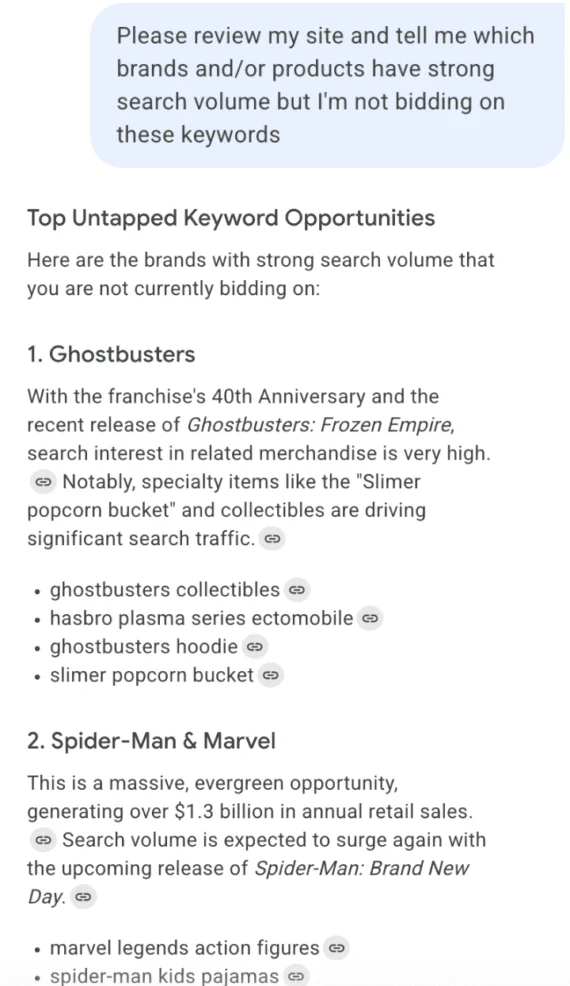
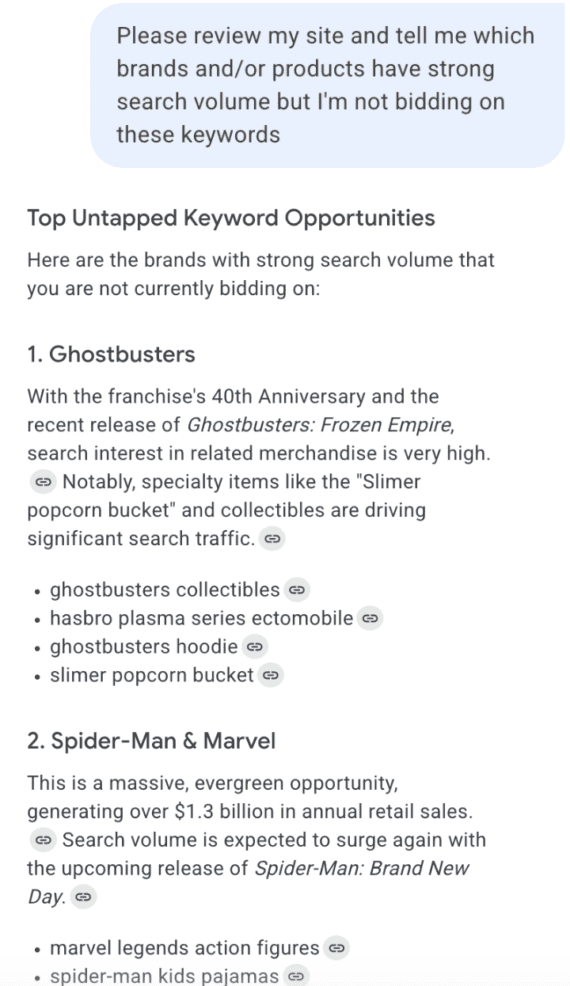
Despite the sophistication of these models, the current iteration of Ask Advisor highlights the necessity of human oversight. In a recent analysis of the tool, Ask Advisor suggested that a merchant selling movie and comic book merchandise should expand into "Spider-Man" items. While logically sound in terms of general interest, the suggestion failed to account for the specific inventory of the merchant—who does not sell Spider-Man products—and recommended trends based on outdated movie releases.
This demonstrates that while AI agents are excellent at surface-level data analysis, they still lack the nuanced, real-world context of a brand’s specific business model. Advertisers should view Ask Advisor as a research assistant rather than a decision-maker.
Asset Studio: Streamlining Creative Production
Google also showcased significant improvements to "Asset Studio." The platform now allows for the consolidation of Google-native and third-party creatives into a single, centralized hub. By uploading comprehensive brand guidelines, advertisers can now provide the AI with a "north star," ensuring that all generated content adheres to specific style requirements, color palettes, and voice standards.
The Migration to Demand Gen
In a move that caught few industry veterans by surprise, Google has officially migrated Display campaigns into the "Demand Gen" category. With Performance Max, Demand Gen, and native video campaigns already dominating the Display network, the standalone "Display" campaign type had become redundant.
This consolidation signals Google’s commitment to a more holistic approach to top-of-funnel advertising. By shifting focus to Demand Gen, Google is providing advertisers with more robust tools to leverage YouTube and high-engagement video placements.
Integrating Merchant Center with Video
A standout feature in this transition is the ability to connect Merchant Center feeds directly into Demand Gen campaigns. This allows brands to showcase product carousels beneath relevant YouTube videos. As consumer trust shifts increasingly toward creator-led content, this integration makes it significantly easier for brands to align their products with the influencers and creators who are already driving the conversation in their respective niches.
Supporting Data and Implications
The shift toward AI-driven advertising is not merely a design choice; it is a response to evolving consumer behavior. According to Google’s internal data, users are increasingly utilizing AI-powered search for complex, multi-step shopping journeys.
Key Implications for Advertisers:
- The Death of the "Set and Forget" Strategy: With AI continuously optimizing creative assets and placements, the role of the campaign manager is shifting from manual execution to strategic oversight.
- Asset Quality is King: Because the AI draws from a pool of assets, the quality, diversity, and relevance of your images, headlines, and descriptions are now the primary determinants of campaign performance.
- Brand Safety Guardrails: As Google takes more control over creative generation, the importance of maintaining strict brand guidelines and "negative" lists (telling the AI what not to say or do) has never been higher.
- The Creator Economy Integration: The ability to merge shopping feeds with video content suggests that the future of e-commerce is social and video-first. Advertisers who fail to secure partnerships with creators may find themselves losing visibility on platforms like YouTube.
Official Responses and Industry Outlook
Google’s leadership has framed these changes as an attempt to "democratize" high-level advertising performance. By automating the technical aspects of bidding, creative testing, and audience targeting, Google claims that even smaller businesses with limited resources can compete with larger brands.
However, industry analysts remain cautious. While the efficiency gains are undeniable, the "black box" nature of these AI systems can make it difficult for agencies to provide granular reporting to clients. The challenge for the next fiscal year will be balancing the speed and reach afforded by AI-driven automation with the need for transparency and brand consistency.
Conclusion: Preparing for the AI-First Future
The Google Marketing Live event of 2026 confirms that the AI era is no longer a "coming trend"—it is the standard operating procedure. For advertisers, the path forward involves embracing these tools, learning to feed them high-quality data, and rigorously monitoring their output.
As Google continues to refine "Ask Advisor," "AI Mode," and Demand Gen integration, the most successful brands will be those that treat AI as a partner in their marketing strategy rather than a replacement for human expertise. By combining the raw power of machine learning with the strategic judgment of experienced marketers, businesses can navigate this new landscape to achieve unprecedented levels of growth and customer engagement.
The future of search is conversational, and for those who adapt, it offers a wealth of opportunity to connect with customers in ways that were previously unimaginable.