Google has officially rolled out its dedicated "Generative AI" reporting section within Google Search Console, marking a pivotal shift in how webmasters and SEO professionals track their visibility in an era dominated by AI-powered search results. As Google continues to integrate its Search Generative Experience (SGE) and AI Overviews into the core search journey, this new tool aims to provide transparency into how, where, and when content appears within these evolving interfaces.
However, the rollout has sparked significant debate regarding the definition of "visibility" and the utility of the metrics provided. While the industry welcomes the data, the nuances of how these impressions are calculated—and the lack of granular filtering—suggest that site owners must approach this new data with a healthy dose of skepticism.
Main Facts: What is the Generative AI Report?
Located under the Performance > Search Results > Generative AI tab in Search Console, this report is designed to track a URL’s presence within AI-driven search features. Specifically, the report monitors visibility in:
- AI Overviews: The summaries generated by Google to answer complex queries directly on the search results page.
- AI Mode: The dedicated conversational search experience.
- Google Discover: GenAI-enhanced features that appear within the personalized Discover feed.
The fundamental metric provided in this dashboard is "Impressions." Unlike traditional organic search metrics, which have been standardized for decades, the criteria for what constitutes an "impression" in the AI space are distinct, fluid, and often disconnected from traditional user engagement.

A Chronology of the Integration
The path to this release began with Google’s initial experiments in generative AI, which sent shockwaves through the SEO community regarding the potential "zero-click" future of search.
- Phase 1 (The Experimental Era): Google introduced Search Generative Experience (SGE) as an opt-in experiment via Search Labs. During this period, there was no reporting available for site owners, leaving them blind to whether their content was being consumed by the AI model.
- Phase 2 (The Beta Rollout): Following public outcry for transparency, Google began testing reporting features for a subset of users, providing basic data on AI-driven visibility.
- Phase 3 (General Availability): As of June 2026, the feature is now globally accessible, allowing every verified Search Console user to monitor how their pages are being leveraged by Google’s large language models.
Supporting Data: The "Impression" Paradox
The most controversial aspect of this new report is the metric of the "impression." According to Google’s John Mueller, an impression is triggered when a URL appears anywhere in an AI-generated answer. Crucially, this does not require a user to interact with, scroll to, or even see the URL in their viewport.
The Visibility Gap
In a standard Google search, an impression generally implies that a link was rendered on the user’s screen. In the world of AI Overviews, this definition is stretched significantly:
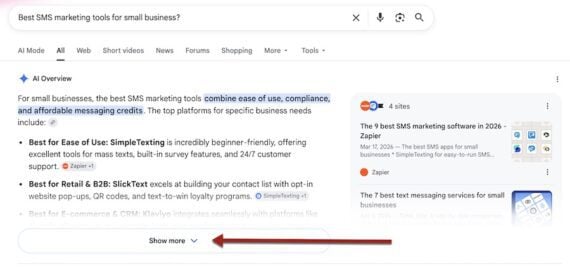
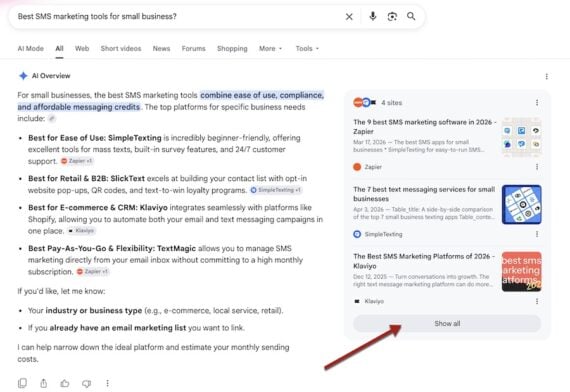
- The "Show More" Button: AI Overviews often provide a truncated summary. If a user clicks "Show more" or "Show all," the AI expands the answer to include additional citations. These URLs are counted as impressions the moment they are generated by the system—regardless of whether the user scrolls down to see them.
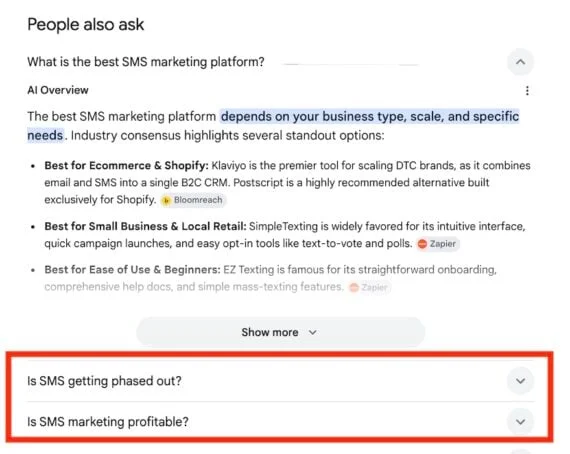
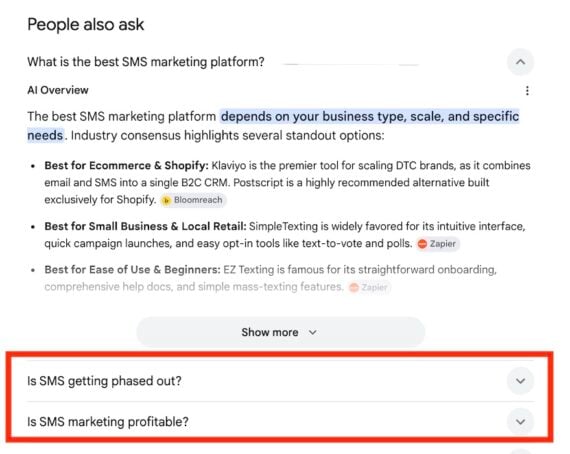
- The Interaction Lag: In some instances, such as "People also ask" (PAA) boxes that have been converted to AI-driven answers, no impression is recorded until the user explicitly clicks on the query.
- Follow-up Questions: When a user engages in a conversational loop, the cited URLs are counted as impressions in every subsequent turn of the conversation, potentially inflating the data for sites that are frequently cited in persistent AI sessions.
This creates a "vanity metric" risk. A site owner might see a high number of impressions in the Generative AI report, yet notice no corresponding increase in traffic or click-through rate (CTR). This discrepancy is not necessarily a failure of the content, but a reflection of how the UI handles citations.
Official Responses and Expert Guidance
Google’s communication regarding this update has been focused on transparency without compromising the proprietary nature of their ranking algorithms. John Mueller, in recent discourse on platforms like Bluesky, has clarified that these impressions are meant to be a directional indicator rather than a precise measurement of user attention.
Industry experts, such as Ann Smarty, have weighed in, noting that while the data is "better than nothing," it remains a "black box." The lack of click-through rate (CTR) data is a glaring omission. Without knowing if a user actually clicks the citation, webmasters are unable to determine if their presence in AI Overviews is providing any tangible ROI for their business.
Implications for E-commerce and Content Strategy
For e-commerce businesses, the implications of this report are multifaceted.
1. The Need for Data Exporting
Because the Search Console UI does not offer native filters to separate AI Overviews from, for example, AI-powered Discover feeds, users are advised to export their data to Excel or Google Sheets.
- Actionable Step: By exporting the full performance data, you can filter for specific query types and compare your "GenAI" visibility against your traditional "Organic" visibility. If a page has high AI impressions but low organic clicks, it may be time to optimize for informational, long-tail keywords that are more likely to be featured in an overview.
2. The Question of "Blocking" AI
Google has also introduced a new control center under Settings > AI controls > Search generative AI. This allows site owners to opt-out of having their content appear in these summaries.
However, the consensus among e-commerce SEOs is that blocking AI is generally counterproductive. While there is a fear of "cannibalization"—where the AI answers the user’s question so well they don’t need to visit the site—the risk of losing visibility in the most prominent part of the search results page is far greater. Even if the traffic is low, being cited as an authoritative source in an AI answer builds brand awareness and, in many cases, provides a "trust signal" that encourages users to click through to the site for the actual purchase.
3. Optimization for AI Visibility
How does one optimize for these reports? The strategy remains similar to traditional SEO, but with a heightened focus on:
- Structured Data: Ensuring your product schema and article schema are flawless.
- Entity Clarity: AI models thrive on clear, structured information. Using clear headings and bulleted lists helps the AI understand the context of your content.
- Direct Answers: Crafting concise, high-quality answers within your content that align with the queries most likely to trigger an AI Overview.
The Future of Search Performance
The introduction of the "Generative AI" report is a tacit admission from Google that the search landscape has changed forever. We are moving away from a "ten blue links" paradigm toward a "synthesized answer" paradigm.
While the current metrics are limited and arguably inflated, they represent the first step in a long journey toward accountability for AI-generated content. For webmasters, the priority should not be to chase these impressions, but to understand the nature of the queries triggering them. Are your products being recommended as solutions in these summaries? Are your brand-related questions being answered correctly by the AI?
The "Generative AI" section is not just a reporting tool; it is a diagnostic window into the new search engine. As the technology matures, it is expected that Google will refine these metrics, potentially introducing click-tracking and more robust attribution models. Until then, treat this data as a "barometer of presence"—a way to monitor your brand’s authority in the AI ecosystem rather than a bottom-line revenue indicator.
In conclusion, while the industry remains cautious, the widespread availability of this report is a welcome development. It forces a conversation about the value of content in an AI-first world and provides the necessary, if imperfect, data to begin navigating the future of search.