Welcome back to TechCrunch Mobility, your definitive source for the rapidly evolving landscape of global transportation and the AI-driven technologies reshaping how we move.
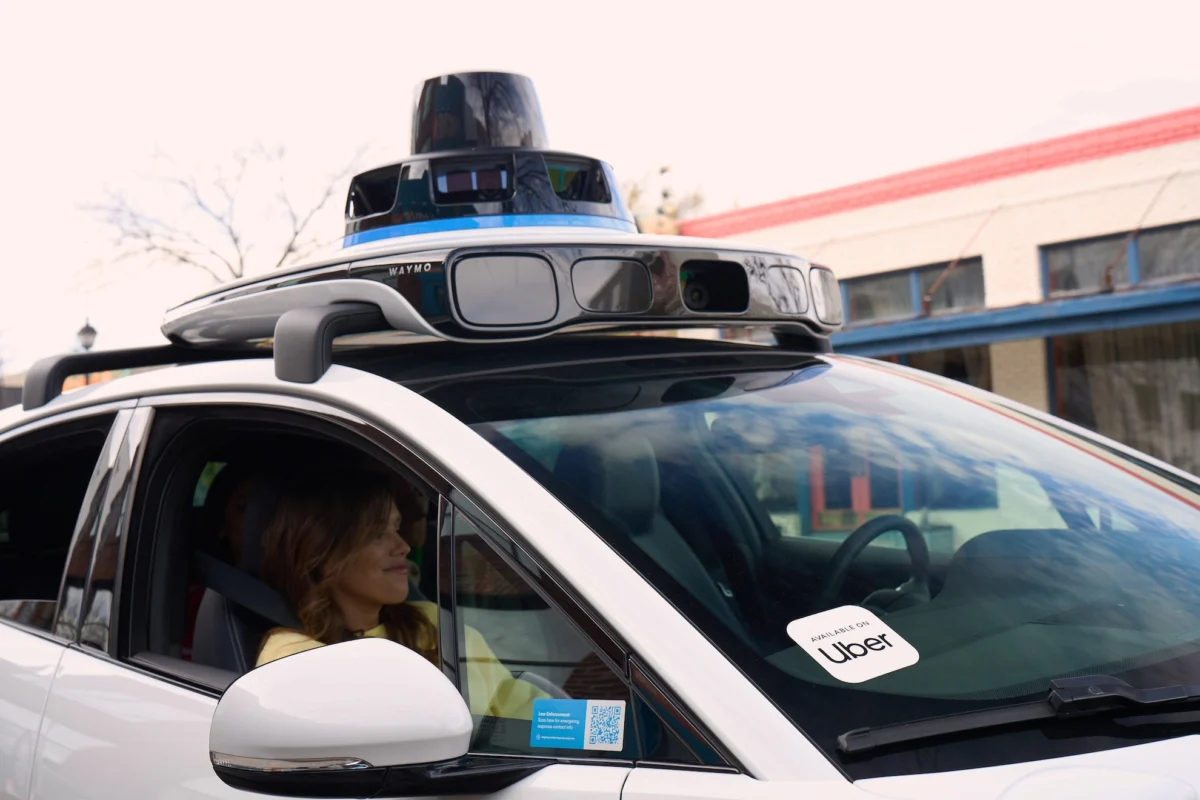
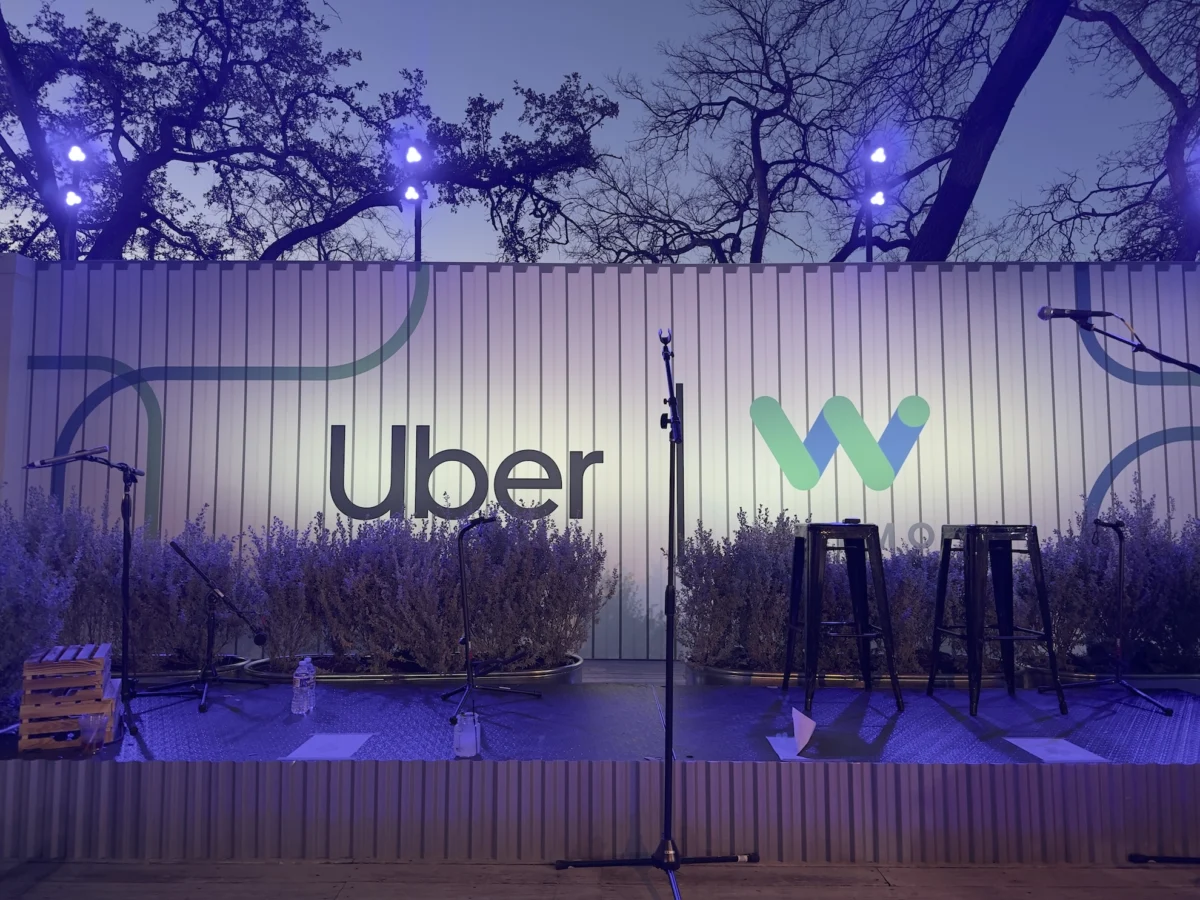
The uneasy alliance between ride-hailing titans and autonomous vehicle (AV) developers has officially reached a breaking point. What began as a cautious exploration of partnership has devolved into a high-stakes legislative war. As the autonomous industry inches closer to mass-market viability, the industry’s two most prominent players—Uber and Waymo—are no longer just competitors; they are ideological opposites.
The Collision Course: A Legislative Breakdown
For the past several weeks, I have been analyzing private correspondence and public testimony submitted to the D.C. Council, which is currently deliberating a transformative bill that would authorize the operation of autonomous vehicles within the District of Columbia.
My investigation confirms that the friction between Uber and Waymo is not merely a corporate rivalry—it is a fundamental disagreement over the regulatory architecture of the future. Uber, in a aggressive lobbying effort, is positioning itself as a defender of the human driver, arguing that the D.C. bill as currently drafted would facilitate a "de facto monopoly" for Waymo.
Uber’s core argument centers on a "hybrid" model. The company posits that robotaxis should not operate as autonomous, standalone fleets, but rather be forced to operate within existing ride-hailing networks. By requiring AVs to function alongside human drivers, Uber claims it can mitigate the displacement of the labor force while ensuring a competitive, level playing field.
However, industry insiders are skeptical. Most analysts believe this "hybrid" mandate has little chance of becoming law. If it were to pass, however, it would force companies like Waymo into a lose-lose scenario: either submit their proprietary technology to third-party apps like Uber, or be forced to subsidize human-driven labor—a model that effectively undermines the billions of dollars invested in autonomous R&D.

Chronology of the D.C. Standoff
The tension reached a boiling point on Monday during a marathon D.C. Council hearing. The chamber was packed with a diverse coalition of stakeholders, including representatives from Lyft, Tesla, and Waymo, alongside disability rights advocates, labor unions, and local industry groups.
- The Regulatory Hurdle: The proposed bill includes stringent requirements: a 180-day testing period, a 250,000-mile mandatory safety threshold, a $1 million application fee, a $5 million permit fee, and a $0.15-per-mile tax on operators.
- The Competitive Divide: Waymo, having already conducted extensive testing in D.C. with human safety operators, has effectively cleared these regulatory hurdles. Consequently, the legislation would grant Waymo an immediate, six-month head start in the market.
- The Industry Pushback: Tesla’s senior policy adviser, India Herdman, articulated the collective frustration of other developers, arguing that the mileage requirements are arbitrary. Tesla, like many others, is advocating for a "reciprocity clause," which would allow testing miles accumulated in other jurisdictions to count toward the D.C. total.
Supporting Data and Market Movements
Beyond the legislative drama, the mobility sector is experiencing a flurry of high-level financial activity that underscores the sheer scale of the industry’s pivot toward platform-based consolidation.
The Uber-Delivery Hero Acquisition
Uber is moving to solidify its dominance in the global logistics market with a massive $14.8 billion acquisition of Delivery Hero. While regulatory scrutiny is expected to be intense, the deal would nearly double Uber’s global footprint, granting it access to approximately 100 markets across Asia, the Middle East, Latin America, and the Middle East. Simultaneously, Delivery Hero has entered a secondary agreement to divest its business in 14 markets—where Uber Eats is already dominant—to the New York-based investment firm SSW Partners for $1.6 billion.
Venture Capital and Startup Innovation
- Self Inspection: The San Diego-based startup, which is applying AI to the vehicle inspection process, successfully raised $10 million in a round led by the family office of Sheryl Sandberg.
- Senra: The startup is modernizing wire harness manufacturing—a process previously stuck in the Cold War era—and secured $65 million in Series B funding with backing from major players like Sequoia Capital, Andreessen Horowitz, and Founders Fund.
- Zepto: The Indian quick-commerce giant is reportedly facing a significantly compressed valuation for its upcoming IPO, a signal that the era of "growth at any cost" in the delivery sector is firmly behind us.
Implications: The Regulatory Reality Check
The friction in Washington, D.C., is a microcosm of the larger struggle for control over the "streets of tomorrow." As cities begin to write the rules of the road, the conflict between protecting existing labor markets and incentivizing innovation is becoming the defining challenge for AV policy.
Surveillance and Civil Liberties
The relationship between tech and law enforcement is also undergoing a major reassessment. The Los Angeles Police Department (LAPD) recently made the bold decision to allow its contract with surveillance giant Flock Safety to expire. The decision, rooted in concerns regarding civil liberties and privacy, marks a significant pushback against the ubiquity of license-plate-tracking cameras in American cities.
Corporate Resilience
Lucid Motors recently faced a catastrophic, albeit temporary, market event. Following a false report that the company was considering Chapter 11 bankruptcy, the stock plummeted over 50% in a single day. The company’s rapid response—coordinated by the CEO, the communications team, and an official SEC filing—helped recover the losses, with the stock eventually trading 28% higher than pre-crash levels. The episode serves as a stark reminder of the volatility inherent in the EV sector.

The "Manual" Anomaly
Interestingly, the human element of driving is becoming a luxury. New government data reveals that only 0.6% of new vehicles produced for the U.S. market in 2025 featured manual transmissions. As we race toward a future of autonomous taxis and AI-assisted commutes, the "stick shift" is rapidly transitioning from a standard feature to a collector’s hobby.
Notable Developments
- Safety and Accountability: The National Transportation Safety Board (NTSB) confirmed that a fatal Tesla crash in June was caused by the driver, who manually overrode Full Self-Driving (Supervised) software by pressing the accelerator to 100%.
- Operational Challenges: San Francisco Mayor Daniel Lurie is pushing for stricter regulations on autonomous fleets after a July 4 traffic incident left several Waymo vehicles stranded and blocking city streets, further exacerbating holiday gridlock.
- Software Recalls: Zoox issued a voluntary software recall after one of its vehicles became disoriented by smoke during an emergency fire scene, highlighting the challenges AVs face in unpredictable, chaotic environments.
- SpaceX Setbacks: The aerospace giant faced a momentary setback as it was forced to abort the second launch attempt of its upgraded Starship rocket just seconds after ignition, underscoring that even the most advanced engineering programs are subject to rigorous safety margins.
Conclusion: The Path Forward
Whether it is Uber’s push for a hybrid, human-integrated model or Waymo’s preference for rapid, autonomous-first deployment, the industry is entering a phase of intense, zero-sum negotiation. The decisions made by city councils today will determine not only who wins the race to the first profitable robotaxi fleet but also what the relationship between human labor and artificial intelligence will look like for the next generation of urban transit.
For more insights into how companies like Uber are navigating this shift—including their pivot toward AI agents and new travel strategies—I highly recommend listening to our latest Strictly VC podcast episode featuring Uber’s Chief Product Officer, Sachin Kansal, in conversation with TechCrunch Editor-in-Chief Connie Loizos.
As always, thank you for reading TechCrunch Mobility. Stay tuned as we continue to track the intersections of policy, capital, and the future of movement.
Disclaimer: When you purchase through links in our articles, we may earn a small commission. This does not affect our editorial independence.