In the modern era of entrepreneurship, the "side hustle" has evolved from a hobby into a sophisticated business model. Yet, the most successful founders are rarely those with the most time—they are those with the most efficient systems. Lily, a professional working in the high-pressure world of electric vehicle (EV) infrastructure, recently redefined what it means to launch a brand while maintaining a demanding full-time career. By identifying a niche pain point, leveraging the power of "building in public," and automating her marketing stack, Lily transformed a personal frustration into a thriving, high-demand clothing label.
The Genesis: Solving a Persistent Problem
Lily’s journey into the apparel industry was not driven by a lifelong dream of runway fashion or a desire to disrupt retail. Instead, it was born from the mundane, relatable irritation of daily life. Balancing a standard 40-hour work week with the care of three dogs, Lily found herself in a perpetual battle with pet hair.
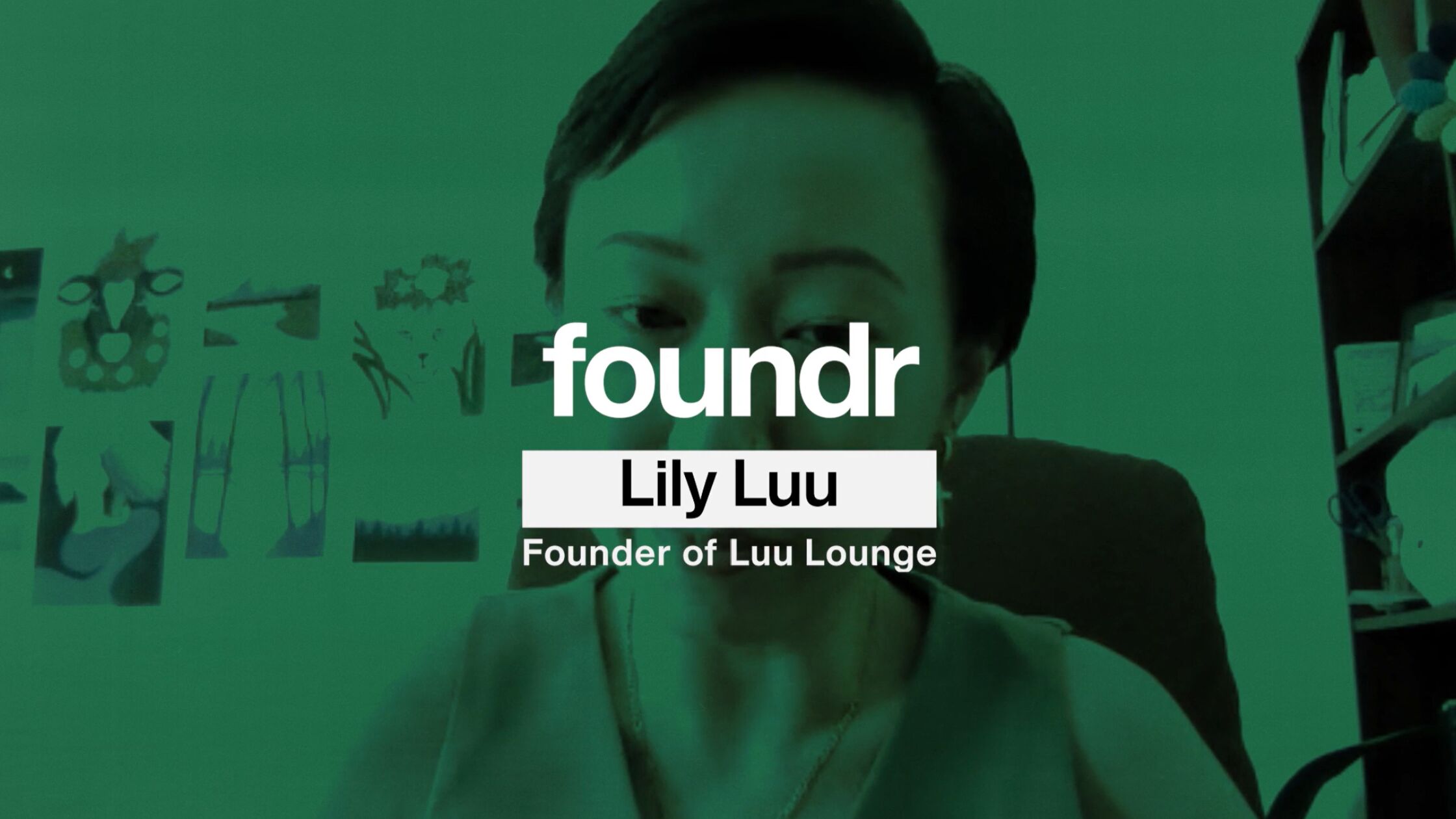
"I work in electric vehicle infrastructure. It’s a nice eight-to-five, Monday through Friday," Lily explains. "I have three dogs, and I was always just covered in fur all the time."
While most would simply reach for a lint roller, Lily looked at the fabric of her clothing and saw a design failure. She began to wonder: could she engineer a textile that physically resists pet hair or, at the very least, allows for an effortless wipe-down? This question shifted her focus from merely buying clothes to creating them. What started as a personal quest for a cleaner wardrobe quickly morphed into a business opportunity, proving that the most lucrative startup ideas are often the ones that solve the founder’s own most nagging problems.
A Chronology of Construction: The Long Road to Launch
Launching a brand is rarely a sprint, and for Lily, it was a marathon that required extreme patience. Because she was committed to a custom fabric solution rather than sourcing generic wholesale garments, the R&D phase proved to be the most significant hurdle.
- The R&D Phase (Month 1–12): Lily spent over a year vetting manufacturers and testing proprietary fabric compositions. This commitment to quality over speed was a calculated risk, but one that Lily felt was necessary to differentiate her brand in a saturated market.
- Building in Public (The Viral Catalyst): Throughout this lengthy development process, Lily chose radical transparency. She took to TikTok to document the behind-the-scenes struggles of sourcing, testing, and manufacturing. This "build-in-public" approach served two purposes: it built an organic community of fellow pet owners who shared her frustration, and it acted as a real-time market research tool.
- The Launch Window: By the time her first drop was ready, she had already cultivated a loyal audience. When the site went live, the result was instantaneous: her initial inventory sold out in a matter of hours.
Navigating the Technical Gap: The Email Marketing Challenge
While the product was a success, the operational side of the business presented a steep learning curve. Lily, who had no formal background in digital marketing, found herself struggling to manage customer communication while maintaining her performance in her EV infrastructure role.
The primary issue was the "time tax." Every hour spent fumbling with complex marketing software was an hour stolen from her product development or her full-time job. Initially, Lily attempted to use industry-standard platforms like Klaviyo. However, she found the interface unintuitive and the setup process cumbersome.
"I was kind of going in circles with it, and things weren’t looking like how I wanted them to look," she says. "I felt like I was being punished for growing."
The realization that her software was hindering her growth—rather than fueling it—led her to pivot. She sought a solution that prioritized ease of use and high-impact automation. This search led her to Omnisend, a platform designed for lean teams and solo founders. The transition was immediate; the intuitive interface allowed her to build complex email and SMS automations without needing a background in coding or professional design.
Supporting Data: The Power of Automation
The efficiency gains Lily experienced were not merely subjective; they translated directly into her business performance. By utilizing Omnisend’s automated workflows, she moved away from the "manual campaign" model—which requires constant monitoring—to a "set-and-forget" infrastructure.
- Audience Growth: At the moment of her first major launch, Lily had successfully grown her email and SMS list to approximately 3,000 subscribers. This pre-built audience was the engine behind her "sell-out" success.
- Engagement Metrics: By using SMS to complement email, Lily created a sense of urgency and exclusivity. Customers were primed for her drops, waiting for specific notifications, which effectively compressed her sales volume into a short, high-velocity timeframe.
- Operational Bandwidth: By offloading customer communication to automated sequences, Lily reported that she could effectively run the business from the periphery of her day job, only stepping in to oversee major strategy shifts.
Official Perspectives: The Founder’s Philosophy
When asked about the role of technology in her success, Lily is pragmatic. She views her software stack as a "silent partner." In the ecosystem of a side-hustle, every tool must earn its keep by either saving time or generating revenue.
"I’m glad I can just put it on and leave it so I don’t worry about it," Lily notes regarding her automated flows.
Her perspective highlights a crucial shift in modern entrepreneurship: the transition from "hustle culture" (which prioritizes working longer hours) to "leverage culture" (which prioritizes the use of automated systems to scale results). For Lily, the goal was never to work 100 hours a week. The goal was to build a brand that could exist alongside her professional life, rather than in conflict with it.
Implications for the Modern Side-Hustler
Lily’s story offers several key takeaways for aspiring entrepreneurs who feel constrained by their 9-to-5 commitments:
- The "Own-Problem" Advantage: If you are frustrated by a product, there are likely thousands of others feeling the same way. Solve for your own needs first.
- Radical Transparency: Building in public isn’t just a marketing strategy; it’s a way to build trust and validate your idea before you spend a single dollar on mass production.
- Choose Tools That Scale: If a software platform feels like a "punishment for growing," it is the wrong tool. Prioritize intuition and automation to preserve your most valuable asset: your time.
- Integration Over Silos: Don’t treat email and SMS as separate tasks. Integrate them into a single, automated funnel that handles the customer journey from awareness to purchase.
Conclusion: A Blueprint for Efficiency
The success of Lily’s custom clothing brand serves as a testament to the fact that you do not need to quit your job to launch a successful business. What you need is a clear problem, a validated solution, and the right operational stack.
By automating her customer communication, Lily was able to maintain the high standards required by her corporate career while simultaneously managing a viral consumer brand. As the retail landscape continues to evolve, the founders who succeed will be those who, like Lily, find the intersection between personal passion and scalable, automated technology.
For those looking to follow in her footsteps, the path is clear: start with the problem you know best, build your community openly, and invest in systems that allow you to work smarter, not harder.
Ready to start building your own brand? Join the community of successful founders and access the frameworks, tools, and inspiration you need to scale. If you are looking to streamline your email and SMS marketing, take advantage of the same tools that helped Lily succeed. Subscribe here to get started, and use code FOUNDR50 at Omnisend to receive 50% off your first three months.